In today's construction landscape, the choice of building materials is crucial. Steel structures stand out as a popular option for many projects. But what are the advantages of steel structure buildings? This question drives multiple discussions in the industry.
Steel buildings offer durability and strength, making them ideal for various applications. They can withstand harsh weather conditions, providing long-term reliability. Additionally, they allow for flexible designs, which can meet unique project needs. However, some still hesitate. Concerns about initial costs can arise, but steel often proves cost-effective in the long run due to lower maintenance and insurance costs.
Moreover, sustainability is becoming a vital topic in construction. Steel is recyclable, reducing environmental impacts. This aligns with the growing focus on green building practices. Understanding these benefits can aid decision-making in construction projects. However, it is essential to evaluate local conditions and specific project requirements before making a final choice.
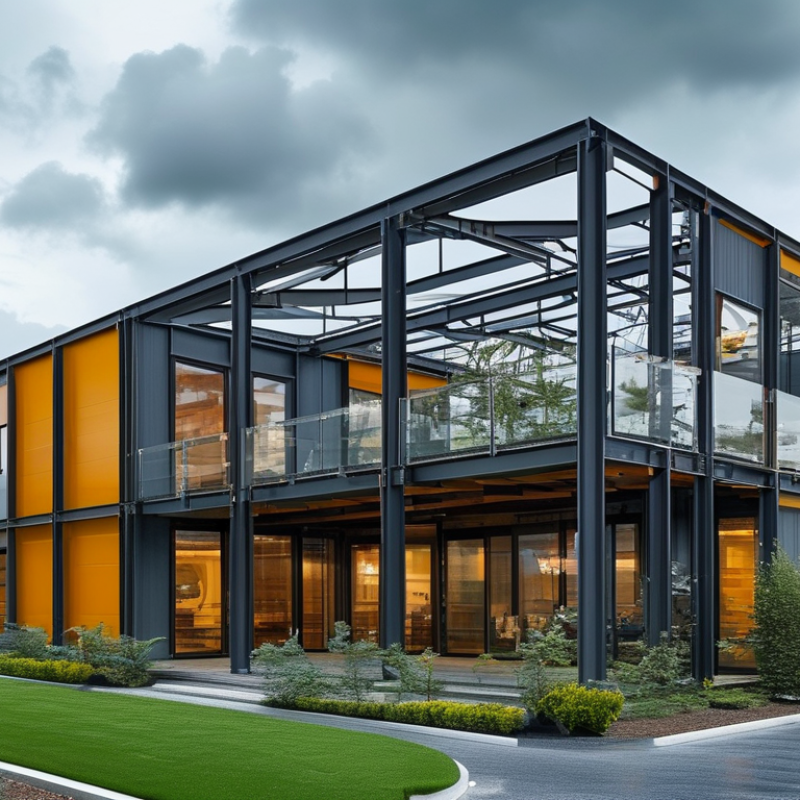
Benefits of Steel Structures in Construction Projects
Steel structures have gained popularity due to their numerous advantages in construction projects. Their strength and durability make them an excellent choice for various applications, from commercial buildings to bridges. Steel can withstand harsh weather conditions, ensuring the longevity of structures. This resilience is vital for areas prone to extreme climates.
Tip: When selecting steel, consider the grade and treatment. High-quality steel can improve overall project efficiency.
Another significant benefit is the speed of construction. Steel framing can be prefabricated off-site. This method saves time and accelerates project timelines. Moreover, steel structures allow for flexible design. Architects can create innovative shapes and spaces that are not possible with traditional materials.
Tip: Ensure your steel supplier follows industry standards. Quality control is essential for a reliable outcome.
Despite the advantages, some challenges exist. Steel can be susceptible to corrosion if not adequately maintained. It’s vital to implement proper protective measures. Regular inspections can help identify potential issues early. Emphasizing a proactive approach to maintenance can enhance the lifespan of steel structures.
Durability and Longevity of Steel Building Materials
When considering construction materials,
steel emerges as a frontrunner due to its exceptional durability and longevity.
According to the American Iron and Steel Institute,
buildings constructed with reinforced steel can last over 50 years without major repairs.
This longevity is significant in areas prone to harsh weather conditions. Steel withstands corrosion and
extreme temperatures better than many traditional materials, making it a wise investment for long-term projects.
Steel structures also exhibit superior resilience.
Getting past short-term benefits, the maintenance costs associated with steel can be markedly lower.
A report from the National Institute of Standards and Technology
highlights that steel's structural integrity reduces the likelihood of extensive refurbishments.
Furthermore, steel is often recyclable, contributing to sustainability efforts in construction.
Tips: Always consider the environmental factors specific to your project location.
The local climate can influence the long-term performance of your chosen materials. Additionally,
consult with structural engineers to understand the best practices for steel maintenance.
Finally, think about future flexibility;
steel buildings can be remodeled or expanded more easily than traditional ones,
which enhances their lifecycle value.
Cost-Effectiveness and Efficiency of Steel Structures
Steel structures are becoming increasingly popular in construction due to their cost-effectiveness and efficiency. These buildings can be designed in various shapes and sizes, making them highly versatile. They are lighter than traditional materials but offer superior strength. This allows for more flexibility in architectural designs without compromising safety.
Construction time is another key factor. Steel structures can be pre-fabricated off-site and assembled quickly at the construction location. Fewer delays often lead to lower labor costs. However, it's crucial to be aware of the skills required for assembly. Not all contractors are equally experienced with steel construction, which can affect the overall project budget. Ensuring that the right expertise is in place will help maintain efficiency and quality.
Additionally, steel's durability reduces long-term costs. It resists rust, pests, and extreme weather conditions, leading to lower maintenance expenses. On the downside, initial costs can be higher than wood or concrete. Companies may need to weigh immediate expenses against long-term benefits. Evaluating each project thoroughly is essential to make informed decisions. Balancing cost and efficiency will ultimately produce a stronger, more sustainable structure.
Design Flexibility and Architectural Advantages of Steel
Steel structures are increasingly becoming a preferred choice in construction projects due to their exceptional design flexibility. According to a report by the American Institute of Steel Construction, steel can be molded into various shapes and sizes, allowing for creative architectural designs. This adaptability makes it possible to create unique and innovative buildings, enhancing aesthetic appeal and functional performance.
In a recent study from the National Institute of Standards and Technology, steel structures demonstrated superior resistance to natural disasters. The material's strength allows for taller buildings with larger open spaces. Furthermore, steel can support additional floors without compromising the integrity of the structure. However, challenges remain. While steel is durable, its susceptibility to corrosion requires additional protective measures. This aspect can affect project timelines and budgets.
Architectural freedom is a key benefit of steel construction. Designers can easily incorporate intricate facades or expansive glass panels. This flexibility fosters collaboration among architects, engineers, and builders. However, choosing the right steel type and design requires expertise. Proper planning is essential to avoid issues later in the construction process.
Why Choose Steel Structure Buildings for Your Projects? - Design Flexibility and Architectural Advantages of Steel
| Dimension |
Advantages |
Flexibility Options |
Sustainability Factor |
| Design Versatility |
Can accommodate various architectural designs. |
Open floor plans, high ceilings, custom shapes. |
Recyclable materials reduce waste. |
| Construction Speed |
Faster erection compared to traditional methods. |
Pre-fabrication allows quicker assembly. |
Less energy used in construction process. |
| Weight-to-Strength Ratio |
Strong yet lightweight structure. |
Longer spans without supporting columns. |
Lower material consumption for same strength. |
| Adaptability |
Easily modified for future needs. |
Can be expanded or repurposed. |
Durability promotes long life spans. |
Sustainability and Environmental Impact of Steel Construction
Steel structures have gained traction due to their sustainability benefits. According to the World Steel Association, steel is highly recyclable. Approximately 85% of steel is recycled at the end of its lifespan. This makes steel construction not only eco-friendly but also resource-efficient. The production of steel now involves significant reductions in carbon emissions compared to previous decades. Innovations in manufacturing processes have led to a decrease in energy consumption by about 20%.
Moreover, steel structures can significantly reduce waste on construction sites. Research from the National Institute of Standards and Technology reveals that using steel can lower construction waste by 30% compared to traditional materials. This reduction is vital as construction waste constitutes a significant portion of landfill content. Steel buildings also allow for cleaner construction practices.
Despite these advantages, challenges remain. The high energy consumption required for steel production can offset some environmental benefits. Additionally, the reliance on certain resources in steel manufacturing raises concerns over long-term sustainability. Continuous improvement is crucial. Advancing technologies and recycling methods can help mitigate these issues and enhance the sustainability profile of steel construction.
FAQS
: Steel structures offer strength, durability, and resistance to harsh weather. They enhance the longevity of buildings.
Steel can be prefabricated off-site, allowing for quicker assembly on site. This reduces overall project timelines.
Steel allows for innovative shapes and open spaces. Architects can create unique designs that traditional materials cannot support.
Yes, steel can corrode if not maintained properly. Regular inspections and protective measures are crucial for longevity.
Initial costs for steel can be higher than wood or concrete. Long-term benefits may outweigh these upfront expenses.
Expertise in steel construction is vital. Not all contractors have the necessary skills, which can impact the project budget.
Yes, steel shows superior resistance to disasters, allowing for taller buildings with large open spaces that maintain safety.
Consider the grade and treatment of steel. Quality control is essential to ensure a reliable outcome for projects.
Good planning can help prevent issues during construction. Choosing the right steel type requires expertise and can save time and costs.
Collaboration among architects, engineers, and builders enhances the design process. It ensures that all aspects of the project are considered.
Conclusion
Steel structure buildings are increasingly favored in construction projects due to their numerous advantages. One of the key benefits is their durability and longevity, as steel materials can withstand harsh weather conditions and resist corrosion, leading to lower maintenance costs over time. Additionally, the cost-effectiveness and efficiency of steel structures make them appealing for a variety of projects, often reducing construction time and labor expenses.
Another significant advantage is the design flexibility they offer, allowing architects to create innovative and aesthetically pleasing designs without compromising structural integrity. Furthermore, steel construction promotes sustainability, as it can be recycled and often utilizes fewer resources than traditional building materials. In conclusion, when considering what are the advantages of steel structure buildings, the combination of strength, cost-efficiency, design versatility, and environmental benefits makes them a compelling choice for modern construction endeavors.

 Umo House