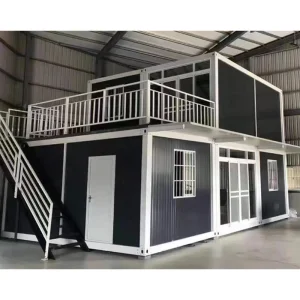
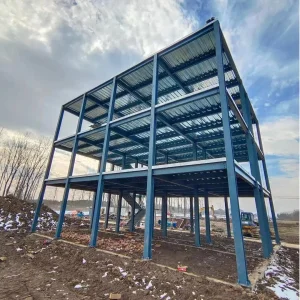
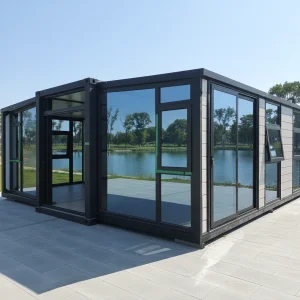
Explore our high-performance structural steel modular buildings, engineered for commercial resilience, structural integrity, and architectural adaptability.
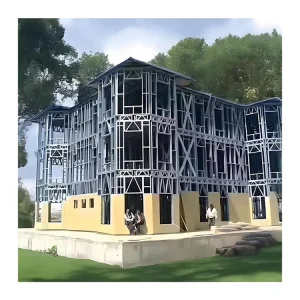
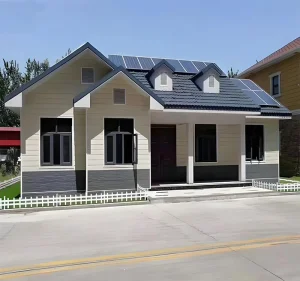
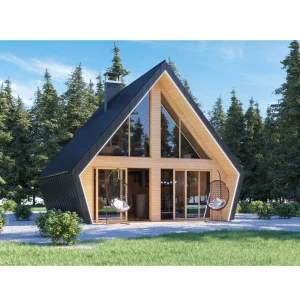
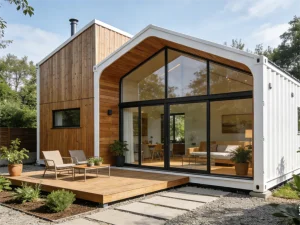
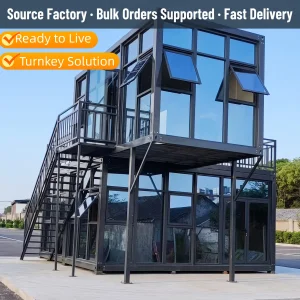
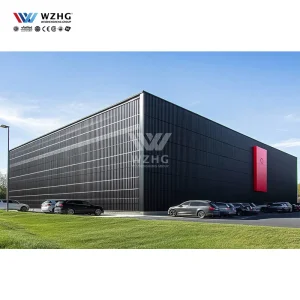
As global real estate developments face escalating site costs, labor shortages, and stringent carbon metrics, modern architecture is shifting from brick-and-mortar methodologies to off-site factory engineering. This industry transition highlights prefabricated steel house technology not merely as an alternative, but as a dominant structural strategy for sustainable, rapid-development infrastructure.
The global construction sector is undergoing a major technological realignment. Urban density requirements and environmental codes have rendered onsite concrete fabrication increasingly impractical in high-cost labor corridors. Off-Site Construction (OSC) methodologies, centered on modular light-gauge and heavy structural steel frame configurations, address these challenges by shifting the primary building process to specialized fabrication yards.
Key drivers accelerating this transition include:
"The shift toward prefabricated steel frames is fundamentally structural and performance-driven. Modern steel buildings deliver high strength-to-weight ratios, ensuring exceptional seismic resilience and long-term durability in volatile climates."
Procurement directors, commercial project developers, and site logistics experts face distinct risks when sourcing modular assets internationally. Success relies on balancing structural performance, supply chain predictability, and compliance with local building regulations.
Ensuring structural certifications comply with international design standards, including the AISC (American Institute of Steel Construction), Eurocodes (EN 1993), and AS/NZS 1170 wind and seismic load combinations.
Designing structures to optimize transportation container volumes. Using flat-pack or knock-down configurations allows standard 40ft HQ ocean containers to carry maximum volume, lowering shipping costs per square meter.
Ensuring base metal coatings provide robust corrosion protection. Specifying Z275 hot-dip galvanization or AZ150 aluminum-zinc coatings protects structures in marine or chemical environments.
Foshan Umo House Co., Ltd. is a professional manufacturer specializing in steel structure houses, prefabricated steel buildings, modular housing systems, and customized construction solutions in China. With extensive industry experience and advanced manufacturing capabilities, we provide durable, efficient, and sustainable building solutions for residential, commercial, industrial, and institutional projects worldwide.
Our comprehensive product portfolio includes steel structure houses, prefabricated homes, modular buildings, steel frame villas, portable houses, expandable homes, labor camps, site offices, warehouses, workshops, commercial buildings, schools, hospitals, dormitories, agricultural buildings, and customized steel construction projects. Every solution is engineered to deliver rapid installation, superior structural performance, cost efficiency, and long service life.
At Umo House, we utilize advanced production equipment and precision manufacturing technologies to ensure every component meets strict international quality standards. Our experienced engineering team provides complete OEM and ODM services, supporting customized architectural design, structural calculations, insulation systems, roofing, wall panels, electrical layouts, plumbing, interior finishing, and project-specific requirements.
Built with premium galvanized steel structures and high-performance building materials, our products offer excellent resistance to corrosion, earthquakes, strong winds, and harsh weather conditions. They also provide outstanding thermal insulation, energy efficiency, and low maintenance, making them suitable for both temporary and permanent construction applications.
Our steel structure solutions are widely used in residential communities, commercial complexes, industrial facilities, logistics centers, mining camps, construction sites, tourism resorts, educational institutions, healthcare projects, government infrastructure, and emergency relief programs. We continuously invest in research, product innovation, and manufacturing optimization to meet the evolving needs of global customers.
Today, Foshan Umo House exports its products to Europe, North America, South America, Southeast Asia, the Middle East, Africa, and Oceania, building long-term partnerships with contractors, developers, distributors, and engineering companies around the world.
As a trusted steel structure house manufacturer in China, Foshan Umo House is committed to delivering premium-quality products, competitive pricing, flexible customization, reliable project support, and on-time delivery. We strive to provide innovative modular construction solutions that create lasting value for customers across the global market.
Operating from China's industrial manufacturing heartland in Foshan, Guangdong province, our production facilities utilize advanced manufacturing technologies (Industry 4.0). This integration combines automated mechanical fabrication with strong supply chain linkages to ensure consistent quality and production capacity.
The durability of our modular units relies on robust material engineering and strict quality control standards. Below is the typical structural specification sheet for our high-end prefabricated steel villas and modular assemblies:
| Structural Element | Material Standard Specifications | Engineering Performance Metrics |
|---|---|---|
| Main Load Frame | Hot-dip galvanized Q355B or Q235B structural steel, H-profiles or rectangular hollow sections (RHS). | Tensile strength yield: 355 MPa / 235 MPa. Standard wind load resistance up to 250 km/h. |
| Secondary Frame | Light gauge steel framing (LGSF) system using double-sided galvanized sheet (Z275, coating thickness 20μm+). | High anti-corrosion rating, suitable for high-humidity coastal and industrial areas. |
| Wall Envelope | PIR (polyisocyanurate) or structural rockwool cores (50mm–150mm thickness) with 0.5mm pre-painted steel skins. | U-value insulation rating: 0.22 - 0.35 W/m²K. Class A1 fire-resistance (rockwool core options). |
| Flooring Deck | High-density fiber cement board (18mm–22mm thickness) supported by internal structural steel channels. | Uniform design load limit: 2.5 kN/m² to 4.5 kN/m² depending on project application. |
Our prefabricated steel systems are engineered for adaptability, allowing them to perform reliably in diverse geographical and climatic conditions:
A transparent view into Umo House's factory floor, raw material quality inspections, advanced structural testing, and completed global projects.
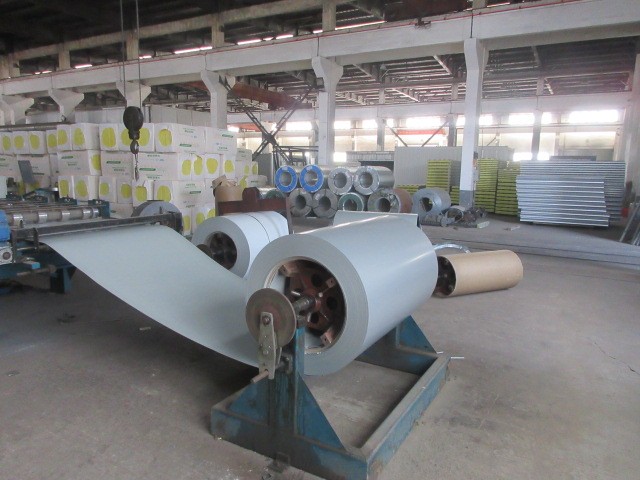
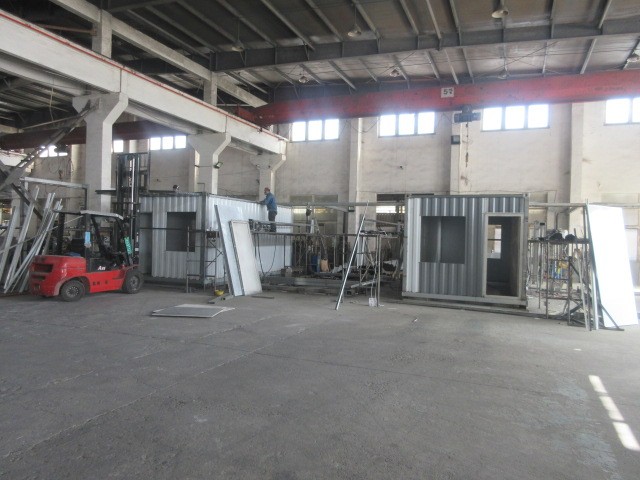
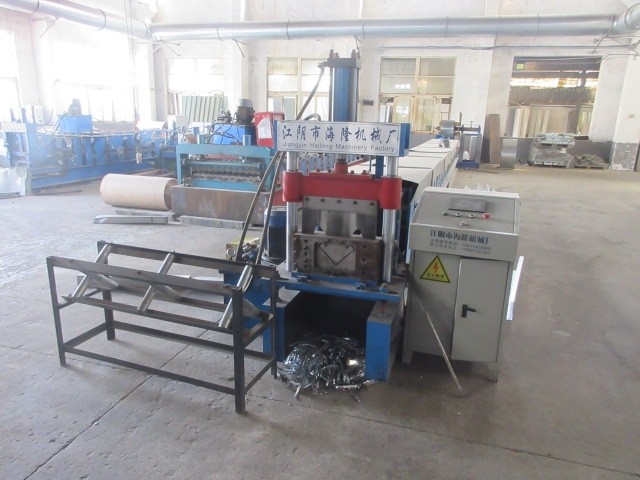
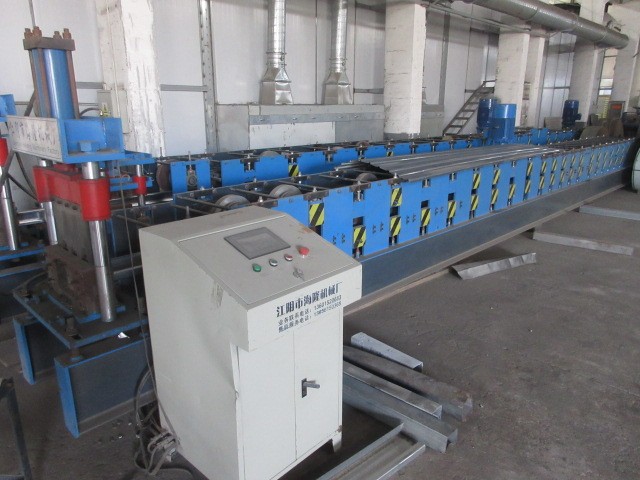
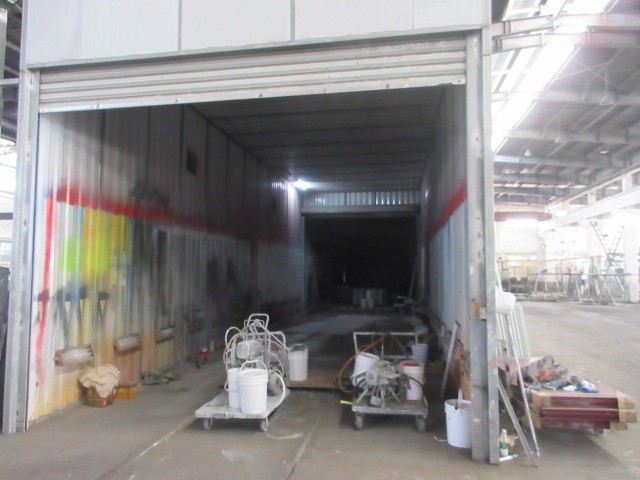
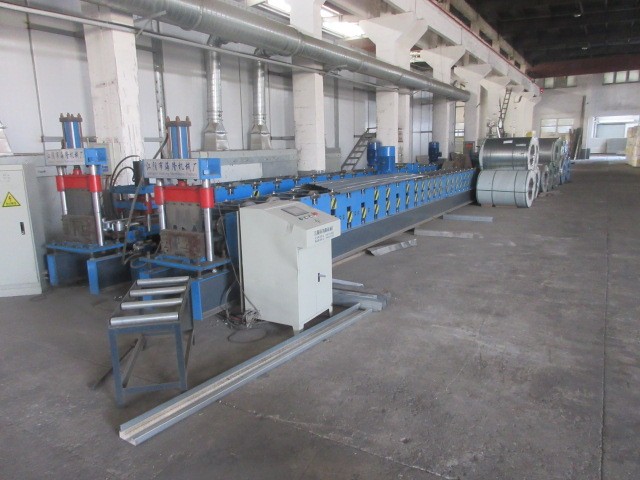
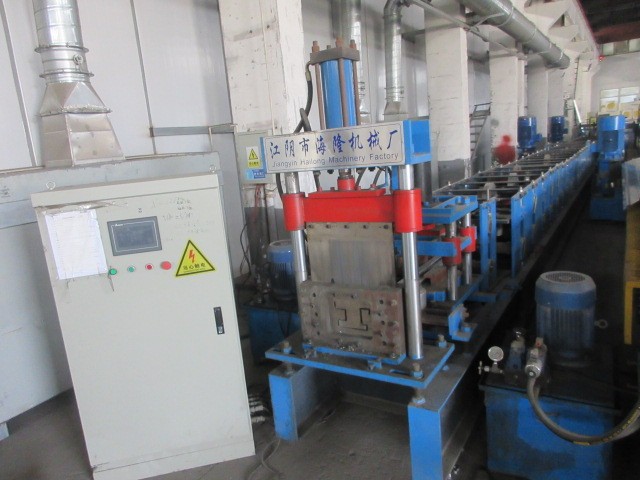
Find technical answers on engineering standards, thermal performance parameters, shipping logistics, and site installation protocols.
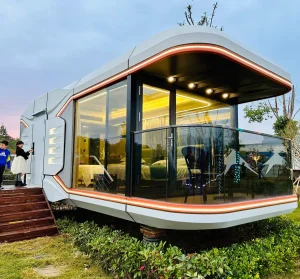
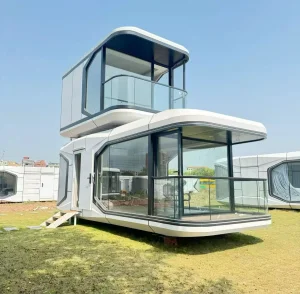
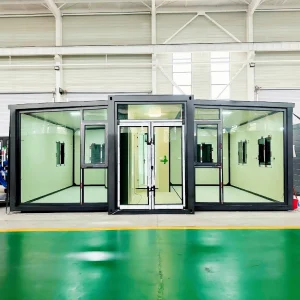
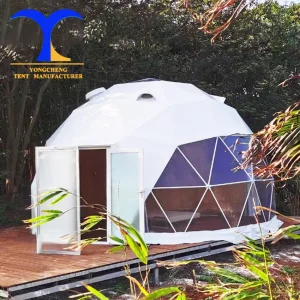
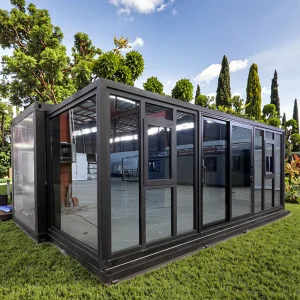
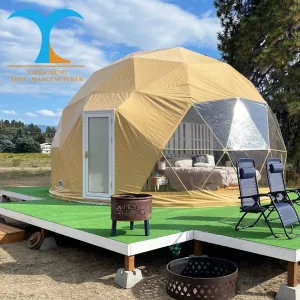
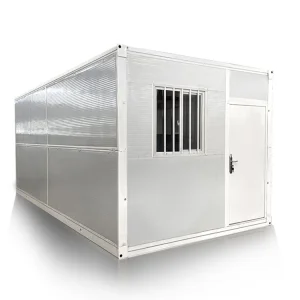
Explore our selection of customizable midcentury container units, space capsules, and camp facilities designed for global distribution.
 Umo House