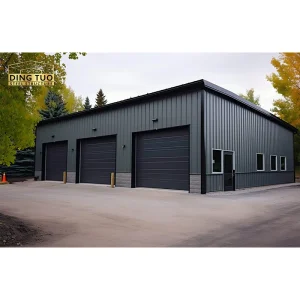
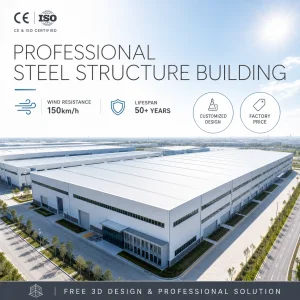
High-precision manufactured steel workshops, warehouse kits, and modern modular housing systems designed for rapid deployment.
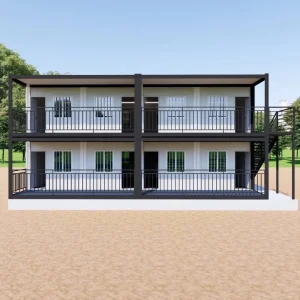
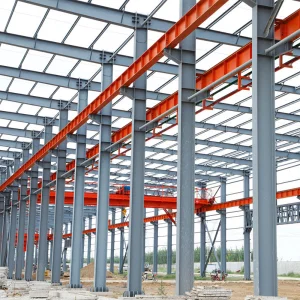
The Paradigm Shift Toward Pre-Engineered Steel Workshop Architecture.
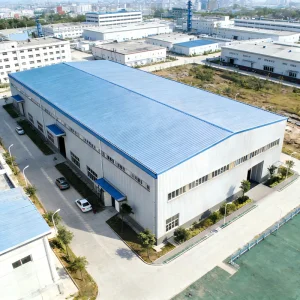
Modern industrial expansion demands rapid, cost-effective, and highly scalable spatial solutions. Prefabricated steel workshop buildings have emerged as the global benchmark for modern warehousing, manufacturing facilities, and heavy-duty logistics hubs. As leading steel workshop building suppliers and exporters, Foshan Umo House Co., Ltd. addresses the evolving demands of structural safety, environmental resilience, and fast assembly.
Unlike conventional concrete structures, pre-engineered steel buildings (PEBs) leverage high-tensile structural steel (specifically Q355B and Q235B grades) to achieve massive clear spans, flexible interior configurations, and superior seismic resistance. This engineering methodologies dramatically reduces installation timelines by up to 60%, allowing global enterprises to accelerate their operational schedules and maximize return on investment.
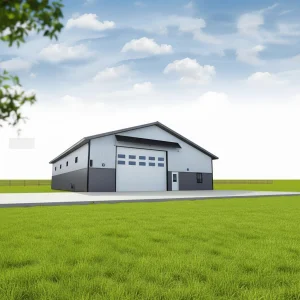
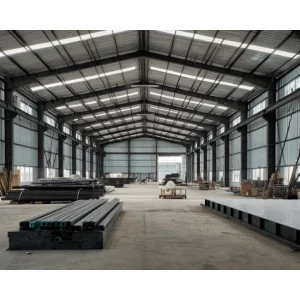
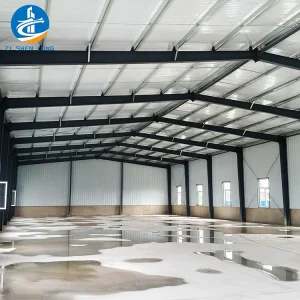
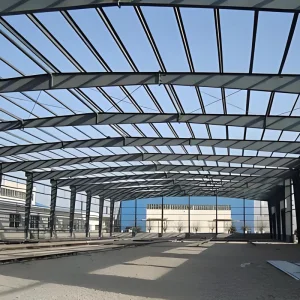
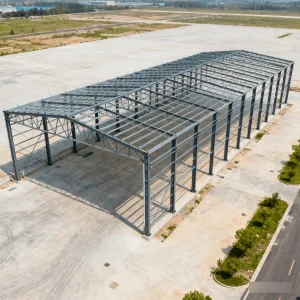
Pre-engineered portal frame configurations offer structural efficiency that maximizes usable cubic space without intermediate column interruptions.
Why leading global EPC contractors choose Chinese precision manufacturing for heavy industrial steel components.
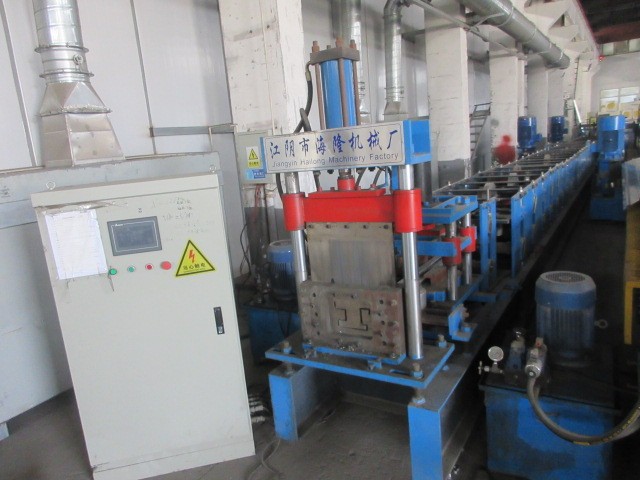
Leveraging CNC cutting, auto-submerged arc welding, and computerized drilling systems to keep fabrication errors under 1mm.
Our location in Foshan, Guangdong provides immediate access to major steel refineries, galvanizing facilities, and primary ports.
Bulk purchasing of primary structural materials and high plant throughput yields massive savings that are passed directly to developers.
Safeguarding projects against extreme climatic forces with localized structural designs.
A primary failure point in global procurement is the lack of alignment with localized building codes. At Umo House, our design methodologies incorporate regional environmental loading profiles including wind pressure, ground snow loads, seismic zones, and corrosive atmospheric classes.
Our engineering matrix maps directly to international building codes, allowing seamless design approvals for building inspectors across North America, Europe, Australia, and Africa:
Designs compliant with AISC 360 (Specification for Structural Steel Buildings) utilizing ASTM A36, A572, and A992 grade structural members.
Calculations configured according to Eurocode 3: Design of steel structures, specifying S235, S275, or S355 high-tensile material profiles.
Engineering validation matching structural design action and wind loading models for region-specific cyclonic conditions.
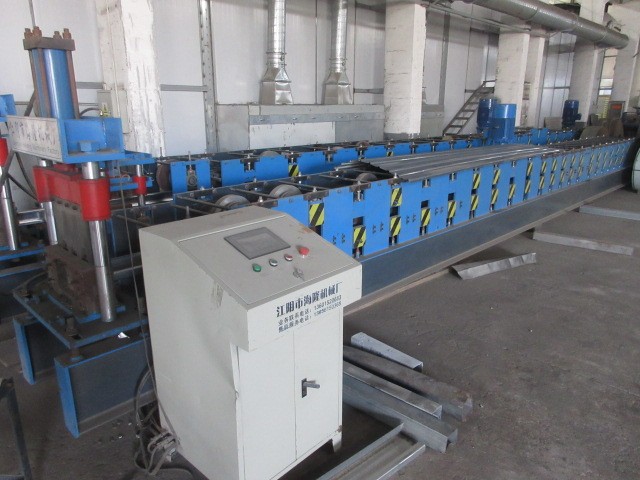
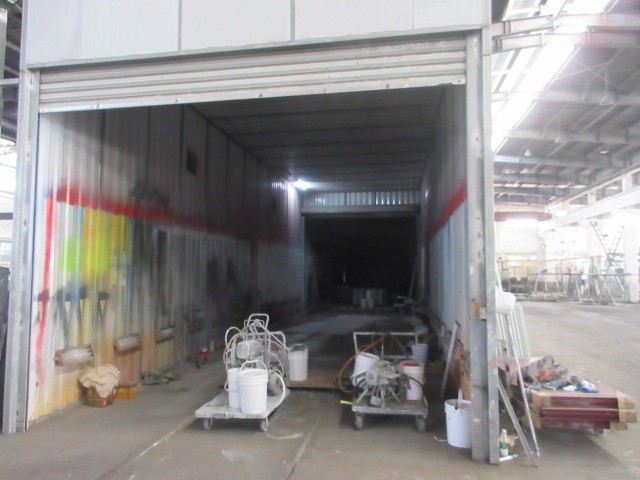
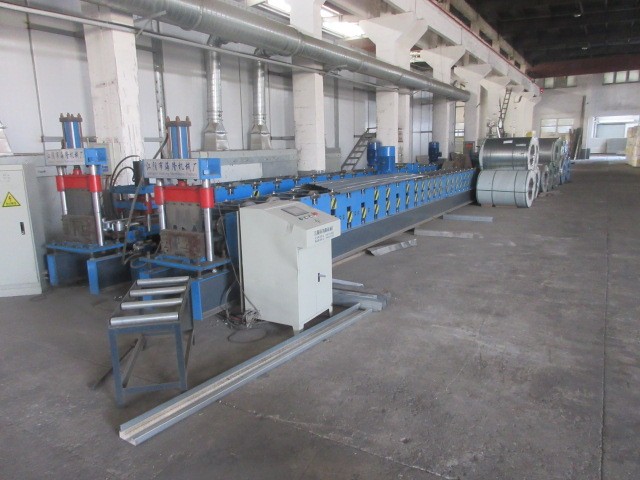
Photographic validation of our state-of-the-art facilities, component precision, and finished structural systems.
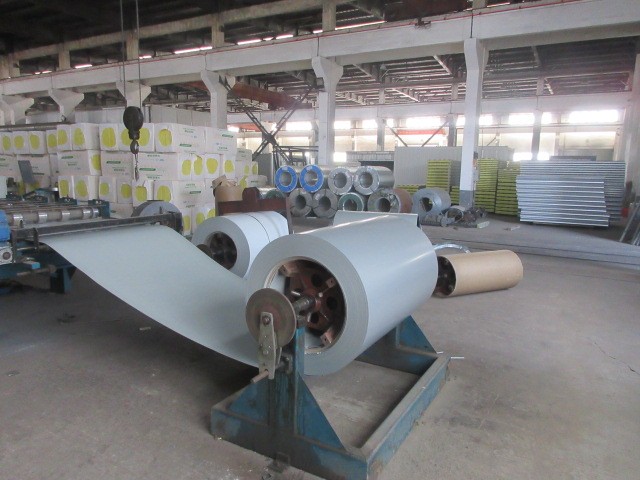
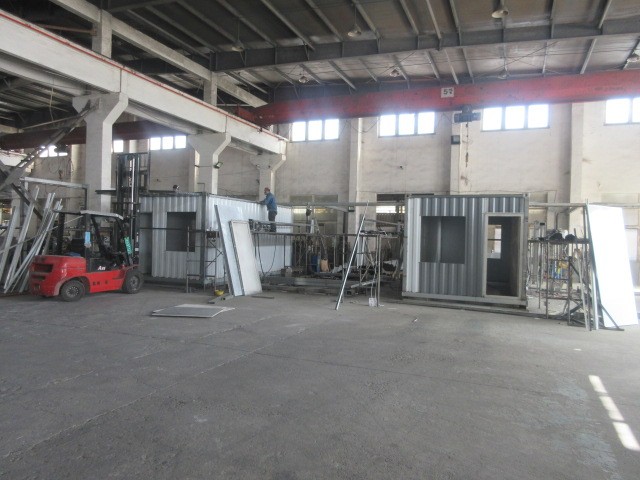
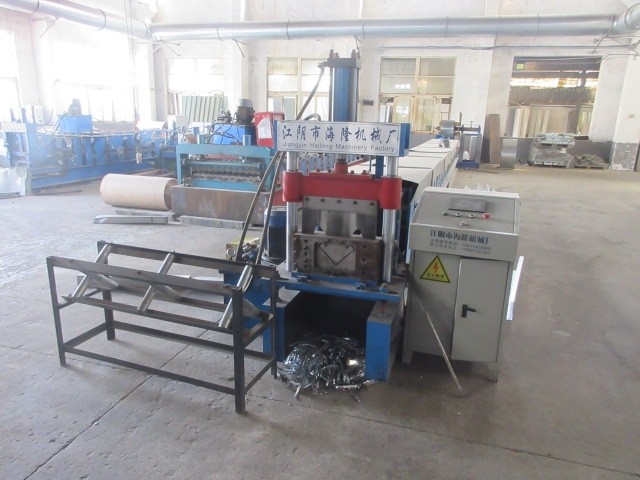
Foshan Umo House Co., Ltd. is a professional manufacturer specializing in steel structure houses, prefabricated steel buildings, modular housing systems, and customized construction solutions in China. With extensive industry experience and advanced manufacturing capabilities, we provide durable, efficient, and sustainable building solutions for residential, commercial, industrial, and institutional projects worldwide.
Our comprehensive product portfolio includes steel structure houses, prefabricated homes, modular buildings, steel frame villas, portable houses, expandable homes, labor camps, site offices, warehouses, workshops, commercial buildings, schools, hospitals, dormitories, agricultural buildings, and customized steel construction projects. Every solution is engineered to deliver rapid installation, superior structural performance, cost efficiency, and long service life.
At Umo House, we utilize advanced production equipment and precision manufacturing technologies to ensure every component meets strict international quality standards. Our experienced engineering team provides complete OEM and ODM services, supporting customized architectural design, structural calculations, insulation systems, roofing, wall panels, electrical layouts, plumbing, interior finishing, and project-specific requirements.
Built with premium galvanized steel structures and high-performance building materials, our products offer excellent resistance to corrosion, earthquakes, strong winds, and harsh weather conditions. They also provide outstanding thermal insulation, energy efficiency, and low maintenance, making them suitable for both temporary and permanent construction applications.
Our steel structure solutions are widely used in residential communities, commercial complexes, industrial facilities, logistics centers, mining camps, construction sites, tourism resorts, educational institutions, healthcare projects, government infrastructure, and emergency relief programs. We continuously invest in research, product innovation, and manufacturing optimization to meet the evolving needs of global customers.
Today, Foshan Umo House exports its products to Europe, North America, South America, Southeast Asia, the Middle East, Africa, and Oceania, building long-term partnerships with contractors, developers, distributors, and engineering companies around the world.
As a trusted steel structure house manufacturer in China, Foshan Umo House is committed to delivering premium-quality products, competitive pricing, flexible customization, reliable project support, and on-time delivery. We strive to provide innovative modular construction solutions that create lasting value for customers across the global market.
Adapting steel workshop designs for varying commercial and industrial requirements.
Equipped with integrated runway beams for high-tonnage overhead cranes (5T to 30T), reinforced base configurations, and localized seismic structural reinforcement.
Engineered using fireproof and chemically inert PU and rockwool sandwich panels. Fully compliant with washdown hygiene standards and strict climate control ranges.
Designed with maximum clear height clearance, multiple dock lever interfaces, energy-saving thermal envelopes, and expansive pillar-free spatial planning.
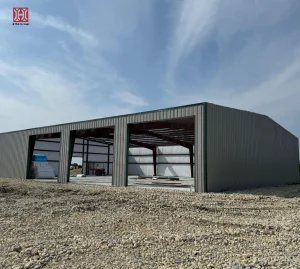
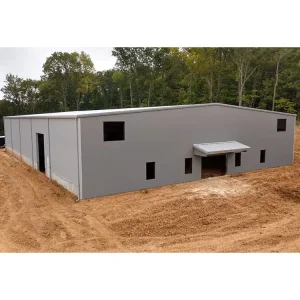
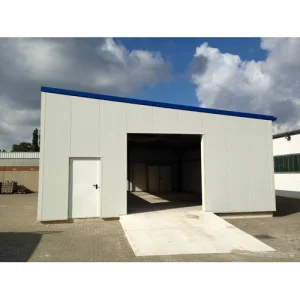
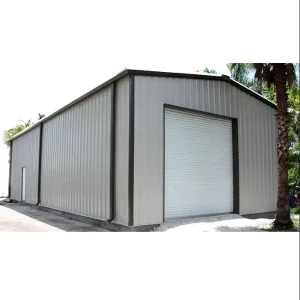
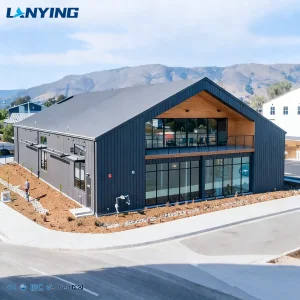
Visual evidence of structural integration, shipping preparation, and completed external envelopes.
As global carbon footprint metrics and environmental regulations become more stringent, the structural steel industry is undergoing a digital and green transition. Building Information Modeling (BIM) has transitioned from an optional software planning utility to a core structural requirement. Through advanced BIM modeling, our design engineers generate identical 3D digital twins of our workshops before steel plates are cut. This reduces physical workshop scrap material to less than 1.5% and virtually eliminates field rework during the assembly phase.
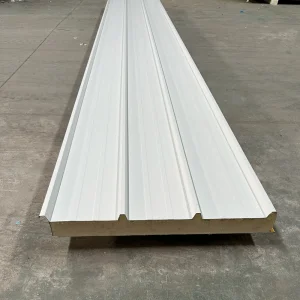
A persistent concern among steel structure operators is heat transmission. Uninsulated metal buildings can experience solar radiation loading that elevates interior temperatures beyond safe operational limits. To combat this, Foshan Umo House integrates dual-barrier insulation technology: combining low-emissivity (low-E) interior barrier foils with high-density polyurethane (PU) core sandwich panel cladding. This composite framework yields an aggregate thermal resistance value (R-value) that exceeds standard concrete block masonry by over 140%, lowering building cooling and heating costs dramatically over its operational life cycle.
Furthermore, steel is the absolute pinnacle of circular construction. Over 90% of structural steel framing members are fully recyclable at the end of the building's lifecycle without degrading physical performance. This lifecycle sustainability enables international companies to achieve higher LEED ratings and align with corporate ESG (Environmental, Social, and Governance) targets.
Expert technical answers covering structural engineering, logistical coordination, and global compliance.
Additional commercial configurations, customized workshop framing kits, and modular construction systems.
 Umo House