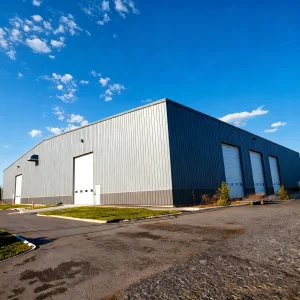
Based in China, Foshan Umo House Co., Ltd. is a leading professional manufacturer and exporter specializing in custom multi-story steel structure buildings, prefabricated residential units, modular commercial developments, and structural engineering solutions. Backed by advanced fabrication facilities and experienced structural engineers, we deliver globally certified structural steel solutions designed to meet the rigorous safety and performance parameters of modern development.
From complex multi-story commercial offices to heavy-duty industrial warehouses, our designs maximize material efficiency and load distribution while ensuring compliance with international building regulations (including ASTM, Eurocodes, and GB standards).
50+
Exporting Countries
150k+
Sq.M Fabricated Annually
100%
BIM Precision Modeling
Class A
Seismic & Fire Ratings
The paradigm shift in the construction sector toward rapid, low-carbon, and highly structural build technologies has elevated pre-engineered steel frames to the forefront of global development.
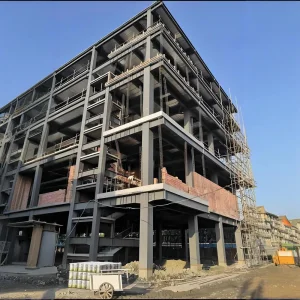
As urban zones face acute space shortages, multi-story vertical construction has transitioned from a luxury to an operational necessity. Prefabricated steel frames allow rapid, vertical-oriented construction without requiring extensive on-site structural adjustments.
Regulatory authorities in the EU, North America, and APAC regions are tightening operational embodied carbon thresholds. Steel structure systems, possessing high recycled-material input and near 100% end-of-life recyclability, represent the pinnacle of eco-friendly building practices.
Conventional reinforced concrete projects are heavily impacted by variable weather conditions and localized labor dependencies. Pre-engineered steel buildings bypass these bottlenecks via computerized factory pre-fabrication and rapid assembly sequencing.
The structural efficacy of Umo House structures relies on integrated mechanical design and advanced metallurgical processing.
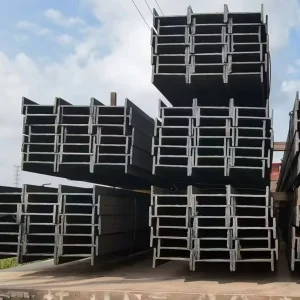
Utilizing high-grade steel alloys such as Q355B (equivalent to S355JR or ASTM A572 Grade 50) to deliver optimized strength-to-weight performance. This allows for long-span layouts, eliminating interior column requirements to maximize functional volume.
All structural framework members undergo hot-dip galvanization (minimum coating mass G90 / Z275) or receive an epoxy-rich priming system. This provides long-term resistance to atmospheric humidity, coastal salt spray, and corrosive chemical environments.
Our structures feature composite panel integration, combining polyurethane (PU), rockwool, and lightweight concrete floor slabs. This structure reduces thermal bridging, limits acoustic transmission, and meets stringent global energy efficiency targets.
Designed using Finite Element Analysis (FEA), the framing configurations dynamically absorb seismic kinetic energy (seismic fortification grades up to Level 8) and comfortably withstand high-velocity wind loads (up to 150 km/h and above).
Utilizing non-combustible rockwool core panels and structural components coated with specialized intumescent fireproofing, Umo House structures comply with fire rating classifications from 1 to 4 hours, protecting structural integrity.
Design for Manufacture and Assembly (DFMA) guidelines ensure structural tolerances are kept below 1mm, eliminating the need for on-site hot work (welding) and cutting, while enabling bolt-together field erection.
Engineering multi-story steel structures requires close attention to the unique environment and regulatory standards of each location. Umo House tailors its prefabricated systems to deliver site-specific solutions across the globe:
Umo House structural systems serve as the load-bearing backbone for diverse applications, blending industrial-grade durability with modern aesthetic flexibility.
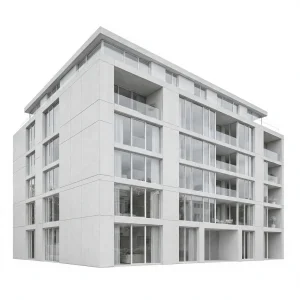
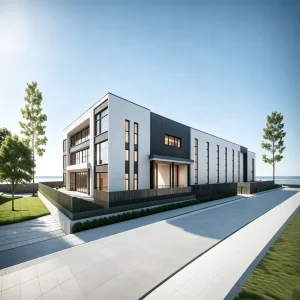
Integrating steel frames with lightweight concrete flooring systems. These residential structures provide excellent sound insulation, design flexibility, and speedy installation cycles for modern urban living.
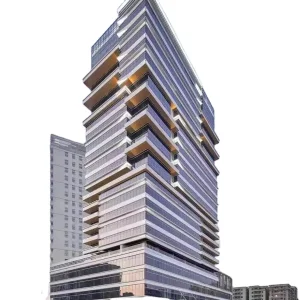
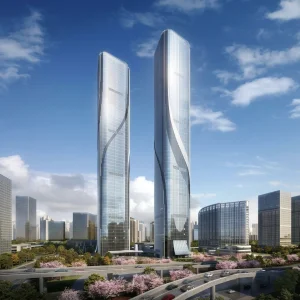
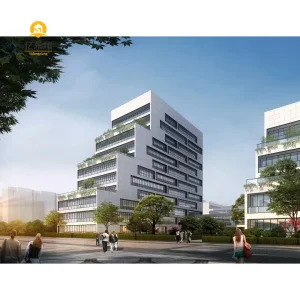
Designed to support curtain wall facades and glass panels, our commercial frameworks provide clear floor spaces, integrated utility zones, and rapid build times that lower financial overhead.
Engineered to prioritize safety and low-VOC environments. These modular buildings support clean medical room configurations, acoustic control for classrooms, and easy expansion options.
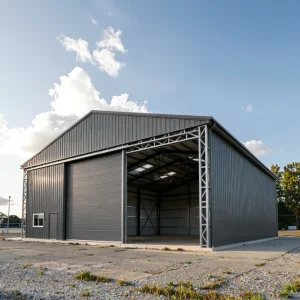
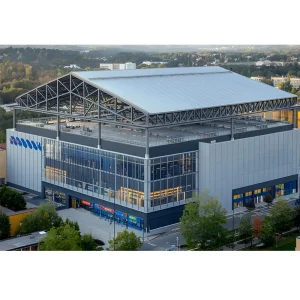
Providing heavy-duty, long-span structural systems designed to support overhead cranes, high-clearance loading bays, and automated logistics racking setups.
Built for quick deployment in remote areas, these insulated, modular structures provide reliable, self-contained living spaces that stand up to harsh environmental conditions.
Flat-packed, modular systems engineered for rapid assembly by local labor teams. These structures establish durable medical clinics and administrative bases in minimal time.
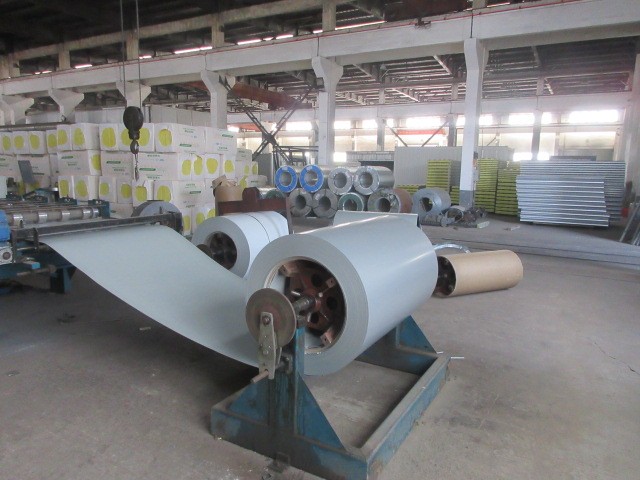
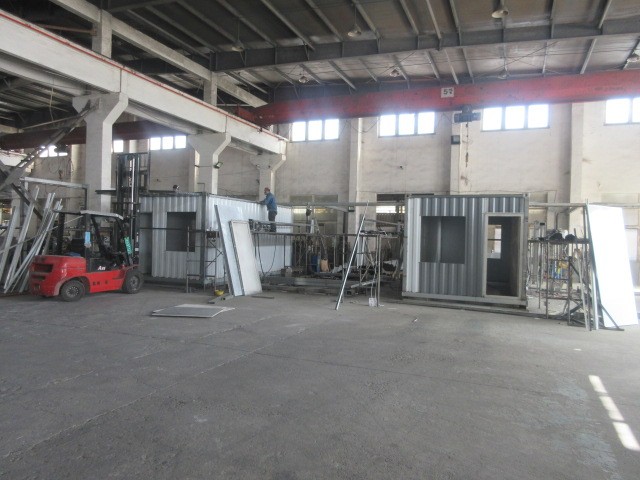
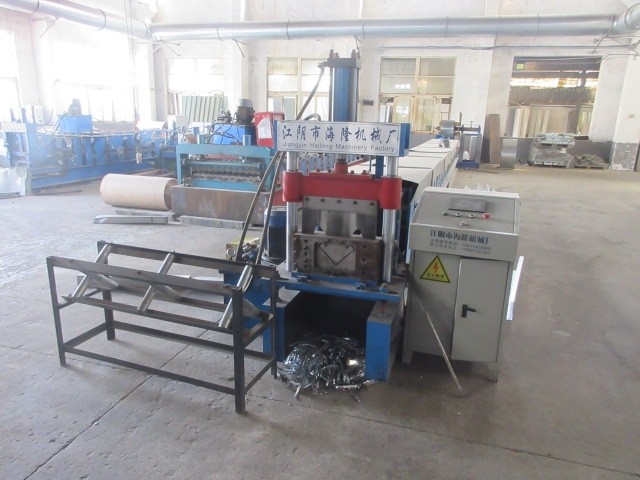
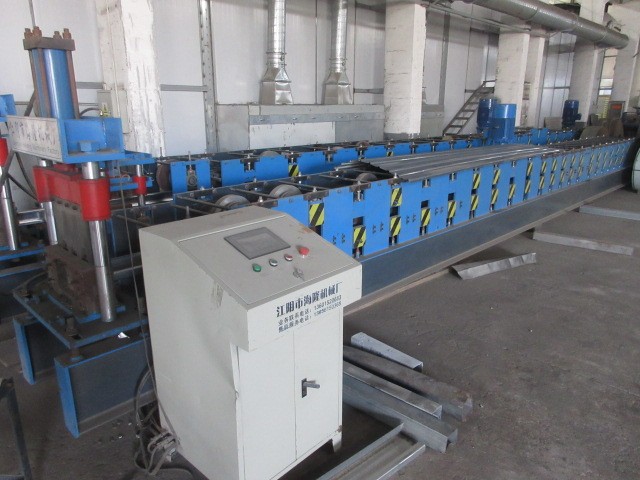
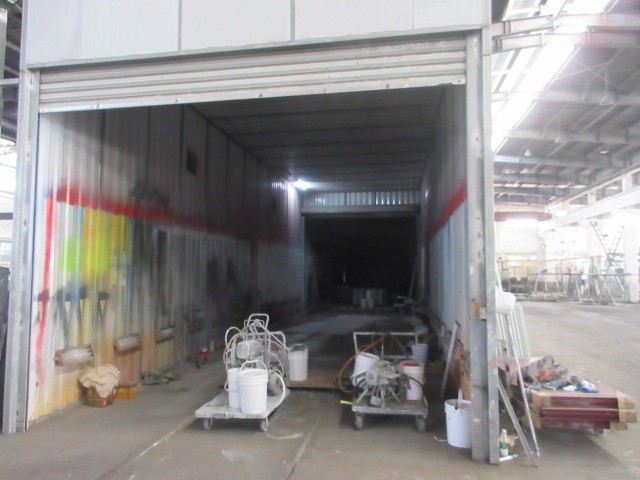
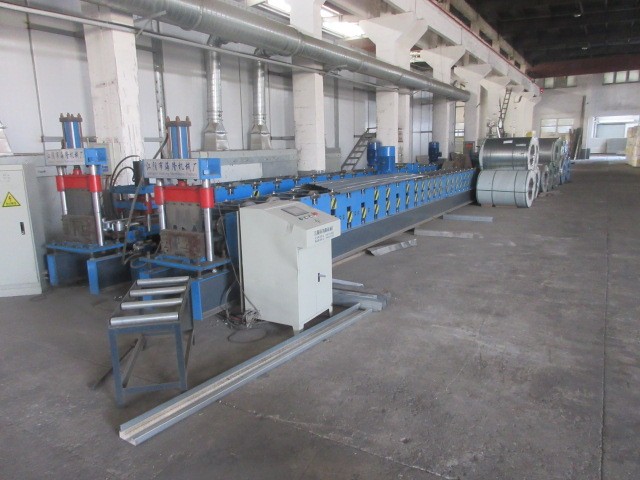
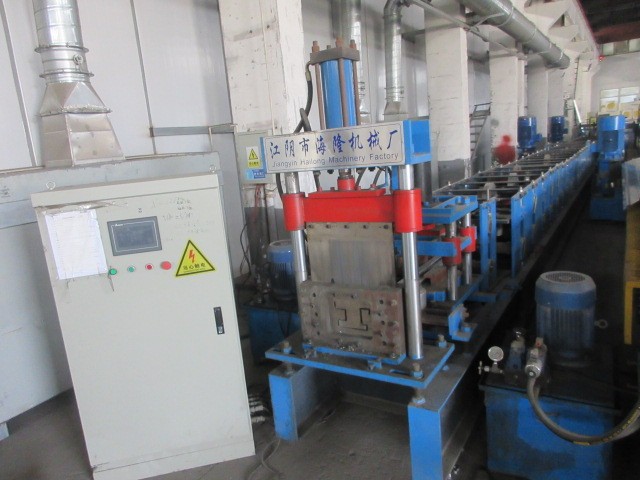
Take an inside look at our advanced manufacturing floor, structural assembly test zones, and automated welding stations in Foshan.
Find answers to common engineering, logistics, and compliance questions about prefabricated multi-story steel structures.
 Umo House