Umo House
The Global Evolution of Steel Office Buildings
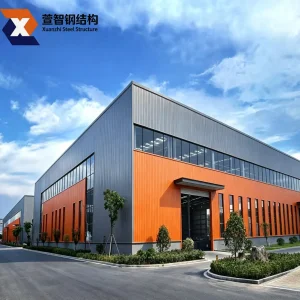
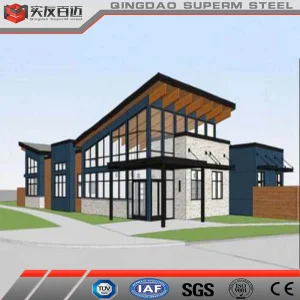
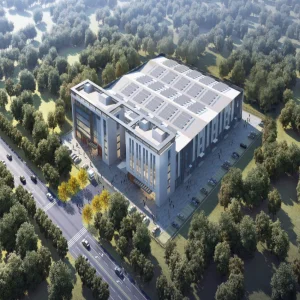
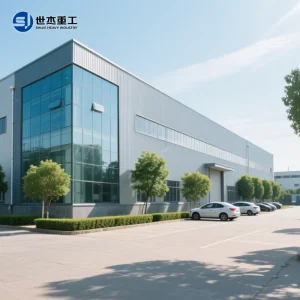
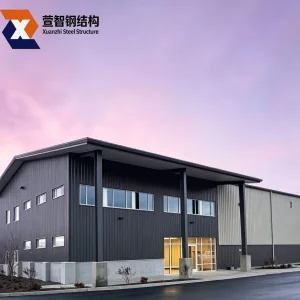
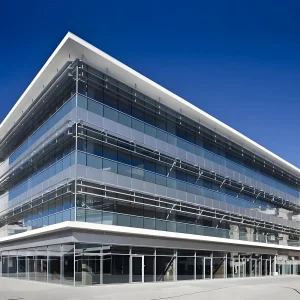
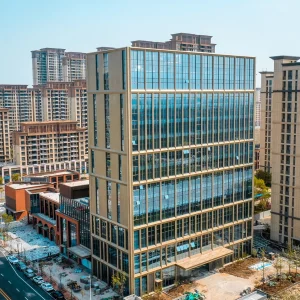
The global commercial real estate landscape is undergoing a massive structural shift. High-density urban environments, rapid corporate decentralization, and intensifying environmental, social, and governance (ESG) regulations have forced developers and design-build firms to move away from carbon-intensive cast-in-place concrete structures. Prefabricated steel structure office buildings have emerged as the premier solution, combining unmatched structural efficiency with accelerated project schedules, ultimate design flexibility, and circular-economy sustainability credentials.
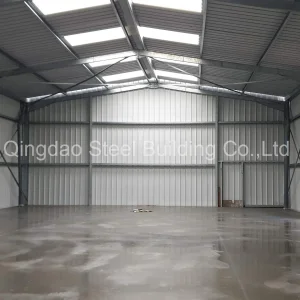
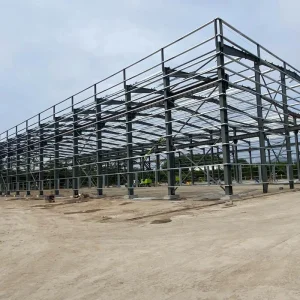
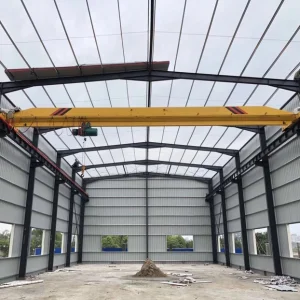
By leveraging high-tensile hot-dip galvanized steel framing, modern office structures optimize the strength-to-weight ratio. This optimization allows architects to draft long-span layouts that eliminate interior load-bearing columns. The resulting column-free floor plans allow multi-story office buildings to adapt dynamically over their lifespans to varying tenant layouts. Consequently, they maximize leaseable square footage while keeping long-term operations highly cost-effective.
According to architectural data surveys, transition to off-site pre-engineered steel construction cuts on-site labor schedules by up to 50% and reduces carbon emissions by nearly 35% across the structural lifecycle compared to legacy wet-concrete methodologies.
Why Structural Engineers & Procurement Teams Source from Foshan Umo House
Foshan Umo House Co., Ltd. has established itself as an authoritative manufacturer and supplier of prefabricated steel frame commercial properties and modular housing systems in China. Centered within the advanced manufacturing cluster of Foshan, Guangdong, we bridge the gap between design theory and logistical execution. We provide complex, code-compliant steel assemblies directly from our factory floor to global developers.
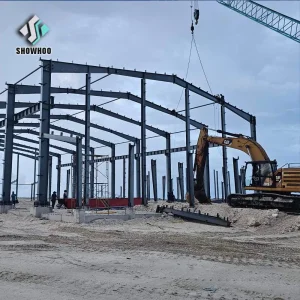
Our capabilities range from light-gauge steel framing (LGS) systems for suburban office clusters and municipal administrative complexes to heavy structural portal frames and high-rise hybrid frameworks. Our technical department employs standard BIM modeling and Tekla structural analysis software. This process guarantees that every steel column, beam, truss, and anchor bolt fits together with sub-millimeter tolerances prior to dispatch. This precise fit minimizes field modifications during final erection.
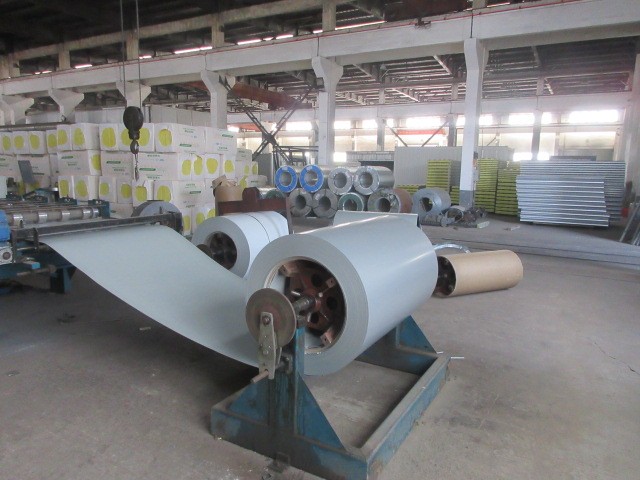
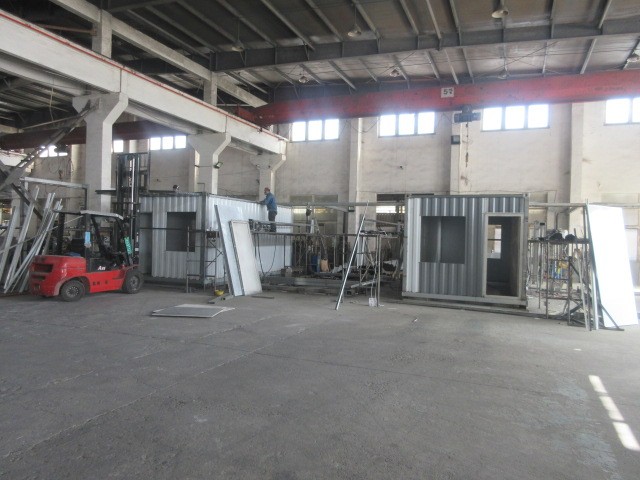
China's Industrial Ecosystem: Unmatched Steel Prefabrication Efficiency
Sourcing steel office structures from China, particularly through Foshan Umo House, offers global B2B procurement partners significant cost-efficiency and technical advantages. These benefits stem from several key factors:
- Upstream Material Consolidation: Our proximity to major raw steel refineries permits direct sourcing of high-grade Q355B and Q235B structural steel, keeping prices highly competitive compared to localized fabrication shops in North America or Western Europe.
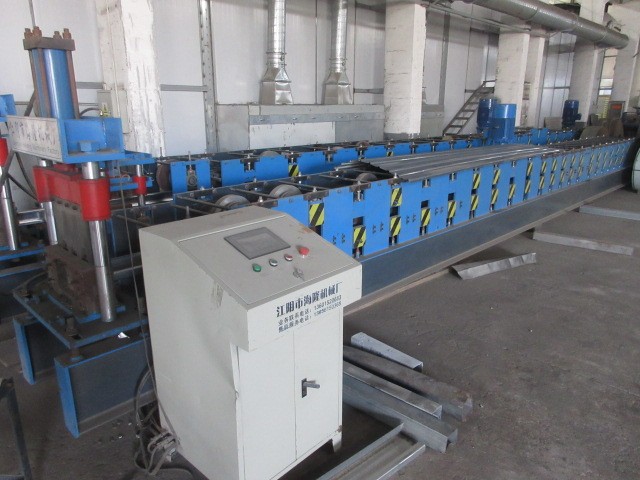
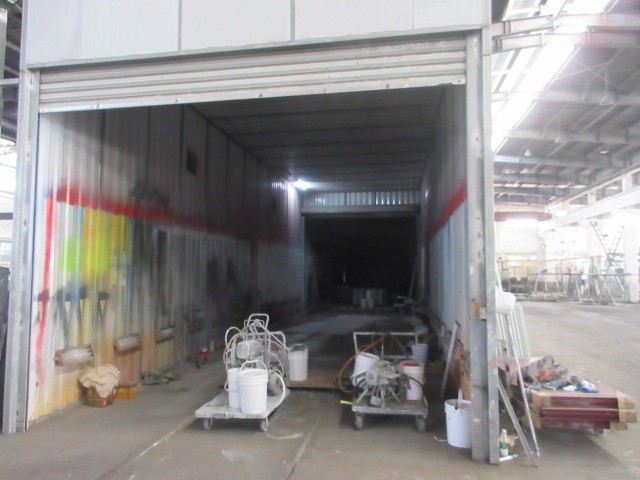
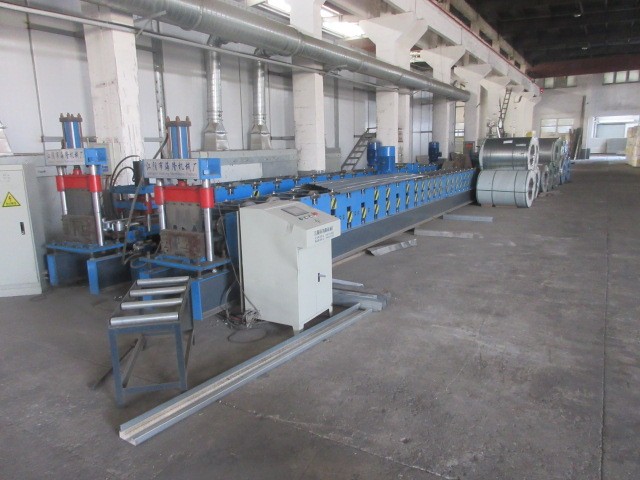
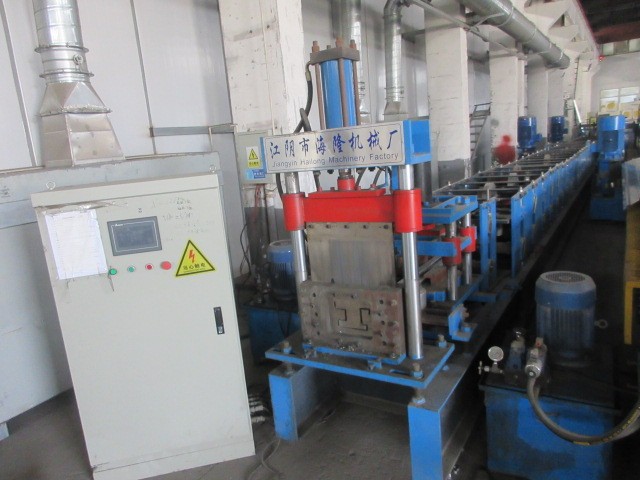
- Automated Production Lines: Utilizing automated CNC cutting, robotic welding machines, and advanced corrosion prevention lines (zinc plating and premium epoxy primers) ensures consistent material performance and lasting durability.
- Deep Modular Integration: Our factory floor manages the integration of multi-layer sandwich panels (polyurethane, rockwool, or glass wool), curtain glass systems, MEP conduits (mechanical, electrical, plumbing), and internal architectural trim. This means Umo House delivers a turnkey building shell that reduces on-site contractor coordination efforts.
Localized Applications and Climatological Engineering
Prefabricated steel structures from Foshan Umo House are engineered to withstand diverse global microclimates and strict regional structural safety regulations. Our design options include:
Seismic and Extreme Wind Mitigation
For regions prone to high-velocity winds or seismic activity, such as Pacific island nations (e.g., our CE Certification Office in Solomon Light Steel Structure) and coastal South America, our structural designs are engineered to absorb lateral forces. By using high-ductility steel alloys and wind-bracing trusses, Umo House structures are rated to withstand seismic events up to magnitude 8 and wind speeds up to 250 km/h.
High-Performance Thermal Envelope Systems
For cold climates in northern Europe and Canada, or extreme heat in the Middle East, our panels incorporate structural thermal breaks and thick insulation cores. This drastically reduces HVAC loads, ensuring compliance with strict regional energy codes such as ASHRAE 90.1 or European Title 24 standards.
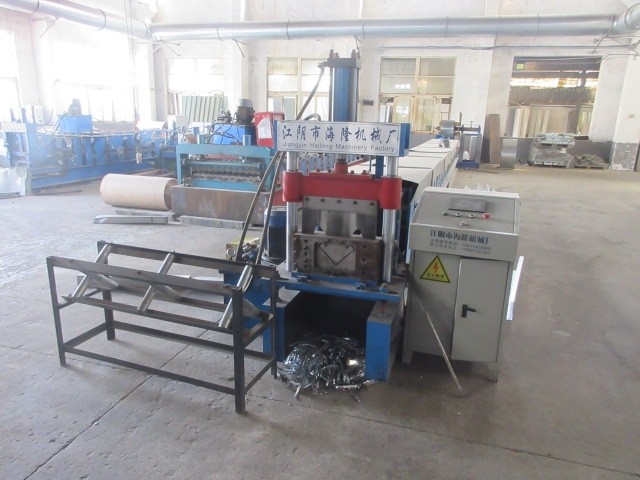
Key Technological Trends Shaping Steel Office Fabrication
Industry standardizations are moving toward circular economy integration and automated system designs. Future projects require smart buildings that optimize lifecycle costs. Key technological trends driving this shift include:
- Decarbonized and Recyclable Structural Integrity: Steel is 100% recyclable. Demolished structural components can be melted down and re-engineered without losing structural properties, matching green procurement initiatives.
- BIM to Fabrication (B2F): Seamless digital integration from the architectural concept directly to CNC machinery minimizes human error and reduces lead times from several months to a few weeks.
- Modular Volumetric Integration: Incorporating prefabricated volumetric spatial units (bathroom pods, utility blocks) into structural steel frames speeds up site finishes.