Explore our specialized products engineered to address extreme clinical, architectural, and geographic requirements globally.
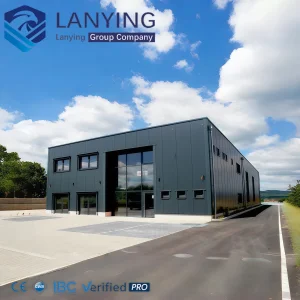
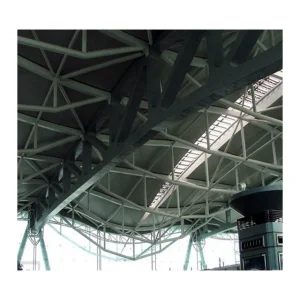
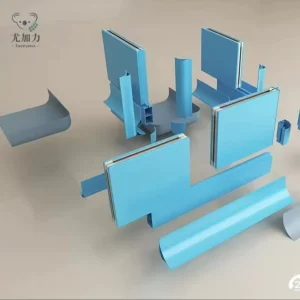
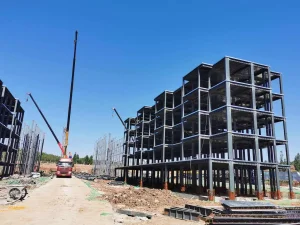
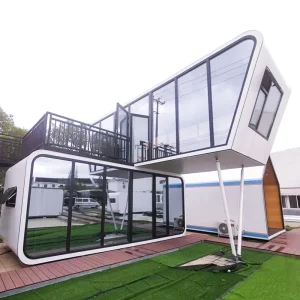
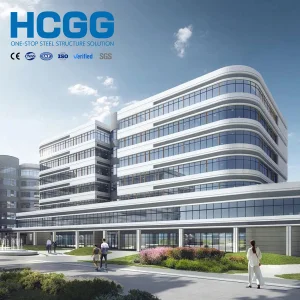
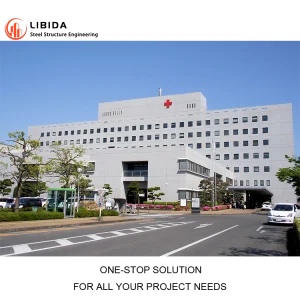
Modern healthcare infrastructure is undergoing a radical transition. Globally, traditional masonry and concrete construction methodologies are proving insufficient to meet the aggressive deployment speeds required in post-pandemic planning, disaster-relief scenarios, and rapidly expanding urban ecosystems. In contrast, heavy and light structural steel solutions present unmatched spatial configuration versatility, exceptional structural load distribution, and structural resilience.
From a macro perspective, the global steel hospital building market is driven by strict public health regulations, the need for seismically resilient healthcare facilities, and a shift toward sustainable building materials. Steel can be recycled indefinitely, aligning directly with LEED and BREEAM certifications. When planning a regional hospital project, stakeholders face constraints including regulatory compliance, environmental parameters, and fiscal viability. Industrial modular steel systems offer predictable timelines, with up to 50% faster completion rates compared to traditional methods.
As a leading supplier, Foshan Umo House Co., Ltd. works closely with architects and engineering contractors worldwide. We manufacture hospital frameworks to withstand geographic challenges, from Category 5 hurricanes in coastal regions to deep-subzero conditions in northern climates. By leveraging structural modeling technologies like Tekla Structures and Autodesk Revit, each modular component is pre-engineered to precision millimeters before shipping.
Designing medical facilities with structural steel requires addressing strict structural criteria. Unlike commercial properties, hospitals house high-value clinical hardware (e.g., MRI machines, CT scanners, surgical tables) that require minimal dynamic vibration, high load-bearing capacities, and compatibility with advanced HVAC shielding systems.
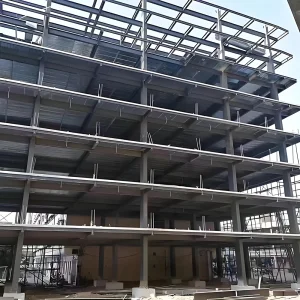
We primarily utilize high-strength structural carbon steel grades, specifically Q355B and Q235B, comparable to ASTM A572 Grade 50 and S355JR under European specifications. These grades offer an optimal balance of yield strength, tensile performance, and weldability. For high-rise healthcare facilities, heavy H-beams form the main frame, ensuring structural integrity and allowing for large column-free spans. This design is crucial for open-concept layouts such as emergency triage areas and modular intensive care units (ICUs).
| Technical Parameter | Specification Details (Standard Offerings) | Compliance Standards |
|---|---|---|
| Structural Steel Grade | Q355B, Q235B, ASTM A572 Gr.50, S355JR | GB/T 1591, ASTM, EN 10025 |
| Corrosion Mitigation | Hot-Dip Galvanizing (min. 275 g/m² up to 600 g/m²) | ISO 1461, ASTM A123 |
| Wall & Roof Insulation | PU (Polyurethane), PIR, Rockwool Sandwich Panels (50mm - 200mm) | EN 13501-1 (Fire Class A1/B-s1-d0) |
| Live Load Tolerance | 2.5 kN/m² to 8.0 kN/m² (Variable based on diagnostic equipment weight) | IBC Chapter 16, ASCE 7 |
| Wind Resistance | Up to 280 km/h (Class 17 Typhoon / Category 5 Hurricane) | GB 50009, Eurocode 1 |
| Seismic Resistance | Grade 8 to 9 Tectonic Impact Rating | GB 50011, ASCE 7, Eurocode 8 |
Industrial medical facilities require a minimum design life of 50 to 100 years. To prevent structural oxidation, all columns, trusses, and purlins undergo hot-dip galvanizing or are treated with high-durability epoxy zinc-rich primer coatings. This treatment ensures long-term resistance to moisture, chemical disinfectants, and ocean salt-spray environments.
Infection control is a critical aspect of hospital building design. Our modular structural systems are designed to accommodate heavy-duty positive and negative pressure HVAC equipment. Built-in routing paths inside steel box columns and ceiling trusses allow for clean air ducts, HEPA filtration units, and medical gas plumbing, avoiding interference with structural components.
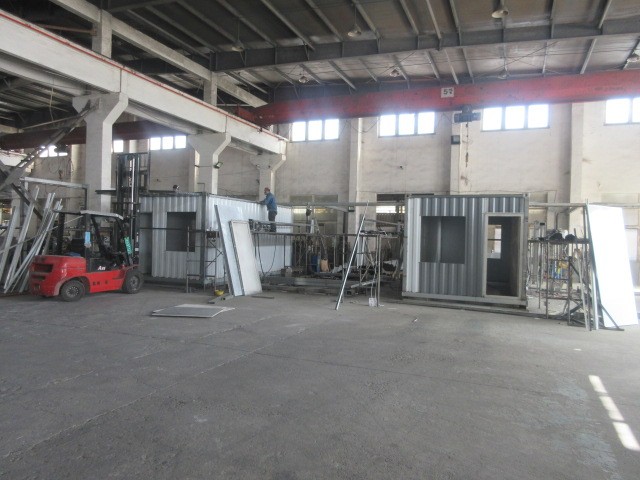
For healthcare systems, speed of construction translates directly to patient-care capacity. Prefabricated modular steel assembly moves up to 80% of the construction phase off-site. The foundation work on-site can proceed concurrently with building fabrication in the factory, reducing project timelines and minimizing community disruption.
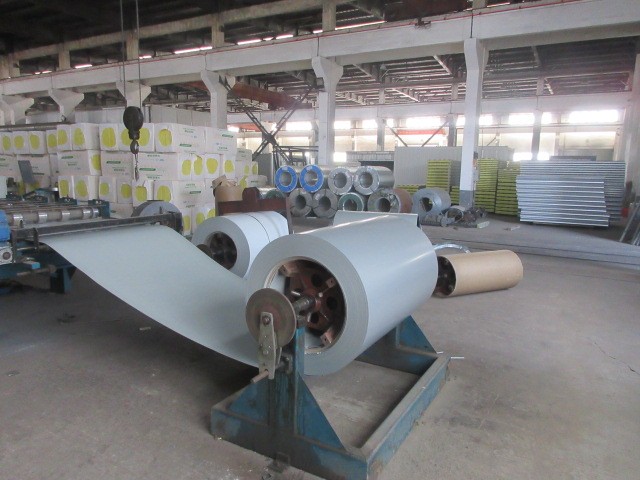
Fabricating modules in a controlled factory environment avoids weather-related delays. On-site installation is completed rapidly using high-strength bolt connections, bypassing concrete curing periods.
Factory fabrication operates under strict ISO 9001 and CE inspection protocols. Continuous welding and computerized beam cutting minimize structural dimensional variance to less than 1.0mm.
Bolted structural steel systems allow for straightforward expansion. If a medical facility needs to add levels or extend wings, our modular systems accommodate structural upgrades with minimal downtime.
Clinical Case Study Highlight: When developing modular ICU wards or clinical triage structures, traditional concrete systems require weeks of setting, wet work, and onsite material staging. With Foshan Umo House modular steel frame units, structural modules arrive pre-wired with thermal Rockwool insulation, pre-plumbed, and ready for rapid onsite anchoring, reducing waste by up to 40%.
Medical buildings are not uniform; they must adapt to regional demographics, micro-climates, and localized operational demands. Our steel building configurations are optimized for five core clinical scenarios:
Every scenario is planned in accordance with patient safety regulations, fire egress routes, and local building codes, ensuring that our structures meet standard municipal code requirements upon arrival on site.
To operate internationally, a steel hospital building must comply with regional regulatory standards. A structural failure in a medical facility during a natural disaster is unacceptable, making structural certification a critical priority. Foshan Umo House Co., Ltd. designs and fabricates its structural systems in accordance with the following international structural codes:
We work closely with third-party testing agencies (such as SGS, Bureau Veritas, and TÜV Rheinland) to conduct weld non-destructive testing (NDT), steel thickness checks, and paint DFT (dry film thickness) verification. Complete documentation is provided with every shipment to support the municipal permitting process.
Foshan Umo House Co., Ltd. is a professional manufacturer specializing in steel structure houses, prefabricated steel buildings, modular housing systems, and customized construction solutions in China. With extensive industry experience and advanced manufacturing capabilities, we provide durable, efficient, and sustainable building solutions for residential, commercial, industrial, and institutional projects worldwide.
Our comprehensive product portfolio includes steel structure houses, prefabricated homes, modular buildings, steel frame villas, portable houses, expandable homes, labor camps, site offices, warehouses, workshops, commercial buildings, schools, hospitals, dormitories, agricultural buildings, and customized steel construction projects. Every solution is engineered to deliver rapid installation, superior structural performance, cost efficiency, and long service life.
At Umo House, we utilize advanced production equipment and precision manufacturing technologies to ensure every component meets strict international quality standards. Our experienced engineering team provides complete OEM and ODM services, supporting customized architectural design, structural calculations, insulation systems, roofing, wall panels, electrical layouts, plumbing, interior finishing, and project-specific requirements.
Built with premium galvanized steel structures and high-performance building materials, our products offer excellent resistance to corrosion, earthquakes, strong winds, and harsh weather conditions. They also provide outstanding thermal insulation, energy efficiency, and low maintenance, making them suitable for both temporary and permanent construction applications.
Our steel structure solutions are widely used in residential communities, commercial complexes, industrial facilities, logistics centers, mining camps, construction sites, tourism resorts, educational institutions, healthcare projects, government infrastructure, and emergency relief programs. We continuously invest in research, product innovation, and manufacturing optimization to meet the evolving needs of global customers.
Today, Foshan Umo House exports its products to Europe, North America, South America, Southeast Asia, the Middle East, Africa, and Oceania, building long-term partnerships with contractors, developers, distributors, and engineering companies around the world.
As a trusted steel structure house manufacturer in China, Foshan Umo House is committed to delivering premium-quality products, competitive pricing, flexible customization, reliable project support, and on-time delivery. We strive to provide innovative modular construction solutions that create lasting value for customers across the global market.
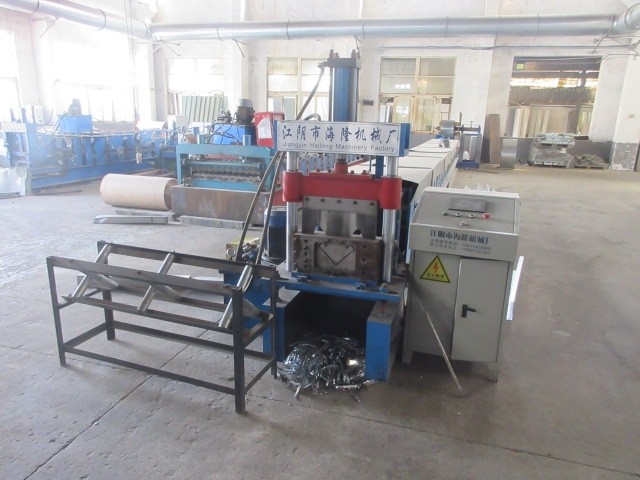
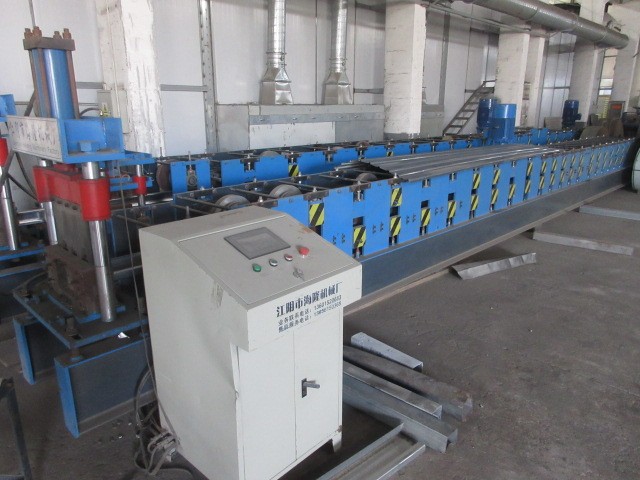
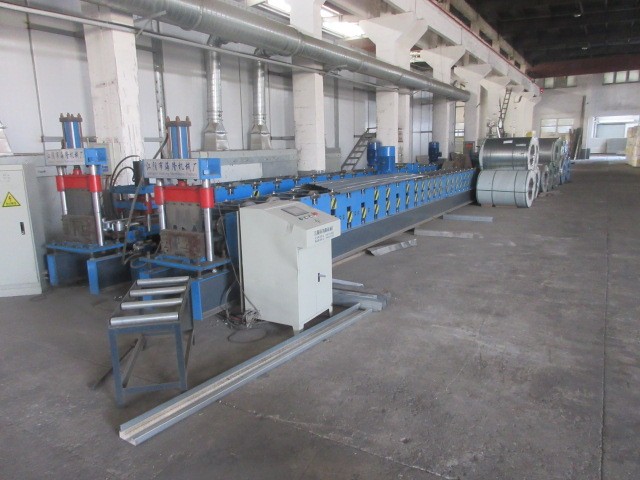
The convergence of building materials science and smart technologies is shaping the future of prefabricated medical facilities. As a forward-thinking manufacturer, Foshan Umo House Co., Ltd. is continuously integrating new technical methodologies into our structural product lines:
By prioritizing speed of assembly, structural durability, and energy efficiency, our modern steel hospital configurations help healthcare systems worldwide remain adaptable to future demands.
Professional engineering and commercial answers to key technical questions on prefabricated steel healthcare construction.
Additional commercial and industrial structural options manufactured by Foshan Umo House Co., Ltd.
 Umo House