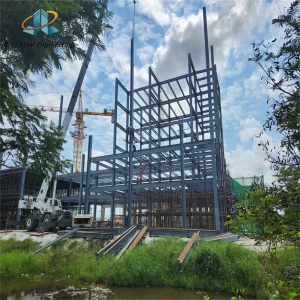
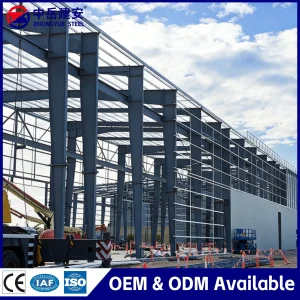
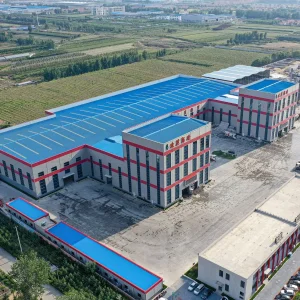
Explore our precision-engineered steel structural frameworks designed for rapid deployment, extreme weather resistance, and architectural flexibility.
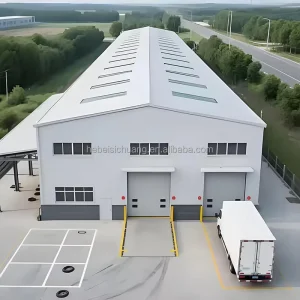
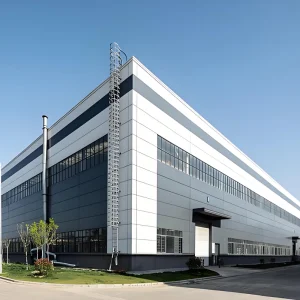
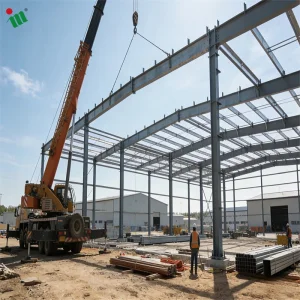
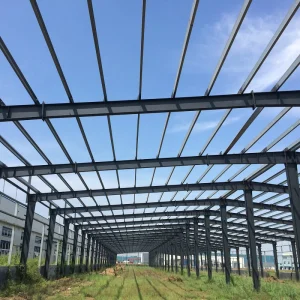
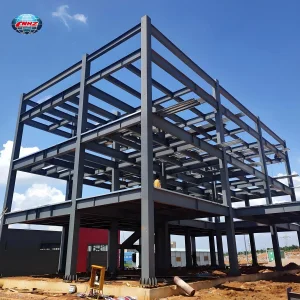
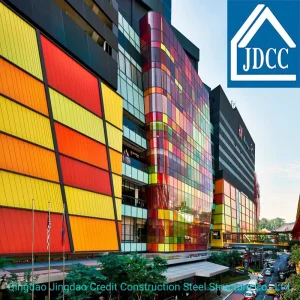
Foshan Umo House Co., Ltd. stands as an authoritative force in the design, engineering, and global manufacturing of steel structure houses, prefabricated steel complexes, and high-performance modular housing systems. Rooted in China's industrial manufacturing heartland, we merge state-of-the-art technological capabilities with strict compliance protocols to output commercial, industrial, and institutional structural systems that serve diverse markets worldwide.
Our strategic vision revolves around delivering turnkey solutions that streamline the path from conceptual architectural rendering to on-site assembly. Utilizing high-strength structural grade steels such as Q235B, Q345B, and S355JR, Umo House engineers structures designed to withstand intense dynamic wind loads, seismic zones, and corrosive industrial atmospheres.
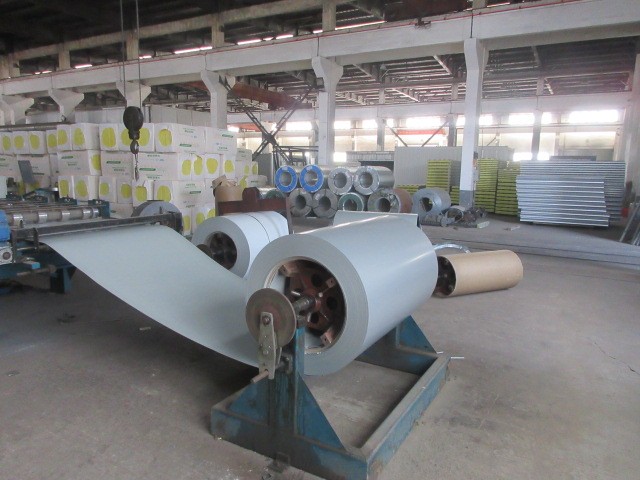
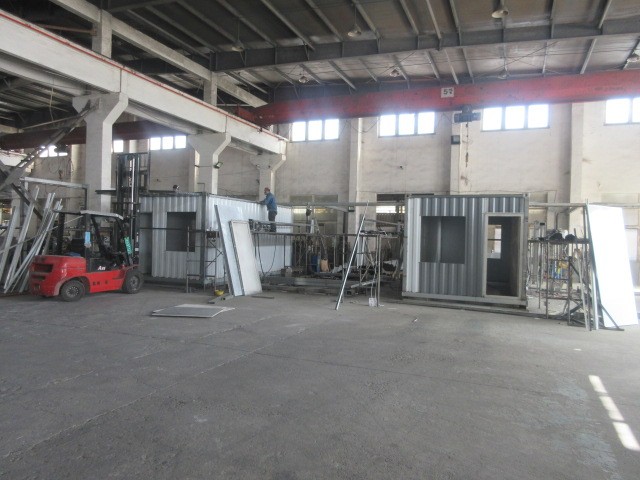
Analyzing the macro-economic shift toward industrialized construction, structural resilience, and decarbonized building lifecycles.
Rapid urban migration and logistical expansion require highly scalable spatial configurations. Prefabricated portal frame and multi-storey modular frameworks allow developers to minimize onsite time, resulting in faster rental yield activation.
Structural stability metrics demand building frameworks that absorb horizontal shear stress. Modern high-tensile steel assemblies exhibit exceptional ductility, deflecting structural strain during seismic activity far superior to traditional concrete.
Modern global logistics require standard interfaces. By manufacturing structural elements compliant with both AISC and Eurocodes, Foshan Umo House ensures seamless mechanical connection and modular structural integration at any destination globally.
In a volatile global economic landscape, developer priorities have transitioned from merely reducing capital expenditures to optimizing lifecycle returns. Conventional concrete builds are heavily plagued by variable curing times, labor shortages, and susceptibility to environmental changes. In contrast, Pre-Engineered Steel Buildings (PEB) represent an industrialized approach where structural members are precision-fabricated off-site, and subsequently bolted together on-site. This cuts the overall build timeline by up to 50% while mitigating weather-induced downtime.
Furthermore, high-grade structural steel is the cornerstone of sustainable construction. It is 100% recyclable, allowing developers to attain LEED and BREEAM certifications. This is critical for modern commercial portfolios targeting institutional investment.
From structural calculations via Tekla to CNC-guided assembly - exploration of Umo House engineering specifications.
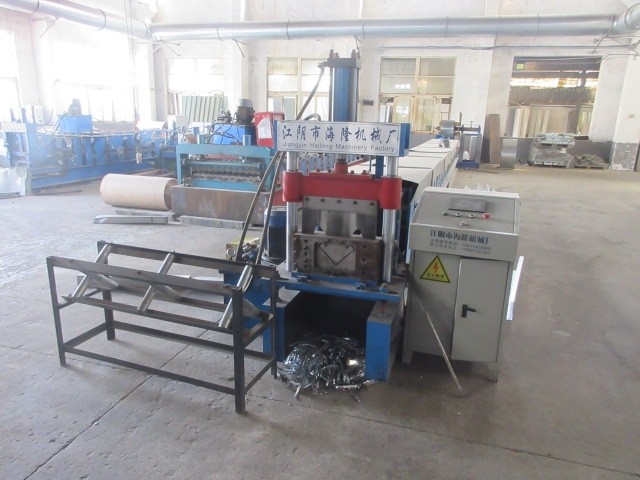
At the core of Foshan Umo House's technical dominance is the implementation of Building Information Modeling (BIM) workflows. Through BIM platforms like Tekla Structures and AutoCAD, our architectural design team coordinates structural, MEP, and envelope models prior to manufacturing. This virtual planning eliminates clashes and guarantees structural tolerances within a range of ±1.5mm.
Discover how the localized production dynamics in Foshan, China translate into uncompromised cost structures and fast project turnaround times.
Foshan Umo House operates within the steel production corridor of Southern China. This provides direct access to primary steel refineries, safeguarding our clients against sudden global raw material market volatility.
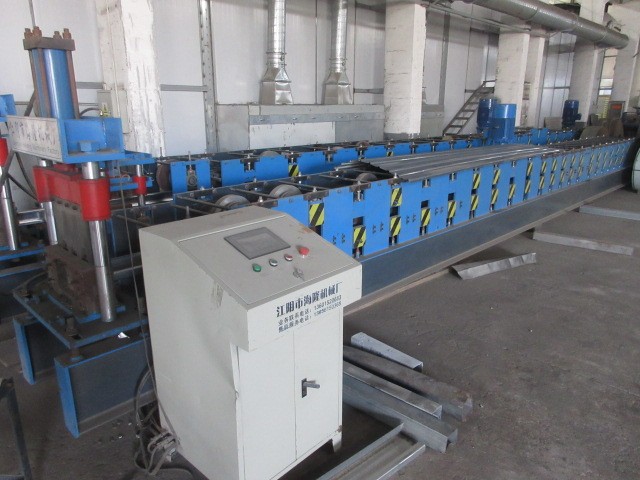
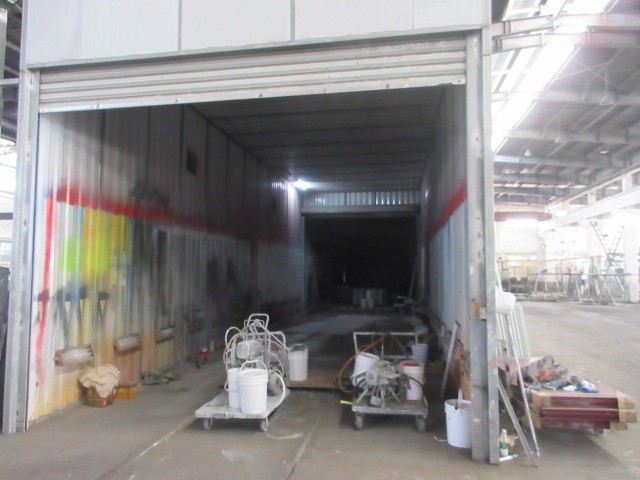
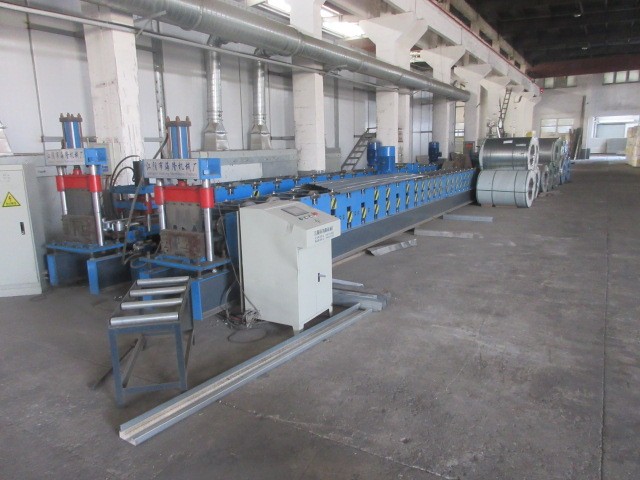
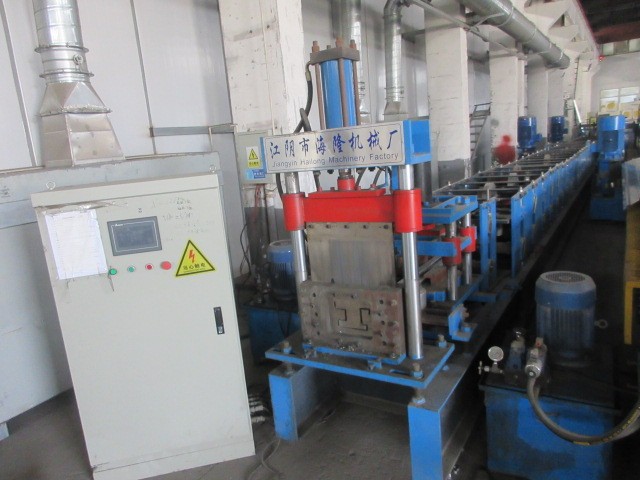
Our production facilities host multi-station welding arrays and CNC steel plate plasma cutters. We process custom requirements, accommodating complex portal frame spans and multi-storey layouts effortlessly.
Strategically situated near the major shipping hubs of Guangzhou and Shenzhen, we package all prefabricated components in sea containers. This structure significantly reduces transit risk and logistics costs.
China's manufacturing scale is complemented by localized supply cluster effects. By centralizing operations in Foshan, Foshan Umo House coordinates engineering design, structural fabrication, galvanization, wall cladding production, and quality control under a single operational umbrella. This mitigates coordination friction typically observed when sourcing from fragmented suppliers, guaranteeing consistent performance across all deliverables.
From extreme weather zones to remote mining facilities, exploring how modular design meets diverse local requirements.
Modern shopping complexes demand open space layout design options. Our large-span portal frames offer column-free spans exceeding 36 meters, maximizing indoor floor space utilization and giving retail architects complete creative freedom.
High-bay logistics warehouses require exceptional floor load tolerances and standard frame connections. Our steel structural designs support overhead gantry crane tracks (ranging from 5 to 25 tons) and mezzanine floor decks.
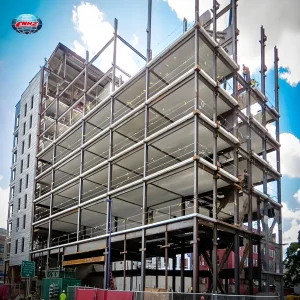
Rapid emergency hospital and educational campus builds rely heavily on quick assembly. Using prefabricated lightweight steel modular units, assembly teams can construct robust multi-story institutional structures within weeks.
Navigating global structural design codes to guarantee trouble-free municipal approvals.
A key obstacle in importing prefabricated steel structures is securing local structural engineering approvals. Foshan Umo House eliminates this hurdle by designing frameworks that align with local engineering standards. Whether your project demands compliance with the International Building Code (IBC), Eurocode 3 (Design of steel structures), British Standards (BS), or Australian Standards (AS/NZS 1170), our engineers run structural calculations based on local wind speeds, seismic parameters, and snow loading requirements.
Every structure shipment leaves our warehouse accompanied by detailed structural calculation books, mill certificates for the steel plate raw materials, and precise 3D erection drawings. This comprehensive documentation simplifies the validation process by local structural engineers, saving you valuable time and money.
Get answers to the most common questions regarding structural steel building fabrication, engineering, and logistics.
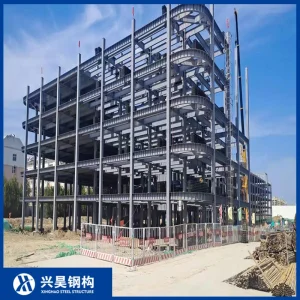
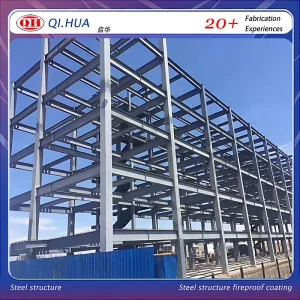
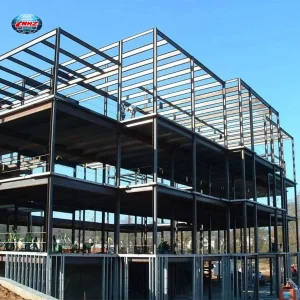
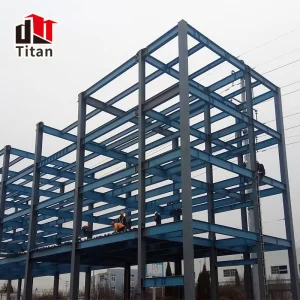
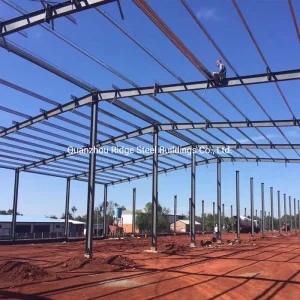
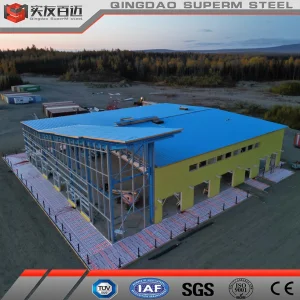
Discover our advanced structural range, featuring high-rise configurations, insulated portal frame systems, and custom modular solutions.
 Umo House