How to Determine if Steel Structure Houses are Safe?

Time:2026-07-03 Author:Henry
0%

In recent years, steel structure houses have gained popularity due to their durability and resilience, yet concerns about safety remain. According to a report by the Steel Construction Institute, 80% of structural failures result from design or construction errors, rather than materials. This raises the critical question: are steel structure houses safe?

Dr. Emily Carter, a renowned structural engineer, emphasizes the importance of rigorous safety standards. She stated, "While steel is inherently strong, the safety of a structure relies heavily on proper design and execution." Her insight underscores the necessity of professional expertise in assessing safety in steel construction.

Potential issues like rust and thermal expansion can compromise the integrity of steel structures. Regular inspections are vital. Homeowners should seek certified inspectors to ensure compliance with safety regulations. Evaluating the qualifications of contractors is equally crucial. Ultimately, the safety of steel structure houses hinges on informed decisions and continuous maintenance.
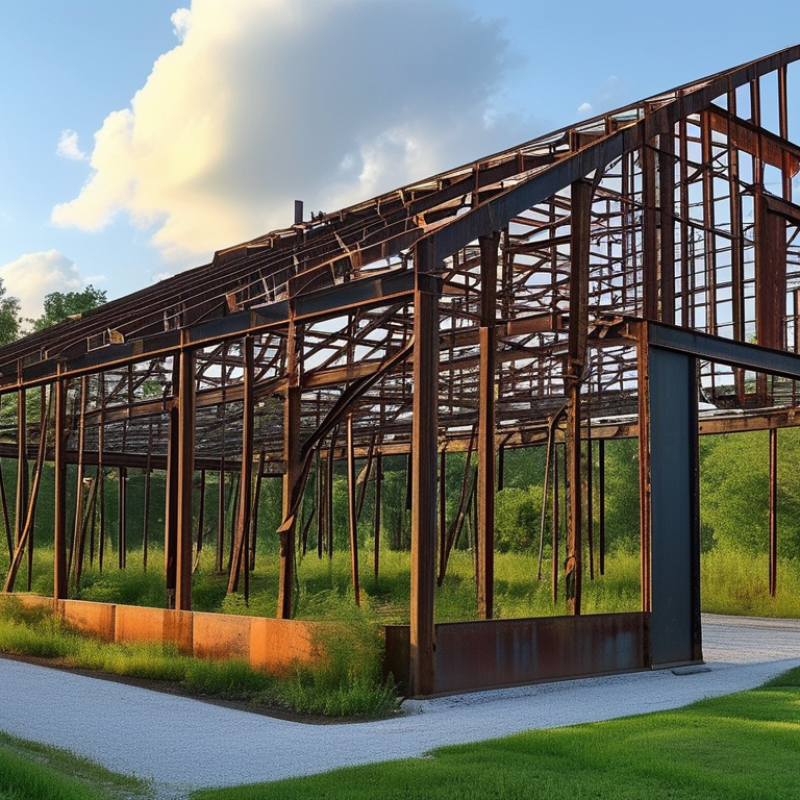
How to Determine if Steel Structure Houses are Safe?

Understanding the Basics of Steel Structure Houses

Steel structure houses have gained popularity for their modern design and durability. Understanding the basics is crucial. These houses primarily use steel frames that provide strength and flexibility. Unlike traditional wood, steel can withstand harsh weather conditions. This makes it ideal for various climates.

The safety of steel structure houses often depends on their design and construction. Proper engineering is essential to ensure stability. Additionally, quality materials can enhance safety. Regular maintenance checks help identify potential issues early. Remember, while steel offers resilience, it can corrode if not properly treated.

Investing in professional inspections is wise. Experts will assess structural integrity and compliance with standards. The overall safety of your home relies on these assessments. Exploring the basics of steel structures can lead to informed decisions. Each detail matters in ensuring a secure living environment.

Assessing the Design and Engineering Standards

When assessing the safety of steel structure houses, examining design and engineering standards is crucial. Proper engineering ensures that homes can withstand various stresses, such as wind and earthquakes. This involves adhering to specific codes and regulations. For instance, structural integrity is measured through load calculations and material specifications. Engineers often analyze stress points and potential failure modes. This step is vital for ensuring long-term durability.

Additionally, the selection of materials plays a significant role. Steel needs to be treated to resist rust and corrosion. Engineers must consider the local climate when choosing coatings and treatments. Testing for these materials should meet industry benchmarks. It’s important to reflect on whether these standards are consistently applied. Some projects may overlook essential inspections, raising concerns about safety.

Regular evaluations are also necessary. Age and wear can affect a steel structure's performance. Homeowners should conduct inspections periodically. They should look for signs of degradation, like rust spots or structural cracks. A lack of attention to these details can lead to bigger issues. Understanding these aspects fosters a deeper awareness of safety in steel structure homes.

Evaluating Material Quality and Durability

Evaluating the quality and durability of materials in steel structure houses is crucial. According to a study by the American Institute of Steel Construction, steel framing can perform exceptionally well in various environmental conditions. Structures constructed from high-strength steel exhibit resilience against natural disasters. However, it’s essential to ensure that the materials sourced meet industry standards. Not all steel is created equal, and poor-quality steel could compromise safety.

A report from the National Institute of Standards and Technology highlights that corrosion resistance is vital for longevity. Galvanized steel, for instance, significantly outperforms standard steel in terms of durability. Proper coatings can enhance resistance to weather conditions, ultimately preserving structural integrity. Many builders overlook this detail, which can lead to long-term issues.

Regular inspections are necessary to evaluate material wear over time. Inspections should pay close attention to joints and connections, where failures often begin. The resilience of a steel structure relies not only on the initial material quality but also on its ongoing maintenance. Ignoring these factors may result in serious structural failures, raising significant concerns about safety.

Evaluating the Safety of Steel Structure Houses: Material Quality and Durability

Conducting Structural Integrity and Safety Inspections

When it comes to steel structure houses, safety is paramount. Conducting structural integrity and safety inspections is key to ensuring these homes remain secure and durable. Inspectors should look for signs of corrosion, which can weaken the steel over time. Visual assessments are crucial; the inspector must check welds and joints for any visible faults. Hidden damage can lurk beneath the surface, making thorough inspections essential.

Regular maintenance also plays a vital role in safety. Homeowners must remain aware of potential issues such as rust or dents. Even minor imperfections can lead to bigger problems down the line. Calibration of tools and equipment used during inspections is important, as inaccurate readings can mislead homeowners about their property's condition.

Training and experience should not be overlooked. Inspectors must be well-versed in the specifics of steel structures. Their expertise will help them identify subtle indicators of structural integrity failures. Documenting safety inspections diligently can provide a useful reference for future assessments. While steel is often praised for its strength, it’s not invincible; diligent inspections can help reveal underlying issues that require attention.

Reviewing Regulatory Compliance and Building Codes

When considering the safety of steel structure houses, regulatory compliance is crucial. Building codes dictate design standards. Adhering to these codes ensures structures can withstand various stresses, including seismic and wind loads. According to the International Code Council (ICC), compliance with local regulations can significantly reduce risk.

The American Institute of Steel Construction (AISC) emphasizes regular inspections to maintain structural integrity. Compliance checks should cover both materials and construction practices. Failure to meet these standards can lead to vulnerabilities that may not be evident initially.

Not all builders prioritize adherence to these codes. It’s essential to verify a contractor's knowledge of local regulations. Reports indicate that non-compliance can result in costly repairs or unsafe conditions. Ensuring that a steel structure house meets all regulatory requirements helps maintain safety and reliability in the long term.

How to Determine if Steel Structure Houses are Safe? - Reviewing Regulatory Compliance and Building Codes

Criteria Standard/Regulation Compliance Status Notes
Structural Integrity ASTM A36 Compliant Material meets strength requirements
Fire Safety NFPA 5000 Pending Awaiting fire safety inspection
Seismic Design IBC 2021 Compliant Designed for seismic activity
Energy Efficiency IECC 2021 Compliant Insulated to code standards
Wind Resistance ASCE 7-16 Pending Testing in progress

FAQS

: Why are design and engineering standards important for steel structure houses?

: They ensure homes withstand stresses like wind and earthquakes, maintaining safety and durability.

What should engineers analyze when assessing a steel structure?

They should look at stress points, load calculations, and potential failure modes to ensure structural integrity.

How does material selection affect steel structure safety?

Choosing the right materials helps resist rust and corrosion, essential for longevity and safety.

What should homeowners inspect regularly in their steel structures?

They should check for rust, structural cracks, and signs of degradation to prevent larger issues.

What role do coatings play in steel durability?

Proper coatings enhance resistance to weather, significantly extending the life of the structure.

How can overlooked inspections impact a steel structure?

Neglecting necessary inspections can lead to undetected problems, ultimately compromising safety.

Why is corrosion resistance important for steel?

It ensures the longevity of structures, as rust can weaken steel over time and lead to failures.

What factors contribute to effective structural inspections?

Thorough visual assessments, calibration of tools, and inspector expertise are all critical for accurate evaluations.

How can minor imperfections affect a steel structure?

Small issues like dents or rust can escalate, potentially leading to significant structural failures.

What should be documented during safety inspections?

Detailed records provide a valuable reference for assessing ongoing conditions and future maintenance needs.

Conclusion

When considering whether "are steel structure houses safe," it's crucial to understand several foundational aspects. First, one must grasp the basics of steel structure houses, including their design principles and engineering standards. High-quality materials are essential for durability, and the structural integrity must be continuously assessed through thorough safety inspections.

Furthermore, regulatory compliance and adherence to building codes play pivotal roles in determining safety. These elements work together to ensure that steel structure houses can withstand environmental stresses and provide a secure living environment for occupants. By carefully evaluating these factors, homeowners and builders can confidently assess the safety of steel structure houses.

Henry

Henry

Henry is a dedicated marketing professional with a profound expertise in the company's offerings. With years of experience in the industry, he possesses an impressive understanding of the market dynamics and consumer behaviors that drive success. Henry is committed to sharing his insights through......