In a rapidly evolving construction landscape, one question prevails: how are steel structure houses built efficiently? This query is vital for architects and builders alike. Experts like David Thompson, a leading architect in steel construction, shed light on this topic. He states, "Efficiency is the backbone of modern steel house design."
Steel structures promise durability and speed. Yet, achieving efficiency in their construction requires careful planning and execution. The process begins with precise engineering designs. Advanced software tools simulate potential issues, ensuring minimal delays. Furthermore, the prefabrication of components allows for quicker assembly on-site.
However, challenges remain. Misestimating material costs can lead to budget overruns. Skilled labor shortages may also impact timelines. Continuous evaluation of these processes is essential. As the industry evolves, ongoing discussions about how are steel structure houses built will shape the future of construction.
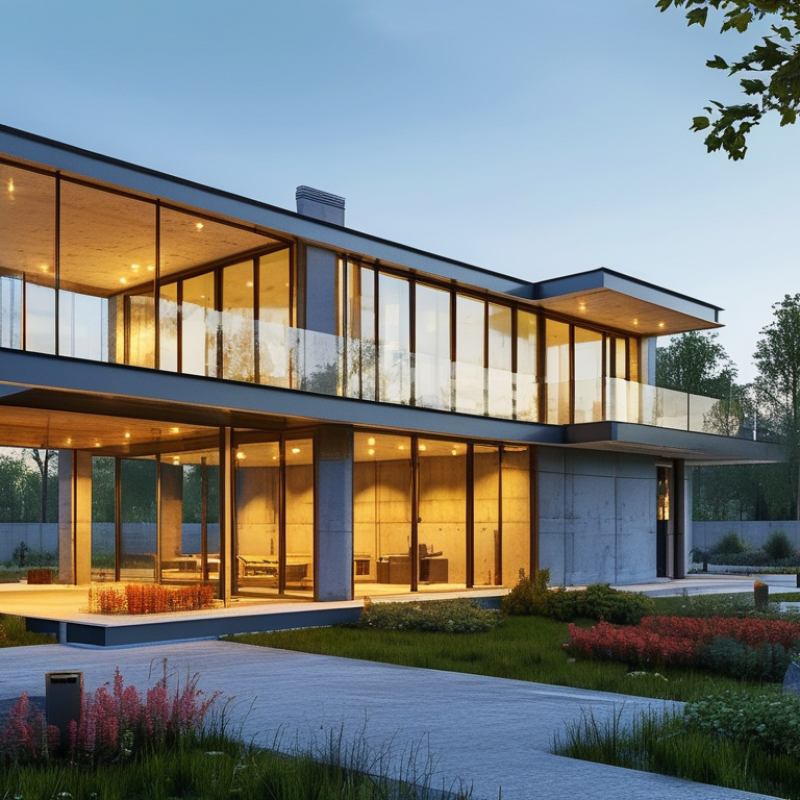
Steel structures in house construction offer durability and design flexibility. Various types of steel structures are employed to address specific building needs. A popular option is the steel frame. Steel frames provide a strong skeleton for houses, allowing for open floor plans. This design minimizes walls and maximizes living space.
Another type is the steel shell structure. This method uses thin steel sheets to create a lightweight shell. The result is an efficient design that minimizes material use. Steel shell houses can be fabricated off-site and assembled quickly. However, design may be limited by the curvature of the shell.
The last type to consider is modular steel construction. This involves pre-fabricated sections that are transported to the site. It boosts efficiency and reduces labor costs. However, careful planning is needed for transport and assembly. Builders must ensure connections are secure. Overall, each steel structure type has unique benefits and challenges to consider for efficient house building.
Steel structure houses are becoming popular due to their efficiency in building and durability. One major benefit is their quick assembly. Prefabrication techniques allow components to be manufactured off-site and then assembled on location. This reduces construction time significantly. Assembling a house can take weeks rather than months, saving time and labor costs.
Another advantage lies in their strength and resilience. Steel is resistant to various environmental factors, such as termites and extreme weather. This durability leads to lower maintenance costs over time. Homeowners can feel more secure knowing their structure can withstand harsh conditions.
Efficiency also comes from the sustainable aspect of steel. Recycled materials are often used, leading to less waste. However, not all builders have adopted these methods. There is room for improvement in promoting sustainable practices in construction. Addressing these gaps ensures that advantages of steel structure homes are recognized and expanded upon.
When designing steel structure houses, it's essential to follow a systematic approach. The first step is to assess the land and local building codes. Understanding soil conditions and climate can influence structural decisions. Accurate assessments lead to a robust design that meets safety standards.
Next, create detailed architectural plans. This phase involves sketching layouts and considering space optimization. Think about how natural light enters and how rooms flow into each other. Each choice affects functionality and aesthetics.
Here are some practical tips: Incorporate pre-fabricated materials to reduce construction time. This method minimizes waste and enhances efficiency. It’s valuable to collaborate with experienced engineers. Their insights can highlight potential design flaws early on.
After finalizing the design, focus on selecting the right steel components. Quality materials ensure durability and resistance to weather. Make sure to consider the environmental impact of your choices. A sustainable approach can significantly enhance the overall value of the house.
The efficient construction of steel frame homes relies on several key techniques. Modular construction is becoming increasingly popular. Pre-fabricated steel components are manufactured off-site. This reduces on-site labor, speeding up the building process. Workers assemble sections quickly, minimizing time delays. Accurate planning is essential. Each piece must fit precisely, preventing costly mistakes.
Another technique is the use of advanced technology. 3D modeling aids in visualization and coordination. Builders can identify potential issues before construction begins. Drones can survey sites quickly, expediting progress. Virtual reality helps clients view designs in immersive formats. Such tools enhance communication and precision throughout the project.
However, challenges remain. Weather can delay assembly, disrupting schedules. Even with advanced techniques, unexpected site conditions may arise. Builders must remain flexible. Adjusting plans quickly is crucial to maintain efficiency. Continuous learning and adaptation from past projects improve future efficiency. This ever-evolving process keeps construction innovative and responsive.
| Construction Technique | Description | Advantages | Considerations |
|---|---|---|---|
| Prefabrication | Components are manufactured off-site and assembled on-site. | Reduced construction time, lower labor costs, and less waste. | Requires thorough planning and logistic coordination. |
| Modular Construction | Pre-made modules are transported and assembled to form a complete structure. | Speedy assembly, consistent quality, and flexibility in design. | Limited in customization and may have transportation constraints. |
| Lean Construction | Focuses on minimizing waste and maximizing value through efficient resource management. | Enhanced project delivery, cost savings, and increased collaboration. | Requires a cultural shift in the organization and continuous improvement mindset. |
| Steel Frame Structures | Steel frames provide a strong structural support, allowing for flexible layouts. | Durability, fire resistance, and reduced construction footprint. | Requires careful design to manage thermal and acoustic insulation. |
| Advanced Scheduling | Use of software tools to optimize project timelines and resource allocation. | Improved workflow, proactive conflict resolution, and better team coordination. | Dependent on accurate data input and stakeholder engagement. |
Steel structure houses are gaining attention for their resilience and longevity. One significant advantage is their sustainability. Steel is a recyclable material, significantly reducing waste. When a steel structure is no longer needed, it can be repurposed, minimizing its environmental impact. This aspect appeals to eco-conscious homeowners seeking efficient living solutions.
Maintenance of steel homes is another crucial factor. While steel is robust, it can corrode if not treated properly. Regular inspections are essential to identify any rust early. Homeowners may overlook this aspect, leading to higher future costs. Moreover, the initial installation can be more expensive, but the long-term savings in maintenance often make it worthwhile.
Even though steel structures are efficient, there are challenges. Not all local builders may have experience with steel construction. This could lead to inadequate workmanship, impacting overall durability. Homeowners should conduct thorough research before selecting a builder. Investing time in this phase can enhance the overall outcome of the project.
: Steel structure houses can be quickly assembled. Prefabrication helps reduce construction time significantly.
Steel is strong and resilient. It withstands extreme weather and pests, lowering maintenance costs.
Yes, steel is recyclable. Using recycled materials minimizes waste, making these homes eco-friendly.
Modular construction and 3D modeling improve efficiency. They reduce labor and enhance project coordination.
Weather can cause delays, and unexpected site conditions may occur. Builders must adapt quickly to stay on track.
Regular inspections are essential to catch rust early. Ignoring maintenance can lead to higher costs later on.
Installation can be pricier than traditional options. However, long-term maintenance savings often justify the expense.
Local builder experience matters. Inadequate workmanship could impact the durability of the structure.
Conducting thorough research on builders is crucial. Investing time here can improve the overall project outcome.
Yes, tools like drones and virtual reality enhance communication and project planning, ensuring a smoother process.
Steel structure houses are built efficiently by employing various types of steel structures, which offer significant benefits over traditional building methods. These homes utilize steel frames that provide greater strength and durability, allowing for quicker construction timelines. Key benefits include reduced material waste and enhanced design flexibility, which contribute to an overall more efficient building process.
The step-by-step design process for these houses starts with careful planning and engineering, followed by the use of advanced techniques that ensure precision and speed during construction. Implementing modern construction methods, such as prefabrication, further streamlines the building process, allowing for rapid assembly on-site. Additionally, considerations for sustainability and long-term maintenance make steel structure houses an attractive option for modern living. Overall, understanding how are steel structure houses built is essential for maximizing efficiency and resilience in home construction.
Umo House