In 2026, the construction of steel houses is expected to become more prevalent. This shift raises a crucial question: what foundation is required for a steel house? According to a recent industry report by the National Association of Home Builders, proper foundational support is vital for structural integrity. Experts suggest that a reinforced concrete slab provides the necessary stability for these innovative structures.
Dr. Emily Hart, a noted civil engineer, emphasizes the importance of foundation choices. She states, "The foundation is not just a base; it determines the longevity and safety of the entire structure." Factors such as soil type, climate, and local regulations will significantly impact foundation selection. Builders must adapt to these variables to ensure durability.
Additionally, many builders overlook the complexities in foundation design. An ill-suited foundation can lead to issues like water intrusion and structural failure. The industry must prioritize education on foundational requirements for steel houses. As trends shift toward modern building materials, understanding what foundation is required for a steel house will be essential for successful construction.
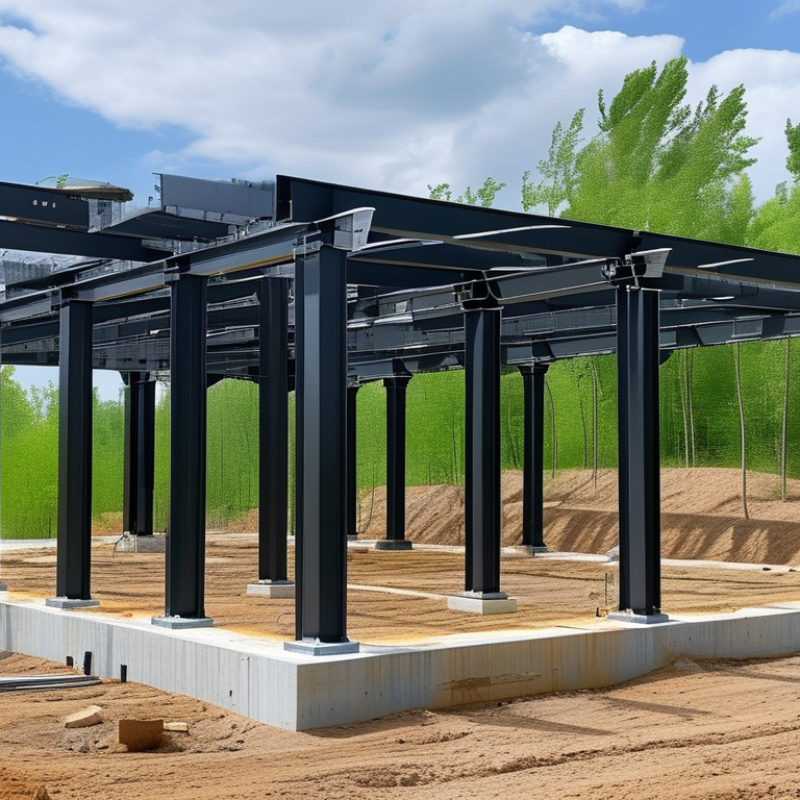
When considering the foundation for a steel house in 2026, several types will be relevant. A common choice is a concrete slab foundation. This option provides a solid base that can support the weight of the structure. It's essential to ensure the ground is properly leveled before laying down the slab. Uneven ground can lead to structural issues over time.
Another option is a pier foundation, which consists of concrete piers that elevate the house above the ground. This type can be beneficial in areas prone to flooding. However, installation can be complex. It's crucial to assess soil conditions to avoid future mishaps. Additionally, a crawl space foundation might be appropriate for some designs. This type allows for easier access to plumbing and electrical systems, but it may require regular maintenance to prevent moisture buildup.
When choosing a foundation type, consider the environmental impact and cost-effectiveness. Each foundation has its pros and cons, and it’s vital to consult a professional. They can guide you based on your specific needs and local regulations. Improper selection could lead to expensive repairs later. Conducting thorough research and planning is key to safeguarding your investment.
Soil properties play a crucial role in determining the foundation requirements for a steel house. Engineers consider the load-bearing capacity of the soil to ensure stability. According to the American Society of Civil Engineers (ASCE), a minimum load-bearing capacity of 1500 psf is often recommended. Soil strata can vary significantly even within small areas. Understanding this variability is key.
Soil types directly influence foundation design. Cohesive soils, like clay, expand when wet and shrink when dry. This behavior can lead to foundation movement. On the other hand, granular soils, such as sand, offer better drainage and stability. The National Foundation Repair Association notes that improper soil assessment can increase foundation repair costs by 20% to 30%. Regular soil testing should guide the design process.
Ignoring soil considerations can result in inadequate support for the steel structure. For instance, a foundation designed without soil assessment might lead to costly settlement issues. Engineers often recommend Geotechnical investigations to analyze soil properties deeply. Data-driven decisions ensure long-term stability. In 2026, understanding the nuances of soil behavior will be more critical than ever.
In 2026, choosing the right foundation for a steel house is crucial. Concrete footings and steel footings are popular options. Each has distinct advantages and disadvantages. Concrete footings are typically stronger and can handle heavy loads. They also provide stability and durability. However, they often come with a higher upfront cost and longer curing times.
Steel footings are lighter and easier to install. They can be a cost-effective choice for some projects. Yet, they may not offer the same level of support as concrete. Additionally, steel can be prone to rust under certain conditions. This could lead to maintenance issues down the line. The decision between concrete and steel footings requires careful evaluation of site conditions and building requirements.
Ultimately, construction professionals must assess the specific needs of each project. They should consider factors like load-bearing requirements and environmental impacts. Each choice carries potential risks that require reflection and adjustment. Weighing these elements will help ensure a solid foundation for a steel house.
When planning a steel house, the foundation is crucial. A solid foundation supports the structure's weight and ensures durability. In seismic areas, the foundation must resist lateral forces. Engineers recommend deep foundations, such as piles or caissons. These can anchor the house securely to the bedrock.
Wind resistance is another consideration. The foundation must be designed to withstand strong winds. This often involves using reinforced concrete. An elevated foundation can also prevent flood damage. Soil quality plays a significant role. Loose or sandy soil may not provide adequate support. Testing soil samples is essential for any construction project.
Choosing the right foundation requires expert insight. Local building codes and geographic conditions must be considered. There’s no one-size-fits-all solution. Each project demands a tailored approach. It’s wise to consult with structural engineers. They can provide valuable guidance.
As we look towards 2026, the foundation technology for steel houses is evolving rapidly. Innovations, such as 3D-printed foundations, are gaining traction. According to a report from the International Association for the Advancement of Innovative Construction, 3D printing can reduce foundation costs by up to 30%. This method allows for greater customization and less waste during construction.
Another emerging trend is the use of modular foundations. These prefabricated systems can be quickly installed and adjusted according to building requirements. A study from the Global Construction Insights shows that modular foundations can cut construction time by nearly 50%. However, there are challenges. Quality control remains a concern with off-site production. This can impact the structural integrity of steel houses if not managed correctly.
Smart foundation technologies are also on the rise. They use sensors to monitor settlement and moisture levels in real-time. The National Institute of Building Sciences reports that these smart foundations can improve long-term performance and sustainability. Yet, the investment in such technology can be daunting for smaller builders. Balancing innovation with practicality will be crucial for wide adoption. As the landscape for steel house construction changes, the foundations we choose will reflect these shifts in technology and strategy.
| Foundation Type | Material | Load Capacity (tonnes) | Installation Time (days) | Cost Estimate ($) | Sustainability Rating |
|---|---|---|---|---|---|
| Pier Foundation | Concrete | 20 | 5 | 7500 | B |
| Slab Foundation | Reinforced Concrete | 30 | 7 | 9500 | A |
| Raised Foundation | Steel and Concrete | 25 | 10 | 8000 | A- |
| Houses on Pilings | Wood and Concrete | 15 | 6 | 7000 | B+ |
| Basement Foundation | Concrete | 40 | 15 | 12000 | A+ |
: Load-bearing capacity refers to how much weight the soil can support. A minimum of 1500 psf is often advised.
Soil properties are essential for foundation design. Variability can affect stability and lead to costly repairs.
Ignoring soil can result in inadequate support. This may cause foundation settlement issues down the line.
Concrete footings are strong and stable but costly. Steel footings are lighter and cheaper but may lack support.
Technologies like 3D printing can reduce costs and waste. However, they require careful quality control.
Modular foundations are prefabricated and can be installed quickly. They can save time but may have quality issues.
Smart foundations use sensors to monitor conditions. They can enhance sustainability but might be costly for smaller builders.
Cohesive soils, like clay, can cause movement. Granular soils, like sand, provide better drainage and stability.
They must evaluate load-bearing needs, site conditions, and potential environmental impacts for the best choice.
While they offer advantages, they also bring challenges like quality control and financial feasibility for various builders.
As the construction landscape evolves, understanding "what foundation is required for a steel house" in 2026 becomes crucial for builders and homeowners alike. Various foundation types are available, each providing unique benefits tailored to the specific needs of steel structures. Considerations like soil bearing capacity and stability play a critical role in foundation selection, ensuring that the building can support its weight effectively.
Furthermore, analyzing concrete versus steel footings reveals distinct differences in strength and cost implications. With the increasing need for resilience against seismic and wind forces, foundation requirements for steel houses are adapting, incorporating innovative technologies that pave the way for more efficient construction methods. This comprehensive overview sheds light on the foundational strategies that will shape the future of steel housing.

Umo House