Maintaining a steel structure house in 2026 requires more than removing surface rust. It requires disciplined observation, accurate records, and timely repairs. The key question is simple: what maintenance do steel structure houses require? Owners should examine roof edges, gutters, flashing, wall joints, fasteners, welds, and protective coatings. Small defects can become expensive when water remains trapped against steel.
The AMPP/NACE IMPACT study estimated that corrosion costs the global economy about 3.4% of gross domestic product. It also reported that 15–35% of corrosion costs could be avoided through better prevention and management. These figures explain why a peeling coating or blocked gutter deserves attention. ISO 12944 provides widely recognized guidance for protecting steel against corrosion, including coating selection and environmental exposure. Local climate matters. Coastal salt, industrial pollution, freeze-thaw cycles, and persistent humidity can change inspection intervals.
The 2024 Global Status Report for Buildings and Construction, published by UNEP and the GlobalABC, states that buildings consumed about 32% of global energy in 2022. Efficient maintenance supports durability, comfort, and responsible resource use. Check condensation around cold steel surfaces. Look for rust staining beneath roof connections. Test doors and windows after heavy rain.
No checklist is perfect. Human judgment still matters. A qualified structural engineer should assess suspected section loss, distorted members, fireproofing damage, or movement. This guide explains practical inspection routines, coating care, drainage control, and repair decisions for steel structure houses in 2026. It is evidence-informed, but each building still needs a site-specific maintenance plan.
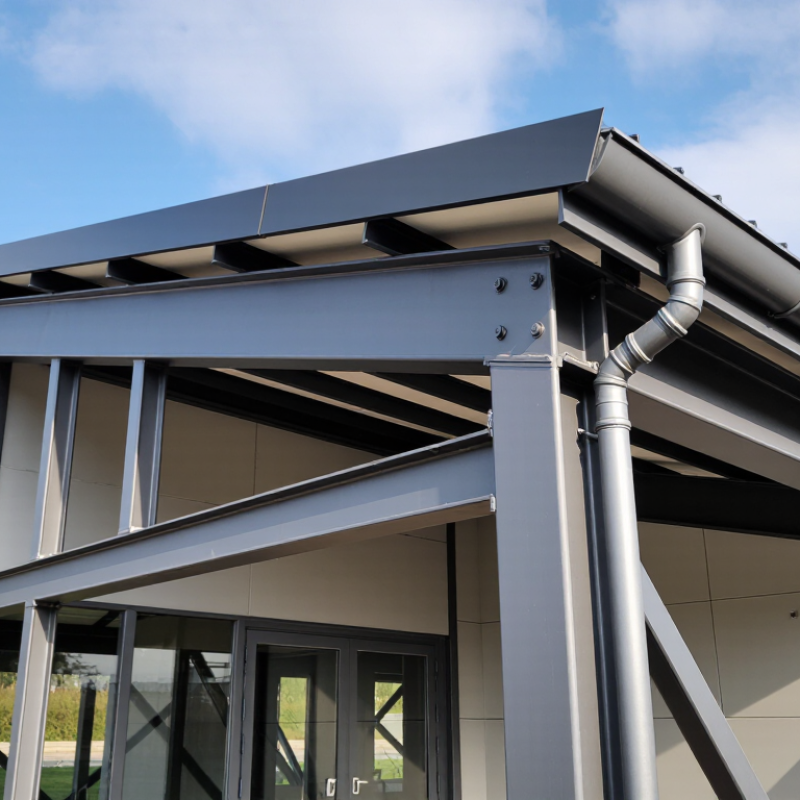
Steel structure houses rely on several connected systems, not just a steel frame. Primary columns, beams, and bracing carry gravity and wind loads. Secondary purlins and girts support the roof and wall panels. Bolts, welds, anchor plates, and foundations transfer forces into the ground. Insulation, membranes, flashings, and cladding control heat and moisture. Each component needs a different inspection approach.
Start with visible steel and connection points. Look for bubbling paint, red rust, damp insulation, loose bolts, and distorted panels. Pay close attention to roof penetrations and wall bases. Water often hides behind trim. AMPP’s IMPACT study estimates global corrosion costs at about 3.4% of global GDP, or roughly 2.5 trillion dollars annually. That figure supports early coating repairs, although it does not predict every house’s risk. A 2024 World Steel Association report also confirms steel’s strong recycling value, but recycled content does not prevent corrosion during service. Annual inspections are sensible, yet coastal homes may need checks every six months.
Tips: Photograph each connection. Check after heavy storms. Keep gutters clear. Do not seal wet insulation. Ask a qualified inspector to measure suspicious section loss. My practical mistake was treating surface rust as cosmetic; hidden moisture later proved more expensive. Paint alone cannot correct poor drainage, damaged flashing, or a leaking foundation joint.
How to Maintain Steel Structure Houses in 2026?
Inspecting Steel Frames, Connections, Walls, and Roofs
Inspect the steel frame at least once each year, and after severe wind or heavy snow. Look for rust, bending, unusual movement, and water marks near columns. A small orange stain can indicate trapped moisture inside a joint. Check whether the frame remains plumb and whether doors still close normally. These simple signs can reveal movement before serious damage develops.
Connections need close attention. Examine bolts for looseness, missing washers, cracked coatings, and rust around holes. Welded areas should be checked for visible cracks or separation. Do not scrape aggressively, because damaged protective layers can expose clean steel to moisture. Record each finding with photographs, dates, and approximate locations. A checklist helps, but it is not perfect.
Inspect wall panels, insulation edges, sealants, and fasteners for gaps or corrosion. Pay special attention to corners and the lower wall sections, where splash water often collects. Inside the house, look for damp insulation, peeling paint, and musty smells. On the roof, clear leaves from gutters and inspect flashing, seams, penetrations, and drainage paths. Ponding water deserves prompt attention. I have learned that small roof leaks rarely remain small. Still, not every stain means structural failure, so uncertain conditions should be reviewed by a qualified structural professional before repairs begin.
Controlling rust, moisture, and surface damage starts with a realistic inspection routine. Check the roof edge, wall joints, fasteners, and foundation connection twice yearly. Look for orange staining, blistered paint, damp insulation, and blocked drainage paths. Small defects matter. The 2013 IMPACT study by the World Corrosion Organization estimated global corrosion costs at about 3.4% of global gross domestic product. That figure supports prevention, not panic. Rust often begins where water remains trapped behind trim or around poorly sealed screws.
Keep gutters clear and maintain positive drainage around the foundation. Indoor humidity also deserves attention. Building-science guidance commonly recommends keeping occupied spaces near 30–50% relative humidity, depending on climate and season. Use a calibrated hygrometer, not guesswork. Repair leaks quickly, then dry the cavity fully before closing it. A damp wall can hide damage for months. Inspect ventilation in kitchens, bathrooms, and roof spaces, especially after cold weather.
For surface damage, remove loose coating, clean the steel, and measure the remaining thickness when corrosion appears deep. ASTM D7091 provides a recognized method for coating-thickness measurement, while ISO 12944 offers corrosion-protection guidance for steel structures.
Record inspection dates, photographs, humidity readings, and repair materials. Documentation improves decisions later. Still, maintenance plans are not perfect. Coastal salt, industrial dust, and poor workmanship can defeat a schedule. A qualified inspector should reassess serious pitting, distorted members, or recurring moisture. Fresh paint alone may conceal the problem.
Steel structure houses need regular attention, especially around insulation, plumbing, electrical systems, and drainage. In my inspections, moisture causes the most hidden damage. Check wall corners, roof joints, and floor edges after heavy rain. A damp smell often appears before visible staining. Small gaps matter. Inspect insulation for compression, mold, or wet patches. Replace damaged sections and improve ventilation, but avoid sealing moisture inside the wall.
Plumbing deserves seasonal checks. Look under sinks, near water heaters, and around pipe connections for slow leaks. Insulated pipes can still freeze in poorly heated spaces. Open cabinets during cold weather to improve airflow. Flush seldom-used drains and clean their traps. I once overlooked a tiny valve leak, and the surrounding insulation stayed wet for weeks. That mistake changed how carefully I inspect concealed areas. Use qualified plumbing professionals when repairs involve pressure systems or concealed lines.
Electrical maintenance should include checking outlets, switches, visible cables, and the main distribution panel. Warm plates, flickering lights, or repeated breaker trips need prompt professional inspection. Never cover warning signs with paint or temporary repairs. A licensed electrician should verify grounding and protective devices according to local requirements. For drainage, clear gutters, downspouts, roof drains, and ground channels before storm seasons. Confirm that water flows away from the foundation. Water finds weak paths. Record findings with photos and dates, because memory is less reliable than a simple maintenance log.
Recommended routine inspection frequency for key building systems
This planning baseline converts common residential maintenance intervals into annual checks: insulation is reviewed seasonally, while plumbing and drainage are checked quarterly because leaks, blockages, and moisture can cause damage to steel components. Electrical systems should be inspected at least twice a year, with additional checks after faults, renovations, or severe weather.
Maintenance intervals should be adjusted for local building codes, climate, occupancy, system age, and manufacturer requirements.
Steel structure homes need planned care, not occasional repainting. Start with a written inspection calendar. Check roof edges, gutters, joints, fasteners, and exposed welds twice yearly. Inspect again after severe storms. Look for orange staining, blistered coatings, standing water, or hairline movement. The 2024 Global Status Report for Buildings and Construction states that buildings consume 32% of global energy and produce 34% of global carbon emissions. Poor seals and wet insulation can increase heating and cooling demand. Rank repairs by safety, water entry, and corrosion risk, not appearance.
Safety checks need clear boundaries. Before climbing, isolate electricity near wet areas, secure ladders, and use qualified inspectors for structural movement or serious corrosion. The U.S. Bureau of Labor Statistics recorded 885 fatal work injuries from falls, slips, and trips in 2023. Do not improvise roof access. Record inspection dates, weather, photographs, measurements, materials, and responsible workers. Keep drawings and approvals with these records. Digital files help, but paper backups remain sensible. The plan may still miss something.
Tips: Use a room-by-room checklist. Photograph the same corners each visit. Compare rust spread, not just color. Repair small coating failures early, following technical instructions. Review records annually with a structural professional. If a repair hides evidence, record what was removed and why. Maintenance history can reveal repeated leaks and weaknesses in the original plan.
| Maintenance Area | Recommended Frequency | Inspection or Maintenance Tasks | Typical Acceptance Criteria | Warning Signs Requiring Action | Recommended Response Time | Safety and Record Requirements | Priority |
|---|---|---|---|---|---|---|---|
| Exterior cladding and wall panels | Twice a year and after severe storms |
|
Panels remain securely fixed, aligned, and free from open joints or water entry paths. | Loose panels, punctures, bulging, open seams, failed sealant, or water stains indoors. | Make safe within 24 hours; complete permanent repair within 30 days where no structural risk exists. | Use a stable access system; photograph each elevation and record panel location, defect, and repair date. | Medium |
| Roof covering, flashings, and drainage | At least twice a year; before and after the wet or snow season |
|
Drainage routes are clear, roof coverings are intact, and no active leaks are present. | Persistent ponding, corrosion around penetrations, damaged sheets, blocked outlets, or ceiling leakage. | Control active leaks immediately; arrange a qualified roof inspection within 48 hours. | Do not walk on fragile roof areas without suitable fall protection and access equipment. Keep roof photographs and leak reports. | High |
| Primary steel frame and connections | Visual review annually; detailed assessment every 3–5 years or after major impact |
|
Members remain plumb and stable, connections are complete, and no significant section loss or cracking is visible. | Bent members, cracked welds, missing bolts, severe rust, unexplained movement, or new deflection. | Restrict access to affected areas immediately and obtain a structural assessment as soon as possible. | Only competent personnel should assess structural defects. Record inspection conditions, measurements, photographs, and professional recommendations. | High |
| Corrosion protection and touch-up coating | Annual inspection; touch up when coating failure is identified |
|
Protective coating is continuous, firmly bonded, and appropriate for the exposure conditions. | Blistering, flaking, red rust, rust staining, crevice corrosion, or exposed bare steel. | Address active corrosion within 30 days; escalate immediately if there is measurable section loss. | Use suitable respiratory, eye, skin, and fall protection. Record product type, preparation method, weather conditions, and coating date. | Medium |
| Fasteners, anchors, and bolted joints | Annual inspection and after vibration, impact, or building movement |
|
Fasteners are present, correctly seated, free from damaging corrosion, and tightened according to the approved design requirements. | Missing or loose fasteners, displaced washers, cracked surrounding material, or visible joint movement. | Make the area safe immediately if connection stability is uncertain; repair under qualified supervision. | Never substitute fasteners without confirming compatibility and design requirements. Log the location, replacement type, and inspection method. | High |
| Doors, windows, and weather seals | Every 6–12 months |
|
Units open, close, lock, and seal correctly without binding or uncontrolled air and water leakage. | Sticking frames, broken hardware, failed gaskets, condensation between panes, or water penetration. | Repair security or emergency-exit defects immediately; address non-critical seal failures within 30 days. | Keep emergency exits unobstructed. Record the component location, defect type, replacement date, and verification result. | High |
| Interior moisture, condensation, and ventilation | Monthly occupant check; formal review annually |
|
No persistent dampness, mold growth, unexplained odor, or recurring condensation damage. | Dark stains, peeling finishes, mold, musty odors, wet insulation, or repeated condensation. | Investigate active moisture promptly; isolate electrical hazards and arrange specialist testing when necessary. | Do not conceal damp materials before identifying the source. Record location, likely cause, readings, photographs, and corrective action. | Medium |
| Plumbing, heating, and mechanical penetrations | Annual inspection and after equipment replacement |
|
Services are supported, leak-free, sealed, and separated from steel where required to prevent damage or corrosion. | Leaks, failed penetration seals, unsupported pipework, unusual vibration, or corrosion near services. | Shut down leaking services where safe and repair promptly; assess adjacent steel for hidden damage. | Use licensed or appropriately qualified trades for regulated systems. Retain service reports, test results, and photographs. | High |
| Fire protection and fire-stopping | Visual check every 6 months; formal testing according to local requirements |
|
Fire safety systems are accessible, undamaged, tested, and maintained in accordance with applicable regulations. | Obstructed exits, damaged fire doors, expired equipment, missing fire-stopping, or damaged fire-resistant coating. | Correct life-safety defects immediately and document temporary controls until permanent repair is complete. | Follow local fire and building regulations. Retain inspection certificates, test dates, defect notices, and completion evidence. | High |
| Ground conditions, foundation interface, and site drainage | Annual inspection and after flooding, settlement, or major excavation |
|
No unexplained movement, severe cracking, undermining, or persistent water accumulation near the structure. | New cracks, sloping floors, sticking doors, exposed anchors, soil loss, or recurring flooding. | Restrict affected areas when movement is suspected and obtain a qualified structural or geotechnical review. | Do not alter drainage or excavate near foundations without checking design and utility information. Record crack width, location, and trend over time. | High |
| Electrical systems and grounding | Visual check annually; testing according to local electrical regulations |
|
Equipment is dry, protected, accessible, and tested by a qualified electrical professional where applicable. | Burn marks, tripping, exposed wiring, damaged conduits, electric shock, or water near electrical equipment. | Isolate suspected hazards immediately and arrange qualified electrical repair. | Only authorized personnel should open electrical equipment. Retain test certificates, defect reports, isolation records, and repair invoices. | High |
| Post-storm and post-impact assessment | After strong wind, hail, flooding, earthquake, vehicle impact, or nearby construction |
|
No new structural deformation, unsecured components, dangerous debris, or uncontrolled water entry. | Visible displacement, sudden cracks, damaged bracing, collapsed components, or unusual sounds and movement. | Keep occupants away from unsafe areas and arrange an urgent professional assessment. | Use a documented incident checklist. Record event date, weather or impact details, affected areas, emergency actions, and follow-up work. | High |
| Maintenance records and long-term planning | Update after every inspection, repair, replacement, or alteration; review annually |
|
Records are complete, dated, traceable to specific locations, and supported by photographs or certificates when appropriate. | Repeated repairs without root-cause investigation, missing certificates, overdue actions, or inconsistent inspection findings. | Update critical records immediately; close or reassign overdue actions during the annual review. | Keep approved drawings, inspection reports, repair specifications, permits, warranties, photographs, and test certificates in a secure version-controlled system. | Medium |
Inspect columns, beams, bracing, purlins, girts, bolts, welds, foundations, panels, insulation, and drainage details. Small parts matter.
Inspect it at least once each year and after severe wind or heavy snow. Coastal homes may need checks every six months. The schedule may still miss hidden damage.
Watch for orange stains, bubbling paint, red rust, damp insulation, loose bolts, and musty smells. Water can hide behind trim. Small stains deserve attention.
Photograph each connection and record its location and date. Check bolts, washers, bolt holes, coatings, and welded areas. Look for looseness, rust, cracks, or separation. Avoid aggressive scraping.
Check wall corners, lower panels, sealants, fasteners, flashing, seams, gutters, and roof penetrations. Remove leaves from gutters. Look for ponding water and damaged drainage paths.
No. Paint cannot fix poor drainage, leaking foundation joints, damaged flashing, or wet insulation. Dry the area first. Follow suitable repair instructions.
Secure ladders and avoid improvised roof access. Isolate electricity near wet areas. Use a qualified professional for structural movement or serious corrosion. Safety comes before convenience.
Keep inspection dates, weather conditions, photographs, measurements, materials, drawings, approvals, and repair details. Photograph the same corners each visit. Paper backups remain useful. My records were once incomplete, and comparison became difficult.
Maintaining a steel structure house in 2026 requires a clear understanding of its main components, including steel frames, connections, wall systems, roofing, insulation, plumbing, electrical services, and drainage. Regular inspections should check for loose or stressed connections, damaged wall and roof materials, water entry, blocked drainage, and changes that could affect structural performance. The key question is: what maintenance do steel structure houses require? In practice, they need consistent monitoring rather than occasional repairs.
Owners should control rust and moisture by keeping surfaces clean, dry, and properly protected, while repairing scratches, coating damage, leaks, and corrosion as soon as they appear. Insulation, plumbing, electrical systems, and drainage should also be reviewed for reduced efficiency, leaks, wear, or safety concerns. A long-term maintenance plan should include seasonal inspections, professional safety checks when necessary, prompt repair scheduling, and detailed records of findings, treatments, replacements, and future tasks. This organized approach can improve durability, comfort, safety, and overall service life.

Umo House