As we move into 2026, the construction industry is evolving rapidly. New materials and techniques are reshaping how we build homes. Among these is the increasing popularity of steel frame houses. The question on many potential homeowners’ minds is: are steel frame houses worth it? This inquiry encompasses not just the initial costs, but also long-term value and durability.
Steel frame houses boast numerous advantages. They typically offer greater resistance to weather elements and pests compared to traditional wood constructions. Additionally, they can be built more quickly, often reducing labor costs. However, investors must also consider potential drawbacks. The initial investment can be higher, and some people may face challenges in securing financing for unconventional builds. Balancing these factors is critical for making an informed decision.
The market for housing is unpredictable. As sustainability becomes more important, the benefits of steel frames may outweigh their costs. Understanding these dynamics will help determine if steel frame homes are a wise investment. For potential buyers, careful research and consideration are necessary to answer the pressing question: are steel frame houses worth it?
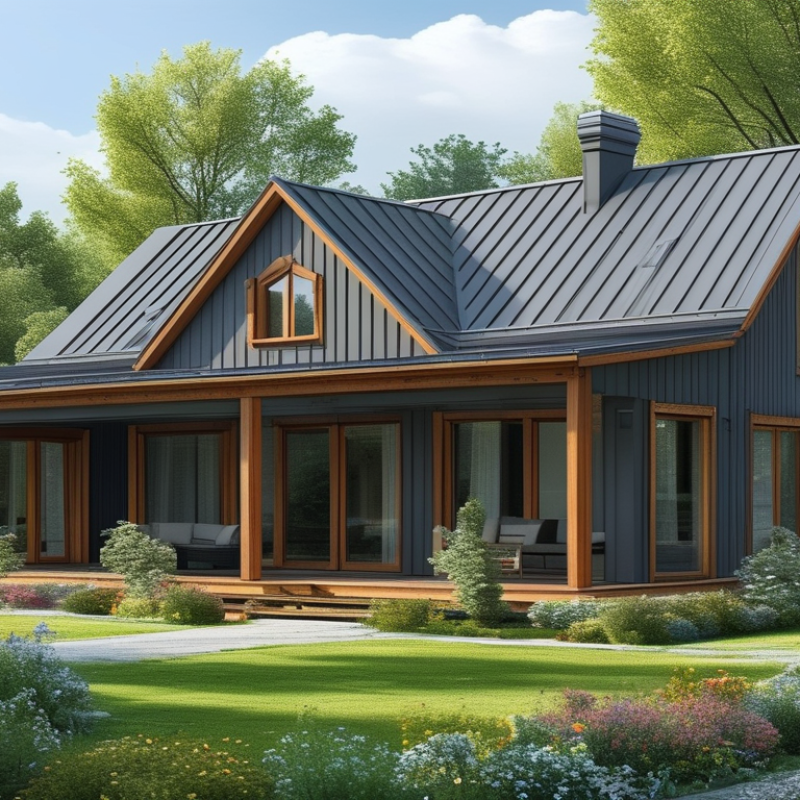
Understanding the Basics of Steel Frame Construction in Home Building
Steel frame construction is gaining popularity for home building. Its durable nature stands out, offering benefits like longevity and resistance to environmental factors. Steel frames are lighter than traditional materials, simplifying the construction process. This results in less labor time, which potentially cuts costs.
When considering a steel frame house, there are some critical aspects to think about. Investing in high-quality materials is essential. Cheaper options may save money upfront but can lead to problems later. Also, consulting experienced builders is crucial. They can guide you through challenges you might face during the construction.
Tips: Ensure your contractor understands steel frame construction well. Ask for previous projects as references. Always check local regulations regarding steel structures. Understanding local climate effects on steel is vital. Consider insulation needs, as steel can conduct temperature changes. Proper planning can prevent future issues.
Pros and Cons of Investing in Steel Frame Houses in 2026
Investing in steel frame houses in 2026 brings both advantages and challenges. Steel's durability is a key benefit. It resists termites, rot, and mold, leading to lower maintenance costs. This can be a huge plus for buyers seeking longevity in their investment. On the flip side, the initial cost can be higher than traditional materials. This is a significant consideration for many potential homeowners.
When thinking about resale value, steel frame houses often have an edge. Their modern appeal and eco-friendly aspects attract buyers. Yet, some may be skeptical about the aesthetic of steel structures. Emphasizing a design that suits local tastes might help mitigate this concern.
Tips: Consider integrating sustainable features, like solar panels, to enhance value. Explore local design trends to ensure your house remains visually appealing. Remember, it’s essential to gauge your personal goals. Skipping thorough research can lead to regrets later.
Are Steel Frame Houses Worth the Investment in 2026? - Pros and Cons
| Aspect |
Steel Frame Houses |
Traditional Wood Frame Houses |
| Cost |
Higher initial investment |
Lower initial investment |
| Durability |
Highly durable and weather resistant |
Susceptible to rot and termites |
| Maintenance |
Low maintenance costs |
Higher maintenance costs over time |
| Energy Efficiency |
Excellent thermal efficiency |
Variable thermal efficiency |
| Flexibility in Design |
Greater design flexibility |
Limited design flexibility |
| Resale Value |
Higher resale value in some markets |
Generally stable resale value |
| Construction Time |
Faster construction time |
Longer construction time |
Comparing Costs: Steel Frame Houses vs. Traditional Building Materials
Steel frame houses have gained popularity for their durability and strength. They often average around $200 per square foot, which can be more affordable than traditional wood framing, especially in areas prone to pests or severe weather. According to the National Association of Home Builders, steel frames can last over 100 years with minimal maintenance, while wooden structures may need repairs every few decades. This longevity saves money in the long run.
Despite these advantages, initial costs are a concern. Upfront expenses for steel framing can be higher by 10% to 20% compared to wood or concrete. However, as prices for raw materials fluctuate, steel’s stability in price offers an appealing benefit. Reflecting on recent trends, the steel market has been volatile, influenced by global supply chain issues. Investors must weigh these fluctuations against long-term savings on maintenance and energy efficiency.
Another factor is energy performance. Buildings with steel frames often achieve better insulation and energy efficiency, leading to lower utility costs. Research from the U.S. Department of Energy indicates that energy-efficient homes can reduce bills by 30% or more. However, the heat-conductivity of steel can lead to thermal bridging if not properly insulated. Choosing the right materials for insulation is crucial for maximizing energy savings. Balancing costs and benefits requires careful consideration of both initial and future expenses.
Long-Term Durability and Maintenance of Steel Frame Homes
Steel frame homes have gained popularity due to their durability and low maintenance needs. According to a report by the Steel Framing Alliance, steel framing can last over 50 years with minimal upkeep. This longevity contrasts sharply with wood frame structures, which may require more frequent repairs due to rot and pests.
In addition to their lifespan, steel frame homes are resistant to many natural elements. They stand strong against termites and mold, which can significantly reduce maintenance costs. The National Association of Home Builders notes that homeowners can save about 20% on maintenance for steel homes compared to wood. However, the initial investment can be higher, making some hesitant about the upfront costs.
Moreover, the environmental impact of steel production raises questions. Steel is recyclable, which is a big plus. Yet, energy consumption during production can be high. Some argue these factors must be weighed against the long-term savings. Lastly, aesthetics may challenge some buyers. Steel framing can alter the design capabilities compared to traditional materials. Ultimately, these aspects must be considered when deciding on a steel frame home investment.
Are Steel Frame Houses Worth the Investment in 2026?
This chart shows the long-term durability and maintenance costs of steel frame houses compared to traditional wood frame houses. It highlights how steel frame homes can lead to lower maintenance over time, making them a potentially wise investment.
Market Trends and Future Demand for Steel Frame Housing Solutions
The demand for steel frame houses is rising rapidly. In 2026, many factors influence market trends. Economic growth is driving construction. Builders seek materials that offer durability and sustainability. Steel frame homes can withstand severe weather. They offer great energy efficiency, appealing to eco-conscious buyers.
Investors are increasingly aware of the benefits. However, initial costs can be a concern. Some may fear that steel isn't as customizable as wood. Potential homeowners often need reassurance about the aesthetic appeal. Yet, many overlook the longevity of steel structures, which can save money over time.
Market forecasts show a growing preference for steel over traditional methods. As awareness of climate change increases, steel structures may lead the way. Emerging technologies in construction also play a role. Builders are exploring hybrid options, blending steel and other materials. While challenges exist, the future of steel frame housing looks promising.
FAQS
: Steel frames offer durability and resistance to environmental factors, enhancing longevity.
Steel frame houses can initially cost 10% to 20% more than wood or concrete.
Consult experienced builders and ensure quality materials are used for construction.
Steel frames can promote better insulation, lowering utility costs by 30% or more.
Without proper insulation, steel can conduct temperature changes, leading to energy loss.
Homeowners save about 20% on maintenance costs compared to wood frame homes.
Yes, higher upfront costs can deter some buyers despite long-term benefits.
Steel framing may limit design capabilities compared to traditional materials.
The energy consumption during steel production is significant, raising environmental concerns.
Yes, they may save money initially but lead to long-term problems down the line.
Conclusion
In the article titled "Are Steel Frame Houses Worth the Investment in 2026?", we explore the essential elements of steel frame construction as a modern solution in home building. Steel frame houses present a range of advantages, such as increased durability and resistance to environmental factors, but they also come with potential downsides, including initial cost and a perception of cold aesthetics.
When comparing the costs of steel frame houses to traditional building materials, it's crucial to evaluate long-term maintenance and structural integrity. With growing market trends and an increasing demand for sustainable housing solutions, many homeowners are left to ponder, "are steel frame houses worth it?" This question encapsulates the ongoing debate about the balance between financial investment and the benefits of longevity and durability offered by steel frame construction in the evolving housing market of 2026.

 Umo House