When considering "steel house vs concrete house," it's essential to understand the unique features each material offers. Steel houses are often praised for their durability and resistance to natural disasters. They provide a modern aesthetic that appeals to many homeowners. However, they can be susceptible to rust and may require more maintenance over time.
On the other hand, concrete houses are renowned for their thermal mass and energy efficiency. They stay cooler in summer and warmer in winter, but construction can be labor-intensive and time-consuming. The weight of concrete can also make it challenging to modify later.
Choosing between a steel house and a concrete house requires reflection. Consider your location, budget, and long-term goals. Each option has strengths and weaknesses that warrant careful thought. Making the right decision will lead to a resilient and comfortable home.
Advantages of Steel Houses: Durability and Design Flexibility
When considering building a home, durability and design flexibility are key factors. Steel houses offer impressive durability. They can withstand extreme weather conditions like hurricanes and earthquakes. Depending on the design, there is less risk of mold or pests compared to traditional materials. Steel’s strength also means fewer repairs over time. Homeowners can feel secure knowing their investment can last for decades.
Design flexibility is another significant advantage. Steel beams can support larger spans without needing many columns. This allows for open floor plans, making homes feel spacious and modern. Additionally, steel can be fabricated in various shapes and sizes, accommodating unique architectural styles. However, this flexibility requires careful planning. An experienced architect is essential to avoid design pitfalls. If miscalculated, the final result may not reach your vision. It’s worth investing in professional guidance. It ensures that both durability and aesthetic appeal are achieved in harmony.
Steel House vs Concrete House: Advantages Comparison
Benefits of Concrete Houses: Strength and Thermal Efficiency
Concrete houses are increasingly favored for their strength and
thermal efficiency. According to the National Association of Home Builders, concrete structures can withstand
extreme weather conditions better than steel. This resilience
makes concrete a reliable material, especially in areas prone to storms or earthquakes. The inherent density of concrete helps in maintaining
structural integrity over time, reducing the need for frequent repairs.
In terms of thermal efficiency, concrete houses excel in energy conservation.
They can significantly minimize heating and cooling costs. A study by the U.S. Department of Energy found that concrete walls offer superior thermal mass,
regulating indoor temperatures effectively. This results in a more comfortable living environment year-round.
Tip: When considering a concrete house, factor in insulation methods. Using high-quality insulation can boost
energy efficiency even further. Another point to reflect on is the initial cost of construction. While concrete may be more expensive upfront than steel, long-term
savings on energy bills often offset the difference.
Cost Comparison: Initial Investment and Long-term Maintenance
When choosing between a steel house and a concrete house, cost is a major factor. The initial investment for a steel house can be higher due to materials and construction logistics. Steel is known for its strength and durability, but it may come with a larger price tag upfront. In contrast, concrete houses often have lower initial costs. However, this doesn't mean they are the more economical choice in the long run.
Long-term maintenance is crucial to consider. Steel houses tend to require less ongoing maintenance. They resist pests and mold effectively. This can lead to lower repair costs over time. Concrete houses might need more frequent repairs due to cracks or settling issues. This can add up, impacting their overall affordability. It's essential to reflect on these aspects when making a decision.
Both options have unique benefits and drawbacks regarding cost. Personal circumstances and location can also influence the choice. Evaluating your specific needs and potential expenses will help you make a more informed decision. Choosing between steel and concrete requires careful thought about both the initial investment and future upkeep.
Environmental Impact: Sustainability of Steel vs Concrete
When considering the environmental impact of steel versus concrete, both materials have unique advantages and drawbacks. Steel is highly recyclable, with studies indicating that around 90% of produced steel is reused. This contributes to significant energy savings in comparison to new steel production. A report by the World Steel Association suggests that using recycled steel can reduce CO2 emissions by up to 58%. However, the extraction and processing of iron ore, essential for making steel, has significant environmental costs, including habitat destruction and high energy consumption.
Concrete, on the other hand, is the world's most widely used construction material, but it also poses sustainability challenges. The cement production process emits approximately 7% of global CO2 emissions. Alternative materials, like fly ash or slag, can partially replace cement, thus lowering emissions. Building with concrete can offer substantial thermal mass, reducing energy costs for cooling and heating. Yet, concrete structures can have a hefty carbon footprint from both production and transportation.
Both materials leave behind an environmental footprint that requires careful consideration. While steel excels in recyclability, it also demands high energy for its production. Conversely, concrete provides thermal efficiency but comes at a significant cost to our planet's climate. Evaluating the sustainability of your construction material choice requires a nuanced understanding of these factors.
Choosing the Right Materials for Your Climate and Lifestyle Needs
When choosing between steel and concrete houses, understanding your climate and lifestyle is crucial. Steel, known for its strength and flexibility, often performs better in extreme weather conditions. It withstands high winds and resists termites, making it ideal for hurricane-prone areas. However, the thermal conductivity of steel can lead to heat loss in colder climates, requiring additional insulation.
Concrete, on the other hand, provides excellent thermal mass. It helps keep homes cool in the summer and warm in the winter. This can significantly reduce energy costs. The downside is that concrete structures can be prone to cracking. Regular maintenance is essential to prevent long-term damage.
Personal lifestyle needs are also vital in your decision. If you enjoy open spaces, steel may offer the design flexibility you desire. Conversely, if you're seeking a more traditional aesthetic, concrete can be molded into various shapes and textures. Remember to weigh these factors against your unique circumstances to find the best material for your home.
Steel House vs Concrete House: Which is the Best Choice for You?
| Feature |
Steel House |
Concrete House |
| Durability |
High resistance to weather and pest damage |
Very durable but susceptible to cracking |
| Insulation |
Requires additional insulating materials |
Excellent thermal mass, good insulation properties |
| Cost |
Higher initial construction cost |
Generally lower initial cost |
| Maintenance |
Requires regular maintenance to prevent rust |
Low maintenance when properly sealed |
| Sustainability |
Recyclable materials, lower carbon footprint if sourced sustainably |
Can be energy-efficient, raw materials can have high environmental impact |
| Design Flexibility |
Allows for modern, varied designs |
Limited by the structural capabilities of concrete |
| Sound Insulation |
Can transmit noise, requires additional soundproofing |
Good natural sound insulation properties |
| Resale Value |
Increasingly popular, good resale value |
Generally retains value, widely accepted |
FAQS
: Concrete houses are strong and withstand extreme weather better than steel. They're reliable in storm-prone areas.
Concrete homes reduce heating and cooling costs significantly. They maintain comfortable indoor temperatures year-round.
High-quality insulation enhances the energy efficiency of concrete homes. It's vital for maximizing savings on energy bills.
The initial cost of concrete construction can be higher than steel. However, long-term savings often outweigh these costs.
Concrete production emits around 7% of global CO2 emissions. It's important to consider this when choosing construction materials.
Steel is highly recyclable, with about 90% being reused. This significantly reduces CO2 emissions compared to new steel production.
Steel production involves habitat destruction and high energy consumption during ore extraction. This raises sustainability concerns.
Yes, using fly ash or slag can partially replace cement, lowering emissions. This is worth exploring for sustainable building.
Yes, while concrete provides thermal efficiency, it also has a significant carbon footprint from production and transportation.
Evaluate both the thermal efficiency and environmental impact of materials. It's vital to make informed and reflective choices.
Conclusion
The article "Steel House vs Concrete House: Which is the Best Choice for You?" explores the advantages and disadvantages of both construction materials to help homeowners make informed decisions. Steel houses are celebrated for their durability and design flexibility, offering innovative architectural possibilities. In contrast, concrete houses are known for their strength and thermal efficiency, making them energy-efficient options.
The cost comparison section outlines the initial investment and long-term maintenance associated with each type, emphasizing that steel may require less upkeep over time. Additionally, the environmental impact of steel versus concrete is discussed, highlighting the sustainability aspects of both materials. Ultimately, choosing between a steel house and a concrete house depends on individual climate considerations and lifestyle needs, ensuring that you select the most suitable option for your specific circumstances.
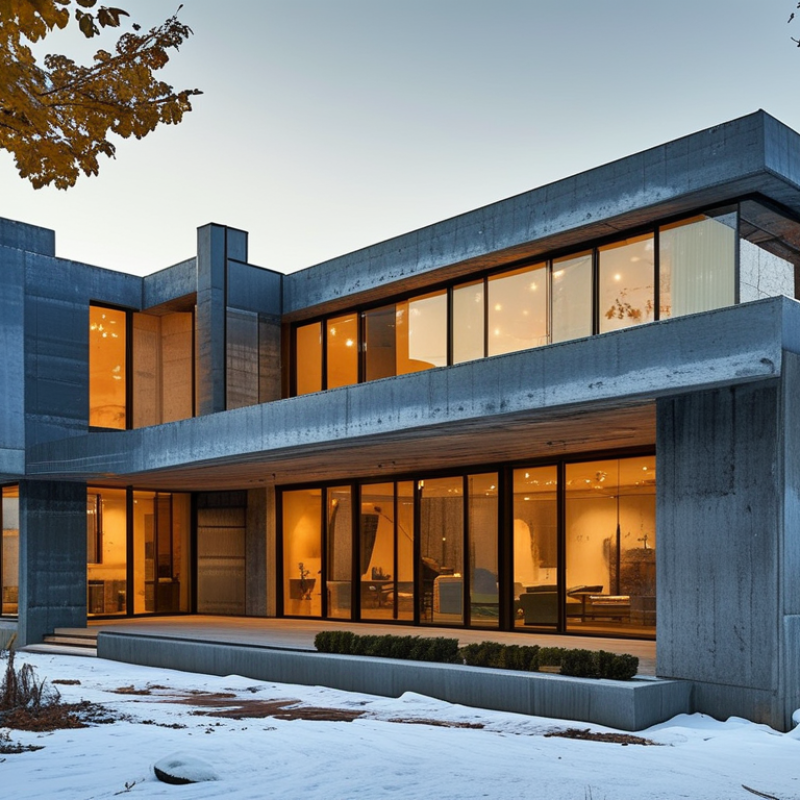

 Umo House