When considering the debate of steel house vs wood house, many factors come into play. Homebuyers are weighing the benefits and drawbacks of each material. Steel houses offer durability and resistance to pests, while wood houses provide warmth and aesthetic appeal.
Steel may be more resilient against extreme weather. It is resistant to rot and fire. On the other hand, wood has a timeless charm. Many people appreciate the natural look and feel of wooden structures. Costs can be a significant factor in the steel house vs wood house discussion.
However, there are environmental impacts to consider. Steel production can be resource-intensive, while sustainable wood practices promote forestry management. Ultimately, deciding between these two materials requires thoughtful reflection on individual needs and lifestyle preferences. Each option has its pros and cons, prompting a deeper examination of what truly defines a lasting home.
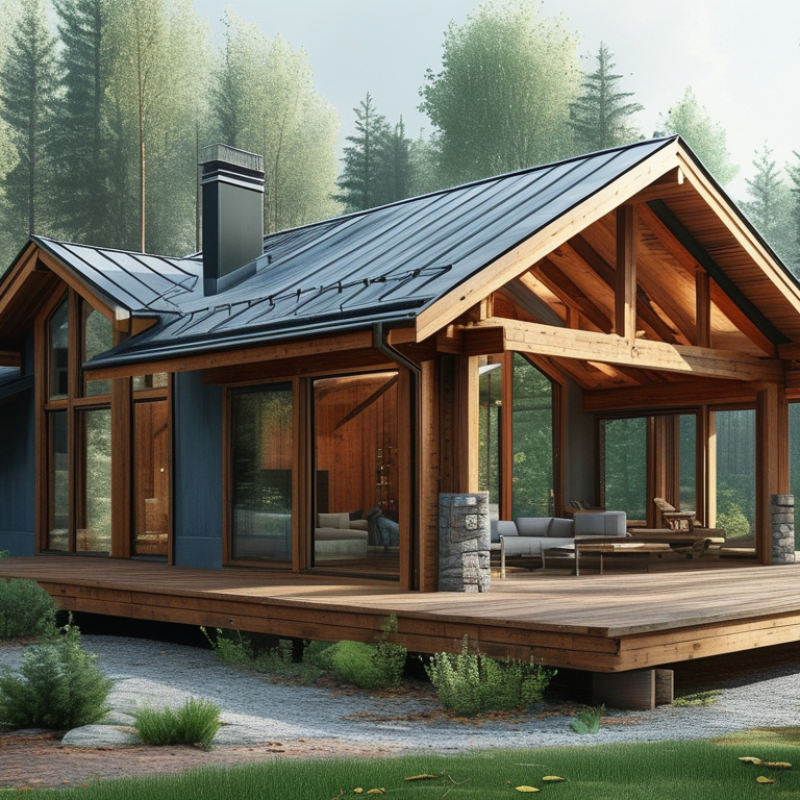
Steel houses have gained popularity due to their durability and strength. They can withstand extreme weather conditions, such as heavy winds and earthquakes. A report from the American Institute of Steel Construction notes that steel structures can last for over 50 years with minimal maintenance. This lifespan is significantly longer than traditional wooden houses, which typically require frequent repairs.
One crucial aspect is energy efficiency. Steel houses can have excellent insulation properties, reducing heating and cooling costs. According to a study by the U.S. Department of Energy, steel structures can achieve 30% greater energy efficiency with proper insulation. However, steel construction can be more expensive upfront compared to wood, leading to a longer return on investment.
Tips: Consider local climate when choosing materials. Steel may perform better in harsh weather. Remember the importance of insulation for cost savings. Weigh the initial costs against long-term benefits. Steel houses are not perfect; they can rust if not maintained properly. Always check building codes in your area before construction.
Steel houses have gained popularity due to their impressive construction and durability. According to a report by the Steel Construction Institute, steel structures can last over 50 years with minimal maintenance. This is a significant advantage over wood houses, which may require more frequent repairs and replacements. Steel's resistance to pests and decay also enhances its appeal for long-term investment.
In addition, steel has a high strength-to-weight ratio. This means it can support more weight while using less material. The American Institute of Steel Construction points out that buildings made from steel can be designed with larger open spaces. This flexibility in design allows for innovative layouts that wood construction often cannot provide. However, the initial costs for steel may be higher, which can deter some builders.
Weather conditions can affect material choice as well. Steel is not susceptible to warping or splitting, unlike wood. This stability is crucial in regions prone to extreme temperatures. Nevertheless, steel houses may face corrosion issues if not properly treated. Investment in protective coatings can address this, but it adds to the overall expense. This reflects the importance of understanding both the benefits and potential drawbacks of steel construction.
| Category | Steel House | Wood House |
|---|---|---|
| Durability | Very High; resistant to elements and pests | Moderate; susceptible to rot and insects |
| Cost | Higher initial cost | Lower initial cost |
| Maintenance | Low maintenance required | Regular maintenance needed |
| Eco-friendliness | More sustainable options available | Biodegradable but deforestation concerns |
| Safety | Fire and pest resistant | Less resistant to fire |
| Aesthetic Appeal | Modern and sleek designs | Warm and traditional look |
Wood houses have long been favored for their unique features and benefits. One key advantage is their natural aesthetic appeal. Wooden structures blend seamlessly with the environment. They offer warmth and character that steel houses often lack. Homeowners appreciate the beauty of wood grain and the ability to stain or paint it in countless colors.
Another benefit is insulation. Wood is a natural insulator. It keeps homes warm in winter and cool in summer. This can lead to lower energy costs over time. Additionally, wooden homes can be built with sustainable materials. Many environmentally conscious buyers are drawn to this aspect, wanting to reduce their carbon footprint.
However, wood also has its drawbacks. It is susceptible to pests and decay. Regular maintenance is essential to prolong its lifespan. Homeowners must remain vigilant about potential issues. This ongoing commitment can be daunting. It emphasizes the importance of choosing quality materials and workmanship. Effective planning and care can mitigate some risks associated with wood houses.
The bar chart compares various features and benefits of Steel Houses and Wood Houses based on scores from 0 to 100. Wood Houses score higher in Cost, Energy Efficiency, and Aesthetic Appeal, while Steel Houses excel in Durability and Maintenance.
When considering building a house, materials greatly influence cost and sustainability. Steel houses tend to have higher initial costs. The price of steel fluctuates, affected by market conditions. However, steel offers longevity. It is resistant to pests and fire. This durability can lead to savings over time.
Wood houses are often more affordable upfront. The cost of lumber is usually lower than steel. Wood is also more accessible for many builders. Yet, it has drawbacks. Wood requires more maintenance and is vulnerable to rot. Sustainability is a key factor to ponder.
Steel can be recycled, making it an eco-friendly option. Many view it as a modern building material. Conversely, wood is renewable, especially from sustainably managed forests. It sequesters carbon, offering environmental benefits. Still, the growing demand for lumber raises concerns about deforestation.
This comparison illustrates that neither option is perfect. Each material has its strengths and weaknesses. Making the right choice depends on individual priorities, such as budget and environmental impact.
When choosing between a steel house and a wood house, aesthetic preferences play a crucial role. Steel houses often exhibit a modern, industrial look. They offer clean lines and a sleek appearance. Many appreciate this minimalism.
On the other hand, wood houses evoke warmth and tradition. The natural textures of wood create inviting spaces. These homes can blend seamlessly with nature, providing a cozy environment.
Design flexibility is another important consideration. Steel is highly adaptable, allowing for larger open spaces without load-bearing walls. This can foster unique layouts. However, wood offers its unique charm. It can be cut, shaped, and finished in various ways. This allows for intricate designs and personal touches. Many find that the ability to customize is vital to their choices.
While both materials have their merits, they also come with challenges. Steel can be prone to rust if not maintained. Wood requires regular treatment to prevent rot and pests. Homeowners must consider maintenance needs. Ultimately, the choice hinges on individual taste and practical requirements. Each material has its own story to tell, reflected in the homes we build.
: Steel houses are known for their durability and ability to withstand extreme weather conditions.
Steel structures can last over 50 years with minimal maintenance.
Steel houses can achieve 30% greater energy efficiency with proper insulation, reducing heating and cooling costs.
Steel houses are often more expensive initially, leading to a longer return on investment.
Steel houses can rust if not maintained properly, which can affect longevity.
Yes, wood houses are often more affordable upfront compared to steel houses.
Wooden houses require more maintenance and are vulnerable to rot over time.
Yes, steel can be recycled, making it a sustainable building option.
The demand for lumber raises concerns about deforestation and environmental sustainability.
Weigh initial costs against long-term benefits and consider environmental impact, personal priorities matter.
In the debate of steel house vs wood house, both options present unique advantages that cater to different homeowner needs. Steel houses are renowned for their durability and resistance to environmental challenges, making them a long-lasting choice in construction. Their structural integrity often results in lower maintenance costs over time. Conversely, wood houses charm many with their warmth, natural aesthetics, and eco-friendliness, appealing to those who prioritize a cozy, traditional living environment.
When conducting a comparative analysis of cost and sustainability, it becomes evident that while steel houses may have higher initial costs, their longevity can lead to overall cost savings. Wood houses, although potentially less durable, offer benefits in design flexibility and aesthetic preferences, allowing homeowners to express their individual styles more freely. Ultimately, the decision between steel house vs wood house will depend on personal priorities, whether they lean towards modern resilience or classic comfort.

Umo House