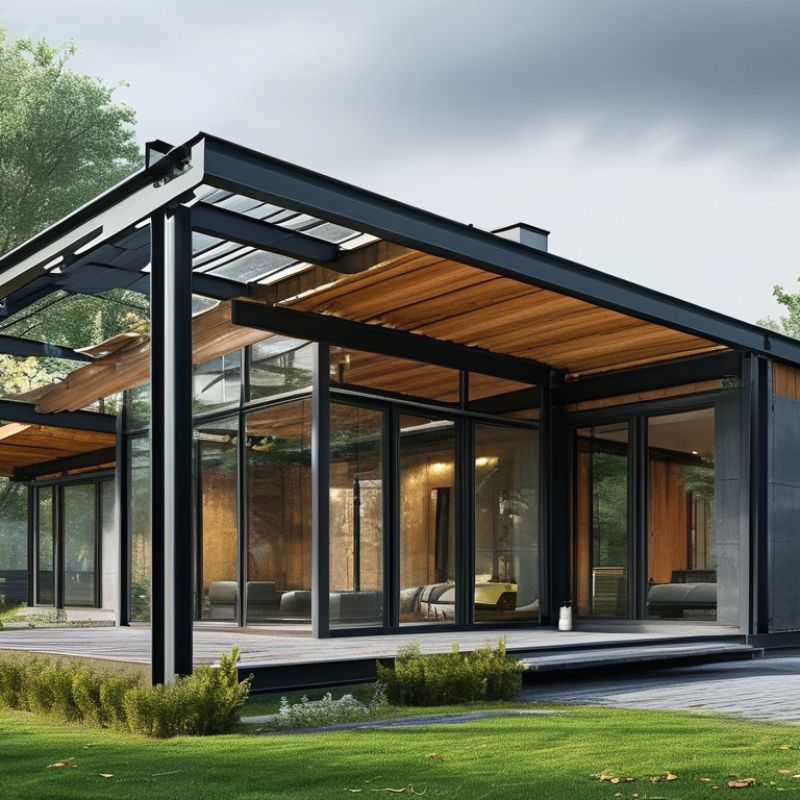
In recent years, many buyers have turned their attention to innovative building materials. One such option is a steel structure house. But what is a steel structure house? This type of home uses steel frames for support, offering a strong and durable alternative to traditional materials.
Homeowners appreciate the many advantages of steel structures. They provide excellent resistance to harsh weather conditions. Additionally, they are less prone to pests, such as termites. However, some people may wonder about the aesthetics of steel homes. These houses can be designed to fit various styles, blending functionality with beauty.
Investing in a steel structure house can be a wise decision. Many buyers find it a cost-effective option in the long run. Nonetheless, prospective homeowners should consider factors such as insulation and maintenance. With informed choices, a steel structure house can serve as a reliable and stylish solution for modern living.
What Defines a Steel Structure House?
A steel structure house is defined by its use of steel as a primary framework. This construction method offers durability and strength. Steel is well-regarded for its ability to withstand extreme weather conditions. According to a report by the American Institute of Steel Construction, structures made of steel can outperform traditional wood homes in seismic events by up to 30%.
The flexibility of design is another key aspect. Steel allows for larger open spaces without the need for excessive support beams. This enables innovative architectural designs that can maximize both aesthetics and functionality. A recent study published in the Journal of Construction Engineering found that steel buildings can be erected 30% faster than their wood counterparts, significantly reducing labor costs.
However, there are challenges. Proper insulation is crucial to ensure energy efficiency. Without it, temperature fluctuations can lead to discomfort. Additionally, high humidity may promote rust if the steel is not treated correctly. Buyers should weigh these factors against the benefits. Investing in a steel structure house requires discerning attention to detail and proper maintenance strategies.
Key Characteristics of Steel Structure Houses
Steel structure houses are gaining popularity due to their unique characteristics and advantages. One of the key features is durability. Steel is resistant to pests and mold, which can compromise traditional wood structures. This quality reduces long-term maintenance costs and enhances the lifespan of the building. Additionally, steel has a high strength-to-weight ratio, allowing for larger open spaces without the need for excessive support beams.
Another important aspect is energy efficiency. Many steel structure houses can incorporate insulation materials that enhance thermal performance. This leads to lower heating and cooling costs. However, it’s crucial to ensure proper insulation installation; an oversight here could negate energy-saving benefits. Furthermore, the design flexibility offered by steel is commendable. Buyers can customize layouts easily, but the aesthetic appeal can sometimes feel industrial, which may not suit everyone's taste.
Sustainability is another highlight of steel structures. Steel is recyclable, making it a more eco-friendly option compared to traditional materials. Yet, some may find the initial costs higher. While the long-term savings are significant, immediate budgeting can be challenging for some buyers. This factor requires careful consideration. Ultimately, understanding these characteristics allows prospective buyers to make informed decisions about steel structure houses.
Advantages of Steel Structure Houses for Homebuyers
Steel structure houses are gaining popularity due to their numerous advantages for homebuyers. The strength of steel provides a solid foundation, resisting harsh weather conditions. Unlike traditional wooden structures, steel is less prone to rot or insect damage. This durability translates into lower long-term maintenance costs. Homebuyers appreciate the reduced risk of repairs, especially in areas prone to natural disasters.
Another notable benefit is the design flexibility offered by steel structures. They can be customized to fit various architectural styles, allowing for bigger open spaces and unique layouts. Homebuyers often seek personalized homes, and steel can easily accommodate that. It's also eco-friendly, as steel is recyclable. This aspect appeals to environmentally conscious buyers looking for sustainable living options.
While the benefits are clear, some challenges exist. The initial costs for steel construction can be higher compared to other materials. However, considering long-term durability and low maintenance, many find it a worthy investment. Buyers must weigh these factors carefully. Steel houses can be louder than traditional homes, requiring sound insulation. Overall, steel structure houses offer significant advantages that are hard to overlook.
What is a Steel Structure House and Its Benefits for Buyers - Advantages of Steel Structure Houses for Homebuyers
| Feature |
Description |
Benefits |
| Durability |
Steel structures can withstand harsh weather and seismic activity. |
Long lifespan reduces replacement costs over time. |
| Energy Efficiency |
Good insulation properties help in maintaining temperature. |
Lower energy bills from heating and cooling savings. |
| Cost-Effective |
Steel is often cheaper and quicker to build compared to traditional materials. |
Reduce overall construction time and expenses. |
| Sustainability |
Steel is recyclable and involves fewer raw materials. |
Promotes eco-friendly building practices. |
| Design Flexibility |
Steel structures allow for open floor plans and modern designs. |
Customization options attract diverse buyer preferences. |
| Pest Resistance |
Steel does not rot or attract pests like wood. |
Lower maintenance costs over time. |
Comparison with Traditional House Construction Methods
Steel structure houses offer several advantages over traditional construction methods. First, they are more durable. Steel can withstand harsh weather conditions and resist pests like termites. This longevity can mean lower maintenance costs over time. Traditional methods often rely on wood or concrete, which may require repairs or replacements sooner.
The speed of construction also sets steel structures apart. Building with steel components allows for quicker assembly. This can significantly reduce labor costs and project timelines. On the other hand, traditional methods may take longer due to material drying times or complex designs. However, this speed can lead to rushed decisions or overlooked details, which can affect long-term performance.
Aesthetic flexibility is another factor. Steel allows for innovative designs that can match modern tastes. Homebuyers might appreciate the sleek lines of a steel structure. Yet, some might miss the charm and warmth of wood. Each option has its merits and drawbacks. Choosing between them often reflects personal preference and lifestyle needs.
Environmental Impact of Steel Structure Homes
Steel structure homes are gaining popularity, particularly for their environmental benefits. The use of steel significantly reduces the carbon footprint compared to traditional building materials. According to the U.S. Department of Energy, steel is 100% recyclable. This contributes to a circular economy, minimizing waste. Homes built with steel can last over 50 years, reducing the need for frequent renovations and additional materials.
One major advantage is the energy efficiency associated with steel homes. A report from the Steel Recycling Institute shows that using recycled steel saves about 75% of the energy needed to produce new steel. This results in lower energy bills for homeowners. Additionally, steel homes can be designed to accommodate solar panels, making them even more sustainable.
Tip: Consider energy-efficient designs when planning your steel home. This will not only cut costs but also benefit the environment.
The construction of steel homes requires fewer resources. This can lead to reduced deforestation rates and lower greenhouse gas emissions. Some argue that steel production itself contributes to pollution. However, modern techniques are evolving to address these concerns. Continuous innovation in green technology is changing the landscape of steel production.
Tip: Research the latest green certifications for steel materials. Aim for compliance with standards to ensure your home is eco-friendly.
FAQS
: A steel structure house uses steel as its main framework. It is recognized for its durability and strength.
Steel withstands severe weather better than wood homes. It can outperform traditional structures in seismic events.
Yes, steel allows for larger open spaces. This reduces the need for excessive support beams and enhances aesthetics.
Steel buildings can be erected 30% faster than wood homes. This significantly cuts down labor costs.
Proper insulation is essential. Without it, temperature fluctuations can cause discomfort and energy inefficiency.
Yes, untreated steel can rust in high humidity. Proper maintenance and attention to detail are crucial for longevity.
Steel enables innovative and modern designs. However, some may prefer the warmth of traditional wood styling.
The initial investment might be higher but can save on long-term maintenance. Costs vary based on design and materials.
Steel structures can lead to rushed decisions. Overlooking details may affect the long-term effectiveness of the house.
Personal preference plays a big role. A buyer's lifestyle needs often determine the best option for construction.
Conclusion
A steel structure house is defined by its use of steel as the primary framing material, which sets it apart from traditional construction methods that typically rely on wood or masonry. Key characteristics of these homes include durability, flexibility in design, and resistance to pests and harsh weather conditions.
The advantages for homebuyers are significant, ranging from faster construction times to lower maintenance costs and enhanced safety. When compared to traditional house construction, steel structure houses offer a more sustainable option, as they can be designed to minimize environmental impact. Overall, understanding what is a steel structure house highlights its growing appeal among modern homeowners seeking a blend of practicality and sustainability.

 Umo House