As the construction industry evolves, many ponder "how long does a steel structure house last?" According to renowned structural engineer Dr. Emily Johnson, “A well-designed steel house can last for decades with proper maintenance.” This insight reflects the increasing importance of longevity in home construction.
In 2026, steel structure houses are expected to showcase remarkable durability. These houses resist extreme weather, pests, and decay. Many homeowners appreciate these features. Yet, questions about real lifespan remain. Factors like environmental conditions and maintenance play crucial roles. While steel offers strength, neglect could shorten its life.
The appeal of steel structures lies in their resilience and modern design. However, understanding longevity involves deeper reflection. It's essential to consider individual circumstances. Homeowners often need to weigh initial costs against long-term value. Ultimately, knowing “how long does a steel structure house last” is not just about the materials used, but also about how well they are taken care of.
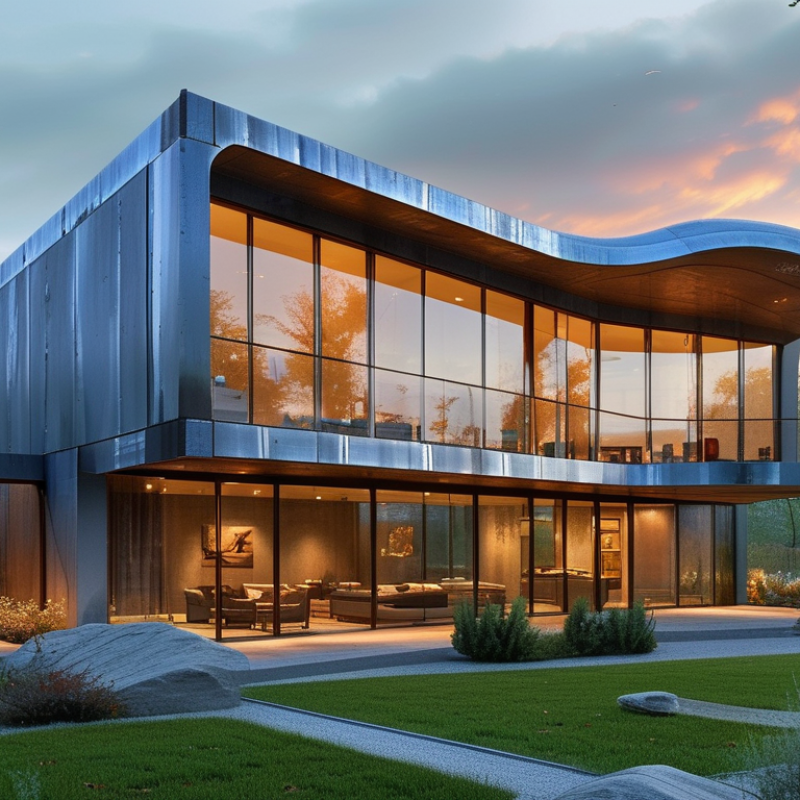
Factors Affecting the Longevity of Steel Structure Houses
When considering a steel structure house in 2026, several factors will influence its longevity. The environmental conditions play a significant role. Regions with extreme weather, such as heavy rain, snow, or heat, can impact the structural integrity. Corrosion is a concern, especially in areas with high humidity or salt exposure. Regular maintenance is crucial to address any wear and tear.
Another factor is the quality of materials used in construction. High-quality steel can withstand the test of time, while inferior metal may lead to failures. Insulation and finishing materials also affect durability. For instance, proper insulation can protect steel frames from temperature fluctuations.
**Tips:** Ensure regular inspections. Look for rust and damage. Proper painting and coating can help protect steel from corrosion. Consider the local environment when planning the structure.
Finally, the design also matters. Poor architectural choices can lead to issues like inadequate drainage or structural weaknesses. Collaborating with experienced architects and engineers can mitigate these risks. Remember, even the best materials require care. Being proactive can ensure a long-lasting steel structure house.
Common Lifespan of Steel Structures in Different Climates
Steel structures have become increasingly popular in modern construction. One of their key advantages is durability. However, the lifespan of a steel structure varies significantly with climate conditions. In areas with high humidity or coastal salt air, corrosion can be an issue. Protective coatings can slow this process but may not eliminate it completely.
In dry climates, steel structures tend to last longer. The risk of rust is lower, and these buildings can endure various weather events. However, temperature changes can cause expansion and contraction, impacting the structure's integrity over time. Regular inspections are essential to address any signs of wear or damage.
In colder regions, snow and ice accumulation can pose challenges. While steel is strong, excessive weight can lead to structural stress. Adequate design considerations must be made to manage these loads effectively. Property owners should also monitor for rust due to freezing and thawing cycles. Each climate presents unique challenges, and understanding these can improve the longevity of steel structures.
Maintenance Practices to Extend Steel House Lifespan
Steel structure houses are gaining popularity for their durability and efficiency. Yet, their longevity can be significantly influenced by proper maintenance practices. According to a 2022 report from the American Institute of Steel Construction, steel structures can last up to 50 years or more if maintained correctly. Regular inspections can identify rust, fatigue, or damage before they escalate.
Routine cleaning is essential. Removing dirt and debris minimizes corrosion risks. Studies show that houses in coastal areas face higher corrosion rates due to salt exposure, with a 25% reduction in lifespan noted in untreated structures. Applying protective coatings can add years to the structure. Depending on the environment, re-coating is typically recommended every five to ten years.
It's crucial to monitor connections and joints. Frequent checks can prevent costly repairs down the line. If neglect is noted, the lifespan can shrink significantly. Experts often report that a simple oversight, like ignoring rust at joints, can lead to structural issues. Designs must consider local climates. Adaptations to weather conditions, even small changes, can impact the overall integrity and longevity of steel houses significantly.
How Long Does a Steel Structure House Last in 2026?
This bar chart illustrates the estimated lifespan of steel structure houses in 2026 across different age ranges. Regular maintenance practices can significantly extend their lifespan, making them a durable choice for homeowners.
Comparison of Steel Structures with Traditional Building Materials
When comparing steel structures to traditional building materials, several factors emerge. Steel’s strength and durability often surpass that of wood and brick. While traditional materials have been used for centuries, they can be prone to rot, pests, and fire. Steel does not face these issues. Its resistance to weather conditions is a critical advantage. A well-constructed steel house can stand strong against storms and extreme temperatures.
However, there are challenges with steel construction as well. Corrosion can be a concern if not properly maintained. Future homeowners must consider the long-term maintenance of steel structures. Insulation and energy efficiency can also be harder to achieve compared to traditional homes. Balancing the benefits of steel with these potential drawbacks is essential for a sustainable future.
In 2026, the choice of building material may reflect broader environmental concerns. Steel is recyclable, making it a more sustainable option. Yet, its initial carbon footprint during production can be high. Homeowners should weigh the environmental impact against durability and cost-effectiveness. Every option comes with trade-offs, and as technology evolves, so should our understanding of these materials.
Future Innovations Impacting Steel House Durability in 2026
As we approach 2026, the durability of steel structure houses is increasingly influenced by technological innovations. Advanced coatings and corrosion-resistant materials are becoming standard. According to a recent report by the American Institute of Steel Construction, these modifications can enhance the lifespan of steel structures by up to 40%. This is significant given that traditional steel homes could last around 50 years without such enhancements.
Moreover, the integration of smart technologies into steel homes is on the rise. Real-time monitoring systems can detect structural issues early on. A study published in the Journal of Structural Engineering highlights that homes equipped with these technologies see a reduction in maintenance costs by nearly 30%. While these innovations promise improved durability, they also raise questions about accessibility and affordability for average homeowners. Hence, balancing advanced features with cost-effectiveness will be a critical challenge moving forward.
How Long Does a Steel Structure House Last in 2026? - Future Innovations Impacting Steel House Durability in 2026
| Factors Affecting Durability |
Estimated Durability (Years) |
Innovations Impacting Durability |
| Quality of Steel Used |
70-100 |
Advanced Corrosion-Resistant Coatings |
| Design and Engineering |
50-80 |
Building Information Modeling (BIM) |
| Environmental Factors |
40-60 |
Smart Weather Monitoring Systems |
| Maintenance Practices |
100+ |
Predictive Maintenance Technologies |
| Foundation and Site Preparation |
70-90 |
Advanced Soil Stabilization Techniques |
FAQS
: Steel structures can last up to 50 years or more with proper maintenance.
Humidity and coastal air can cause corrosion, reducing lifespan.
Regular inspections, cleaning, and applying protective coatings are important.
Re-coating is generally recommended every five to ten years.
Snow and ice can add weight, causing stress, and rust from thawing cycles.
Overlooking rust at joints can lead to costly structural issues over time.
Lower rust risk allows steel to endure various weather events longer.
Yes, minor oversights can significantly impact longevity and integrity.
Yes, designs must consider local weather conditions for better durability.
Cleaning removes debris, minimizing corrosion risks and extending lifespan.
Conclusion
The longevity of steel structure houses, particularly in 2026, is influenced by various factors including environmental conditions, design, and maintenance practices. Typically, steel structures are known for their durability, often lasting 50 years or more, but their lifespan can vary significantly in different climates. For instance, harsh weather conditions can accelerate wear and tear, necessitating regular upkeep to extend their service life. By implementing effective maintenance strategies, owners can significantly enhance the longevity of their steel homes.
Moreover, the comparison of steel structures with traditional building materials reveals that while steel offers superior strength and resistance to pests and rot, it is crucial to consider future innovations that may further improve the durability of these homes. Ultimately, addressing the question of "how long does a steel structure house last" involves understanding these variables and investing in proper maintenance and upgrades to ensure lasting performance.

 Umo House