Explore our premium high-strength pre-engineered systems, steel framing models, and custom industrial architectures designed for global implementation.
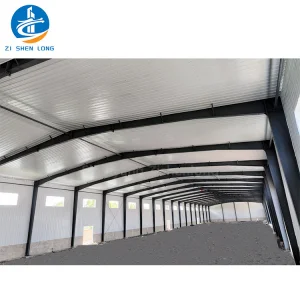
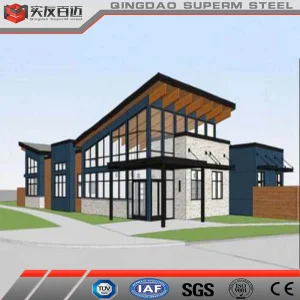
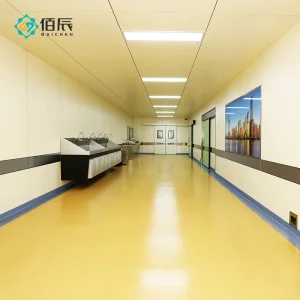
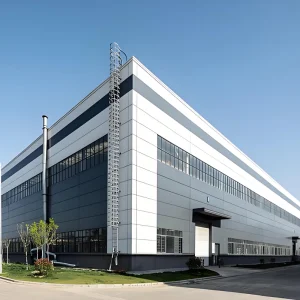
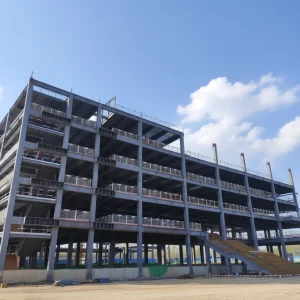

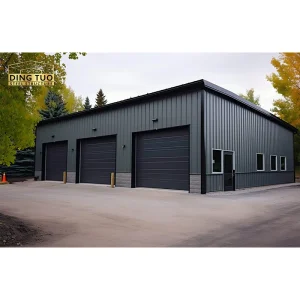
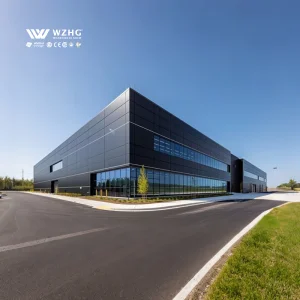
Foshan Umo House Co., Ltd. is a professional manufacturer specializing in steel structure houses, prefabricated steel buildings, modular housing systems, and customized construction solutions in China. With extensive industry experience and advanced manufacturing capabilities, we provide durable, efficient, and sustainable building solutions for residential, commercial, industrial, and institutional projects worldwide.
Our comprehensive product portfolio includes steel structure houses, prefabricated homes, modular buildings, steel frame villas, portable houses, expandable homes, labor camps, site offices, warehouses, workshops, commercial buildings, schools, hospitals, dormitories, agricultural buildings, and customized steel construction projects. Every solution is engineered to deliver rapid installation, superior structural performance, cost efficiency, and long service life.
At Umo House, we utilize advanced production equipment and precision manufacturing technologies to ensure every component meets strict international quality standards. Our experienced engineering team provides complete OEM and ODM services, supporting customized architectural design, structural calculations, insulation systems, roofing, wall panels, electrical layouts, plumbing, interior finishing, and project-specific requirements.
Built with premium galvanized steel structures and high-performance building materials, our products offer excellent resistance to corrosion, earthquakes, strong winds, and harsh weather conditions. They also provide outstanding thermal insulation, energy efficiency, and low maintenance, making them suitable for both temporary and permanent construction applications.
Our steel structure solutions are widely used in residential communities, commercial complexes, industrial facilities, logistics centers, mining camps, construction sites, tourism resorts, educational institutions, healthcare projects, government infrastructure, and emergency relief programs. We continuously invest in research, product innovation, and manufacturing optimization to meet the evolving needs of global customers.
Today, Foshan Umo House exports its products to Europe, North America, South America, Southeast Asia, the Middle East, Africa, and Oceania, building long-term partnerships with contractors, developers, distributors, and engineering companies around the world.
As a trusted steel structure house manufacturer in China, Foshan Umo House is committed to delivering premium-quality products, competitive pricing, flexible customization, reliable project support, and on-time delivery. We strive to provide innovative modular construction solutions that create lasting value for customers across the global market.
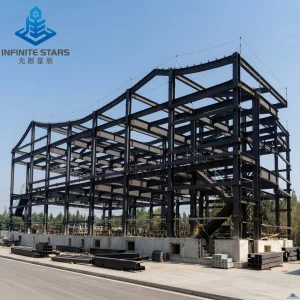
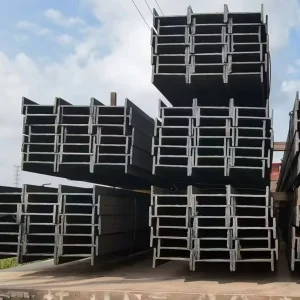
The global construction industry is undergoing a paradigm shift towards high-performance structural configurations. High-Strength Steel (HSS) buildings, generally leveraging steel grades with yield strengths exceeding 355 MPa (such as Q355B, Q420, and Q460), have transitioned from specialized architectural marvels to standard options for commercial and industrial structures. By optimizing the load-bearing capability per unit area, high-strength structural profiles allow engineers to design buildings with greater clear spans, reduced column profiles, and diminished foundation weight requirements.
Globally, the push for sustainable, rapid-build infrastructure has accelerated the adoption of HSS systems. In North America and Europe, stringent energy efficiency standards and high labor costs have driven the demand for off-site pre-engineered steel buildings (PEB) that use high-strength members to minimize structural volume while maximizing thermal envelope efficiency. In developing industrial zones across Latin America and Southeast Asia, heavy-industry sectors—ranging from advanced manufacturing hubs to automated logistics facilities—rely on high-strength steel frames to bear the immense dynamic loads imposed by heavy machinery and overhead crane systems.
Additionally, the rising frequency of extreme weather events across geographic regions has forced building regulators to specify robust load profiles. High-strength steel provides the ductility and resilience needed to resist seismic disruptions and extreme wind loads, establishing it as the preferred material for long-term real estate investments.
HSS structures exhibit exceptional yield ratios and ductility, allowing them to absorb and dissipate seismic energy during earthquake events while maintaining integrity under Category 5 wind loads.
Reducing overall steel weight by up to 30% lowers the dead weight of the superstructure, resulting in lower foundation engineering costs, particularly in poor soil conditions.
By employing high-yield members, designers can span wider distances without internal support columns, enabling highly flexible layouts in logistics hubs and assembly lines.
The trajectory of high-strength structural steel buildings is shaped by several parallel technological tracks: building information modeling (BIM), robotic pre-fabrication, and the integration of carbon-neutral materials. As global economies set decarbonization goals, the carbon intensity of structural materials is scrutinized. High-strength steel offers a clear path toward reduction: using less material weight per square meter directly translates to a lower carbon footprint for the primary structure.
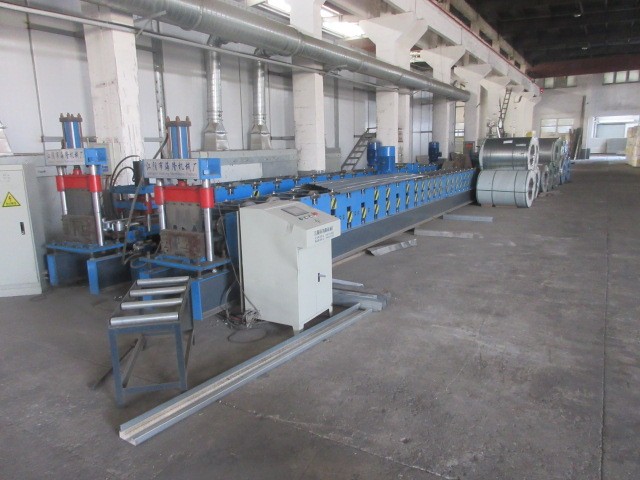
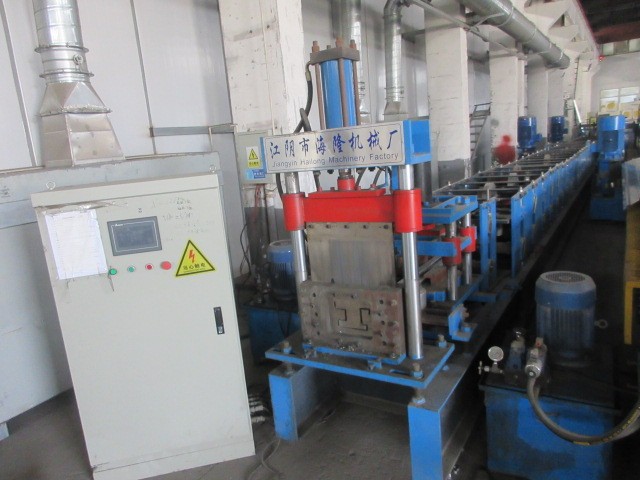
In addition, modern manufacturing plants utilize computer numerical control (CNC) cutting, automated drilling, and robotic welding platforms. These systems ensure that components made from hardened alloys are prepared with high tolerances, facilitating rapid, tool-free bolt assembly on-site. The convergence of structural engineering and software design has also produced generative AI modeling platforms. These tools analyze architectural designs and optimize the placement of load-bearing columns and beams, reducing steel usage while complying with building codes like Eurocode 3 or AISC 360.
In the coming years, we expect to see smart steel structures embedded with fiber-optic strain sensors. These systems monitor structural health in real-time, providing valuable data on load distribution and structural fatigue for high-rise buildings and large-span arenas.
Our structures are modeled in a 3D digital environment, ensuring that clash-detection and thermal bridging calculations are executed before fabrication, minimizing on-site modifications.
Integrating pre-assembled modular volumetric spaces (e.g., bath pods, medical cleanrooms) within high-strength skeleton frames accelerates construction schedules by up to 50%.
Employing hot-dip galvanization and advanced epoxy coatings provides protection against marine atmospheres, high humidity, and aggressive chemical environments.
Different regions present unique environmental challenges that demand tailor-made structural engineering solutions. At Foshan Umo House Co., Ltd., our engineering methodologies prioritize environmental customization. For instance, in coastal and equatorial regions with high humidity and salt spray, we apply specialized hot-dip zinc-aluminum-magnesium alloy coatings. This protection extends the maintenance intervals of our light gauge steel frame structures and villas.
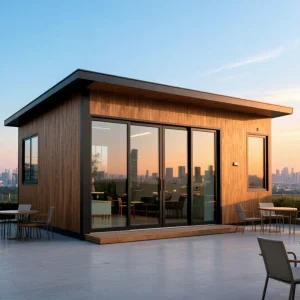
Conversely, structures destined for high-temperature desert environments, such as Dubai or other Middle Eastern locations, require thermal performance adjustments. For example, our Space Capsule House design is engineered to withstand ambient temperatures of up to 50°C. We achieve this by utilizing composite sandwich panels featuring high-density polyurethane insulation cores, combined with double-glazed low-emissivity glass panels. This design minimizes solar heat gain and reduces HVAC energy consumption.
For colder northern latitudes in regions like Scandinavia, Canada, and the Northern United States, high snow load specifications dictate structural calculations. Our prefabricated warehouses and commercial office frames are designed with steeper roof slopes and reinforced truss configurations. This prevents snow accumulation and maintains structural integrity during prolonged winter storms.
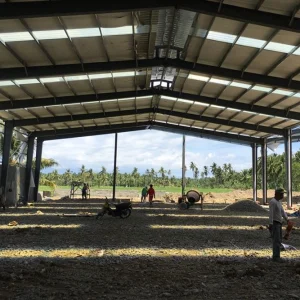
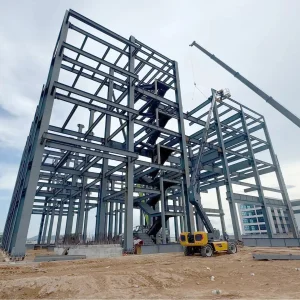
A showcase of our advanced production lines, structural component processing, and completed high-strength installations globally.
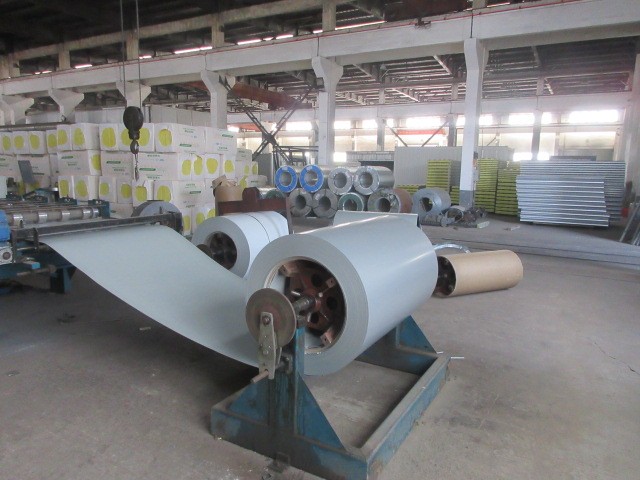
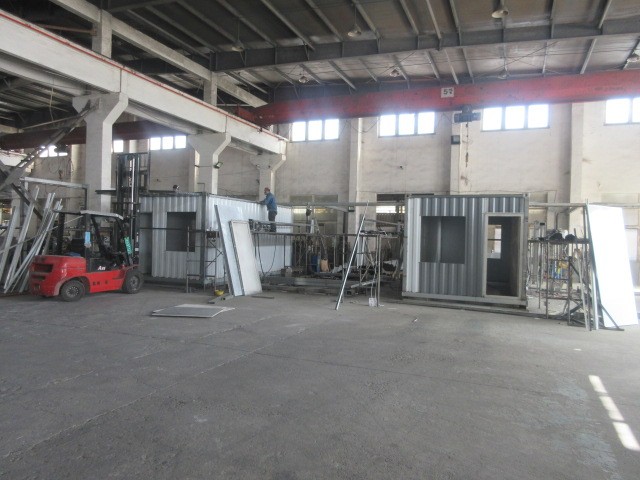
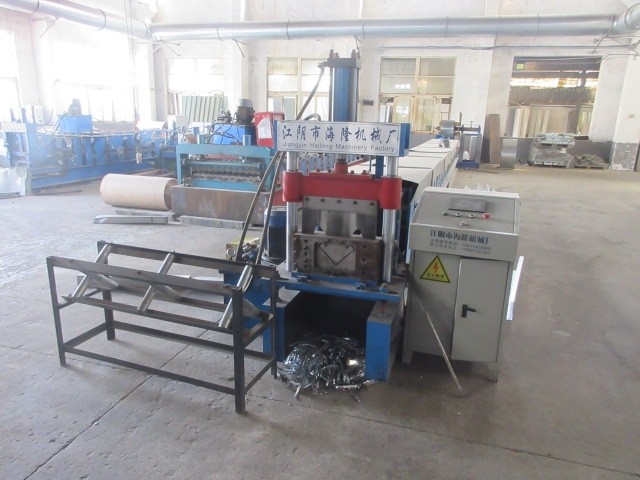
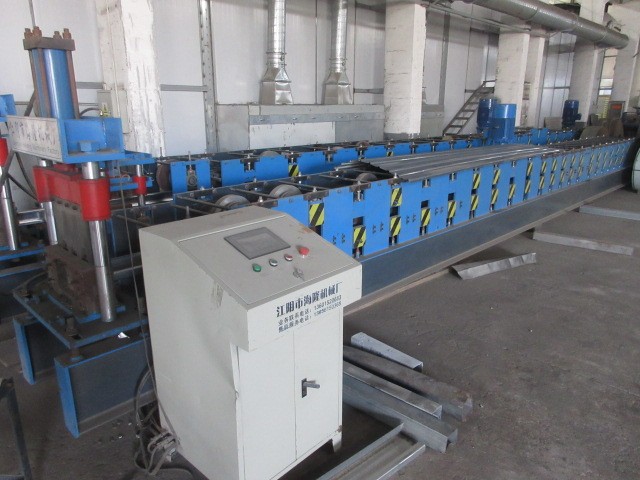
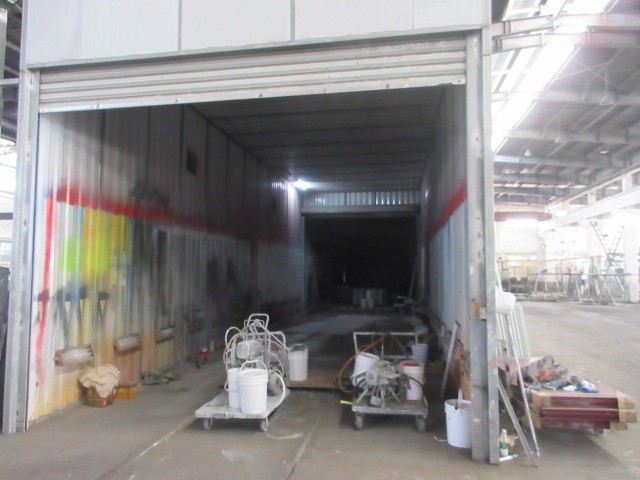
For large projects, a structural frame alone is not enough to achieve operational efficiency. High-strength steel building systems must integrate with envelope subsystems, MEP (mechanical, electrical, plumbing) designs, and vertical transport units. When engineering a multi-story light frame residential building or a heavy industrial structure, Foshan Umo House works alongside international engineering and design firms to ensure seamless system connectivity.
Our macro-level engineering solutions cover:
Providing direct, objective answers on code compliance, material behavior, logistics, and customization specifications.
Offering precision structural solutions tailored to diverse commercial, residential, and industrial applications.
 Umo House