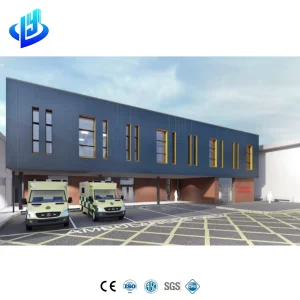
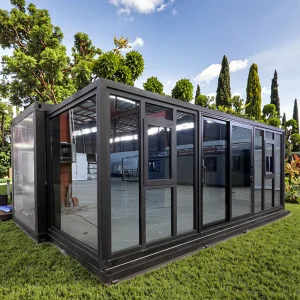
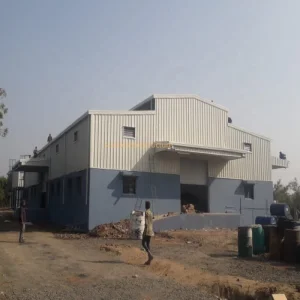
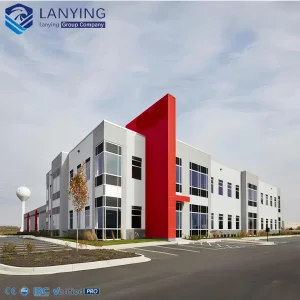
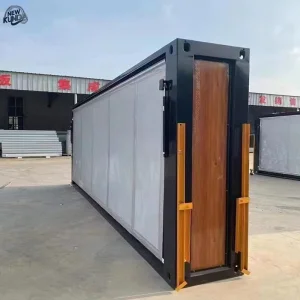
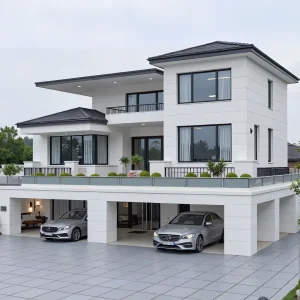
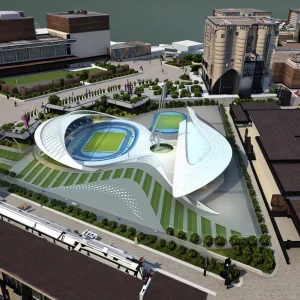
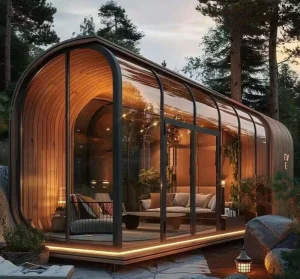
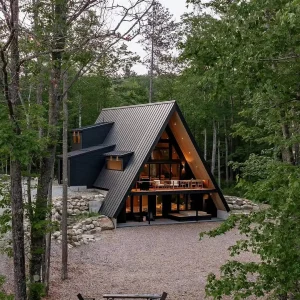
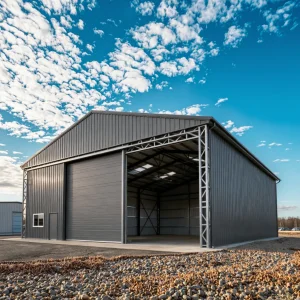
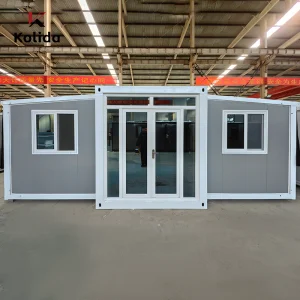
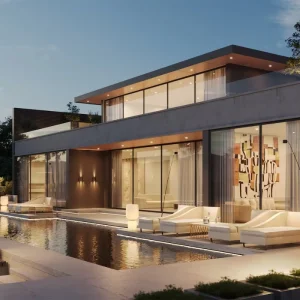
Explore our flagship modular and structural building configurations designed for high resilience and prompt configuration.
Foshan Umo House Co., Ltd. stands as a preeminent force among Chinese structural manufacturers, specializing in high-performance steel structure houses, industrial prefabricated steel buildings, modular housing systems, and complex architectural structural profiles. Headquartered in Foshan, Guangdong—the absolute epicenter of the global building materials supply chain—we leverage regional cluster advantages, sophisticated engineering capabilities, and state-of-the-art production facilities to supply reliable, low-maintenance structural components globally.
Our diversified production spectrum spans across light-gauge steel framing (LGSF), portal frame industrial structures, multi-story heavy steel frameworks, and customized architectural enclosures. We service global developers, general contractors, humanitarian organizations, agricultural conglomerates, and private clients looking for fast-track, energy-efficient, and sustainable construction solutions.
By strictly employing structural-grade galvanized steels (such as Q355B and Q235, equivalent to ASTM A572 and S355JR) treated with advanced anti-corrosion finishes, Umo House designs and fabricates resilient systems engineered to withstand severe weather, seismic stresses, and environmental degradation. Our solutions provide optimal thermal profiles, acoustical performance, fire resistance, and assembly speed.
Analysing global macroeconomic construction trends shifting towards optimized modular steel building systems.
In modern industrial development, time-to-market is the primary metric of ROI. Prefabricated steel building systems cut overall project schedules by up to 50% compared to cast-in-place concrete structures by overlapping foundation work and shop fabrication.
Steel is 100% recyclable, offering developers a pathway to net-zero carbon operations. Structural engineering design optimization minimizes raw material consumption while providing high structural safety factors.
By moving fabrication from uncontrolled construction sites into highly automated factories, project developers avoid risks linked to regional skilled labor deficits, weather disruptions, and safety incidents.
Exporting Destinations Worldwide
Design Life of Structural Systems
Standard Quality Certifications
BIM Integrated Fabrication Plans
The competitiveness of Chinese steel building manufacturers lies in structural integration and scale. At Foshan Umo House Co., Ltd., we sit at the junction of premium raw steel suppliers and specialized hardware ecosystems. This proximity allows us to source structural-grade, hot-dip galvanized profiles, specialized insulation cores, performance glass, and architectural finishes without long transit delays.
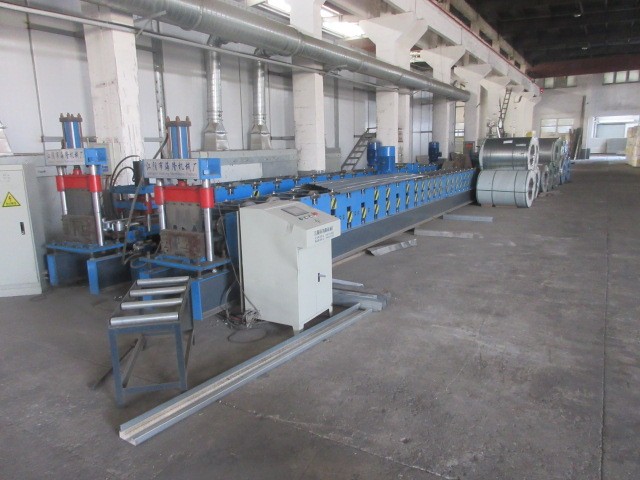
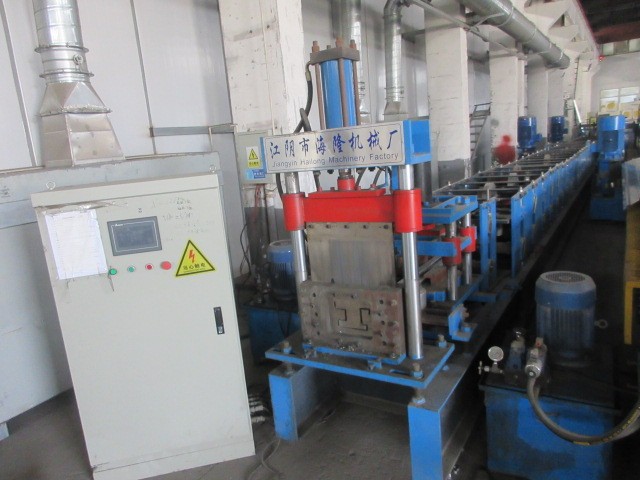
Our manufacturing process employs fully integrated engineering and production loops. Once our engineering department finishes structural optimization models in 3D CAD/Tekla, data translates directly to CNC profile roll-forming machines and automated robotic welding lines. This eliminates manual transfer errors and translates to precise dimensional accuracy, minimizing assembly issues on construction sites.
| Parameter | Umo House Steel Building Systems | Traditional Construction (Concrete/Masonry) |
|---|---|---|
| Construction Speed | 40-50% faster deployment via prefabricated components | Subject to concrete curing and on-site labor availability |
| Foundation Requirements | Lighter foundation design due to reduced weight load | Heavy, expensive, deep foundation systems |
| Seismic Resistance | Excellent seismic damping (Ductile structural steel frames) | Rigid structural response; prone to shear failures |
| Material Wastage | < 1% due to computer-controlled fabrication | 10-15% site wastage, high cleanup and disposal fees |
| Maintenance & Life Cycle | Low maintenance, high corrosion protection (up to 50 years) | Prone to structural cracking, spalling, moisture intrusion |
Our manufacturing processes and engineering specifications conform to key international regulatory codes.
We source hot-rolled carbon steel profiles (Q355B/Q235) with guaranteed yield strengths. For light-gauge framing, we utilize G550 high-tensile steel with Z275 (275g/m² zinc coating) or AZ150 (Aluzinc) coating configurations to achieve corrosion protection in high-saline coastal settings.
To optimize thermal envelope ratings and fire protection, our luxury villa designs and high-rise modular applications integrate Autoclaved Lightweight Concrete (ALC/AAC) wall panel systems. These structures provide up to 4 hours of fire rating, sound dampening, and insulation.
Our engineering division designs steel buildings in compliance with global standards, including the International Building Code (IBC), Eurocode 3 (EN 1993) for structural steel design, AISC manuals, and AS/NZS 1170 wind and seismic action codes.
All framing systems are detailed to accommodate pre-engineered plumbing, electrical pathways, and insulation packages. This level of planning prevents modification work at the installation stage, lowering deployment labor requirements.
Exporting steel building systems globally requires designing for localized environmental forces. A building in the Caribbean requires high wind-load ratings to withstand Category 5 hurricanes, while a structure in the Nordics requires engineering for heavy snow loads.
At Foshan Umo House, our project engineering team performs localized load simulations before detailing:
Our steel systems are deployed across diverse sectors, including commercial developments and remote operations.
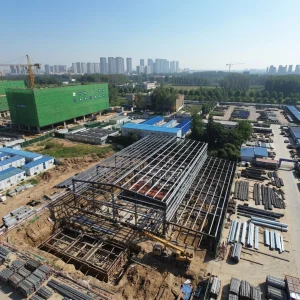
Clear-span designs up to 60 meters allow unobstructed storage spaces. Ideal for distribution centers, manufacturing workshops, and cold-storage facilities in rapidly expanding markets like Africa and Latin America.
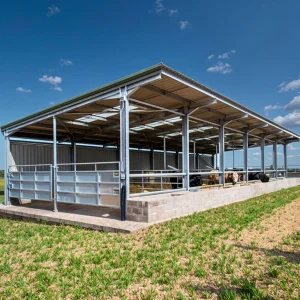
Environmentally controlled structural sheds designed for livestock and poultry farming. Resistant to high-moisture interiors, dust, and dynamic livestock loads, ensuring animal welfare and bio-safety.
Modular, sterile, and rapid-build hospital and school systems. Engineered to meet public safety standards, facilitating prompt installation in urban areas or disaster relief zones.
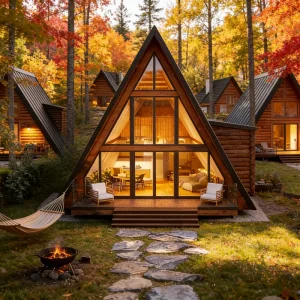
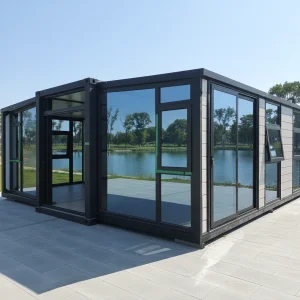
Premium light-gauge steel villas, expandable modular homes, and container residences. Blending modern architectural flexibility with durable materials for resorts and high-end suburban developments.
Key technical and commercial inquiries answered by our structural engineering division.
Explore further custom modular designs, specialized industrial frames, and residential villas.
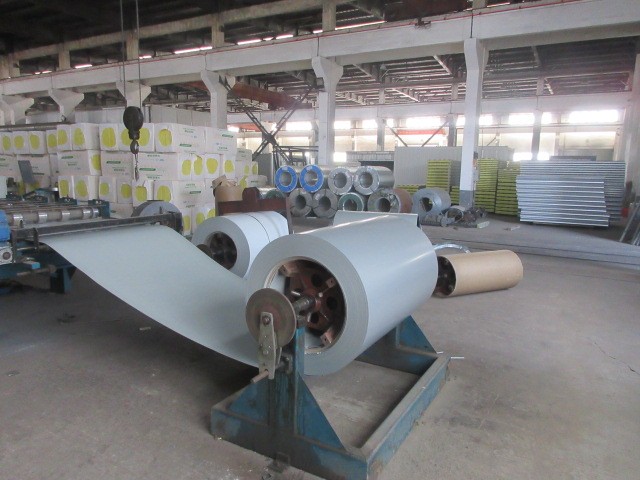
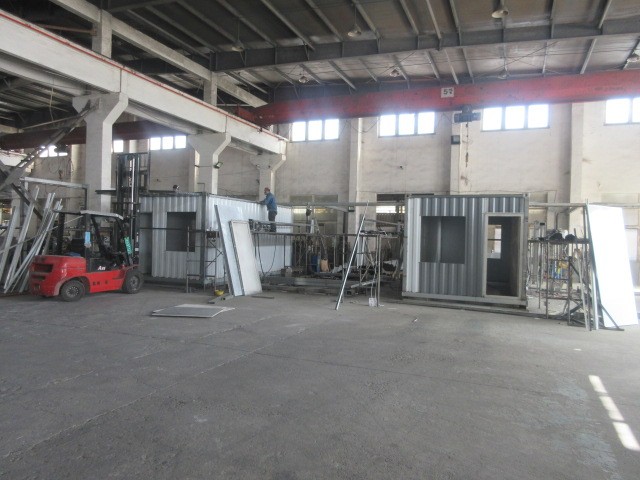
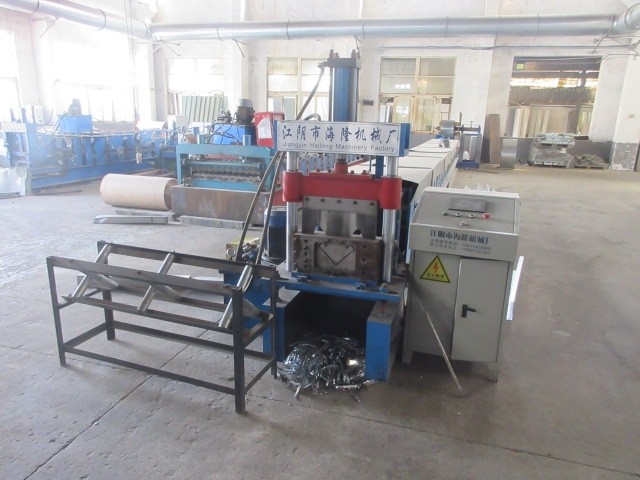
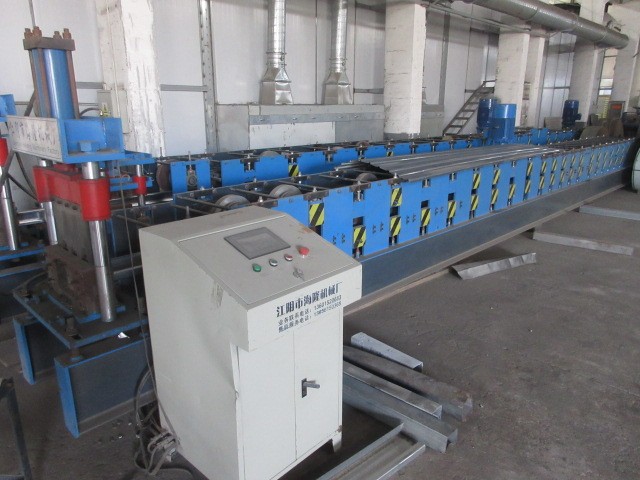
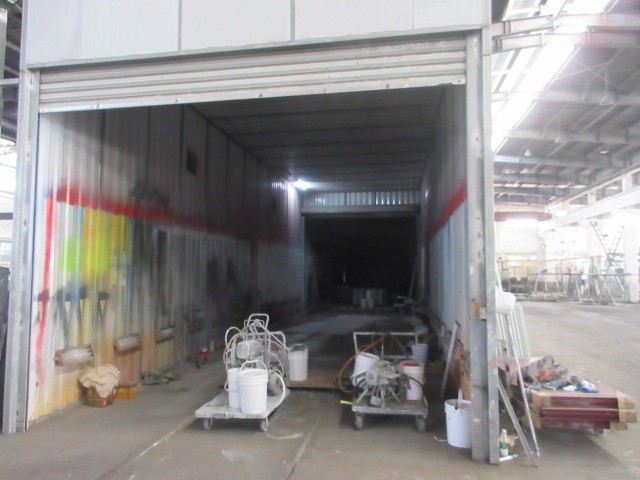
Observe our factory operations, steel-working machinery, and assembly bays in Foshan, China.
 Umo House