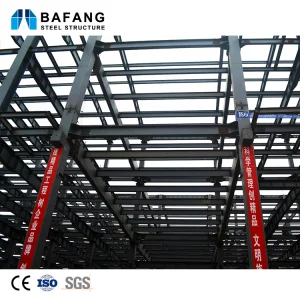
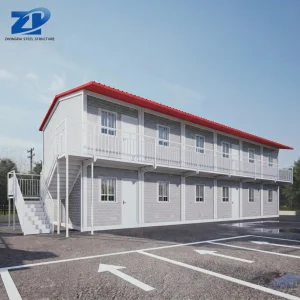
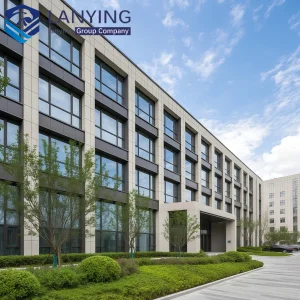
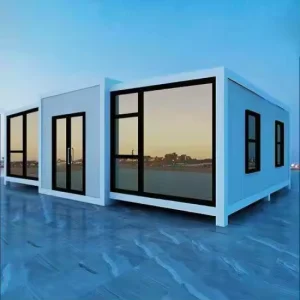
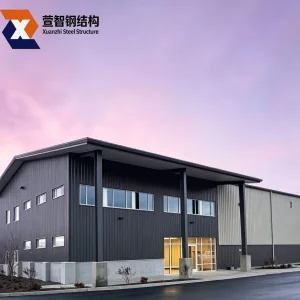
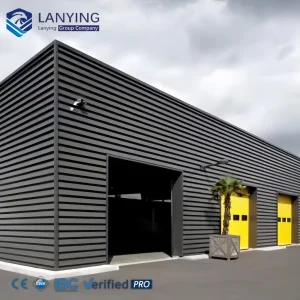
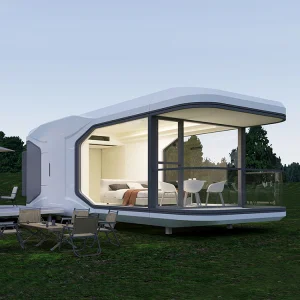
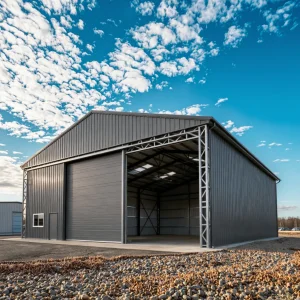
Explore our primary array of high-grade engineering systems, optimized for rapid assembly, absolute code compliance, and structural longevity across demanding climates.
The modern structural steel sector stands as the backbone of modern industrial advancement and urban density logistics. Across the globe, urbanization patterns, combined with the pressing need for rapid infrastructure deployment, have triggered a permanent shift away from traditional concrete wet construction toward off-site manufactured structural steel frameworks.
In highly industrialized markets like Europe and North America, strict environmental regulations and high labor costs make pre-engineered steel buildings (PEB) the standard for heavy manufacturing facilities, multi-story distribution hubs, and high-rise commercial structures. Meanwhile, fast-developing zones across Southeast Asia, Latin America, and the Middle East rely heavily on imported Chinese engineering expertise to construct large-span commercial spaces and industrial zones in record time.
By shifting fabrication from chaotic open-air construction sites to climate-controlled, highly automated manufacturing centers in China, the global construction supply chain achieves exceptional consistency. This methodology mitigates site delays, minimizes raw material waste by up to 30%, and guarantees structural conformance to varying local engineering regulations.
Foshan Umo House Co., Ltd. is a leading professional manufacturer specializing in steel structure houses, prefabricated steel buildings, modular housing systems, and customized construction solutions in China. With extensive industry experience and advanced manufacturing capabilities, we provide durable, efficient, and sustainable building solutions for residential, commercial, industrial, and institutional projects worldwide.
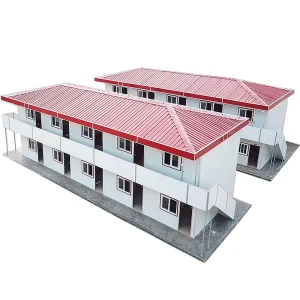
Our comprehensive product portfolio includes steel structure houses, prefabricated homes, modular buildings, steel frame villas, portable houses, expandable homes, labor camps, site offices, warehouses, workshops, commercial buildings, schools, hospitals, dormitories, agricultural buildings, and customized steel construction projects. Every solution is engineered to deliver rapid installation, superior structural performance, cost efficiency, and long service life.
At Umo House, we utilize advanced production equipment and precision manufacturing technologies to ensure every component meets strict international quality standards. Our experienced engineering team provides complete OEM and ODM services, supporting customized architectural design, structural calculations, insulation systems, roofing, wall panels, electrical layouts, plumbing, interior finishing, and project-specific requirements.
Built with premium galvanized steel structures and high-performance building materials, our products offer excellent resistance to corrosion, earthquakes, strong winds, and harsh weather conditions. They also provide outstanding thermal insulation, energy efficiency, and low maintenance, making them suitable for both temporary and permanent construction applications.
Our steel structure solutions are widely used in residential communities, commercial complexes, industrial facilities, logistics centers, mining camps, construction sites, tourism resorts, educational institutions, healthcare projects, government infrastructure, and emergency relief programs. Today, Foshan Umo House exports its products to Europe, North America, South America, Southeast Asia, the Middle East, Africa, and Oceania, building long-term partnerships with contractors, developers, distributors, and engineering companies around the world.
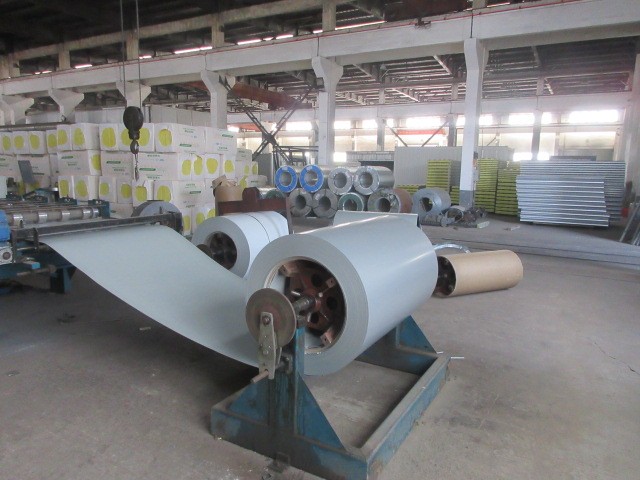
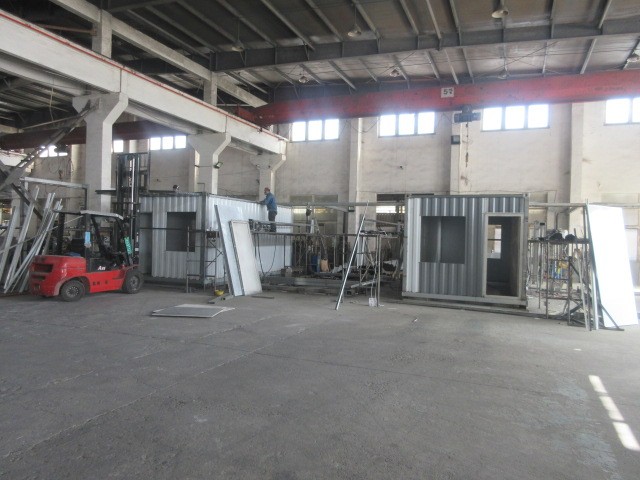
Remaining at the cutting edge of structural engineering requires adapting to trends that prioritize environmental stewardship, speed of deployment, and absolute safety.
Using Building Information Modeling (BIM) programs like Tekla Structures and Revit allows Umo House engineers to execute Level of Development (LOD) 400 models. This integration links the 3D design file directly to CNC cutting and drilling machines in the factory, completely eliminating human measurement errors and speeding up steel processing times.
Decarbonizing steel is a crucial priority. Umo House works to incorporate low-impact, recycled structural steel components and optimized hot-dip galvanized methods to reduce embodied carbon. This helps builders achieve LEED and BREEAM certifications for their industrial developments.
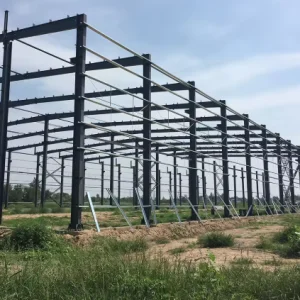
We blend structural steel portals (to achieve large, clear spans) with cold-formed light steel wall panels. This hybrid model achieves optimal structural load distribution, lowers raw building material weight, and keeps shipping costs highly competitive.
A major pitfall in exporting prefabricated structural steel globally is failing to account for regional climate loads and local structural building codes. Foshan Umo House addresses this through rigorous, region-specific calculations overseen by our internal engineering team.
Projects engineered for North America comply with the American Institute of Steel Construction (AISC) manuals and the International Building Code (IBC). In northern regions like Canada or the US Midwest, we increase roof truss dimensions to handle heavy snow loads (often exceeding 2.0 kN/m²).
For Australia and New Zealand, we design to AS/NZS 1170. We prioritize structural designs targeting high-velocity wind zones (Cyclonic Regions C & D). All members use heavy hot-dip galvanization with a minimum coating thickness of 85 microns (Z275/Z450 standard) to resist saltwater corrosion.
For EU markets, structural configurations match Eurocode 3 (Design of steel structures) and Eurocode 4 (Composite steel and concrete structures). We emphasize fire-resistant wall configurations, offering certified rockwool and PIR sandwich panels to meet strict Class A fire protection requirements.
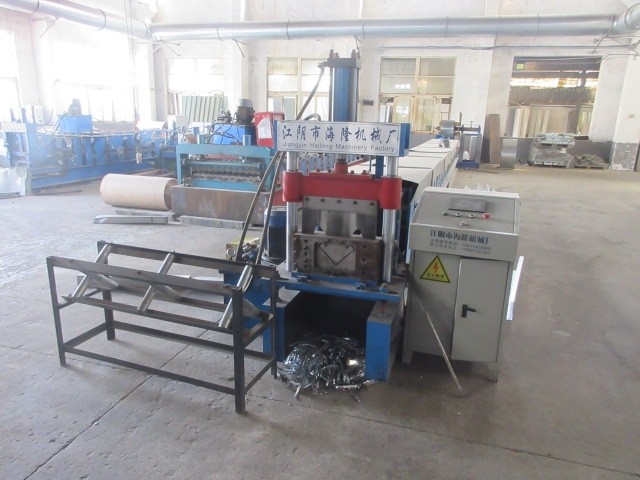
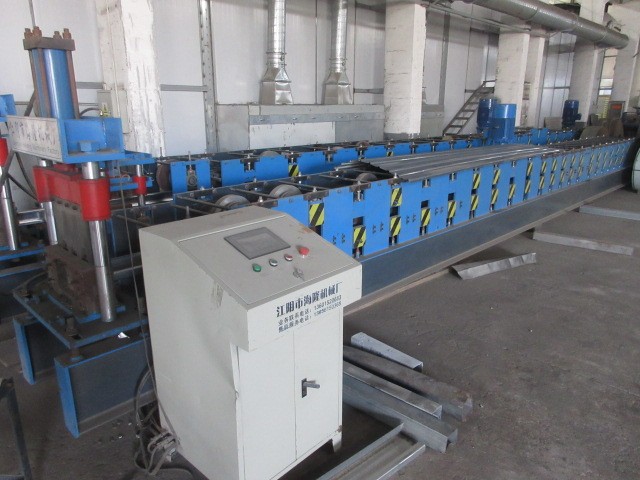
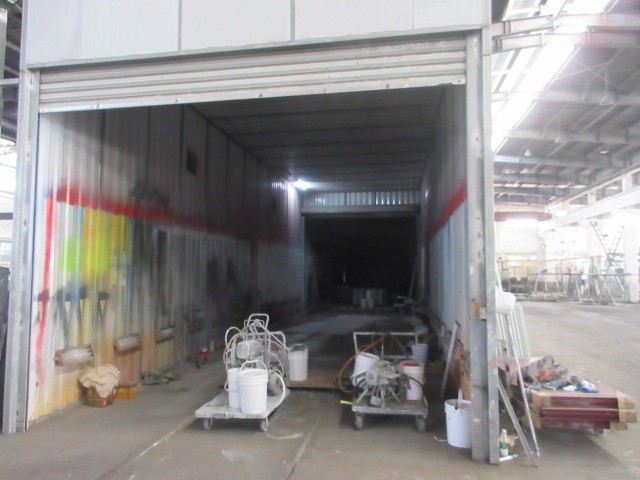
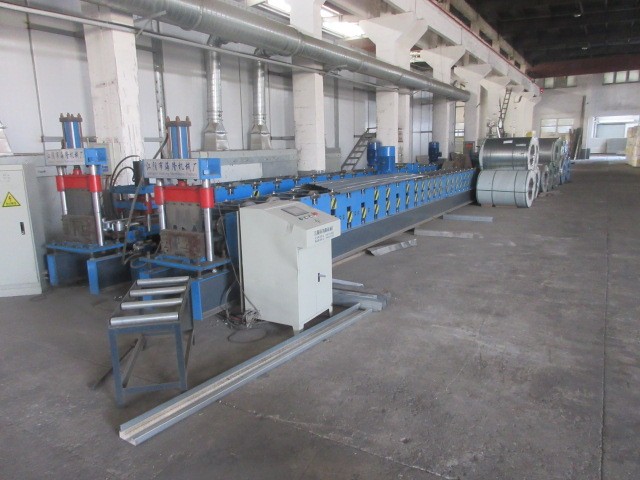
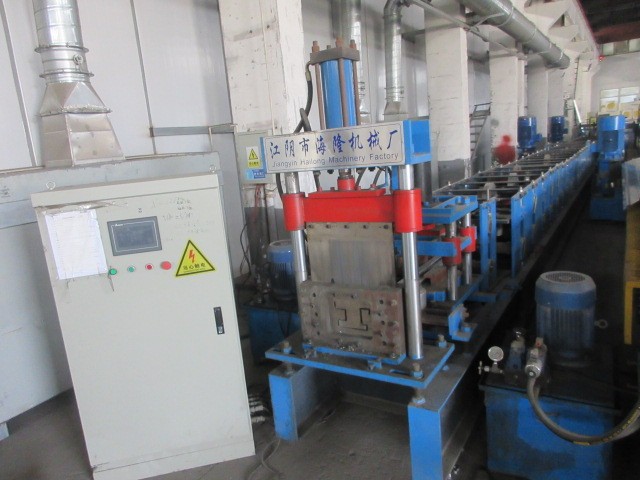
Foshan Umo House maintains competitive leadership by systematically upgrading our engineering systems, physical manufacturing tools, and supply chain logistics.
We are expanding automated welding technology throughout our heavy H-beam fabrication line. Robotic welding arms ensure highly consistent penetration depths, which increases weld strength and structural resistance to cyclic wind and seismic stress.
Future iterations of our high-end modular designs will include built-in smart sensors. These monitor real-time temperature, moisture, and structural shifts. This gives logistics hubs and commercial high-rises active data on building health over their life cycle.
We are partnering with leading insulation material manufacturers to replace standard synthetic wall cores with bio-based panels. This step reduces VOC emissions, helping construction projects meet strict green building criteria.
High-quality structural steel acts as a strategic hedge against volatile real estate development timelines. Our turnkey structural packages solve major business challenges:
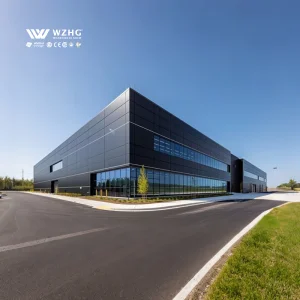
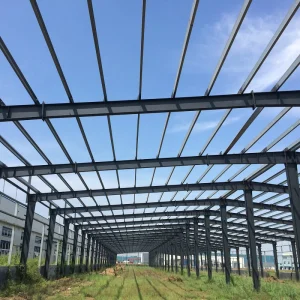
E-commerce giants require massive, column-free spaces for automated sorting machines and tall pallet racking systems. Our large-span portal frame warehouses deliver column-free spans of up to 48 meters, allowing developers to optimize floor layout and logistics workflow.
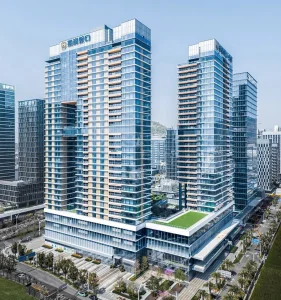
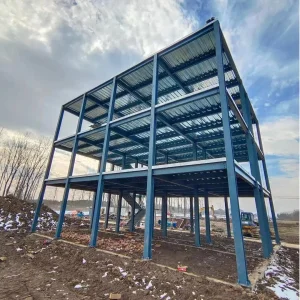
Rapid urban growth demands high-density residential buildings that can be occupied quickly. Our modular, multi-story structural frames allow developers to complete construction up to 50% faster than traditional concrete methods, dramatically reducing financing costs.
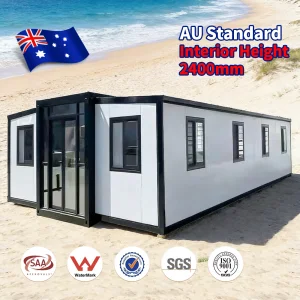
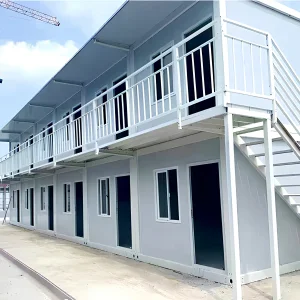
Extracting resources in remote areas requires comfortable, weather-resistant facilities. Umo House's flat-pack and expandable container systems provide reliable dormitories, offices, and canteen facilities that can withstand sub-zero or desert conditions.
Detailed answers to structural integrity, logistics, and material composition questions from global procurement directors.
Discover our specialized line of modular units, light-gauge housing kits, and high-capacity industrial buildings designed for long-term reliability.
 Umo House