Explore our top portfolio of high-rise structures, smart capsule houses, and expandable container systems crafted for contemporary efficiency.

Global architectural and construction landscapes are steering rapidly towards pre-engineered systems. Foshan Umo House Co., Ltd. stands at the epicenter of this structural revolution. Prefabricated steel structural systems deliver a standard of high structural integrity, optimized weight-to-strength ratios, and unparalleled resilience. Traditional brick-and-mortar methodologies are being systematically outpaced by modular, factory-controlled structural designs. Our specialized light and heavy steel assemblies represent the benchmark of modern engineering, integrating material science with lean processing technologies.
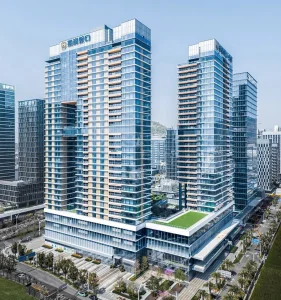
By leveraging computational BIM (Building Information Modeling) and state-of-the-art alloy designs, we offer structures that not only reduce overall building execution timeframes by up to 50% but also significantly reduce carbon footprint outputs during the transport and construction phases. These advanced steel structures form the backbone of modern skyscrapers, large-scale industrial complexes, and luxury modular housing systems worldwide.
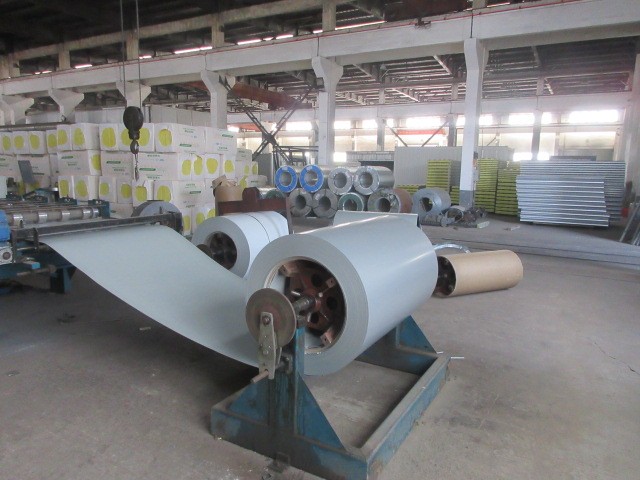
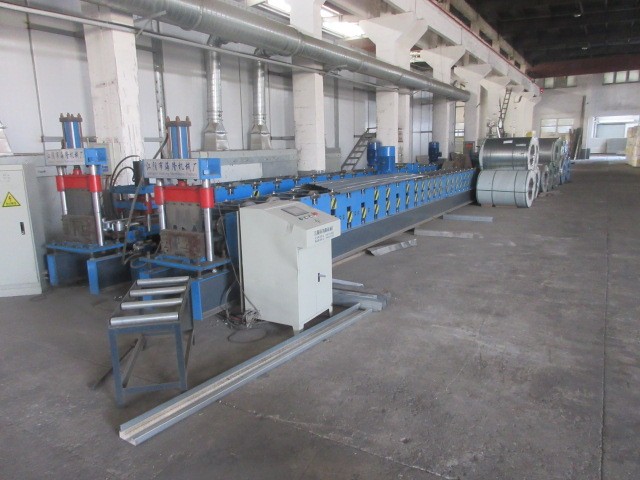
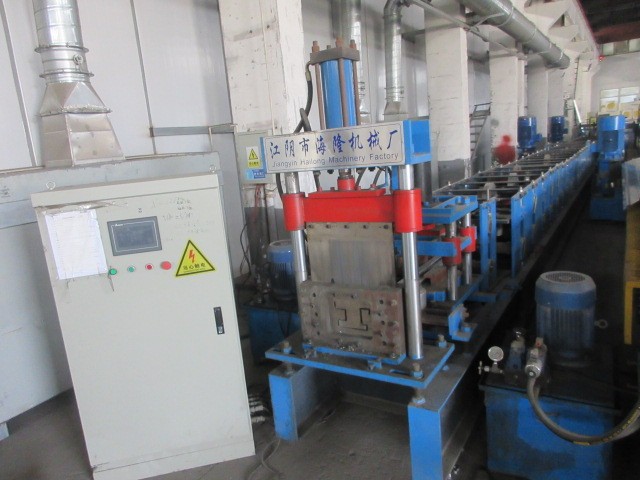
Our manufacturing complex in Foshan is a designated Industry 4.0 smart facility. Our supply chain configuration utilizes advanced enterprise resource planning (ERP) interconnected with automated fabrication machinery. From CNC profile cutting and automatic submerged arc welding to multi-spindle drilling lines, human error is designed out of the cycle. This strict automation ensures that structural tolerances are held within tight sub-millimetric margins.
Furthermore, China’s industrial ecosystem provides unparalleled access to premium structural steel grades (such as Q355B and Q420), high-efficiency corrosion protection treatments, and robust transport links. As a localized yet globally coordinated OEM/ODM partner, Umo House harnesses this localized raw material abundance to shield our clients from localized commodity shocks, delivering predictable project costing and highly reliable scheduling matrices.
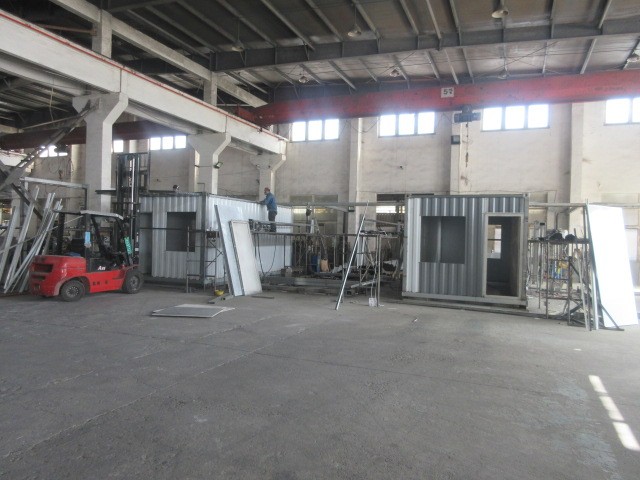
How we integrate next-generation materials, computational layouts, and ecological frameworks to future-proof global investments.
Integration of thermo-mechanically controlled processed (TMCP) steel plates and H-sections. This allows for lighter dead-load structures with increased yield strengths, saving structural cost while maintaining seismic performance levels.
Utilization of high-density PU, rockwool, and PIR insulated sandwich wall panels with precise tongue-and-groove connections, delivering U-values optimized for both extreme sub-zero zones and high-temperature tropical areas.
Implementation of hot-dip galvanization with a minimum zinc coating weight of 275g/m² (Z275), fortified with marine-grade polyurethane topcoats to resist heavy industrial and high-salinity environment wear.
Umo House structures are deployed across critical global sectors, custom engineered for severe climatic and site conditions.
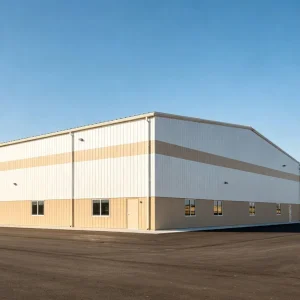
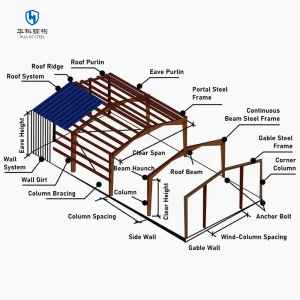
Large-span portals, multi-tier mezzanines, and high-load gantry systems designed to host complex material sorting machinery. Dynamic loading calculations ensure safe operations under continuous overhead crane activities.
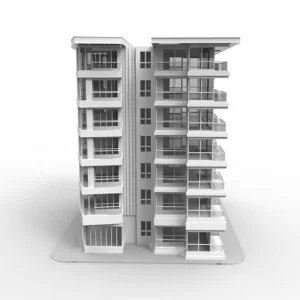
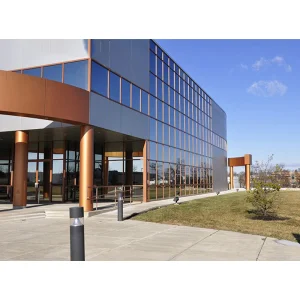
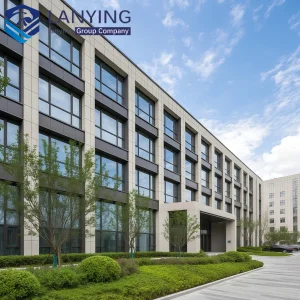
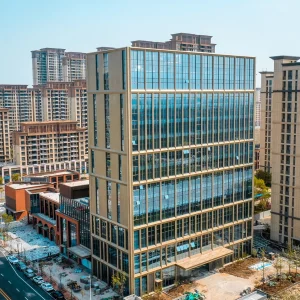
Advanced frame buildings engineered for schools, hospitals, and office blocks. Flexible architectural configurations combined with strict acoustic insulation specifications ensure comfortable, multi-occupancy structural designs.
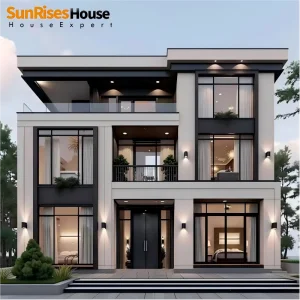
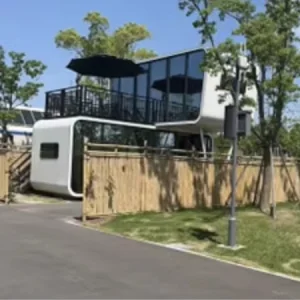
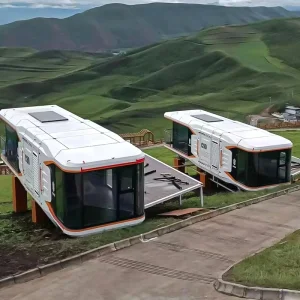
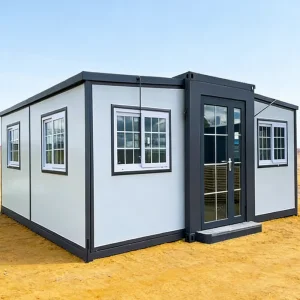
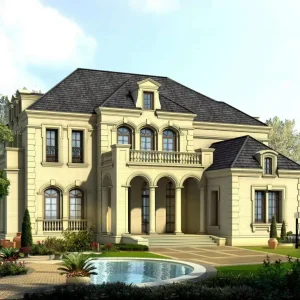
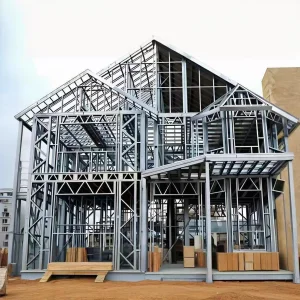
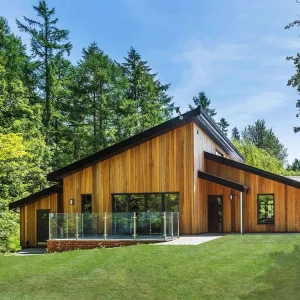
From customizable structural steel villas to smart mobile capsule cabins. Built to support microgrid integration, smart control hubs, and quick installation setups in remote, eco-sensitive environments.
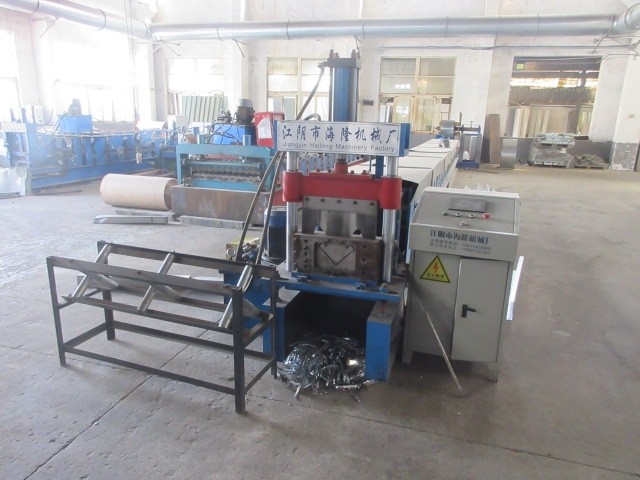
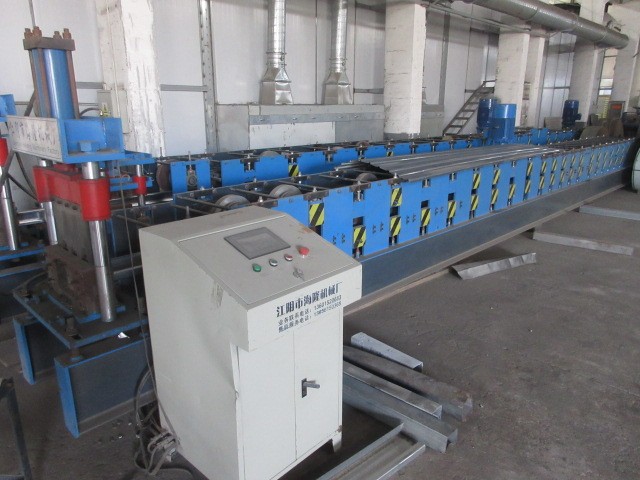
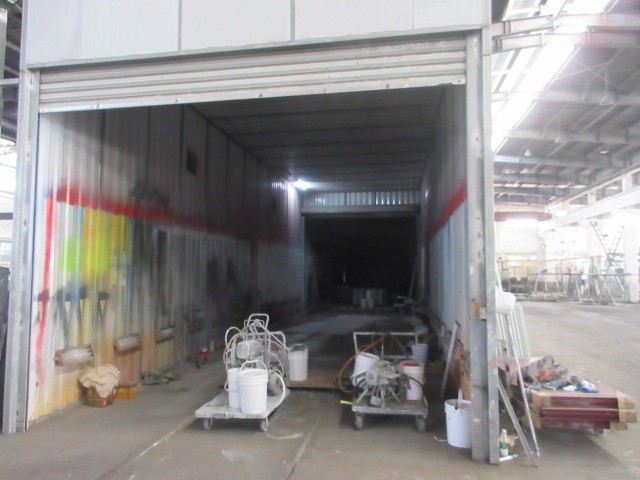
For procurement directors and EPC managers, sourcing structural steel components globally presents unique risks: material validation, geometric tolerance deviations, cargo damage during shipping, and code compliance. Foshan Umo House addresses these concerns through strict quality management. Every raw material batch is tracked with Mill Test Certificates (MTC) conforming to EN 10204 3.1. We perform non-destructive testing (NDT), including ultrasonic and magnetic particle inspections, to verify weld integrity on key load joints.
Logistical engineering is another pillar of our global service. Container layout planning is conducted via smart loading software to optimize container volume usage, secure components against shifting, and index all parts for efficient sorting and assembly on-site. This decreases port storage times and site management costs, delivering a highly efficient project execution workflow from factory to site.
Navigating varying regional building regulations requires an advanced engineering approach. Our structural design group utilizes structural calculations aligned with major international standards. Whether designing for heavy snow loads in Northern Europe under Eurocode 3, high wind forces in the Caribbean using the International Building Code (IBC 2021), or seismic conditions in the Pacific Rim under AS/NZS 1170, we adapt designs to match target criteria.
We work closely with localized third-party certifiers and Registered Professional Engineers (RPE) to facilitate smooth permit approvals. From foundation load reactions to structural connection details, we deliver complete calculation books, BIM models, and mechanical specifications to accelerate regulatory approval processes.
Key technical answers for engineering firms, project developers, and procurement managers.
Explore additional modular, commercial, and heavy-duty industrial designs engineered for quick deployment.
 Umo House