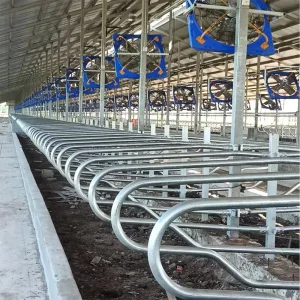
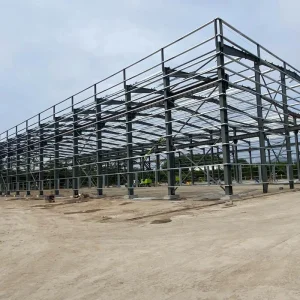
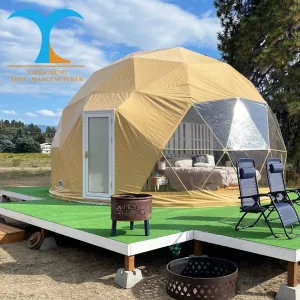
Explore our premium architectural structures and precision modular buildings manufactured for global logistics, residential integration, and specialized commercial operations.
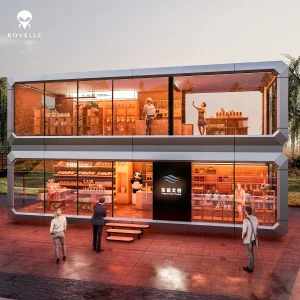
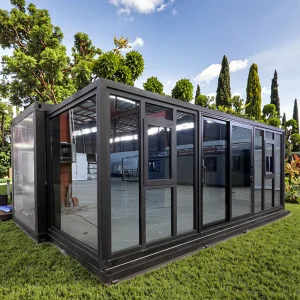
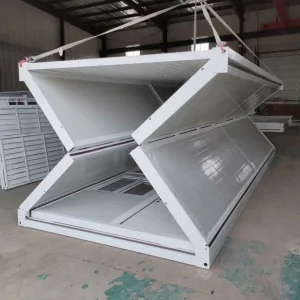
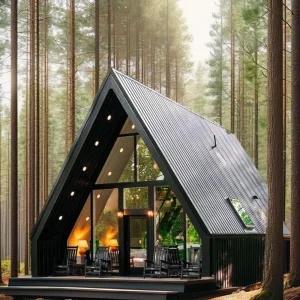
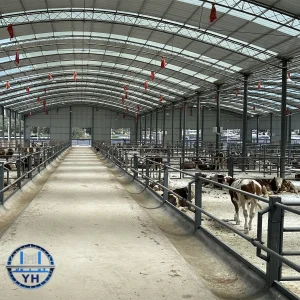
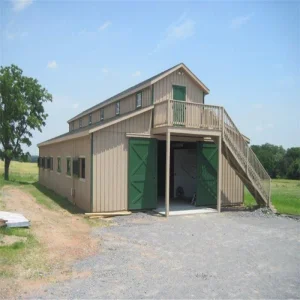
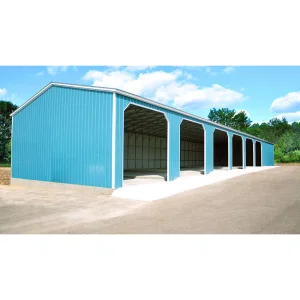
Modern engineering relies heavily on predictability, speed of execution, and robust cost-containment. Traditional cast-in-place concrete structures are increasingly giving way to pre-engineered steel buildings (PEBs) and smart light-gauge steel (LGS) modular units. As global EPC (Engineering, Procurement, and Construction) companies and industrial project developers navigate rising labor costs and compressed schedules, China's advanced manufacturing capabilities have matured to provide highly sophisticated, BIM-driven smart steel building structures. Companies like Foshan Umo House Co., Ltd. represent the pinnacle of this technological leap, integrating advanced CNC machinery, automation workflows, and strict quality control processes to ship code-compliant steel assemblies worldwide.
“Smart steel buildings are not merely prefabricated structural frames; they represent a fully integrated design-to-build ecosystem where Building Information Modeling (BIM) determines millimeter-accurate tolerance, optimization of thermal envelopes, and minimized lifecycle carbon output.”
The transition from traditional hot-rolled framing structures to "Smart Steel Buildings" is characterized by integration at every stage of the design-production-operation lifecycle:
Advanced nesting software processes beam and profile lengths to minimize waste down to less than 1.5%, delivering considerable raw-material savings for large-scale warehouse and commercial installations.
Our flatpack container, capsule, and villa sub-assemblies conform to ISO container dimensions, assuring easy containerization, decreased maritime freight expenses, and straightforward handling.
Structural elements are fabricated with Q355B and Q235 steel, treated with protective coatings to maintain structural integrity under extreme wind loads and high-frequency seismic conditions.
Foshan, China serves as a premier manufacturing hub for advanced construction products, metals, and pre-engineered components. Foshan Umo House Co., Ltd. capitalizes on this concentrated industrial footprint to establish an agile, resilient supply chain that controls quality from raw material procurement to international delivery.
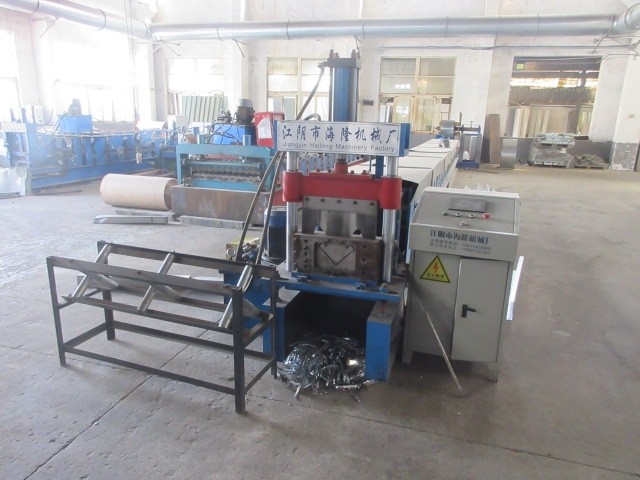
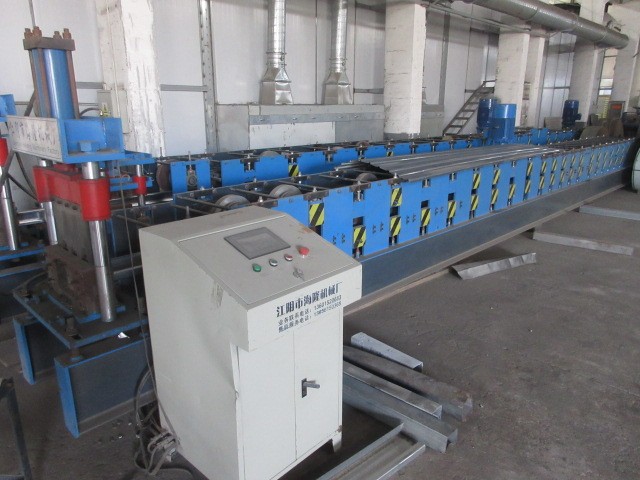
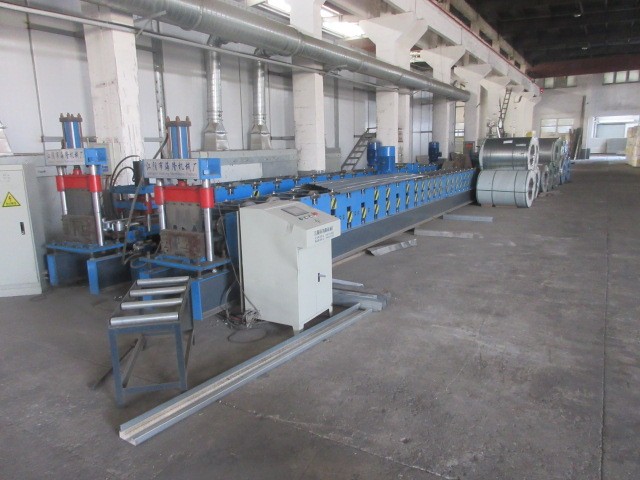
Access to major deep-water ports (such as Nansha, Shenzhen, and Hong Kong) minimizes shipping times and supports smooth container logistics. Our manufacturing facility combines hot-dipped galvanization plants, precision profile roll-forming machines, laser-cutting tables, and automated welding stations under one QA/QC team. This integrated manufacturing model ensures that high-volume orders—such as commercial warehouses, multi-story office buildings, and complete workforce housing camps—are processed quickly and accurately to meet tight construction schedules.
Building regulations vary widely between jurisdictions. Prefabricated buildings exported globally must meet local structural, thermal, and electrical codes. Foshan Umo House Co., Ltd. employs a dedicated team of compliance engineers who adapt standard configurations to satisfy international structural requirements:
Designs are engineered to comply with the International Building Code (IBC) and AISC standards. For hurricane-prone regions like the Caribbean, framing connections, foundation anchor systems, and claddings are calculated to withstand wind velocities up to 250 km/h (Category 5 conditions). Electrical layouts are adapted to support UL-certified component paths.
Our designs follow Eurocode 3 (EN 1993) specifications for structural steelwork. To meet strict thermal efficiency codes, we construct modular walls with advanced thermal-break profiles and high-density, fire-resistant insulation materials, achieving target U-values that lower HVAC consumption during winter and summer.
Fabrication standards align with AS/NZS 1170 (structural design actions) and AS 4600 (cold-formed steel structures). All structural welding complies with AS/NZS 1554. Corrosion mitigation is engineered according to microclimate corrosivity classes (C3, C4, C5-M), applying zinc protective coatings and marine-grade paint finishes.
In seismic-active zones across South America and the Pacific Rim, the low weight and high ductility of steel frame structures offer natural mechanical advantages. Dynamic structural calculations are modeled to ensure that framing configurations remain stable during lateral seismic movements.
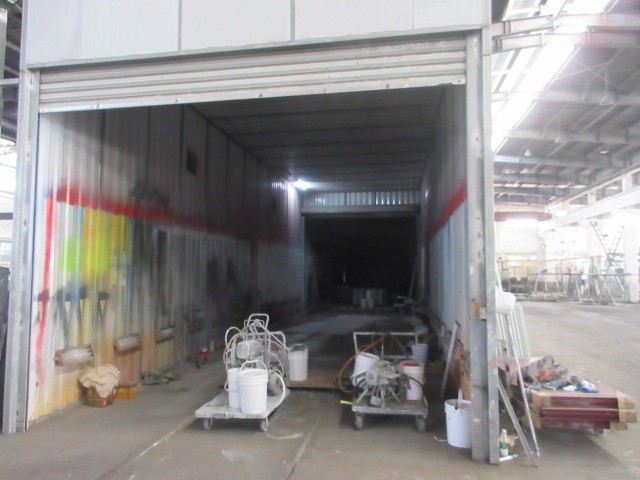
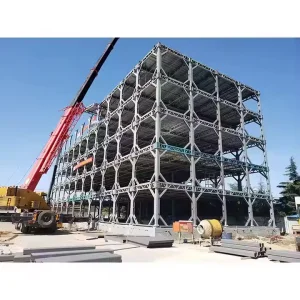
A visual look at the production stages, testing, structural frameworks, and finishing steps carried out inside Foshan Umo House Co., Ltd.
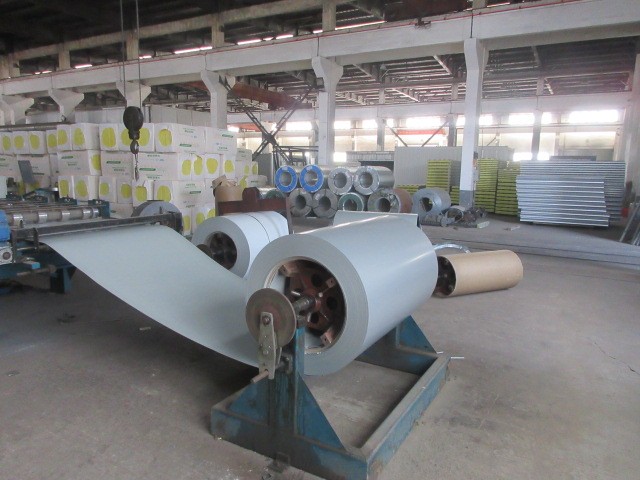
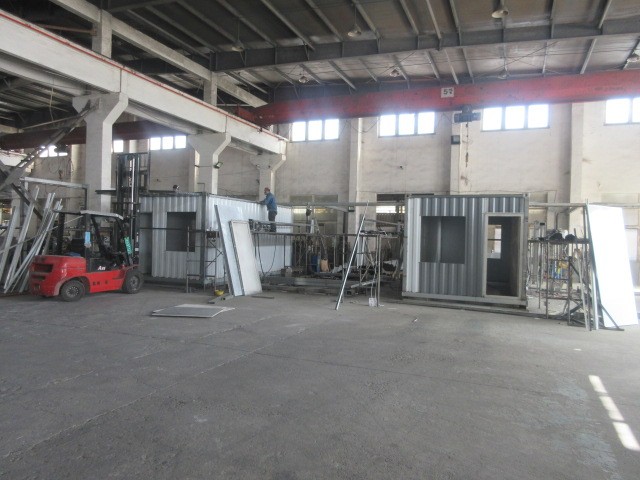
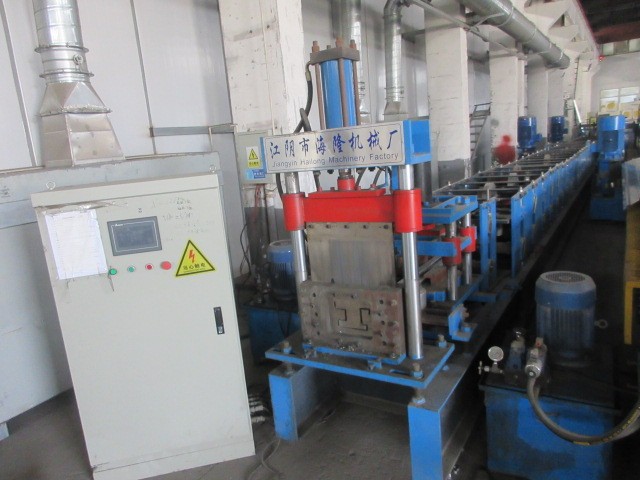
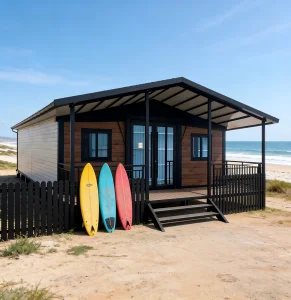
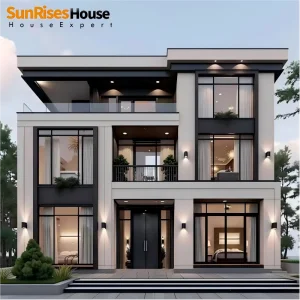
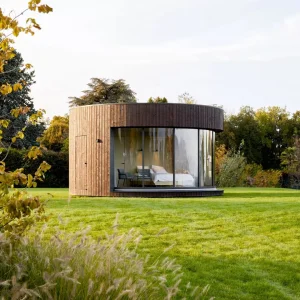
Browse our extensive portfolio of light steel villas, industrial warehouses, resort cabins, and modern tiny homes configured for long-term durability.
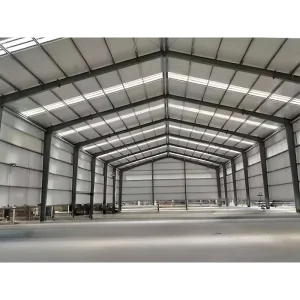
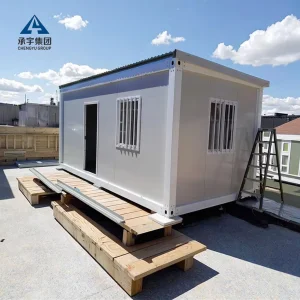
Find engineering answers regarding design criteria, material specifications, customization capabilities, and global logistical protocols.
 Umo House