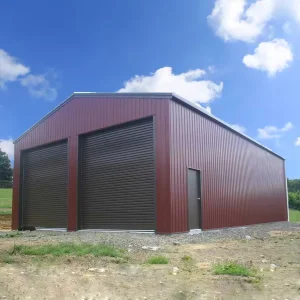
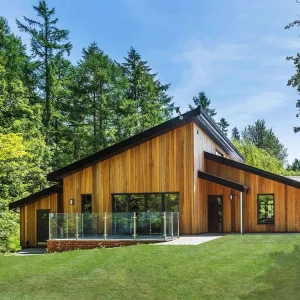
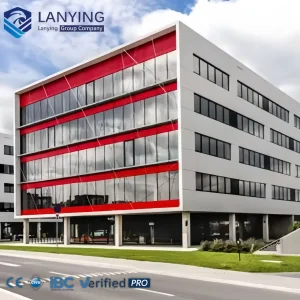
Explore our premium grade steel-framed expandable, modular, and industrial buildings optimized for rapid deployment and certified international engineering codes.
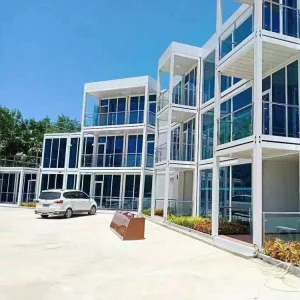
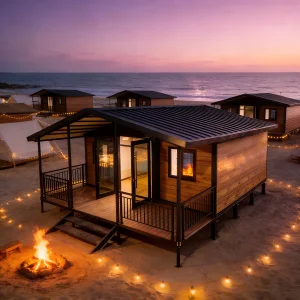
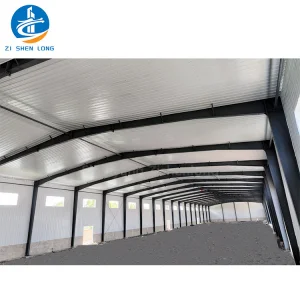
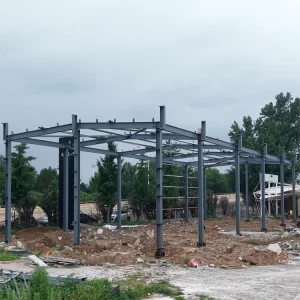
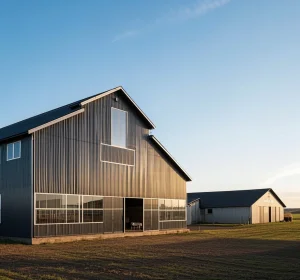
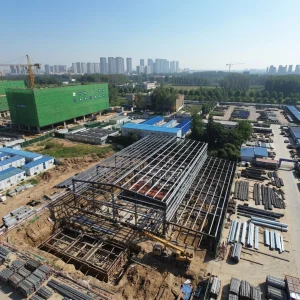
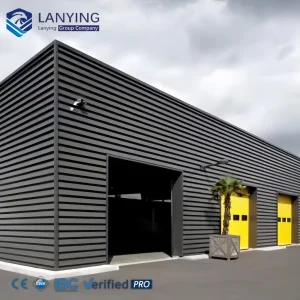
Analyzing the transition from high-carbon brick-and-mortar masonry to industrialized, fast-track off-site structural steel fabrication.
Global urbanization, combined with rising material shortages and stringent climate resilience metrics, has created a structural bottleneck in community residential developments. Traditional concrete-based construction methods struggle to meet demand speed, labor availability, and sustainability objectives. As an industry-leading China wholesale steel community housing supplier and exporter, Foshan Umo House Co., Ltd. resolves this industrial challenge through advanced off-site prefabricated engineering designs.
By shifting up to 90% of the building construction process to our quality-controlled factory environment, we eliminate variable site-related delay factors. Industrial-grade structural steel framework exhibits an exceptional strength-to-weight ratio, allowing engineers to minimize foundation loads while maximizing spatial optimization. This structural benefit directly corresponds to reduced site preparation costs and accelerated timelines for municipal and residential community stakeholders globally.
Our structures incorporate heavy-duty hot-dip galvanized steel frames combined with light-gauge steel (LGS) wall infills. This integrated approach creates robust structural diaphragms capable of resisting extreme natural forces. Whether deploying emergency housing, mineral labor complexes, or high-density public housing communities, Umo House engineered structures guarantee compliance, durability, and a lower total cost of ownership (TCO).
Through our comprehensive OEM and ODM system integration, clients receive complete engineering packages. We supply everything from cold-rolled columns and hot-rolled beams to integrated interior fittings, sanitary ware, electrical wiring, and high-performance insulation envelopes. This turnkey industrial model streamlines procurement and execution for major general contractors and developers worldwide.
Examining how high-capacity structural steel modules address housing deficits, logistical challenges, and ESG imperatives in global commercial environments.
Steel is 100% recyclable, allowing builders to reach strict Net Zero targets. Prefabrication limits material waste to less than 1% during processing, significantly reducing the carbon footprint of logistics and field operations.
By shipping modular components, flat-pack kits, and container-based structures ready to assemble, we reduce delivery times. The structures act as their own shipping vessels, reducing oceanic logistics expenses.
Fast construction turns empty land into rent-yielding developments or operational commercial zones months ahead of schedule. Ideal for resort complexes, mining campus installations, and student living.
A rigorous review of structural parameters, corrosion protection measures, fire ratings, and material performance indicators.
Foshan Umo House Co., Ltd. incorporates structural grade steel matching global standards. Our structural design phase includes comprehensive calculations analyzing maximum load capacities, seismic performance, and dynamic wind resistance profiles. The table below lists our standard architectural engineering parameters:
| Structural Parameter | Technical Classification & Specification Standard | Engineering Performance Indicator |
|---|---|---|
| Primary Steel Frame | GB/T 700 Q235B / GB/T 1591 Q355B (S235JR / S355JR Equivalent) | Yield Strength: ≥ 355 MPa; Tensile Strength: 470–630 MPa |
| Corrosion Treatment | Hot-Dip Galvanization to ISO 1461 & ASTM A123 Standards | Galvanization Coating Thickness: 275 g/m² - 450 g/m² (Service life > 50 years) |
| Seismic Performance | AISC 341 Seismic Provisions for Structural Steel Buildings | Grade 8 Earthquake Resilience (Peak Ground Acceleration up to 0.3g) |
| Wind Load Capacity | BS EN 1991-1-4 (Eurocode 1: Actions on structures) | Resists wind velocities up to 120 km/h (Class 12 Typhoon/Hurricane) |
| Insulation Options | High-Density Polyurethane (PU), PIR, or Rockwool Sandwich Panels | Thermal Conductivity (λ) down to 0.022 W/m·K (PIR); Fire class: A1 (Rockwool) |
| Floor System Loading | AS/NZS 1170 Structural Design Actions | Live Load: 2.0 kN/m² to 5.0 kN/m² (Customizable for workshops/dormitories) |
Ensuring localized structural engineering safety, legal alignment, and site-specific load adaptions globally.
For US and Canadian markets, our structural design software (STAAD.Pro, Tekla) incorporates AISC 360 LRFD design requirements. Wall and roof cladding panels comply with ASTM and UL fire standards, and electrical systems can be pre-configured with UL-listed cabling and distribution boards. This simplifies site inspection and regulatory approval processes for local building authorities.
Our manufacturing lines are set up to produce cold-formed structural steel members in compliance with EN 1090-2 (Execution of steel structures) and AS/NZS 4600 standards. We provide fully trace-tested mill certificates for steel plates, guaranteeing precise chemistry, thickness tolerances, and structural loading curves required in the EU, Australia, and New Zealand.
For high-corrosion coastal locations and arid desert sites, we increase hot-dip zinc coating density and apply specialized multi-layer epoxy primers. This protects the structures against marine wind corrosion and extreme thermal changes. Our high-density Rockwool insulation panels ensure indoor thermal comfort in hot climates, lowering cooling costs.
How Foshan Umo House integrates digital manufacturing with advanced structural materials to deliver next-generation steel housing.
Every steel component is modeled in high Level of Development (LOD) BIM software. This links directly to CNC rolling lines, eliminating manual measurement errors, minimizing field issues, and ensuring components line up perfectly on site.
We are integrating phase-change materials and aerogel-infused composite walls. This design lowers thermal bridging and increases energy efficiency, reducing energy consumption during building operations.
We supply modular steel foundation assemblies alongside our structural frames. Using ground screw anchors instead of heavy concrete pads reduces installation times from weeks to days, protecting natural topsoil.
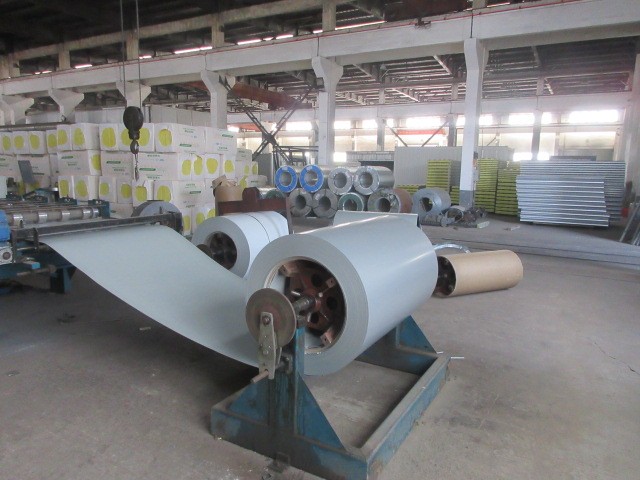
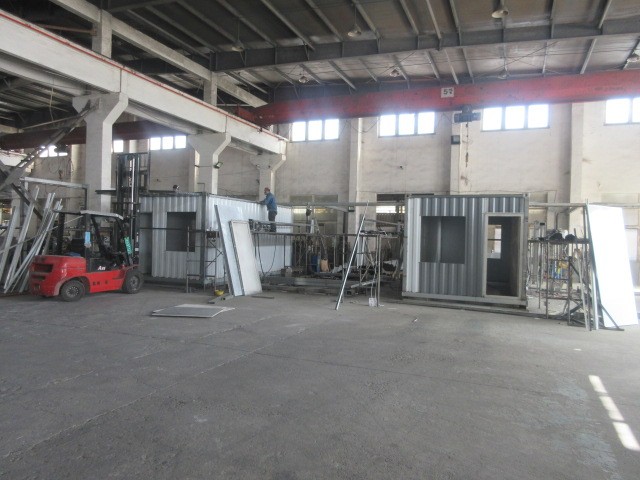
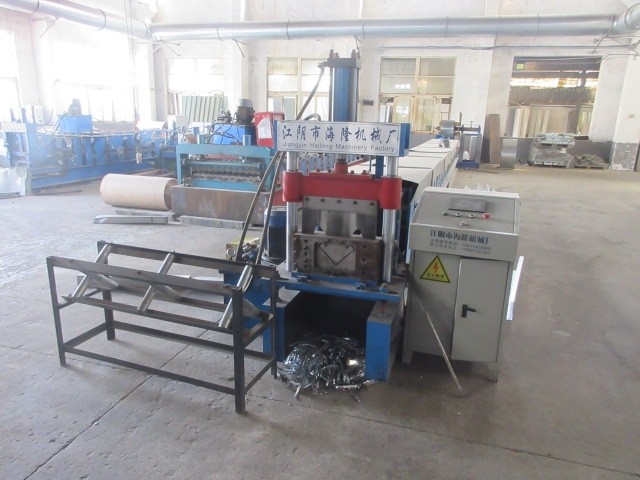
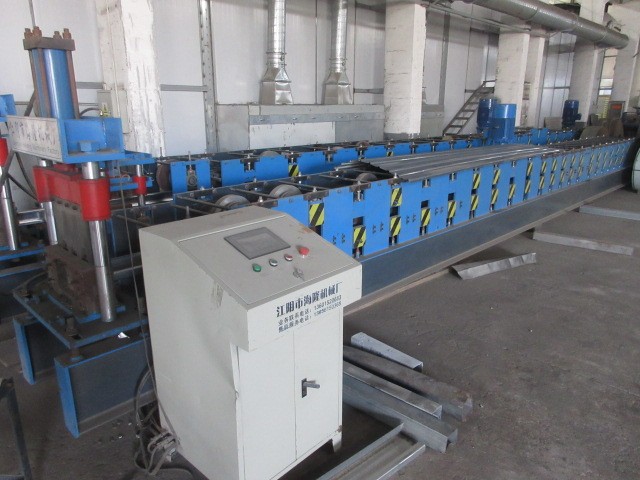
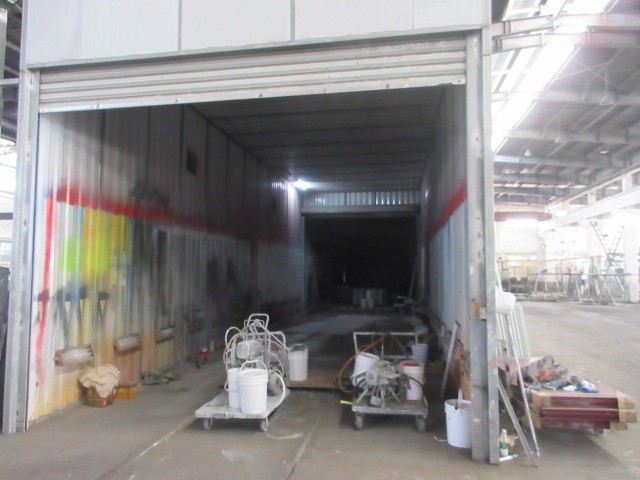
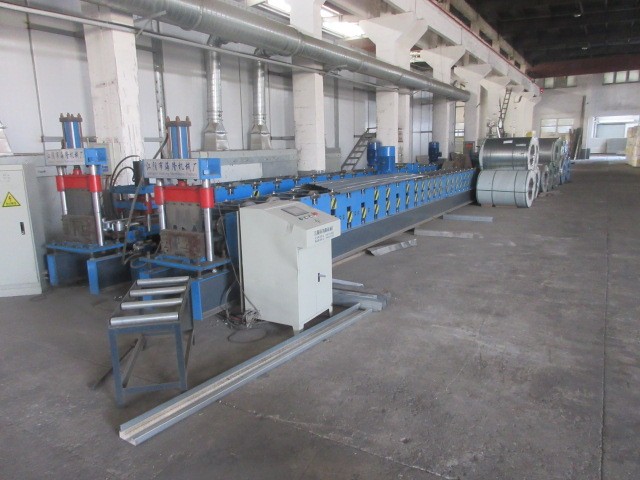
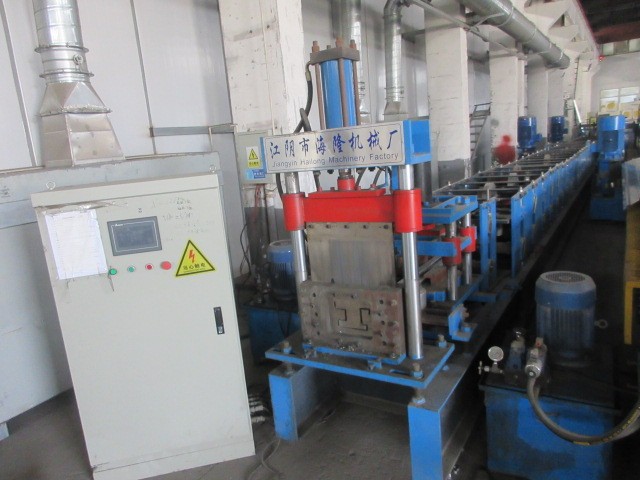
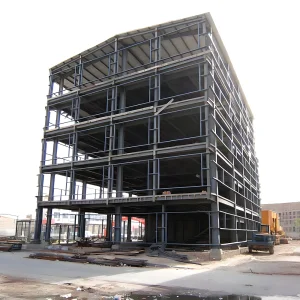
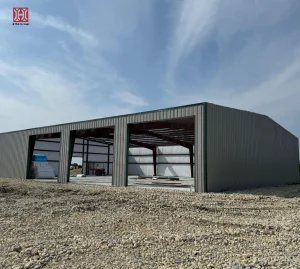
Explore actual production processes, structural framing assemblies, and completed modular steel building setups at our Foshan manufacturing site.
Essential guidance on structural durability, site assembly, regulatory approvals, and shipping practices.
Our primary columns, portal trusses, and load-bearing framework are fabricated from hot-rolled Q355B (equivalent to ASTM A572 Grade 50 or S355JR) structural carbon steel. These materials are selected for their high yield strength and ductility, which are essential for seismic resistance and heavy structural spans. Secondary members and purlins use cold-rolled galvanized steel sections with minimum yield strengths of 250 MPa to 345 MPa.
All structural steel members undergo thorough surface preparation before being treated. We offer hot-dip galvanization (HDG) with a zinc coating thickness of 275 g/m² to 450 g/m² in accordance with ISO 1461 and ASTM A123. For coastal installations exposed to high humidity and salt spray, we apply a double-layer polyurethane or epoxy topcoat over the galvanized frame to prevent rust and extend structural life.
Yes. Our in-house engineering team uses structural analysis software (STAAD.Pro, AutoCAD, and Tekla Structures) to design buildings that meet specific local codes. We can adapt designs to comply with IBC (International Building Code), Eurocode 3 (EN 1993), AS/NZS 4600 (Cold-formed steel structures), and other local requirements. We also provide calculations signed off by registered engineers for local permit approval.
We offer a range of envelope solutions to suit local climates. For colder areas, we use high-density Polyurethane (PU/PIR) sandwich panels (ranging from 50mm to 150mm thick) that offer excellent R-values (thermal resistance). For environments requiring strict fire safety ratings, we supply Class A1 non-combustible Rockwool sandwich panels, which provide excellent fire containment and acoustic dampening.
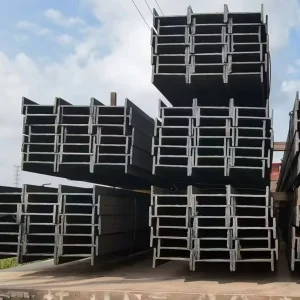
We package components to minimize shipping volume and protect finished surfaces during transit. Flat-pack modular container units are bundled in stacks that ship as standard 20ft or 40ft units. Heavy structural frames are packed on customized steel pallets for easy crane and forklift unloading at the job site. Fasteners, windows, doors, and electrical components are shipped in labeled crates to ensure smooth site assembly.
Our prefabricated steel buildings can be installed on several foundation types depending on soil quality and building use. The most common options are concrete slab-on-grade foundations, strip footings, and concrete piers. For temporary setups or remote sites where minimal site disturbance is required, ground helical screw piles can be driven directly into the earth. This allows the structural frame to be anchored quickly without pouring concrete.
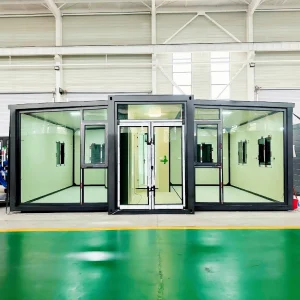
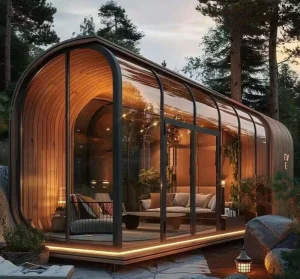
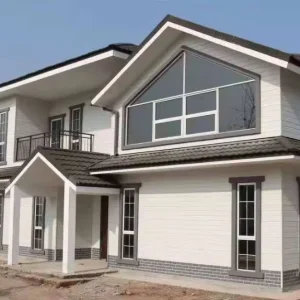
Explore additional high-performance modular structures, luxury steel villas, high-rise framing components, and panel systems manufactured by Foshan Umo House Co., Ltd.
 Umo House