Explore our cutting-edge light gauge and structural steel frame systems designed for minimal carbon footprint, ultimate energy savings, and rapid assembly.
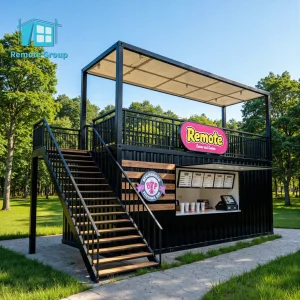
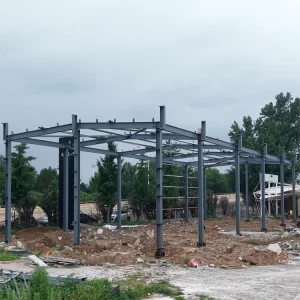
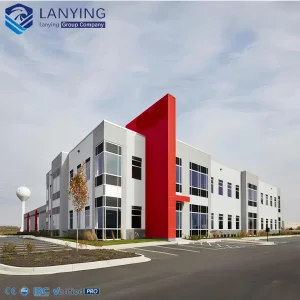
The global construction industry is undergoing a paradigm shift driven by urban population growth, climate change, and stringent green building regulations. Traditional masonry and timber construction methods struggle to meet contemporary targets for speed, low waste, and thermal performance. Prefabricated light gauge steel (LGS) and structural steel framed systems represent the pinnacle of modern methods of construction (MMC).
As governments worldwide commit to net-zero carbon goals, developers face pressure to implement materials with a low embodied carbon footprint and high thermal efficiency. Steel structures are uniquely positioned to meet these demands. Highly recyclable, structurally predictable, and extremely durable, engineered steel combined with advanced envelope insulation provides exceptional thermal performance, reducing lifetime heating and cooling energy usage by up to 60%.
Furthermore, off-site construction processes reduce local site disruption, minimize material waste, and accelerate project timelines. For commercial developers, public authorities, and housing organizations, transitioning to energy-efficient OEM prefabricated steel buildings has shifted from a forward-looking choice to a competitive, regulatory necessity.
The misconception that steel structures are poor insulators due to thermal bridging is refuted by modern building physics. High-performance OEM energy-efficient steel houses rely on advanced building envelope engineering. By decoupling structural metal from exterior temperatures using thermal breaks and continuous insulation layers, we ensure minimal temperature transfer.
Thermal bridging occurs when heat bypasses insulated spaces through conductive pathways, such as steel studs. To mitigate this, our structural systems integrate:
| Structural Element | Standard Construction Specifications | U-Value / Thermal Resistance (R) Performance |
|---|---|---|
| External Wall Cavity | Cold-formed steel stud (140mm) + Glasswool insulation + 50mm PIR External Board | U-Value: 0.16 W/m²K (R-Value ~6.25 m²K/W) |
| Roofing System | Insulated PU Sandwich Panel (100-150mm) or Mineral Wool Infill with Vapor Barrier | U-Value: 0.14 W/m²K (R-Value ~7.14 m²K/W) |
| Glazing Assemblies | Thermally broken double/triple-glazed Argon-filled low-E glass | U-Value: 1.1 - 1.4 W/m²K |
| Structural Steel Coating | Z275 / AZ150 Hot-Dip Galvanization + Epoxy protective layers | Up to 100-year anti-corrosion life span |
Structural reliability must match thermal efficiency. Our prefabricated buildings are modeled using Finite Element Analysis (FEA) to withstand extreme environmental challenges:
Foshan Umo House Co., Ltd. applies rigorous material standards, design simulations, and international quality management protocols to every product batch.
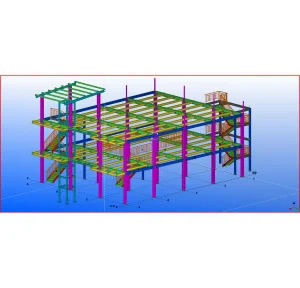
From architectural spatial configuration to complex structural optimization, our engineers design high-accuracy structures tailored to your specific local codes.
Adhering strictly to ISO 9001 and ISO 14001, our raw steel sourcing and fabrication phases undergo non-destructive weld testing and detailed dimensional verification.
Structures designed in full compliance with the International Building Code (IBC), Eurocode 3 (Steel Design), and AS/NZS 4600 standards for cold-formed steel.
Foshan Umo House Co., Ltd. is a professional manufacturer specializing in steel structure houses, prefabricated steel buildings, modular housing systems, and customized construction solutions in China. With extensive industry experience and advanced manufacturing capabilities, we provide durable, efficient, and sustainable building solutions for residential, commercial, industrial, and institutional projects worldwide.
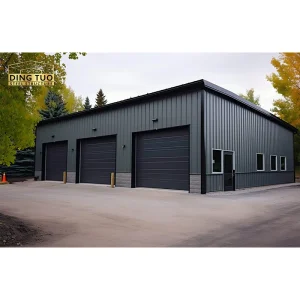
Our comprehensive product portfolio includes steel structure houses, prefabricated homes, modular buildings, steel frame villas, portable houses, expandable homes, labor camps, site offices, warehouses, workshops, commercial buildings, schools, hospitals, dormitories, agricultural buildings, and customized steel construction projects. Every solution is engineered to deliver rapid installation, superior structural performance, cost efficiency, and long service life.
At Umo House, we utilize advanced production equipment and precision manufacturing technologies to ensure every component meets strict international quality standards. Our experienced engineering team provides complete OEM and ODM services, supporting customized architectural design, structural calculations, insulation systems, roofing, wall panels, electrical layouts, plumbing, interior finishing, and project-specific requirements.
Built with premium galvanized steel structures and high-performance building materials, our products offer excellent resistance to corrosion, earthquakes, strong winds, and harsh weather conditions. They also provide outstanding thermal insulation, energy efficiency, and low maintenance, making them suitable for both temporary and permanent construction applications.
Our steel structure solutions are widely used in residential communities, commercial complexes, industrial facilities, logistics centers, mining camps, construction sites, tourism resorts, educational institutions, healthcare projects, government infrastructure, and emergency relief programs. We continuously invest in research, product innovation, and manufacturing optimization to meet the evolving needs of global customers.
Today, Foshan Umo House exports its products to Europe, North America, South America, Southeast Asia, the Middle East, Africa, and Oceania, building long-term partnerships with contractors, developers, distributors, and engineering companies around the world. As a trusted steel structure house manufacturer in China, Foshan Umo House is committed to delivering premium-quality products, competitive pricing, flexible customization, reliable project support, and on-time delivery. We strive to provide innovative modular construction solutions that create lasting value for customers across the global market.
Deploying energy-efficient modular systems globally requires adaptative environmental design. Umo House constructs structural assemblies localized for specific microclimatic challenges:
Focus: Preventing heat loss and resisting heavy snow loads. Employs thick vacuum-insulation panel systems (VIPs), customized roof gradients to prevent ice-damming, and mechanical ventilation with heat recovery (HRV).
Focus: Shading, air tightness, and radiant heat rejection. Incorporates cool roofing coatings with high Solar Reflectance Index (SRI), solar protection glazing, and insulated structural panels designed to lower air conditioning loads.
Focus: High relative humidity, salt spray, and extreme storm systems. Heavy-duty galvanization, anti-corrosive powder finishes, specialized vapor barriers to block moisture ingress, and hurricane tie-downs for ultimate wind resistance.
The convergence of building Information modeling (BIM), advanced robotics, and sustainable chemistry is driving the future of modular construction. Here is the technical integration path for Umo House structures:
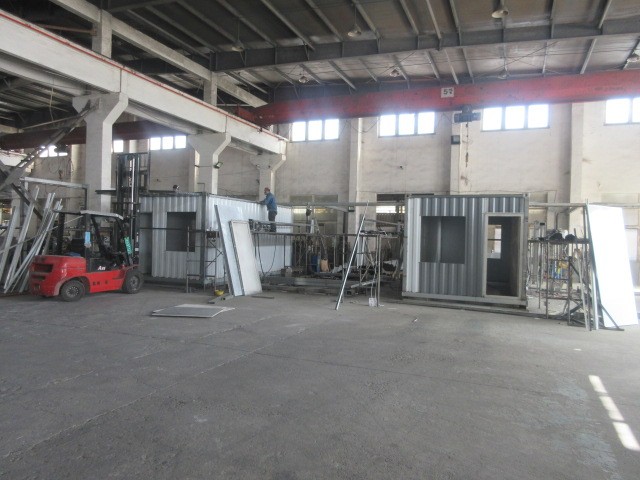
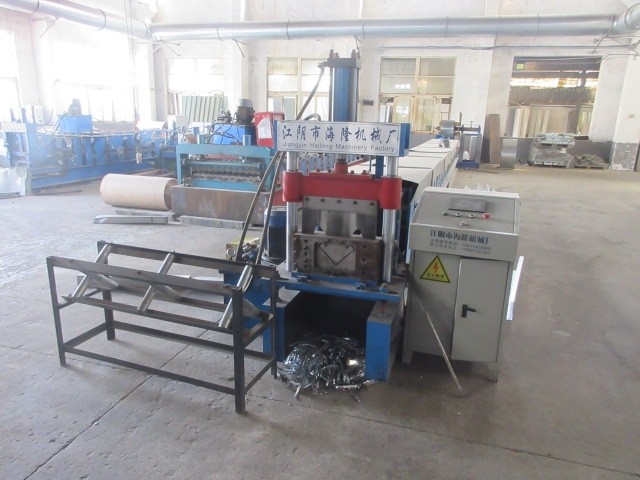
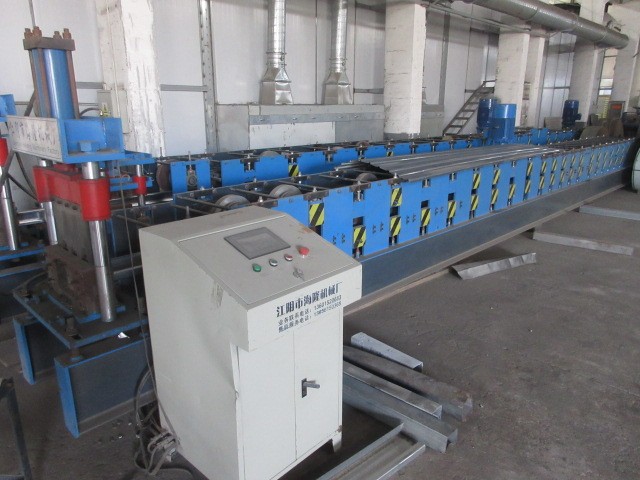
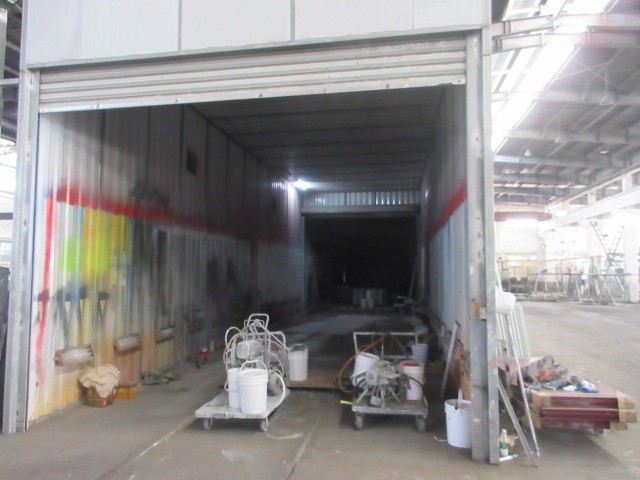
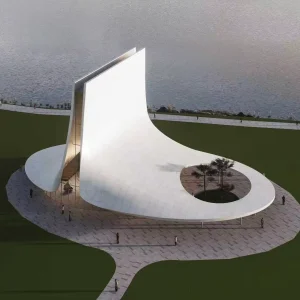
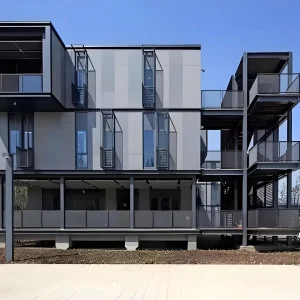
Direct photographic insight into our high-precision fabrication plants and finished commercial/residential installations worldwide.
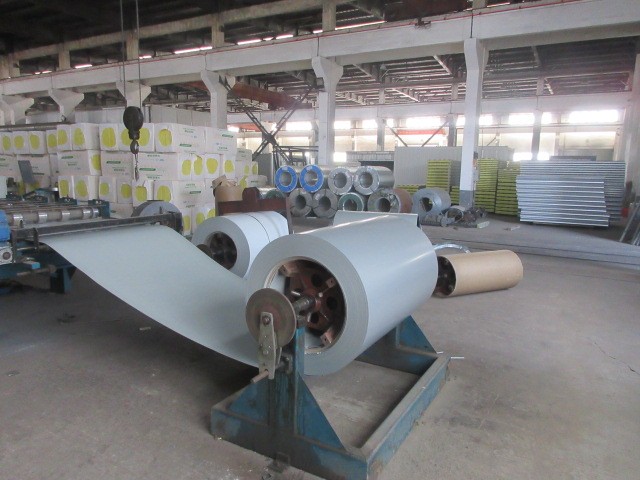
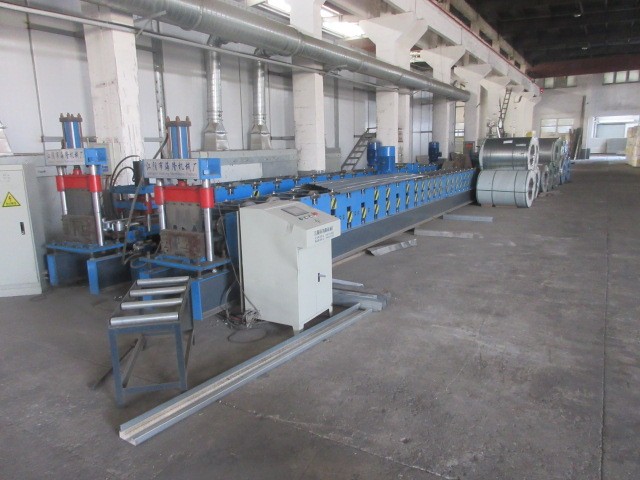
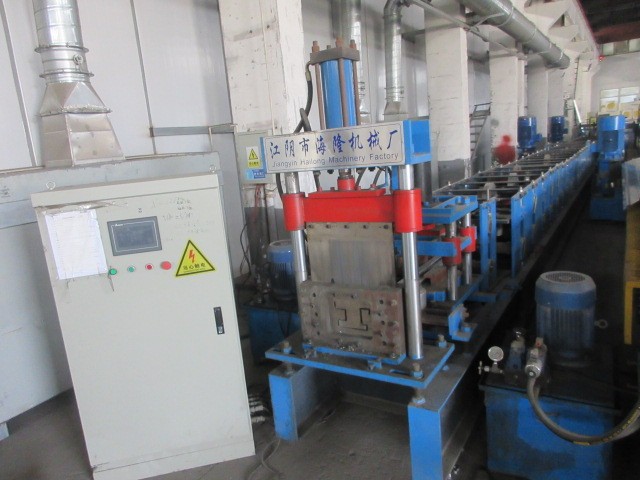
Essential technical, structural, and procurement information for commercial developers, contractors, and global clients.
Explore our structural and multi-story engineering offerings, manufactured with premium grade structural steels and advanced corrosion protective coatings.
 Umo House