Explore our top-tier custom OEM manufacturing solutions designed for instant assembly, resilience under extreme climates, and long-term durability.
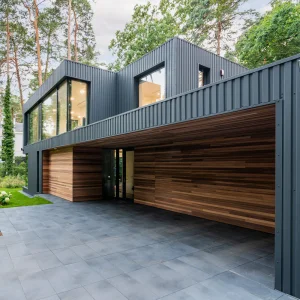
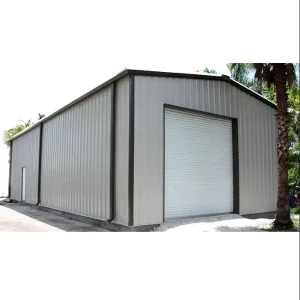
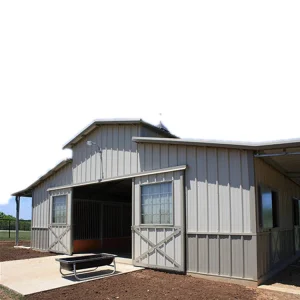
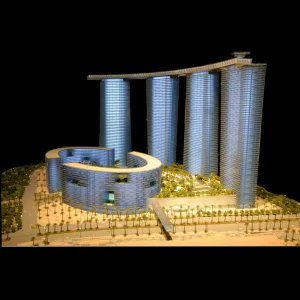
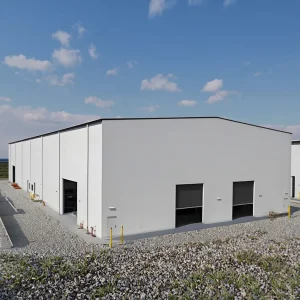
In the modern manufacturing landscape, the demand for fast, resilient, and energy-efficient building solutions is driving a systemic shift from traditional concrete to pre-engineered metal buildings (PEMB). Global companies require buildings that can adapt rapidly to changing industrial demands. Modern logistics providers, heavy industries, e-commerce giants, and agricultural projects require infrastructure that minimizes site-work duration, optimizes CAPEX, and guarantees structure lifespan exceeding 50 years.
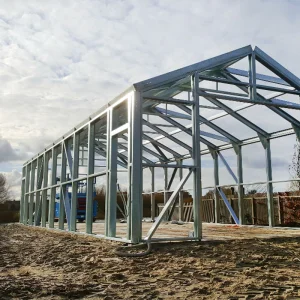
By shifting fabrication from construction sites to controlled factory settings, businesses achieve greater precision, minimize raw material waste by up to 30%, and compress project schedules by nearly 40-50%. The integration of CNC precision machinery and structural steel design programs ensures that each section conforms strictly to engineering tolerances, mitigating risk during erection.
Procurement professionals face distinct challenges in global sourcing, particularly around material verification, localized compliance, and structural integrity. Common concerns include load calculation verifications, corrosion protection in offshore locations, and connection detailing for high seismic activity zones.
Delivering advanced metallurgy, precise CAD modeling, and comprehensive load-bearing engineering for industrial steel applications.
We utilize high-tensile structural steel such as Q355B (equivalent to S355JR and ASTM A572 Grade 50) and Q235B (equivalent to S235JR and ASTM A36). These grades feature optimal yield strength (≥355 MPa for Q355B) and chemical compositions that support reliable welding and structural toughness.
To extend structural life in challenging maritime and humid environments, we offer hot-dip galvanization (minimum 85 microns, complying with ISO 1461) and epoxy zinc-rich priming systems. These finishes provide sacrificial anodic protection, preventing rust even when scratched.
We offer specialized roof and wall paneling options to meet specific insulation requirements. This includes polyurethane (PIR/PUR) and mineral rockwool core sandwich panels. These systems provide high thermal resistance (low U-values) and fire ratings up to Class A.
Tailoring architectural and structural frameworks to meet the regulatory and operational demands of specific sectors.
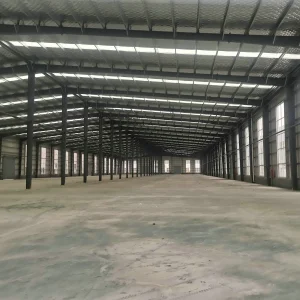
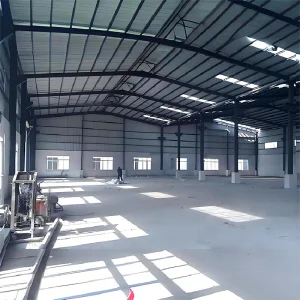
Modern distribution facilities require wide column-free spacing to maximize material flow and storage layout efficiency. Our clear-span portal frame designs offer spans exceeding 45 meters without intermediate supports. High eave heights accommodate tall pallet racks and automatic retrieval systems. Heavy-duty crane run-way systems are easily integrated to streamline material handling.
Heavy manufacturing facilities must withstand complex dynamic loads from overhead cranes, heavy machinery, and temperature variations. We design primary framing structures using built-up H-beams. Secondary framing features cold-formed C and Z purlins for strength and stability. Ventilation systems are customizable with motorized ridge ventilators, louver profiles, and overhead crane brackets.
Barns and agricultural buildings require robust defense against high moisture and chemical emissions. We utilize specialized paint options (including fluorocarbon and polyurethane coatings) and anti-corrosive galvanized steel sheets to extend structural lifespan. Customized designs support insulation, ventilation, and interior equipment layouts.
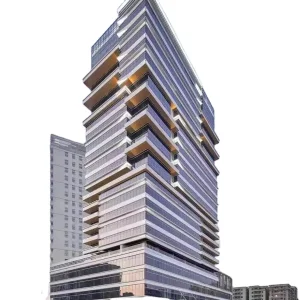
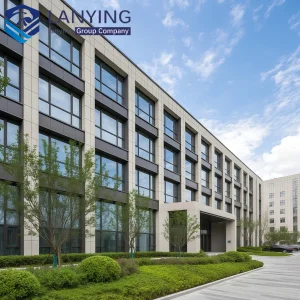
For administrative buildings, hotels, clinics, and school structures, pre-engineered high-rise frames speed up construction while supporting diverse architectural designs. Combining rigid structural steel cores with modular wall panels simplifies interior finishing and utility integration, enabling rapid on-site completion.
Ensuring structural safety and regulatory compliance through engineering designed for regional code requirements.
Global structural design requires careful adaptation to regional wind, snow, and seismic load conditions. Our engineering teams perform calculations using local meteorological data, ensuring safety compliance across target regions.
Calculated in accordance with IBC 2021, ASCE 7, and AISC steel specification. Welds conform to AWS D1.1 structural welding code. Galvanized finishes meet ASTM A123 standards.
Designed to Eurocode 3 (EN 1993) for structural steel design, with execution standards conforming to EN 1090-2 (Execution class EXC2/EXC3). Products carry CE certification markings.
Structural analysis complies with AS/NZS 1170 structural design actions and AS 4100 for steel structures. Purlins and girts are designed to AS/NZS 4600 cold-formed steel specifications.
We provide full documentation for local permitting processes. This includes structural calculation reports, product quality certifications, third-party weld testing reports (NDT), and detailed assembly drawings (erection manuals).
A leading developer and manufacturer of steel structures and pre-engineered buildings in China.
Foshan Umo House Co., Ltd. is a professional manufacturer specializing in steel structure houses, prefabricated steel buildings, modular housing systems, and customized construction solutions in China. With extensive industry experience and advanced manufacturing capabilities, we provide durable, efficient, and sustainable building solutions for residential, commercial, industrial, and institutional projects worldwide.
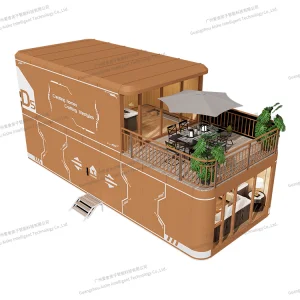
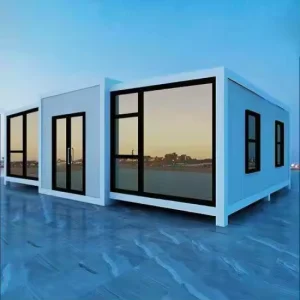
Our comprehensive product portfolio includes steel structure houses, prefabricated homes, modular buildings, steel frame villas, portable houses, expandable homes, labor camps, site offices, warehouses, workshops, commercial buildings, schools, hospitals, dormitories, agricultural buildings, and customized steel construction projects. Every solution is engineered to deliver rapid installation, superior structural performance, cost efficiency, and long service life.
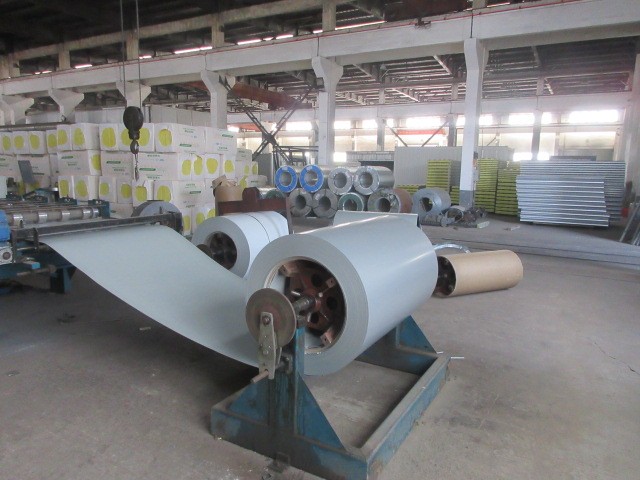
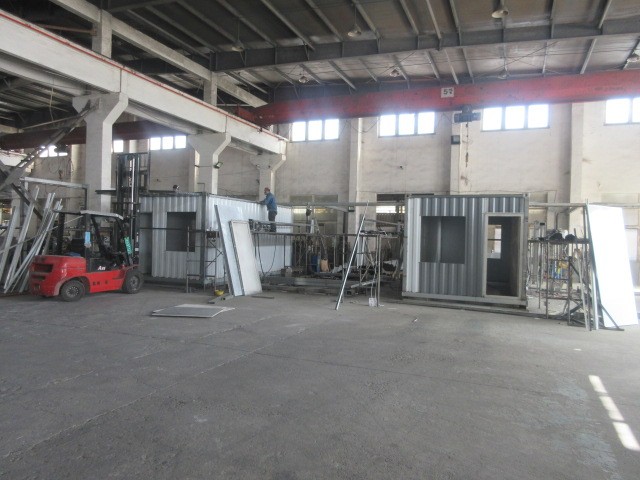
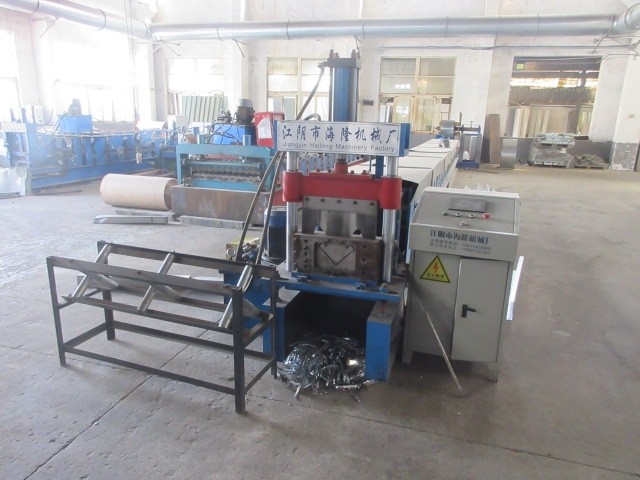
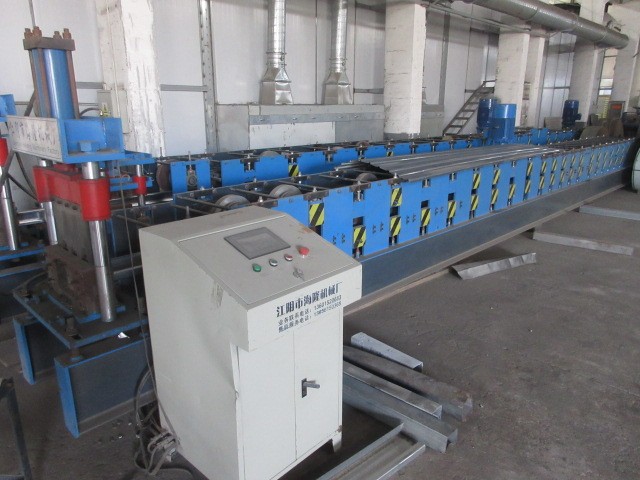
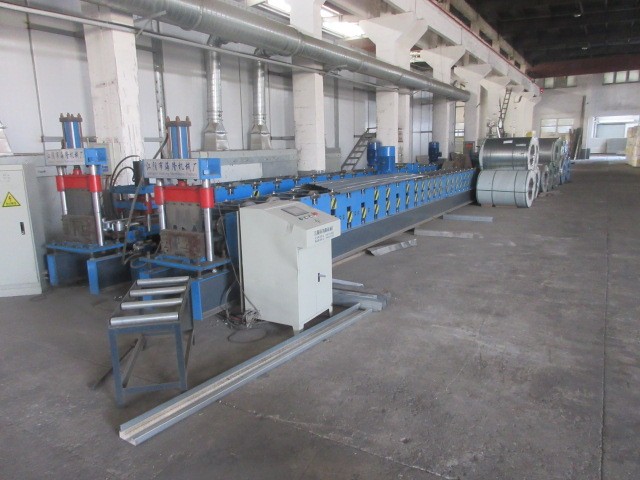
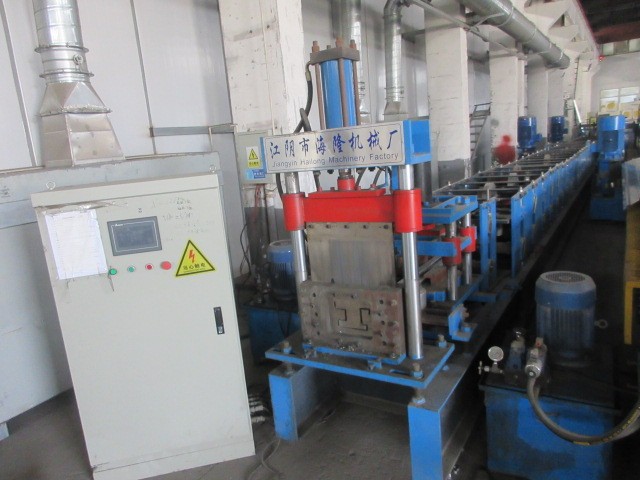
At Umo House, we utilize advanced production equipment and precision manufacturing technologies to ensure every component meets strict international quality standards. Our experienced engineering team provides complete OEM and ODM services, supporting customized architectural design, structural calculations, insulation systems, roofing, wall panels, electrical layouts, plumbing, interior finishing, and project-specific requirements.
Built with premium galvanized steel structures and high-performance building materials, our products offer excellent resistance to corrosion, earthquakes, strong winds, and harsh weather conditions. They also provide outstanding thermal insulation, energy efficiency, and low maintenance, making them suitable for both temporary and permanent construction applications.
Our steel structure solutions are widely used in residential communities, commercial complexes, industrial facilities, logistics centers, mining camps, construction sites, tourism resorts, educational institutions, healthcare projects, government infrastructure, and emergency relief programs. We continuously invest in research, product innovation, and manufacturing optimization to meet the evolving needs of global customers.
Today, Foshan Umo House exports its products to Europe, North America, South America, Southeast Asia, the Middle East, Africa, and Oceania, building long-term partnerships with contractors, developers, distributors, and engineering companies around the world.
As a trusted steel structure house manufacturer in China, Foshan Umo House is committed to delivering premium-quality products, competitive pricing, flexible customization, reliable project support, and on-time delivery. We strive to provide innovative modular construction solutions that create lasting value for customers across the global market.
Innovations driving next-generation carbon-neutral structural steel systems.
We are upgrading our modeling workflows to cloud-integrated BIM Level 3 systems. This allows real-time structural collaboration between developers, structural engineers, and production line CNC software, minimizing drawing-to-fabrication errors.
We focus on reducing embodied carbon through optimized raw material selection, recycling scrap steel, and utilizing high-efficiency welding technologies to support green building practices.
Developing clip-on wall insulation systems and pre-assembled structural bays to further reduce installation time, helping clients cut on-site labor requirements by up to 30%.
Get authoritative answers to technical, logistical, and structural engineering questions about our services.
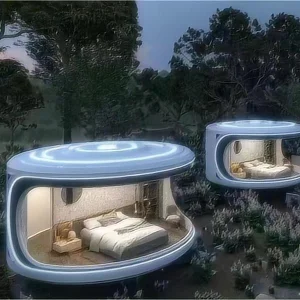
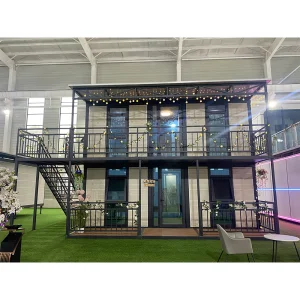
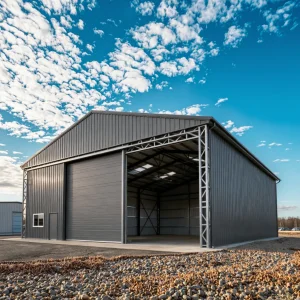
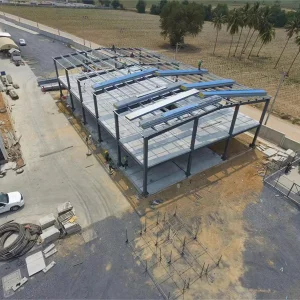
Advanced residential, commercial, and modular building options engineered for rapid assembly and extreme weather resistance.
Get in touch with our engineering team for customized calculations, structural designs, and detailed estimations tailored to your project location.
Contact Our Technical Engineers Umo House