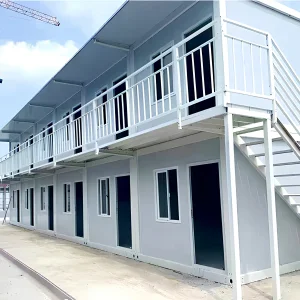
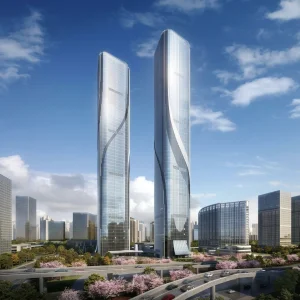
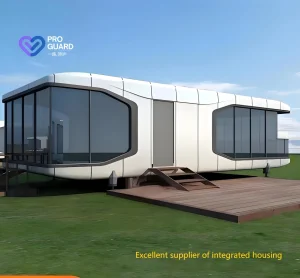
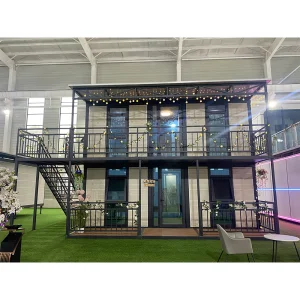
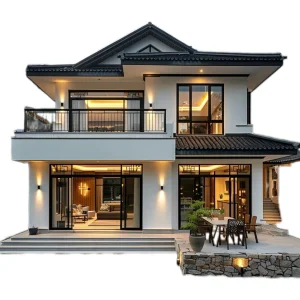
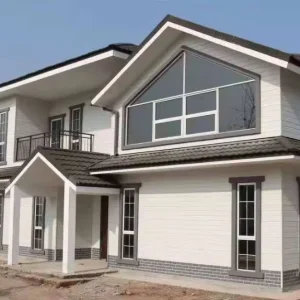
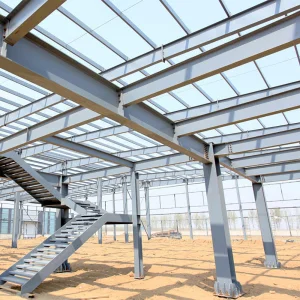
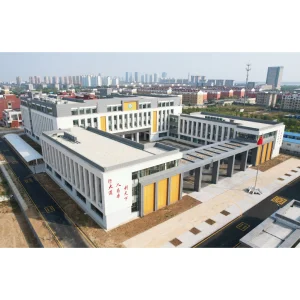
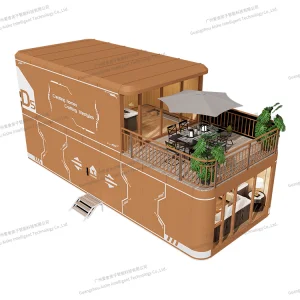
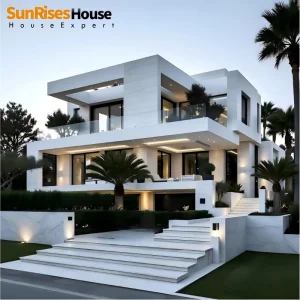
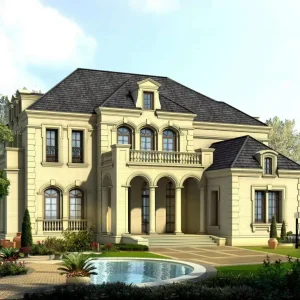
Engineered for rapid integration, temporary or permanent structural deployment, and superior weather resilience across international projects.
Foshan Umo House Co., Ltd. is an industry-leading professional manufacturer specializing in steel structure houses, prefabricated steel buildings, modular housing systems, and customized construction solutions in China. Integrating years of multi-disciplinary engineering experience with state-of-the-art robotic cutting, welding, and material treatment technologies, we design and distribute durable, efficient, and sustainable building systems for residential, commercial, industrial, and institutional projects globally.
As the construction landscape pivots toward resource optimization, speed of assembly, and minimal environmental footprint, our prefabricated metal construction projects serve as high-performance alternatives to traditional concrete blocks. Our engineered products are optimized to serve heavy commercial projects, logistics warehouses, healthcare zones, multi-story schools, eco-resort cabins, and emergency relief shelters alike.
Exporting Destination Countries
Structural Lifespan Baseline
Custom OEM/ODM Engineering
Seismic Load Resistance Rating
Every modular assembly, structural profile, and envelope wall panel leaving the Foshan Umo House facility undergoes exhaustive quality monitoring. This guarantees that whether you deploy a lightweight steel-frame modular clinic or a multi-story structural warehouse, the integrity of each connection component adheres to rigorous building norms globally, providing maximum safety margins under high-stress scenarios.
Urban density demands, shifting geological realities, and aggressive net-zero environmental objectives are driving global developers to bypass traditional masonry in favor of high-stability prefabricated steel structures. Industrial scalability requires modular designs that can adapt to changing functional spatial configurations over time. From temporary site offices to large industrial complexes, standardizing building design permits rapid modifications, vertical scaling, and even structural relocation.
"The rise of scalable construction platforms marks a major shift in modern engineering. By standardizing component connectivity and designing steel structural elements around modular metrics, companies can cut spatial planning cycles by 40% and site assembly times by more than 50%."
Furthermore, steel’s high strength-to-weight ratio allows designers to achieve wide clear spans that would be impossible or prohibitively expensive with reinforced concrete. This architectural freedom is key for high-density modern logistics centers, manufacturing facilities, and aviation hangars where column-free floor areas determine operational flow and productivity.
Easily expand spatial areas vertically or horizontally with customizable structural connection nodes engineered to match growing operations.
Factory-controlled prefabrication dramatically slashes field construction hours, limits scrap materials, and significantly lowers onsite labor costs.
Engineered with double-seal structural panel skins and integrated thermal insulation cores to resist extreme temperature gradients and wind shears.
In global project management, supply chain reliability is just as critical as architectural calculations. Foshan Umo House utilizes China’s fully integrated industrial steel cluster to guarantee rapid material procurement, reliable cost structures, and stable manufacturing timelines even during global logistics volatility.
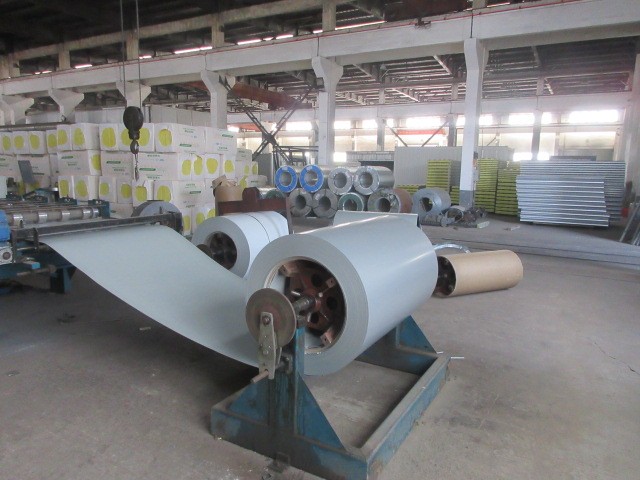
Our location in Foshan, China's premier industrial metal fabrication hub, gives us direct access to high-grade galvanized steel structural coils (such as Q355B and Q235B grades). This geographic advantage cuts raw material transit costs and ensures structural profiles undergo hot-dip galvanization (minimum 275g/m² zinc coating density) to prevent corrosion in coastal and high-humidity environments.
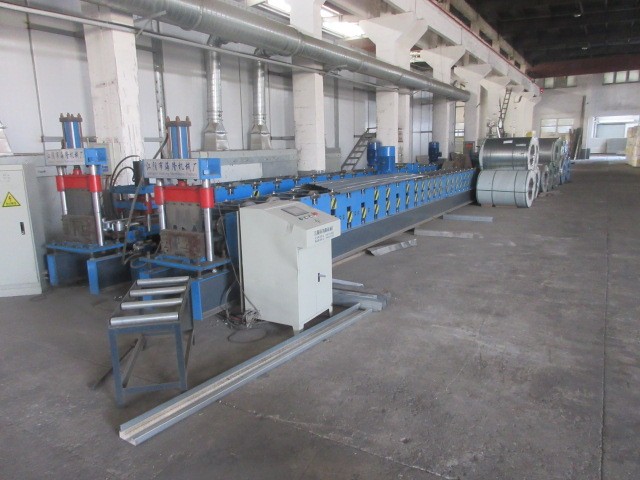
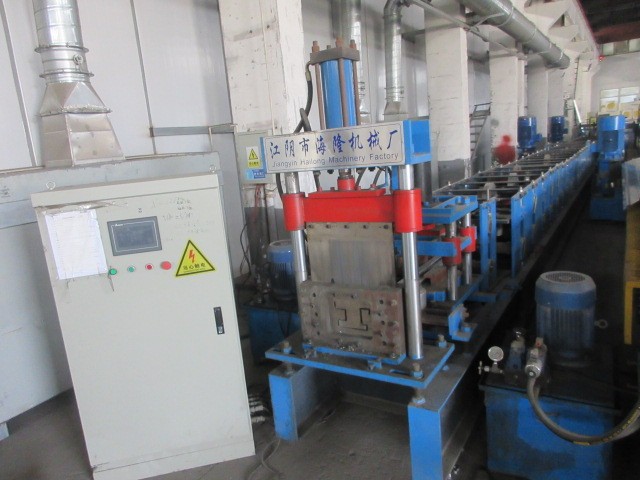
Foshan Umo House operates advanced CNC profiling machinery, automatic submerged arc welding units, and laser cutting platforms. This precision machinery matches the exact measurements of structural shop drawings, reducing factory fabrication tolerances to less than 1.5mm. This high accuracy prevents structural alignment issues on site and saves time during assembly.
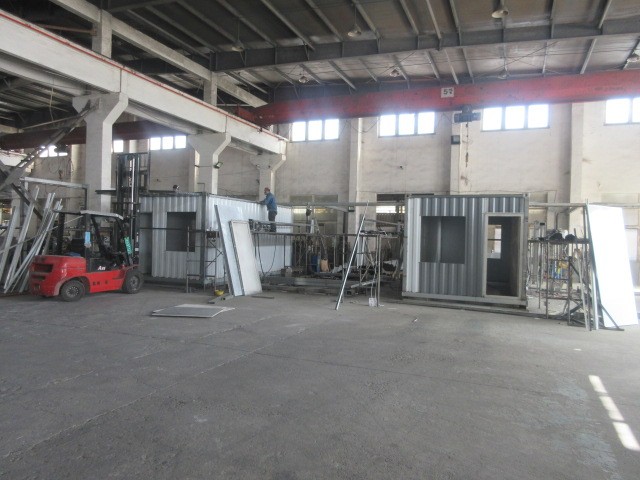
Because all modular panels, columns, columns-to-beams connectors, and wall boards are designed with logistics in mind, we can pack finished building packages tightly into standard 40-foot High Cube (HQ) shipping containers. This minimizes ocean shipping costs per square meter of building area and reduces the risk of transit damage.
Foshan Umo House Co., Ltd. does not offer generic modular boxes. We design structures to meet local building codes, weather factors, and regional safety guidelines. This ensures every exported building is compliant with local municipal permitting requirements.
For modular warehouses and residential steel villas bound for North America, our designs comply with the International Building Code (IBC) and American Institute of Steel Construction (AISC) standards. We integrate heavy snow-load structural framing (often exceeding 1.5 kN/m² for cold regions) and hurricane-resistant tie-down connections tailored for Florida and Gulf Coast wind speed specifications (up to 150 mph).
Projects shipped to Europe comply with Eurocode 3 for steel structure design. Wall claddings and roof systems are built using CE-certified polyurethane (PU) or rockwool sandwich core elements. This setup provides excellent thermal performance (low U-values) to meet European energy conservation directives and strict fire rating guidelines.
For installations in Australia, New Zealand, and surrounding Pacific regions, structural designs undergo verification for cyclonic regions (Category C and D regions). Framework members use high-tensile cold-formed steel sections with heavy-duty anti-corrosive coatings to ensure long-term durability in humid, coastal environments.
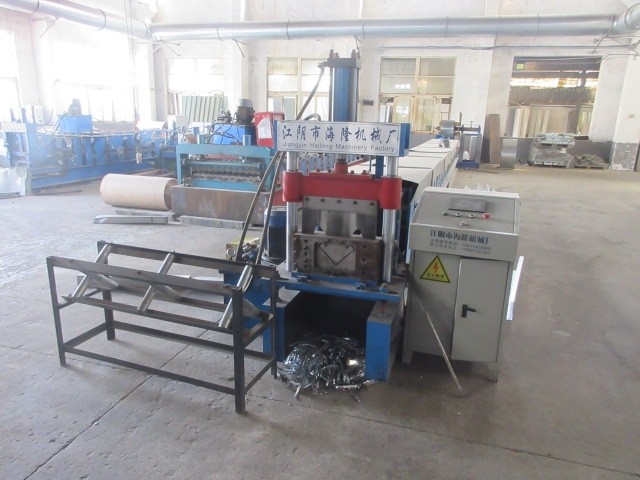
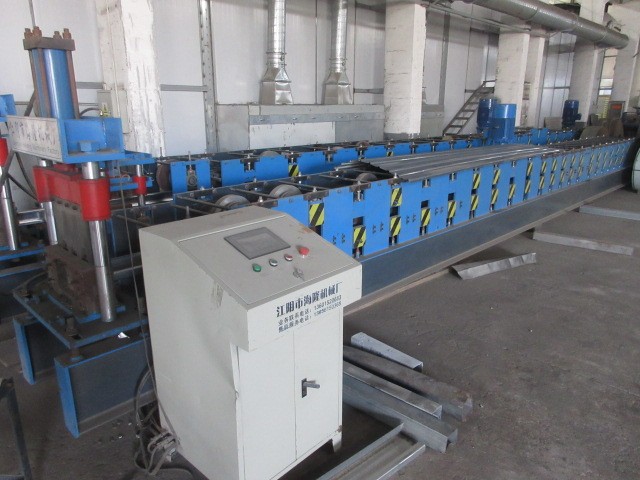
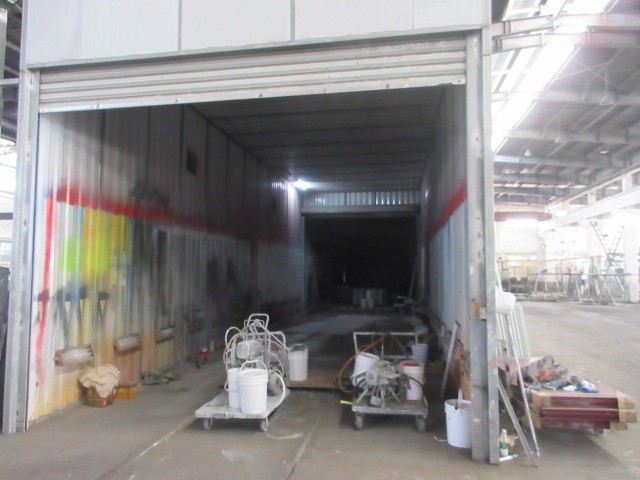
As the construction industry adopts digital and green building methods, Foshan Umo House is updating its technical roadmap to integrate advanced materials and smart design technologies. Our R&D division is focused on three main engineering initiatives:
By using Building Information Modeling (BIM) from the concept design phase, our engineers can simulate physical stresses, model assembly steps, and identify structural issues before fabrication. This digital workflow allows for direct integration with CNC machinery, minimizing manual translation errors and streamlining the transition from design to finished component.
To support green building targets, we are testing lightweight composite walls made of bio-based materials and aerogel insulation cores. These systems provide high thermal insulation with minimal wall thickness, maximizing usable indoor floor space while reducing heating and cooling energy use.
Future iterations of our high-end modular capsules and steel villas can be configured with structural health monitoring systems. Integrated micro-sensors embedded in critical structural columns send real-time data on load changes, vibration levels, and structural stress. This technology offers developers added safety assurance in seismic-prone zones.
Answers to common structural, logistics, and customization questions for global procurement managers.
Explore our range of heavy-duty warehouses, multi-story schools, custom steel framing configurations, and luxury modular villas.
 Umo House