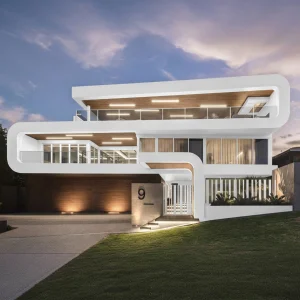
High-performance, customizable prefabricated building systems engineered for global compliance, safety, and rapid deployment.
A comprehensive analysis of structural dynamics, customization metrics, and modern offsite fabrication methods reshaping the construction landscape.
The modern construction paradigm is undergoing a profound structural evolution. Traditional build methods, plagued by unpredictability, skilled labor shortages, and substantial carbon footprints, are giving way to offsite industrialized construction. At the heart of this shift lies structural steel design flexibility. Unlike concrete or masonry, steel provides an unrivaled strength-to-weight ratio, allowing engineers to design vast column-free spans, complex curvilinear geometries, and modular systems capable of dynamic expansion.
In the past, opting for prefabricated structures meant compromising on aesthetics and project-specific design intents. Today, cutting-edge steel design flexibility factories have dispelled this compromise. By integrating advanced Building Information Modeling (BIM), high-precision CNC machinery, and high-performance cladding, these manufacturers enable developers to translate customized, postmodern architectural concepts into highly structured, seismic-resistant realities.
Complete 3D detailing that coordinates structural design with HVAC, plumbing, and architectural finishes before a single piece of steel is cut, eliminating onsite conflicts.
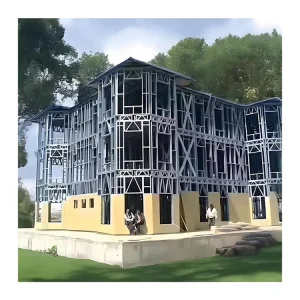
High-grade galvanized and light-gauge steel frameworks engineered to support multi-story architectural configurations, offering immense resistance to high wind load and seismic activity.
Integrating hot-dip galvanization processes and polyurea or polyurethane powder coatings to defend structures against coastal environments and harsh industrial exposure.
To stand out in the global infrastructure landscape, leading steel prefab factories utilize distinct design flexibility protocols.
Pioneering factories leverage three-dimensional space frames, facilitating large, clear spans with minimum support columns. This gives building designers absolute internal space flexibility for malls, sports complexes, and warehouses.
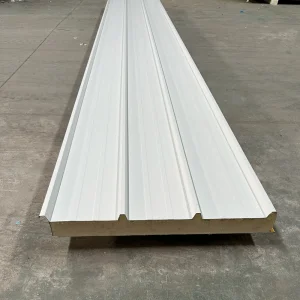
Modern manufacturers design structures to accommodate an array of sandwich panels (PU, EPS, Rockwool) and exterior architectural claddings. This dynamic compatibility matches local thermal values and fireproof goals.
Dynamic structural engineering customizes frame stiffness. High-stress zones receive heavy-duty hot-rolled steel structures while low-stress sections use lightweight components, optimizing cost and safety.
Pre-planned connection nodes allow modules to be interconnected horizontally or vertically at later development stages. This is crucial for growing hospitality and mining sites.
The bridge between initial visualization and mechanical execution is supported via BIM, Tekla, and 3D Max, ensuring high precision with zero on-site material waste.
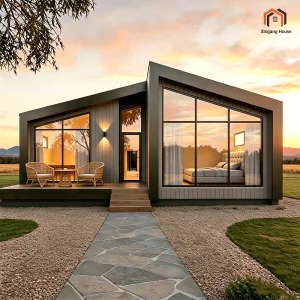
Combining heavy structural steel frames with light-gauge secondary framing allows architects to craft unique modern geometries (e.g., postmodern luxury villas, geometric triangle cabins).
A global leader in structural integrity, advanced prefabrication, and comprehensive OEM/ODM solutions.
Foshan Umo House Co., Ltd. is a professional manufacturer specializing in steel structure houses, prefabricated steel buildings, modular housing systems, and customized construction solutions in China. With extensive industry experience and advanced manufacturing capabilities, we provide durable, efficient, and sustainable building solutions for residential, commercial, industrial, and institutional projects worldwide.
Our comprehensive product portfolio includes steel structure houses, prefabricated homes, modular buildings, steel frame villas, portable houses, expandable homes, labor camps, site offices, warehouses, workshops, commercial buildings, schools, hospitals, dormitories, agricultural buildings, and customized steel construction projects. Every solution is engineered to deliver rapid installation, superior structural performance, cost efficiency, and long service life.
At Umo House, we utilize advanced production equipment and precision manufacturing technologies to ensure every component meets strict international quality standards. Our experienced engineering team provides complete OEM and ODM services, supporting customized architectural design, structural calculations, insulation systems, roofing, wall panels, electrical layouts, plumbing, interior finishing, and project-specific requirements.
Built with premium galvanized steel structures and high-performance building materials, our products offer excellent resistance to corrosion, earthquakes, strong winds, and harsh weather conditions. They also provide outstanding thermal insulation, energy efficiency, and low maintenance, making them suitable for both temporary and permanent construction applications.
Our steel structure solutions are widely used in residential communities, commercial complexes, industrial facilities, logistics centers, mining camps, construction sites, tourism resorts, educational institutions, healthcare projects, government infrastructure, and emergency relief programs. We continuously invest in research, product innovation, and manufacturing optimization to meet the evolving needs of global customers.
Today, Foshan Umo House exports its products to Europe, North America, South America, Southeast Asia, the Middle East, Africa, and Oceania, building long-term partnerships with contractors, developers, distributors, and engineering companies around the world.
As a trusted steel structure house manufacturer in China, Foshan Umo House is committed to delivering premium-quality products, competitive pricing, flexible customization, reliable project support, and on-time delivery. We strive to provide innovative modular construction solutions that create lasting value for customers across the global market.
Custom OEM/ODM
Export Countries
Years Engineering Exp
Seismic/Wind Protection
Foshan Umo House integrates key geographical, operational, and metallurgical advantages to deliver superior value.
Access to premier steel mills in China allows Foshan Umo House to procure raw Q235B and Q355B structural steel at scale. This lowers material costs, passing structural savings straight down to developers.
Equipped with high-precision laser cutters, robotic structural welders, and automated packaging channels, our plant dramatically decreases structural tolerance variations down to a millimeter.
Located in Foshan, South China, we capitalize on global shipping routes via Shenzhen or Guangzhou ports. Modules are securely packaged inside standardized containers to reduce transportation costs.
Building codes vary dramatically by territory. Our structural design flexibility means we construct to comply directly with regional mandates.
Foshan Umo House takes international standards seriously. Our structural engineers optimize frames for localized loads:
By working closely with regional engineers, we supply complete calculation sheets, 3D models, and foundation design proposals, ensuring quick permit approvals from local building regulators.
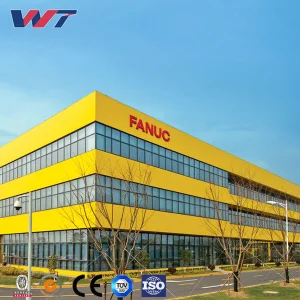
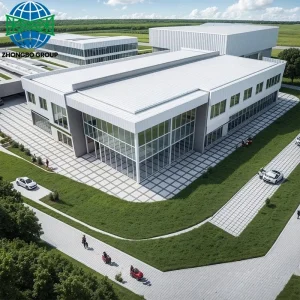
From commercial sites to luxury resorts, steel design flexibility is the backbone of high-performance architecture.
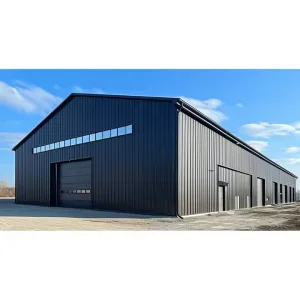
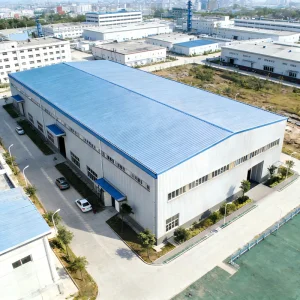
Using 40x60 structural packages, businesses can establish expansive workspaces with no internal columns. These are optimized for heavy overhead cranes and direct integration with logistics systems.
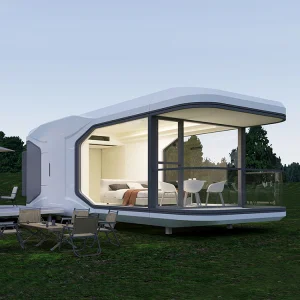
Highly customized capsule modular homes offer scenic and ecological camp resorts a futuristic, waterproof, and plug-and-play guest experience that minimizes on-site environmental impact.
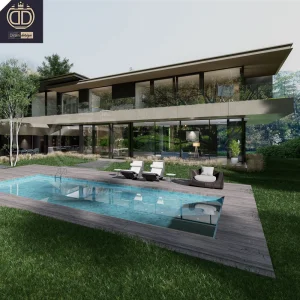
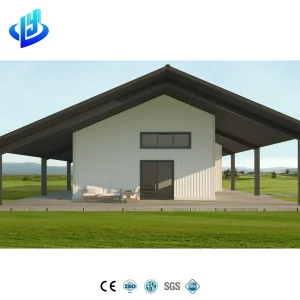
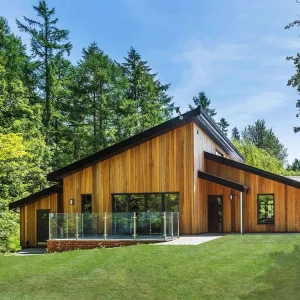
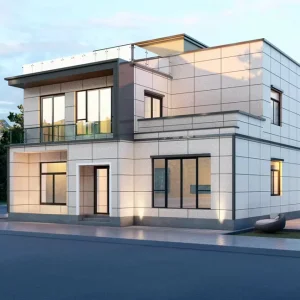
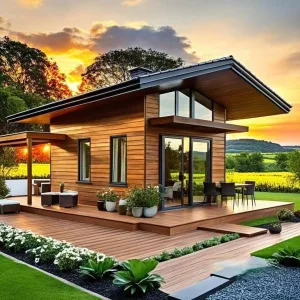
Postmodern architectural designs translated via CAD/BIM systems into customized steel gauge framing. These structures are built to withstand high wind loads and earthquakes while supporting expansive glass windows.
Crucial engineering and procurement insights to guide your decision-making.
The lifespan is primarily determined by the quality of the galvanization and secondary coatings. Foshan Umo House uses high-performance hot-dip galvanized steel frames, ensuring 50+ years of structural life. Anti-corrosive treatments shield the frame against moisture, sea salt spray, and chemical pollutants.
Yes. Our engineering department reviews regional building standards (including ASTM, AS/NZS, and Eurocode) and calculates wind loads, seismic ratings, and dead/live loads. We provide a full package of technical drawings and material details to assist with local certification.
Depending on the local climate, we offer PU (polyurethane), EPS (polystyrene), and Rockwool (mineral wool) sandwich panels. For extreme cold zones, we specify thicker PU panels and double-glazed low-E thermal break windows to achieve excellent thermal ratings.
Lead times vary from 20 to 35 days depending on project size and personalization. Due to precise offsite fabrication, installation on-site is exceptionally fast. For example, standard container houses can be set up in a few hours, whereas custom villas require just weeks with light-gauge frames.
While raw material costs can vary, overall project costs are typically 20% to 40% lower. Savings result from significantly reduced labor hours, minimal material waste, and rapid erection timelines, which lower interest rates and speed up commercial operations.
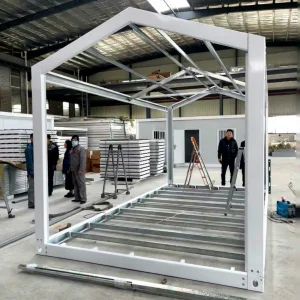
A visual gallery of our production facilities, structural test assemblies, and advanced manufacturing lines.
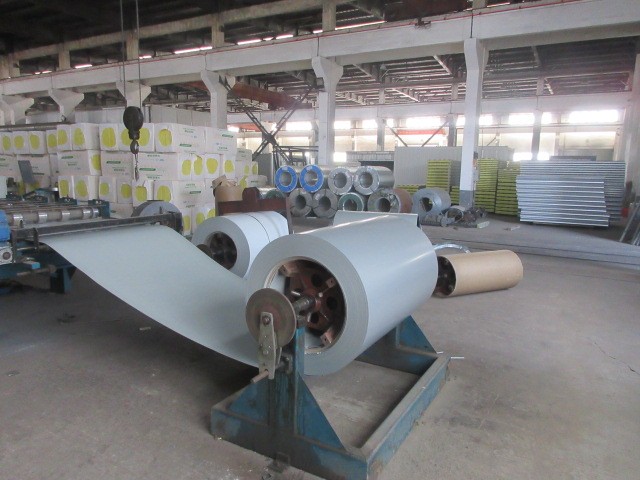
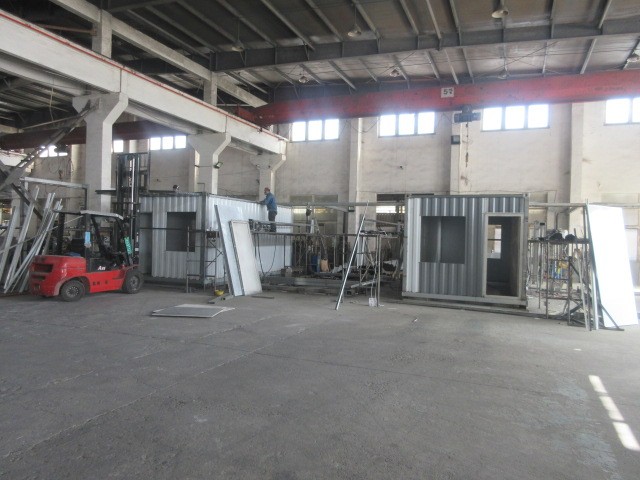
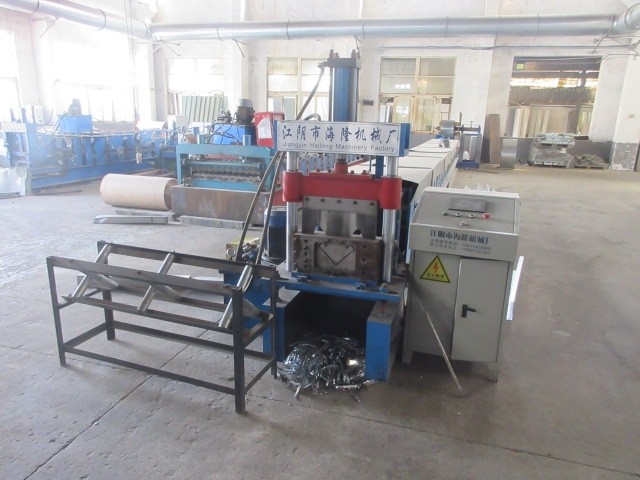
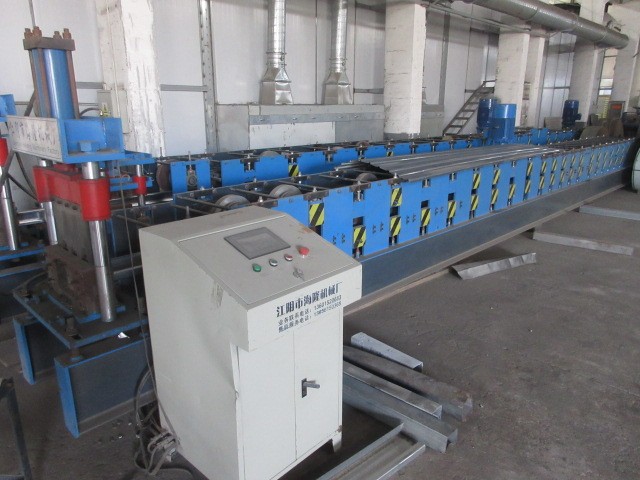
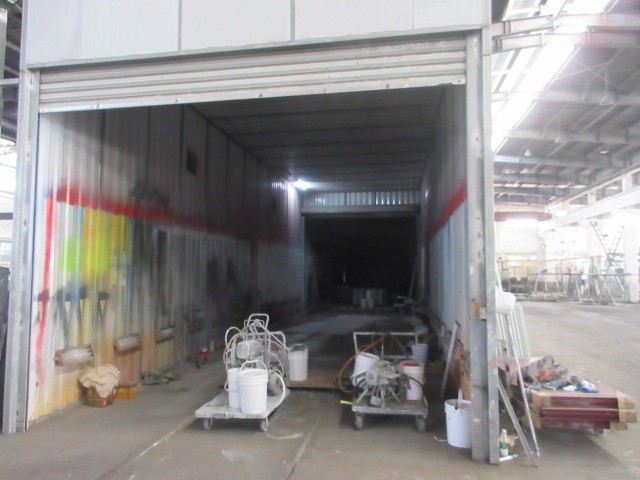
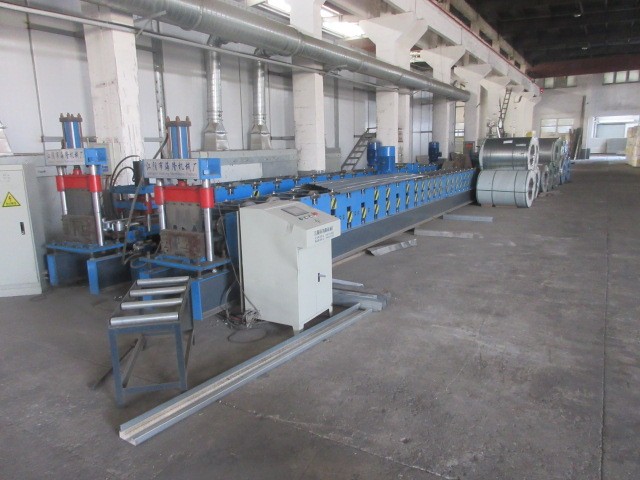
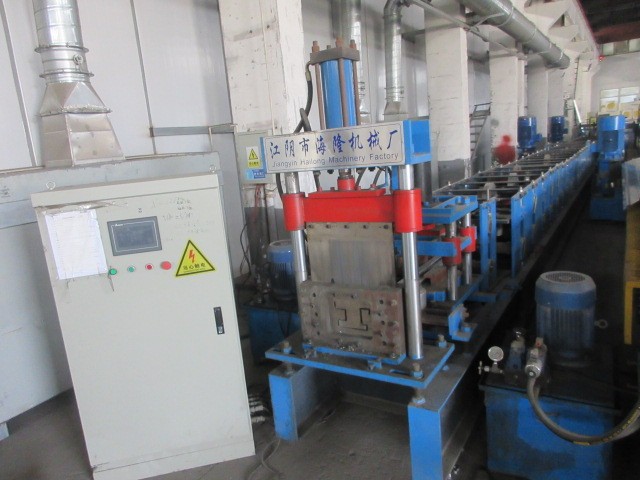
Highly flexible structural packages tailored to meet precise residential and industrial purposes worldwide.
 Umo House