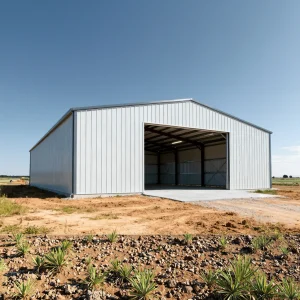
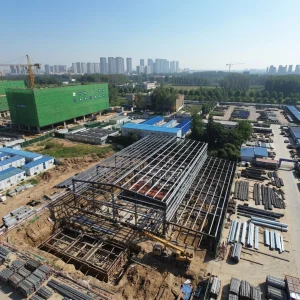
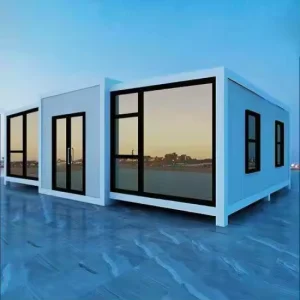
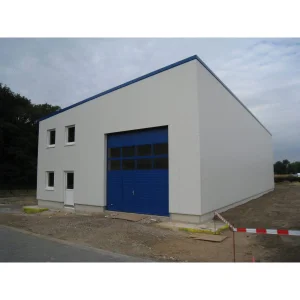
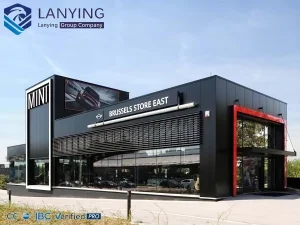
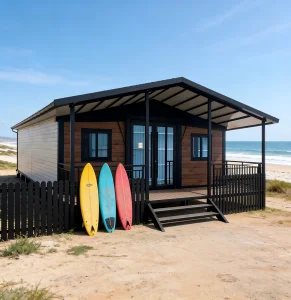
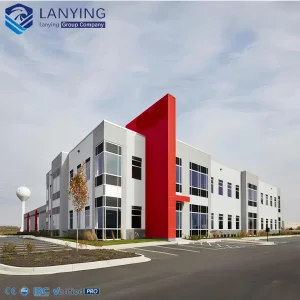
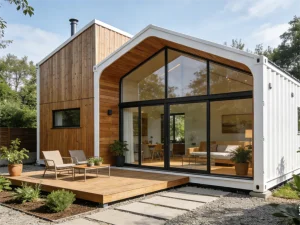
Explore our foundational structural units engineered for cold storage, temporary camps, modern school facilities, and high-performance industrial workspaces.
The global construction sector is undergoing a massive structural transition. Traditional masonry and cast-in-situ concrete buildings are increasingly replaced by high-precision, off-site engineered steel systems. Among these, steel dormitory buildings represent the fastest-growing sector. Rapid urbanization, large-scale mining operations in remote territories, and the expansion of global education hubs require rapid, safe, and scale-flexible housing frameworks.
By shifting structural fabrication from unpredictable job sites to climate-controlled, ISO-certified factory environments, project stakeholders reduce material waste by up to 30%, mitigate hazardous site work, and bypass seasonal weather delays. Modern steel dormitories leverage cold-formed structural steel and hot-dip galvanized frame members, ensuring high seismic resistance and thermal efficiency optimized for any climate zone on Earth.
"The core value of modular steel engineering lies not just in speed, but in structural predictability. Aligning manufacturing limits with localized structural codes allows us to scale safe living conditions for thousands of workers or students in a fraction of the time."
— Global Infrastructure Planning Director
Moreover, modern Environmental, Social, and Governance (ESG) mandates push institutional investors and resource developers to prioritize green building components. Steel is uniquely positioned as a circular economy material. At the end of its multi-decade operational cycle, a modular dormitory's steel frame is entirely recyclable, bypassing landfills and aligning directly with LEED and BREEAM certifications.
Analyzing key supply-side trends, engineering expectations, and trade compliance metrics that define top global manufacturers.
Engineered using premium structural carbon steel or high-tensile light-gauge steel (LGS). Heavy-duty H-sections and portal frame configurations yield unmatched load-bearing capability to sustain multiple floors.
Top tier factories construct modules aligning to international build certifications. CWB (Canadian Welding Bureau), CE, and specific ASTM parameters guarantee safe and simple local code approvals.
Strategic shipping configuration utilizing flat-packs, modular detachable components, or high-cube container sizing to drop shipping overhead costs and facilitate rapid inland haulage.
| Structural Element | Common Factory Standard | High-Performance Standard | Benefit / Application |
|---|---|---|---|
| Primary Steel Frame | Q235 Carbon Steel, Painted | Q355B / ASTM A572, Hot-Dip Galvanized (≥ 275g/m²) | Extends building life cycle in coastal, humid, or acidic environments. |
| Wall Panels | EPS/Glasswool Sandwich Panels | Polyurethane (PU) or Rockwool Panels (50mm - 150mm) | High thermal insulation (R-Value ≥ 20) and class-A fire safety compliance. |
| Floor Joists & Decking | Plywood on Light C-sections | Fiber Cement Board (20mm) + PVC roll/Ceramic tiles | Minimizes floor deflection, prevents moisture rot, and damps acoustic transit. |
| Connections | Grade 4.8 / 6.8 Carbon Bolts | Grade 8.8 / 10.9 High-Strength Structural Bolts | Crucial for wind shear load transfer and dynamic seismic damping. |
Foshan Umo House Co., Ltd. is a professional manufacturer specializing in steel structure houses, prefabricated steel buildings, modular housing systems, and customized construction solutions in China. With extensive industry experience and advanced manufacturing capabilities, we provide durable, efficient, and sustainable building solutions for residential, commercial, industrial, and institutional projects worldwide.
Our comprehensive product portfolio includes steel structure houses, prefabricated homes, modular buildings, steel frame villas, portable houses, expandable homes, labor camps, site offices, warehouses, workshops, commercial buildings, schools, hospitals, dormitories, agricultural buildings, and customized steel construction projects. Every solution is engineered to deliver rapid installation, superior structural performance, cost efficiency, and long service life.
At Umo House, we utilize advanced production equipment and precision manufacturing technologies to ensure every component meets strict international quality standards. Our experienced engineering team provides complete OEM and ODM services, supporting customized architectural design, structural calculations, insulation systems, roofing, wall panels, electrical layouts, plumbing, interior finishing, and project-specific requirements.
Built with premium galvanized steel structures and high-performance building materials, our products offer excellent resistance to corrosion, earthquakes, strong winds, and harsh weather conditions. They also provide outstanding thermal insulation, energy efficiency, and low maintenance, making them suitable for both temporary and permanent construction applications.
Our steel structure solutions are widely used in residential communities, commercial complexes, industrial facilities, logistics centers, mining camps, construction sites, tourism resorts, educational institutions, healthcare projects, government infrastructure, and emergency relief programs. We continuously invest in research, product innovation, and manufacturing optimization to meet the evolving needs of global customers.
Today, Foshan Umo House exports its products to Europe, North America, South America, Southeast Asia, the Middle East, Africa, and Oceania, building long-term partnerships with contractors, developers, distributors, and engineering companies around the world.
As a trusted steel structure house manufacturer in China, Foshan Umo House is committed to delivering premium-quality products, competitive pricing, flexible customization, reliable project support, and on-time delivery. We strive to provide innovative modular construction solutions that create lasting value for customers across the global market.
Navigating global building codes is the most critical checkpoint for modular procurement. Top manufacturers guarantee compliance with key regional architectures.
A high-quality steel dormitory is only as good as its permit readiness. Sourcing teams must ensure their supplier's engineering department can produce verifiable structural computation sheets matching local criteria:
To bridge the gap between factory production and field deployment, professional suppliers offer key field enablement services:
1. Detail Foundation Layouts: Providing pre-construction structural slab and anchor-bolt templates to ensure site prep matches steel tolerances down to the millimeter.
2. 3D Assembly Manuals & Video Walkthroughs: Detailed component tagging correlates layout keys to structural drawings, making setup achievable with local labor.
3. Dispatch Engineers: For multi-story projects, on-site supervision from factory specialists guarantees safe installation and strict quality control.
Adaptable structural systems designed to meet distinct performance, comfort, and timeline expectations across multiple industries.
High-durability remote housing. Resistant to extreme heat, sub-zero snow loads, and seismic activities typical of isolated resource plays.
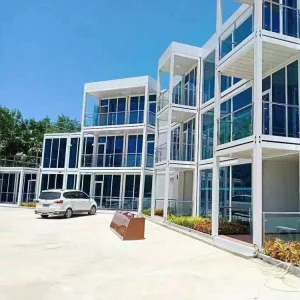
Rapid student housing deployment. Clean acoustics, modern integrated layouts, and compliance with institutional safety standards.
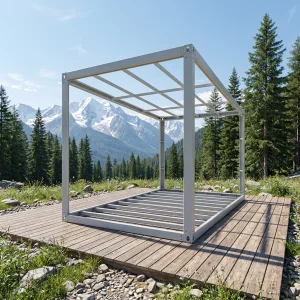
Rapid deployment structures designed for speedy freight and high modular flexibility. Quick to deploy, fast to decommission.
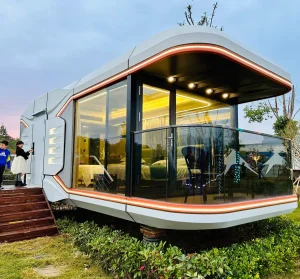
High-finish, luxury containerized or panel-framed resort modules combining premium thermal values with glass storefront layouts.
By leveraging different steel profiles (heavy hot-rolled sections versus light gauge steel framing), developers can scale their layouts horizontally or vertically. For high-density urban environments, high-rise structural frameworks provide student housing blocks that utilize light steel partitions for internal divisions to maximize useable square footage. In contrast, remote oil and gas camps lean heavily on pre-wired, pre-plumbed flat pack container housings that can be daisy-chained and operational within hours of arriving on site.
The prefabricated building market is moving rapidly beyond basic shelter provisions. The next decade of industrial modular construction is defined by deep digital integration, automated production, and aggressive carbon reductions.
BIM (Building Information Modeling) Integration: By developing digital twins of steel dormitory buildings, factories simulate manufacturing tolerances, run thermal performance scripts, and map utility runs before cutting a single piece of steel. This eliminates field clashes and streamlines component tracking throughout the supply chain.
Smart Building & IoT Inclusion: Future modular units incorporate factory-installed sensor arrays to track structure stress, monitor humidity levels in sandwich insulation cores, and manage localized climate control zones to minimize operational power consumption.
As corporate developers target Scope 3 emission reductions, modular builders are pivoting to green steel inputs processed with renewable energy. Paired with bio-based insulation core alternatives like recycled wood fibers or advanced vacuum panels, future dormitory modules will arrive on site with near-neutral carbon footprints.
Industry Consensus: The future of mass-transit accommodations relies on pre-engineered steel. Wood lacks the structural longevity, and concrete presents too high an environmental cost and field assembly timeline.
Answering structural, logistic, and commercial questions to facilitate streamlined buyer decision-making.
Permanent structural steel dormitories designed with hot-dip galvanized steel frames and premium wall cladding can achieve a design life of over 50 years. This matches traditional concrete alternatives. Temporary modular configurations (such as flat-pack container setups) typically have a design life of 15 to 25 years depending on site conditions, frequency of relocations, and protective maintenance schedules.
Thermal isolation is achieved through high-performance sandwich panel options. Using Polyurethane (PU) or dense Rockwool cores with variable thicknesses (ranging from 50mm up to 150mm) prevents thermal bridging. Specialized thermal break strips are integrated along structural connections to prevent heat transfer, ensuring energy-efficient heating and cooling in desert or sub-arctic environments.
Yes. Utilizing heavy-gauge H-beams or structural steel framing allows modules to scale vertically up to 3 to 6 stories under standard prefabricated calculations, or higher when combined with a hybrid concrete-steel core design. Layout configurations are modular, allowing for open-plan dining zones, single-occupancy rooms, double-bunk options, and integrated common bathroom modules.
Fire safety is resolved at the materials selection level. Non-combustible core materials, such as high-density Rockwool, are standard for projects requiring strict fire ratings (often achieving up to 120 minutes of structural stability under direct fire). Inner drywall linings, fire-rated doors, and integrated sprinkler pipe conduits are designed into the CAD modeling stage to meet national safety regulations.
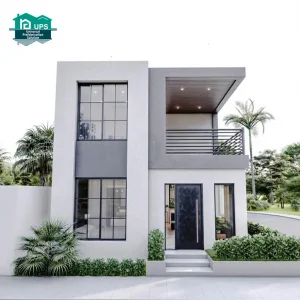
Explore our highly integrated luxury villas, flexible modular office complexes, and field laboratory structures.
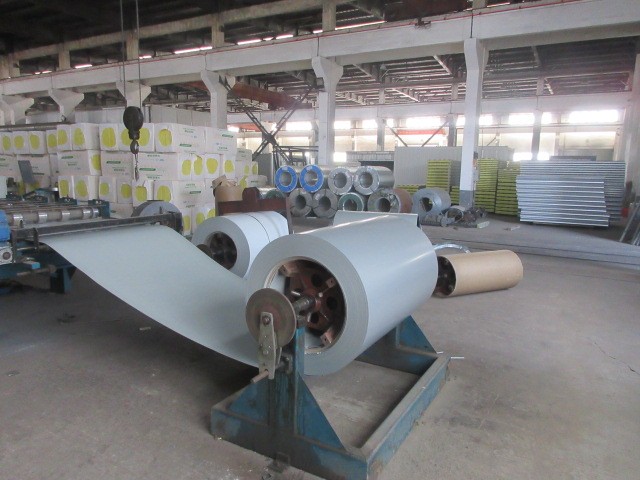
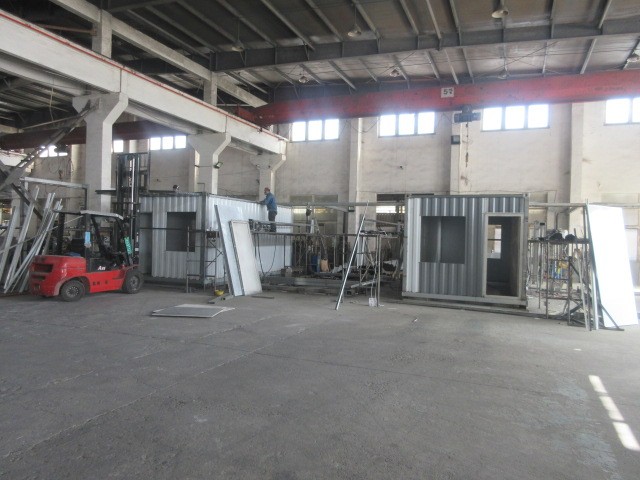
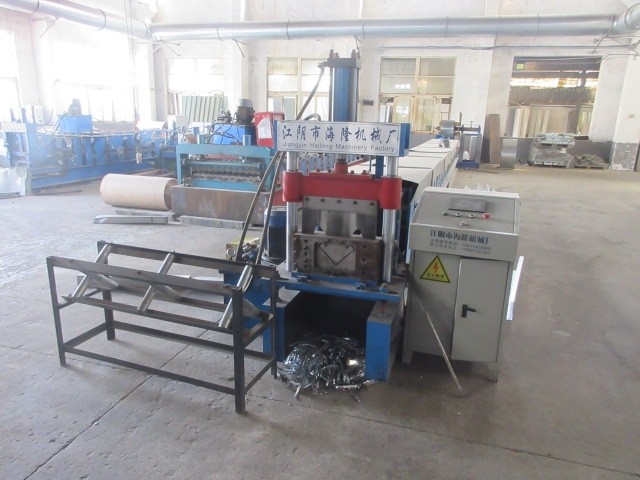
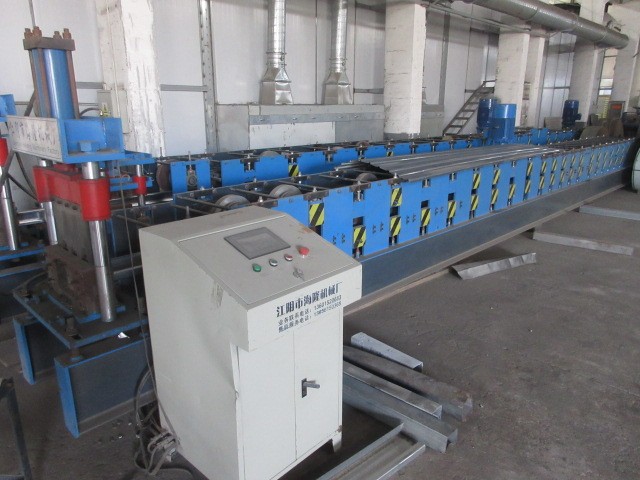
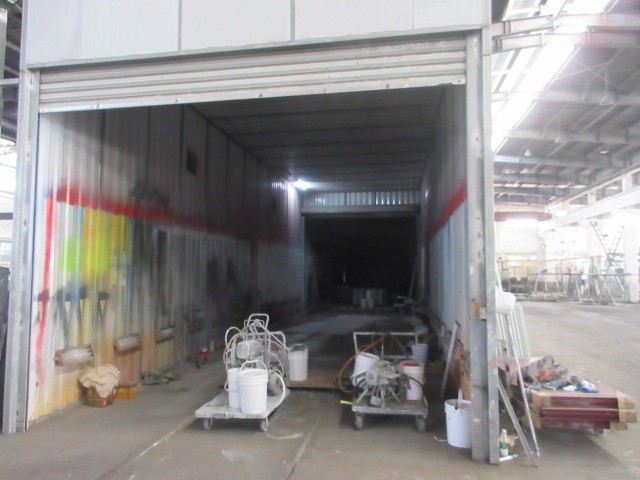
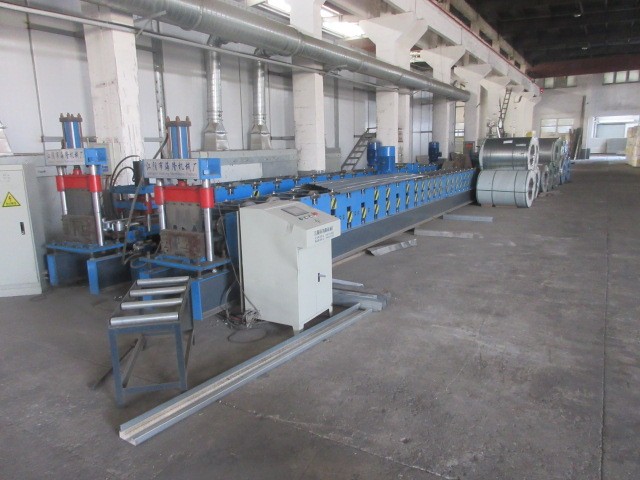
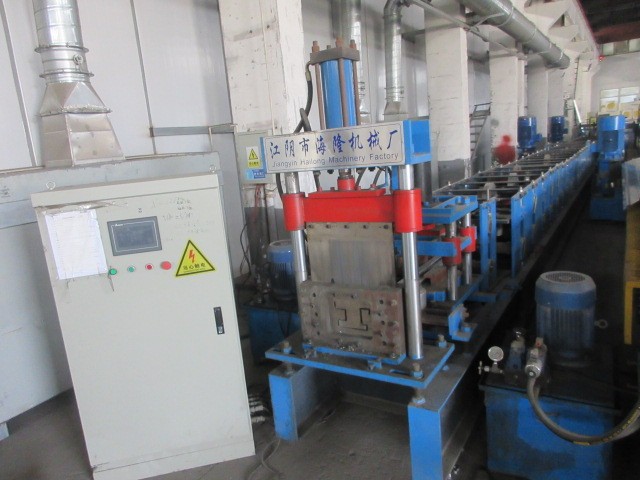
A visual overview of our advanced machinery, heavy fabrication bays, finished dormitory arrays, and modular designs deployed globally.
 Umo House