Explore our premium structural configurations, ranging from robust containerized data centers to industrial framing, fabricated directly in our state-of-the-art Chinese facilities.

The global paradigm of commercial and civil development has decisively transitioned towards Modern Methods of Construction (MMC). As leading architects, project developers, and EPC contractors seek to optimize structural engineering cycles, China's modular steel production ecosystem has risen to the forefront. This transition is not merely cost-driven; it is rooted in advanced material science, automated fabrication standards, and precise supply chain synchronization.
By opting for prefabricated structural steel frameworks rather than traditional wet-construction methods, global enterprises systematically reduce onsite assembly footprints, alleviate local labor deficits, and achieve superior compliance with international structural codes. In this industrial guide, we unpack the mechanical characteristics, supply advantages, and application scenarios that define elite China modular steel suppliers like Foshan Umo House Co., Ltd.
Our structures utilize standardized Q235B and Q355B structural carbon steel, delivering a yield strength threshold designed for high seismic tolerances (up to Grade 8) and exceptional wind resistance (up to 140km/h).
Hot-dip galvanizing coatings conform strictly to EN ISO 1461, maintaining long-term corrosion prevention in coastal and highly saline industrial environments.
Precision automation, high material yields, and comprehensive industrial integrations place Foshan at the pinnacle of international construction manufacturing.
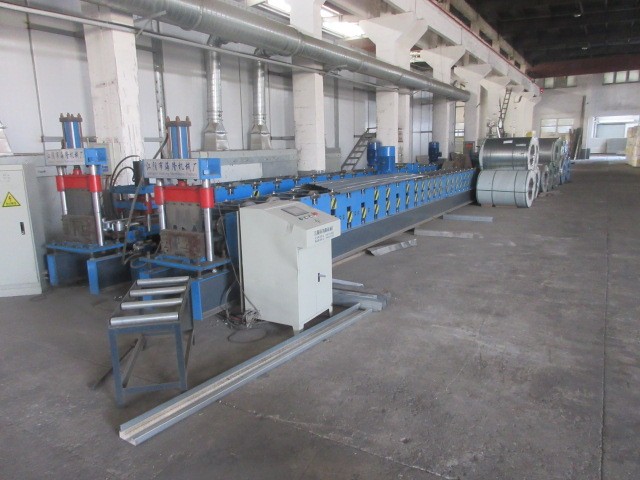
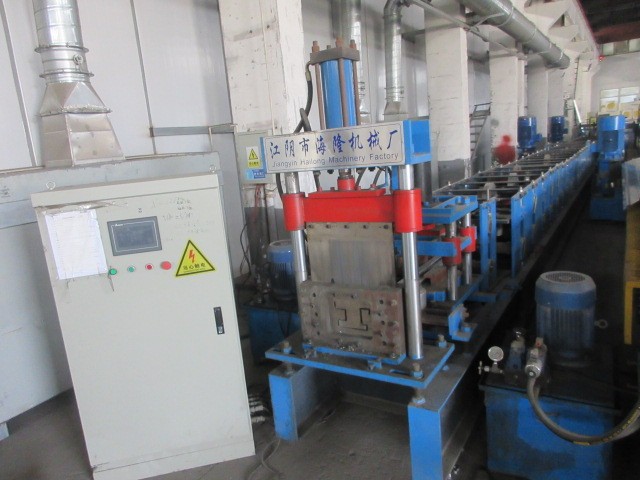
By shifting fabrication from field-welding to factory-controlled automated CNC machining lines, Umo House maintains tolerances under ±0.5mm. This guarantees that frame assemblies align perfectly once shipped to international destinations, requiring zero hot works or redesigns.
From fire-rated sandwich panel cladding (Polyurethane, Rockwool, Glasswool) to pre-integrated electrical circuits, every modular segment complies with localized requirements like AS/NZS (Australia), IBC/IRC (US/Canada), and CE regulations (Europe).
Utilizing flat-pack configuration kits and heavy-cargo logistics models, our modular structures maximize container capacity utilization. Flat-packed units can be loaded into 40ft High Cube containers, minimizing global freight overhead by up to 40%.
Discover how modern modular steel frameworks solve localized spatial and infrastructural demands.
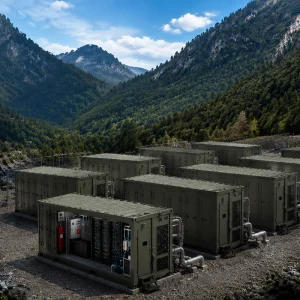
The rapid rise of AI processing demands secure, climate-insulated, and mobile physical infrastructure. Containerized data centers are pre-outfitted with cooling, power distribution, and structural shielding to offer quick, deployable regional infrastructure.
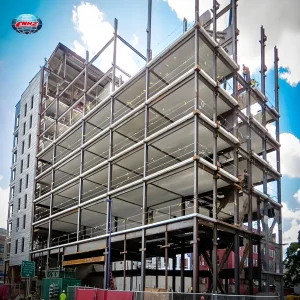
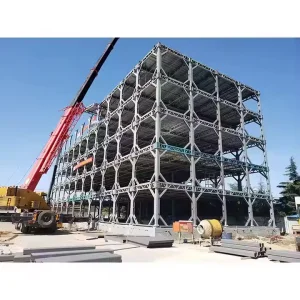
From shopping complexes and showrooms to structural steel office blocks, developers deploy modular frames to cut structural site installation periods by 60% compared to traditional poured-concrete layouts.
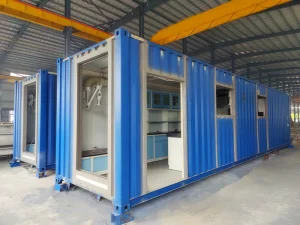
Negative pressure PCR laboratories and emergency mobile hospital units leverage modular cleanroom systems. Factory sealing avoids external particulate intrusion, maintaining sterile air conditions.
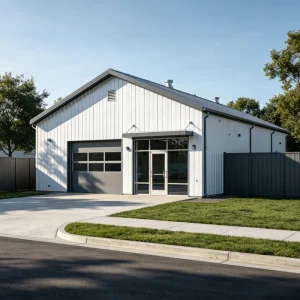
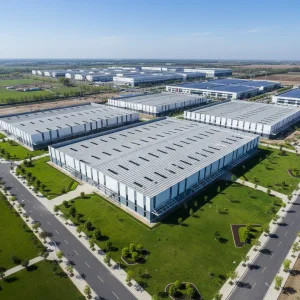
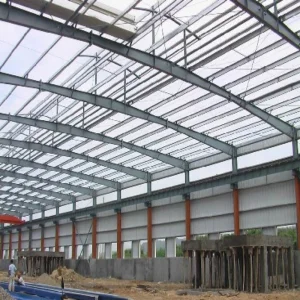
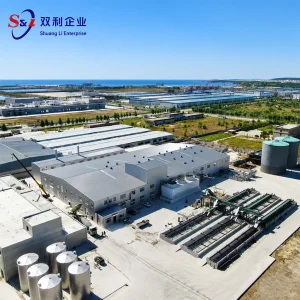
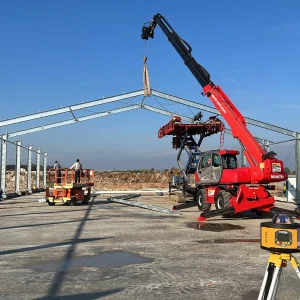
Engineered structural portal frames handle high-capacity crane systems, overhead storage, and vast column-free clearance spans, serving as strategic warehousing and fabrication hubs.
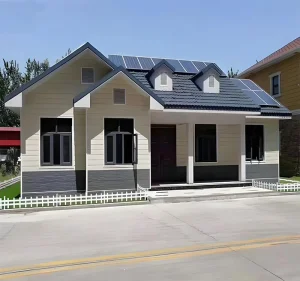
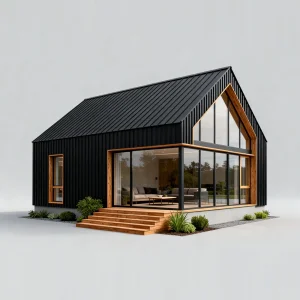
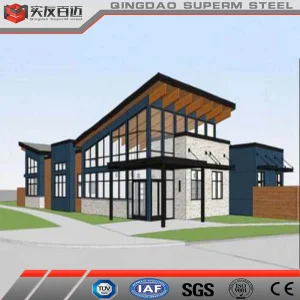
Combining light-gauge steel (LGS) framing with contemporary glass facades yields modular residential units with excellent energy efficiency (U-value <0.24 W/m²K) and beautiful modern aesthetics.
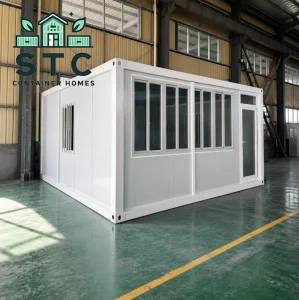
Labor accommodation, modular offices, and recreational areas designed for simple transport and swift construction in extreme climatic zones, from arid deserts to freezing tundra.
Foshan Umo House Co., Ltd. is a prominent manufacturer specializing in steel structure houses, prefabricated steel buildings, modular housing systems, and custom construction solutions in China. Backed by extensive industry experience and modern manufacturing facilities, we deliver durable, efficient, and sustainable building systems to residential, commercial, industrial, and institutional projects globally.
Our comprehensive portfolio includes structural steel warehouses, modular buildings, steel frame villas, labor camps, site offices, commercial malls, schools, hospitals, agricultural structures, and custom steel components. Every building is engineered for rapid assembly, structural strength, cost-effectiveness, and long-term durability.
With advanced machinery and strict quality control processes, we ensure every component aligns with global quality standards. Our design team offers full OEM and ODM services, supporting customized architectural drawings, structural engineering calculations, thermal insulation choices, utility routing, and project-specific finishes.
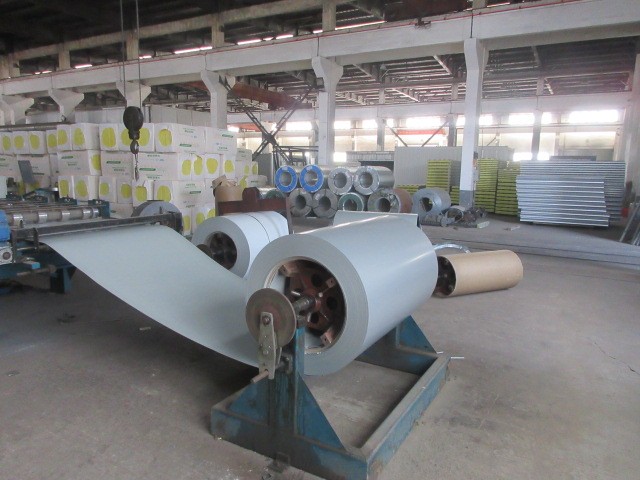
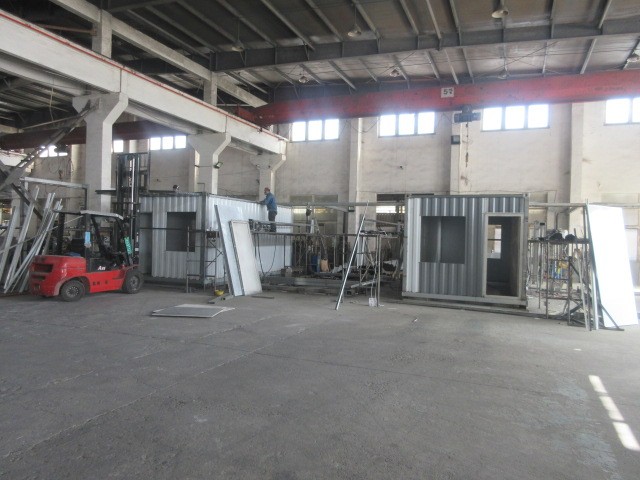
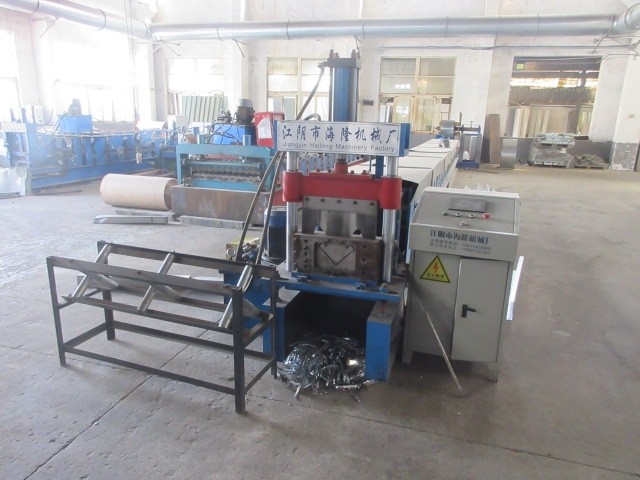
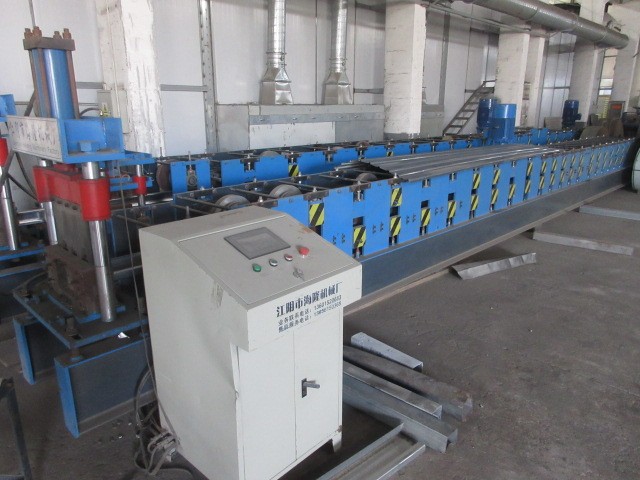
We construct our modules with premium galvanized steel profiles and high-performance building materials, ensuring long-term resistance to corrosion, high seismic activity, strong winds, and harsh weather. Excellent insulation properties deliver notable thermal efficiency, lowering lifecycle operational costs for both temporary and permanent installations.
Foshan Umo House exports across Europe, North America, South America, Southeast Asia, the Middle East, Africa, and Oceania, building collaborative partnerships with builders, developers, and engineering firms worldwide.
How forward-looking engineering standards shape the future of industrial and residential spatial planning.
Unlike traditional reinforced concrete, structural steel is 100% recyclable at the end of its lifecycle. This recyclability addresses the stringent ESG reporting criteria now required by sovereign wealth funds, commercial banks, and global asset management firms. Prefabricated manufacturing processes also minimize onsite waste by up to 90%.
Modern modular housing configurations are designed to integrate solar PV structures, smart rainwater collection systems, and local battery storage (BESS). This transforms modular structures from energy-consuming spaces into self-sustaining units, perfect for remote sites and eco-conscious developments.
Sourcing structural modular assemblies from overseas requires clear quality control and logistical milestones. To maintain project timelines and quality standards, we implement a standardized procurement framework:
Using Autodesk Revit and Tekla structures, we detail structural loads, connection methods, and spatial layout specs. All models undergo virtual stress testing before manufacturing starts.
Clients can review component dimensions, weld integrity, and paint coat thickness via high-definition video inspections, maintaining full transparency.
All components are clearly labeled and accompanied by installation guides, step-by-step videos, and direct engineering support to ensure smooth local assembly.
Technical answers to key structural, thermal, and compliance questions from sourcing specialists.
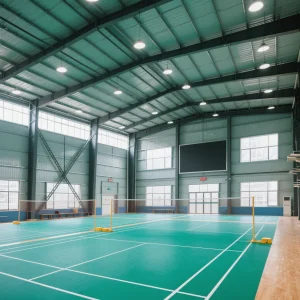
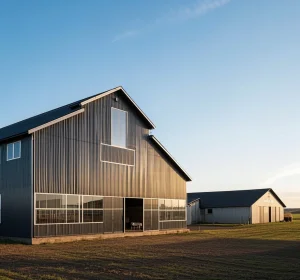
Review our specialized spatial applications, from industrial halls and multi-level office buildings to modular container configurations and livestock structures.
 Umo House