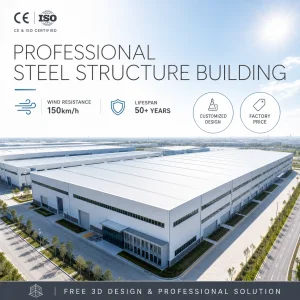
Explore our top precision-engineered structures, designed for load resistance, quick site assembly, and long-term durability under extreme weather conditions.
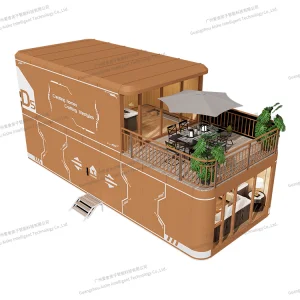
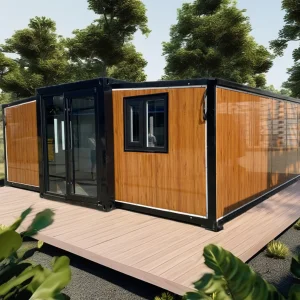
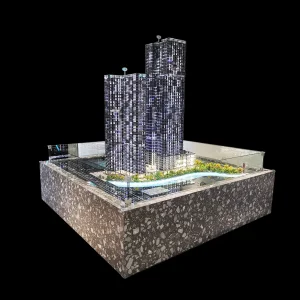
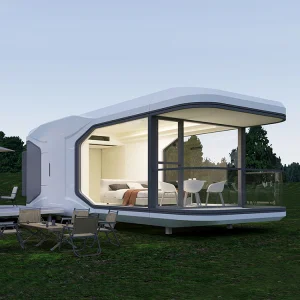
As a premier industrial manufacturer based in China, Foshan Umo House Co., Ltd. specializes in the synthesis of structural steel engineering, high-efficiency prefabricated steel buildings, modular housing envelopes, and customizable building designs. We provide the global market with robust structural assets that yield extended operation cycles, lower structural depreciation rates, and higher resistance to seismic zones.
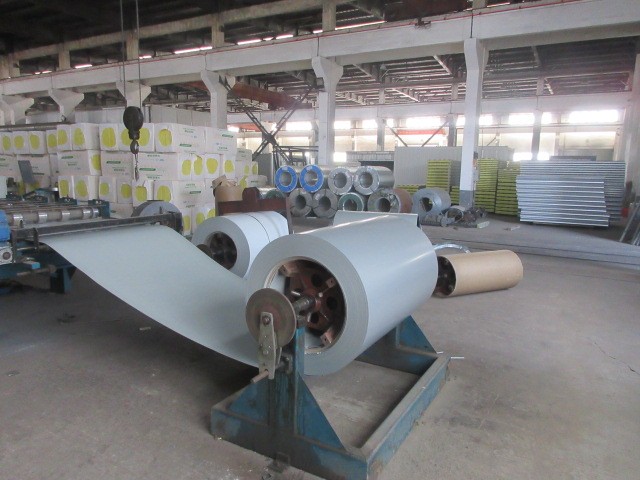
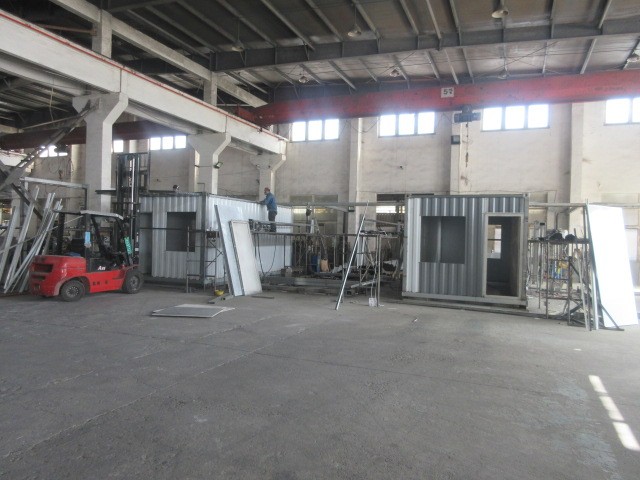
How prefabricated steel structures resolve commercial real estate and heavy-industry bottlenecks across geographic territories.
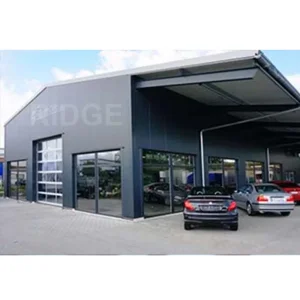
High-clearance portal frames designed with large column-free spans. Optimized for high-density vertical racking, automated storage retrieval systems (ASRS), and dynamic container loading bays.
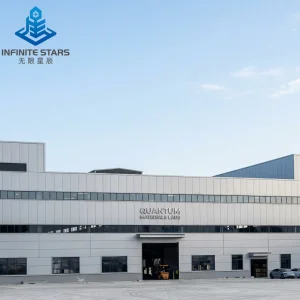
Structural integrations designed to handle heavy overhead cranes (5T to 50T load limits), floor loading limits for heavy industrial machinery, and integrated ventilation setups.
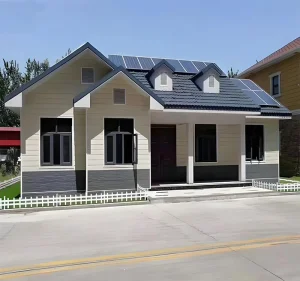
Custom double-storey and multi-family structures optimized for rapid development. Designed with integrated sub-frames, sandwich panels, and pre-installed utility services.
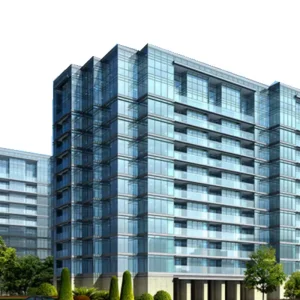
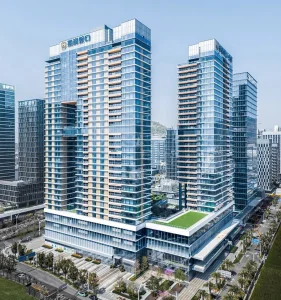
Sleek multi-story office buildings, hotels, and retail complexes featuring composite concrete-steel decking floor systems that reduce raw material consumption and foundation demands.
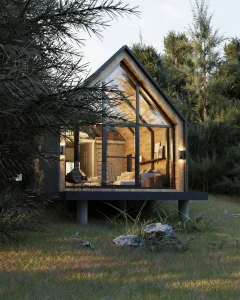
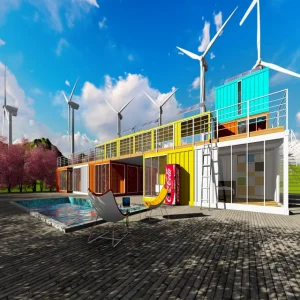
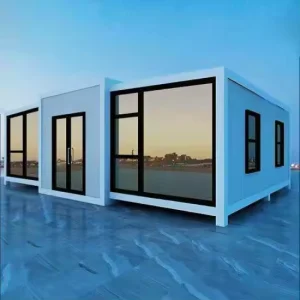
Detachable, robust container systems, expandable cabins, and site offices that deploy easily in remote extraction zones, providing durable shelter for crews in environments like deserts and frozen tundras.
Prefabricated hospitals, community clinics, containment complexes, and educational institutions designed to satisfy healthcare hygiene, emergency structural backup, and thermal requirements.
Our engineering workflow is built on empirical testing, precise fabrication tolerances, and global structural building code compliance.
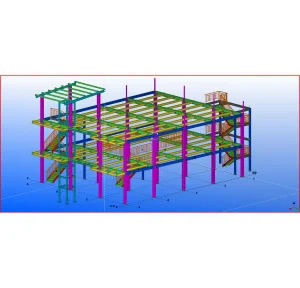
Every building model undergoes finite element analysis (FEA) to determine structural stability under dead load, live load, snow load, wind load, and seismic loads. Member design complies with AISC ASD/LRFD, Eurocode 3 (EN 1993), or equivalent local specifications. Bolted connections are engineered for high-strength friction grip (HSFG) using grade 8.8 or 10.9 structural bolts.
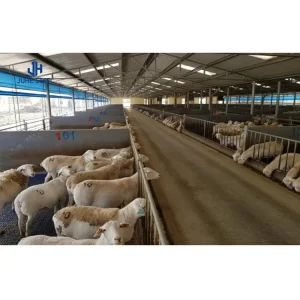
Corrosion is mitigated through advanced surface preparation by centrifugal blast cleaning (Grade Sa 2.5) followed by a high-build protective coating system. Components exposed to aggressive elements receive hot-dip galvanizing conforming to ISO 1461, ensuring maintenance-free performance in marine, coastal, and high-humidity agricultural settings.
Thermal bridging is minimized by using high-density polyurethane (PU), polyisocyanurate (PIR), or structural rockwool sandwich panels. Wall and roofing systems are designed to satisfy local energy codes, providing optimal U-factors (down to 0.24 W/m²K) for harsh environments in North America and Northern Europe.
Foshan Umo House operates under ISO 9001:2015 quality management guidelines. Welder certifications are maintained in accordance with AWS D1.1 (American Welding Society) and EN 287. Heavy structural welding joints undergo Non-Destructive Testing (NDT), including Ultrasonic Testing (UT) and Magnetic Particle Testing (MT), before leaving the factory.
From South American mine structures to European high-rise commercial codes, learn how we adapt our modular and portal-framed steel systems globally.
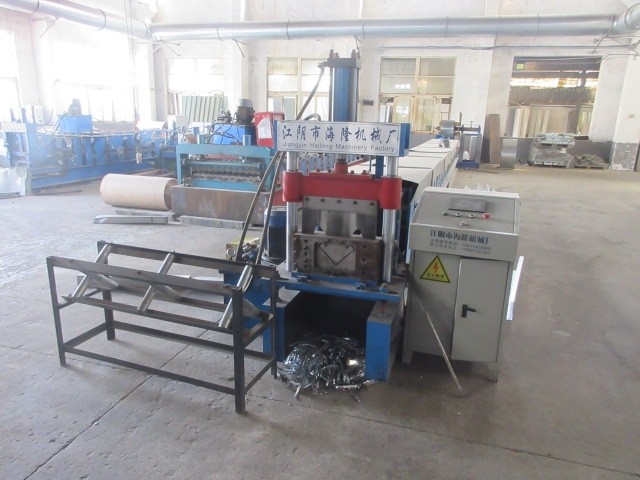
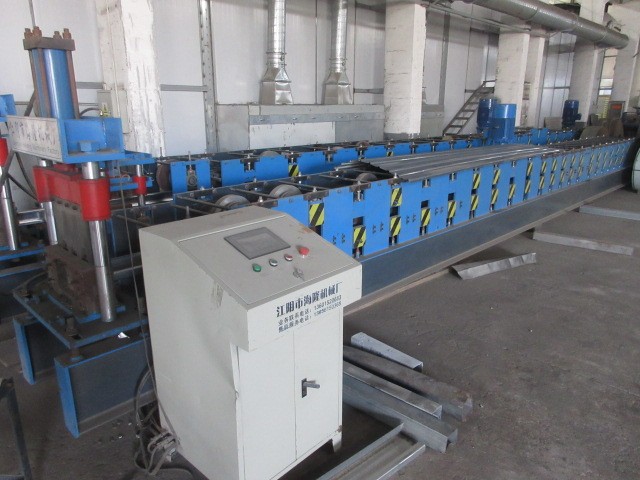
Deploying permanent steel structures across borders requires strict compliance with local building codes. Foshan Umo House collaborates directly with structural engineers, developers, and consultants worldwide, providing calculation models formatted for local building officials. We adapt designs to comply with:
Embracing the shift toward zero-emission building materials and smart modular integration.
We are partnering with primary steel suppliers using Electric Arc Furnace (EAF) technologies powered by renewable energy sources, working to reduce the embodied carbon of structural steel frames.
We design roofing systems built to accept Building-Integrated Photovoltaics (BIPV), transforming warehouses and public structures into clean energy generation assets.
Moving beyond basic design, our structures will feature structural sensor placements, allowing real-time monitoring of tension, thermal expansion, and structural fatigue.
Detailed technical answers to common questions about durability, custom engineering, and global project delivery.
We primarily use Q355B and Q420 structural steel (comparable to ASTM A572 Grade 50 / S355JR). These materials offer high yield strength, good weldability, and impact properties. Standard profiles include hot-rolled H-sections, built-up welded plate sections, cold-formed C/Z purlins, and tubular structural framing.
Our engineering team conducts site-specific analyses based on local building codes. Using professional design packages like PKPM and Tekla, we run calculations for wind pressures up to 250 km/h and ground accelerations corresponding to seismic category 8. Column sizes, bracing patterns, baseplate thicknesses, and foundation connection bolts are engineered accordingly.
With proper maintenance and surface coatings, our structures have a design life of over 50 years. For environments prone to corrosion, we recommend hot-dip galvanizing, which provides long-term barrier protection and prevents structural degradation.
Yes. We offer OEM/ODM services. By sharing your existing foundation plans, anchor bolt layout, and target structural loads, our team can customize the structural columns, baseplates, and frame configuration to match your existing footings.
We optimize structural sections to pack efficiently into standard 40ft High Cube (HC) or Open Top (OT) sea containers. Every member is clearly labeled to correspond with the project shop drawings, minimizing layout and positioning mistakes during site erection.
Take a look at the quality control, structural design, and finishing standards applied across our manufacturing plants.
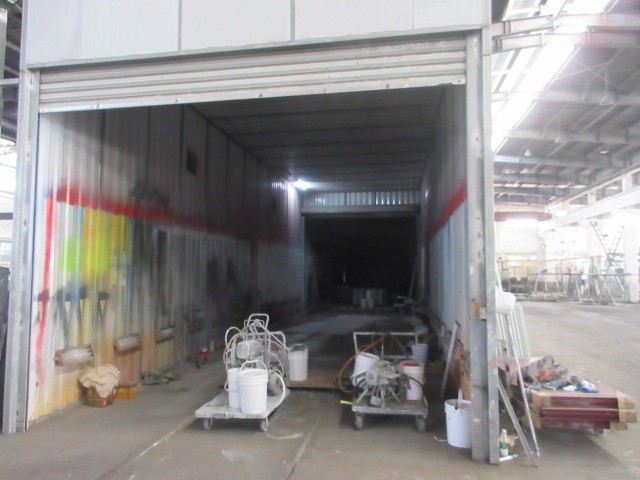
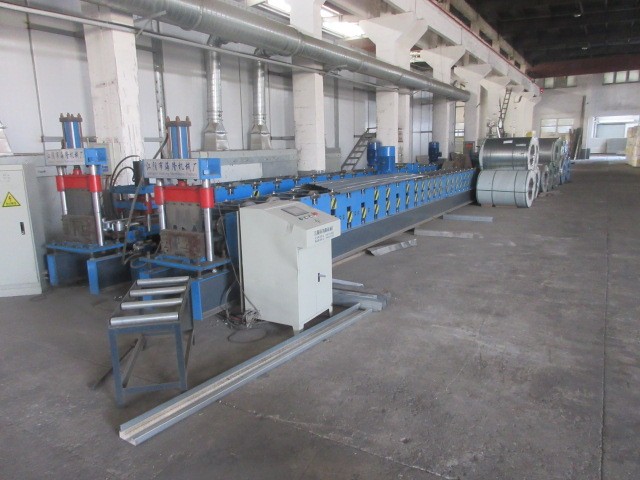
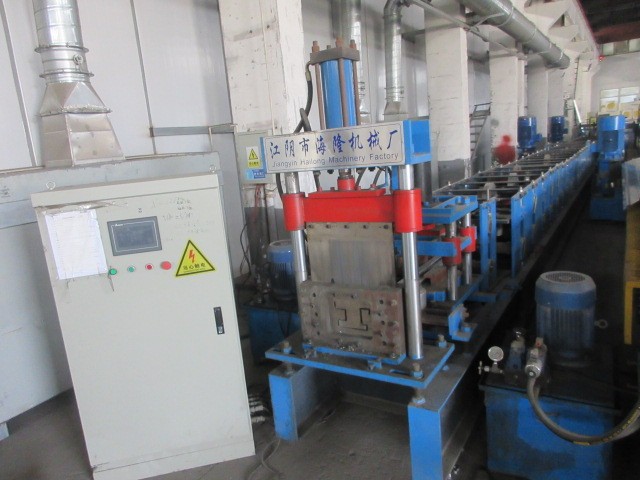
Engineered for quick assembly, optimized load distribution, and severe weather resistance.
 Umo House