Engineered to international building codes, our prefabricated and custom structural steel solutions deliver unprecedented durability and rapid field deployment.
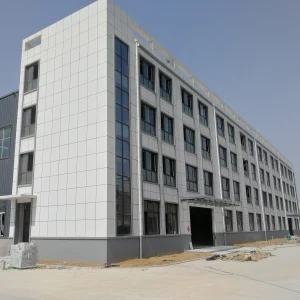
Modern commercial, industrial, and infrastructure project developers are shifting rapidly toward off-site manufactured steel construction. The necessity to mitigate escalating on-site labor costs, reduce material waste, and accelerate project timelines has made pre-engineered steel buildings (PEB) and light-gauge modular frameworks the gold standard for global procurement departments.
From heavy-duty logistics hubs and industrial manufacturing workshops to institutional classroom grids, mining accommodations, and customized commercial villas, procurement mandates demand strict compliance with international mechanical properties, localized load combinations, and ecological metrics. Organizations require structured pathways to scale their localized footprints while enforcing structural integrity and rapid material delivery.
Optimized systems developed to overcome geographical, technical, and regulatory barriers in international land development and special operations.
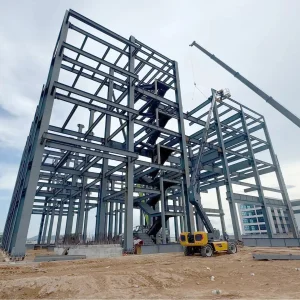
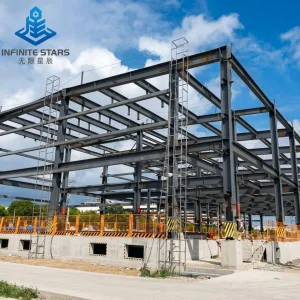
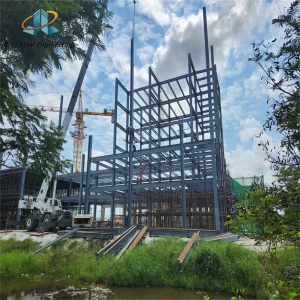
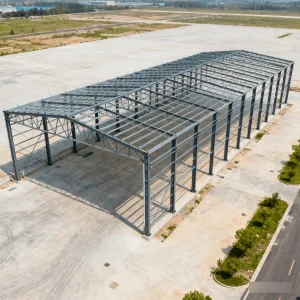
Our heavy-duty portals, columns, and structural trusses are customized specifically for large-span warehouses and high-capacity manufacturing facilities. Pre-configured for overhead crane runways, custom dynamic loads, and complex mechanical, electrical, and plumbing (MEP) integration routes.
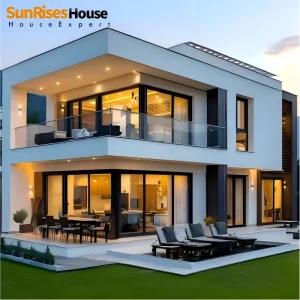
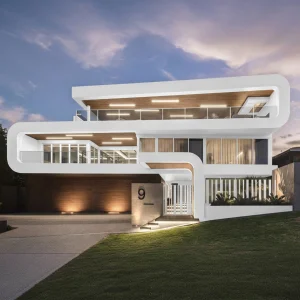
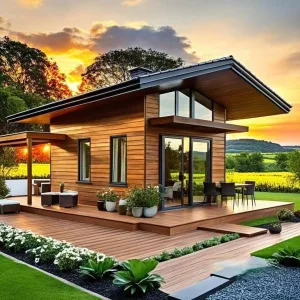
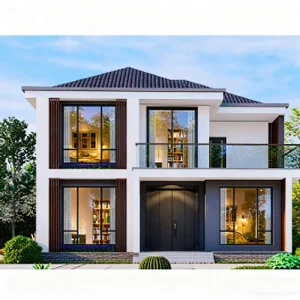
High-tensile light gauge steel frame (LGSF) villas merge architectural flexibility with structural safety. Featuring optimized floor-plan layouts, multi-layered drywall acoustics, structural fire barriers, and complete climate control options designed for luxury modular developments.
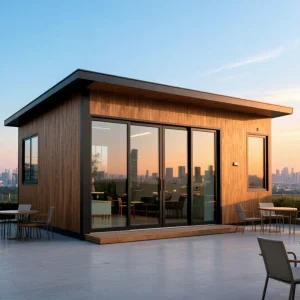
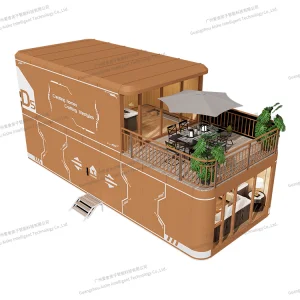
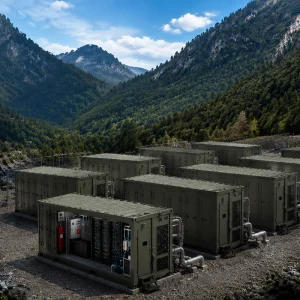
Highly engineered shelter cabins, such as the BRM Bunker Data Center, protect mission-critical technology infrastructure from severe thermal anomalies, physical breaches, electromagnetic interference, and seismic events, meeting specialized Tier III and Tier IV data standards.
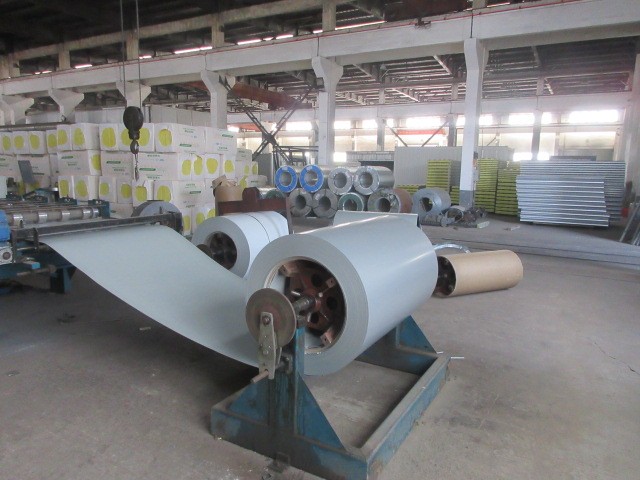
"Foshan Umo House Co., Ltd. leverages state-of-the-art computerized manufacturing pipelines to translate complex blueprints into structurally sound, field-ready elements."
Operating from Foshan, China's premier industrial manufacturing core, Foshan Umo House Co., Ltd. stands as an elite manufacturer specializing in structural steel villas, prefabricated commercial structures, complex modular housing assemblies, and custom-engineered frame enclosures. By prioritizing state-of-the-art material treatments, precise production engineering, and strict ISO-compliant production oversight, Umo House serves as a core supplier for complex global residential, industrial, and institutional project scopes.
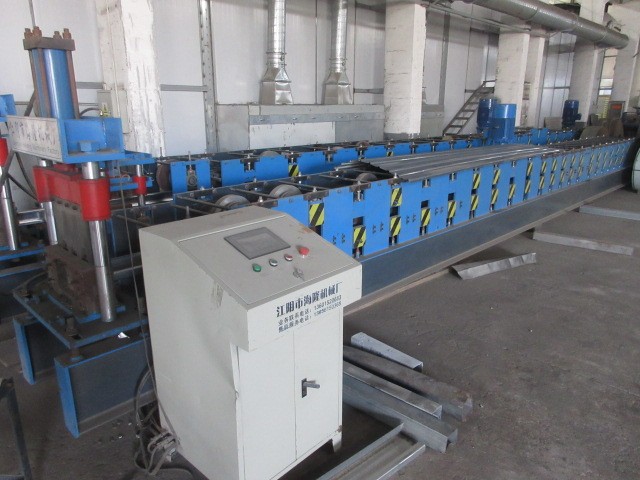
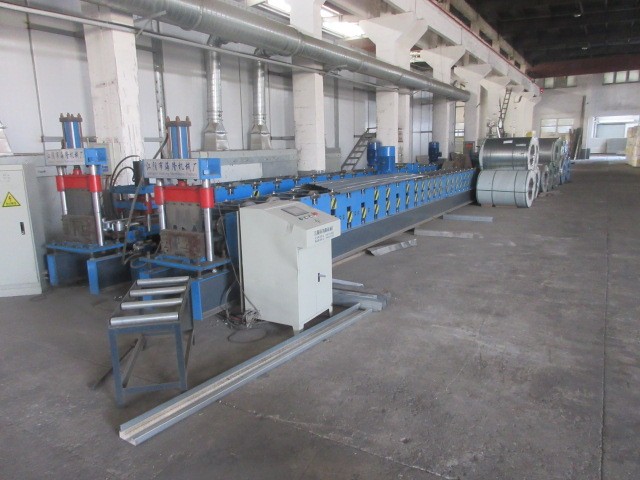
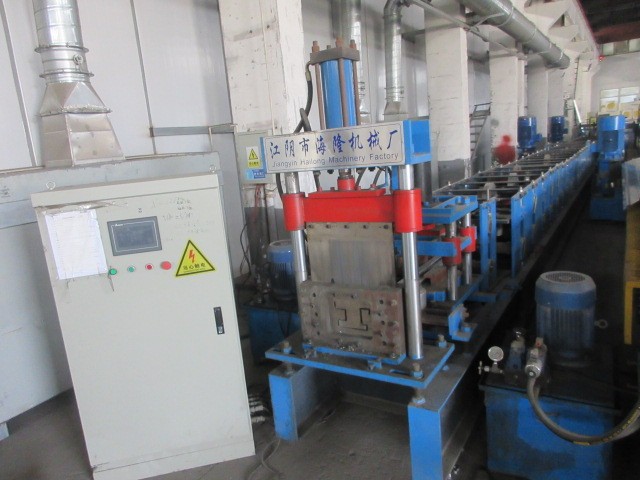
Umo House's technical approach relies on deep integration between structural engineering software platforms and CNC roll-forming equipment. This guarantees that all structural elements—ranging from heavy structural H-beams to complex light gauge wall framings—contain pre-drilled utility runs, structural fixing holes, and indexing marks, reducing layout mistakes and optimizing build speed on site.
Our commitment to technical transparency. Below are the mechanical properties, manufacturing practices, and structural performance tolerances engineered into every structure.
| Structural Component | Standard Specification | Corrosion Protection | Structural Compliance |
|---|---|---|---|
| Primary Portal Frame | Q355B / Q355D (Equivalent to ASTM A572 Grade 50) | Hot-dip galvanized (≥ 85 μm) or Epoxy Rich zinc paint coating | AISC 360-16, Eurocode 3 (EN 1993) |
| Light Gauge Framing (LGSF) | G550 Structural Steel (Yield Strength ≥ 550 MPa) | AZ150 Aluzinc / Z275 Galvanized Barrier Coat | AISI S100, AS/NZS 4600 |
| Insulated Wall Panels | High-Density Polyurethane (PIR) / Rockwool Core | Pre-painted Galvanized Steel Skin (0.5mm - 0.8mm) | EN 14509 Fire Rating Class A / B-s1, d0 |
| Foundation Anchorage | Grade 8.8 / 10.9 High-Strength Anchor Bolts | Electro-galvanized / Dacromet Coated | ACI 318 Concrete Anchorage Design Rules |
Our structural engineering teams utilize customized finite element analysis (FEA) to verify the performance limits of all custom steel villas, site offices, and large-scale industrial frames. Wind resistance designs are modeled for up to Category 5 cyclones (up to 280 km/h) depending on the specific location parameters.
Seismic load designs are optimized to sustain acceleration forces corresponding to Seismic Zone 4 parameters. Thermal efficiency requirements are satisfied using customized insulated sandwich panels that lower the thermal transmittance (U-value) to less than 0.24 W/m²K, which helps lower lifetime HVAC energy consumption.
At Umo House, our customization capabilities go far beyond basic layout adjustments. We offer a full range of OEM and ODM engineering services, supporting customized architectural design, structural calculations, insulation systems, roofing, wall panels, electrical layouts, plumbing, and interior finishes.
Every single framing component is labeled systematically, allowing on-site assembly crews to execute installation with ease. Our precision manufacturing tolerances remain within +/- 0.5mm, ensuring perfect alignment across all multi-story columns, rafters, and tie-beams during final erection.
Bridging global manufacturing efficiency with localized compliance standards, building control requirements, and regional environmental challenges.
Every structural design destined for European markets complies fully with Eurocode 3 (Steel Design) and Eurocode 8 (Seismic Design). High-quality welding practices follow the EN ISO 3834 standard, ensuring reliable structural joints across all structural assemblies.
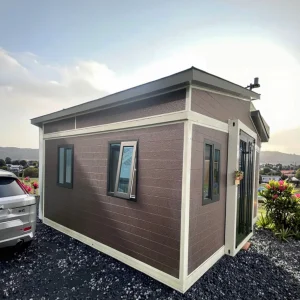
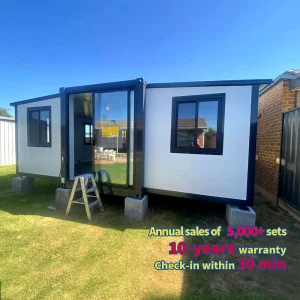
Prefabricated modular units, expandable container homes, and steel villas are designed to comply with IBC (International Building Code) criteria, AISC standards, and local structural calculations, including cold-formed steel requirements from the AISI.
We supply custom residential structures matching the Australian National Construction Code (NCC). Standard steel profiles and light gauge framework elements conform with AS/NZS 1170 (Structural Design Actions) and AS/NZS 4600 (Cold-formed Steel Structures).
As the construction industry moves towards digitized workflows and lower carbon footprints, Foshan Umo House Co., Ltd. is continually evolving its production platforms. By integrating DFMA (Design for Manufacture and Assembly) principles with Cloud-based Building Information Modeling (BIM), we ensure that every phase of the project—from the initial design sketch to structural steel detailing—is synchronized in a unified 3D environment.
Looking ahead, our technology roadmap focuses on three main areas:
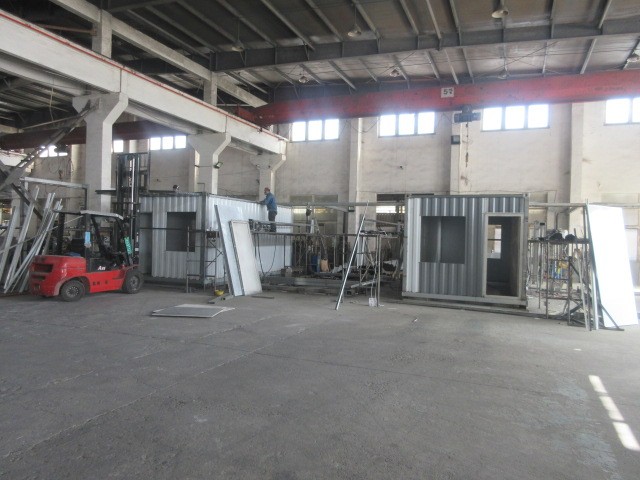
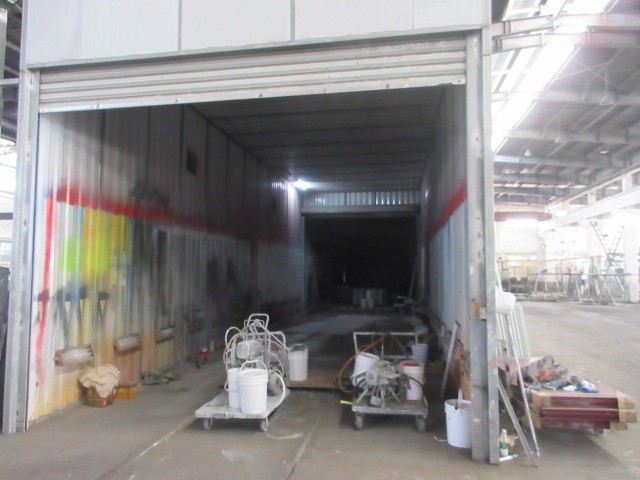
A look inside the manufacturing facilities and structural assemblies developed by Foshan Umo House Co., Ltd.
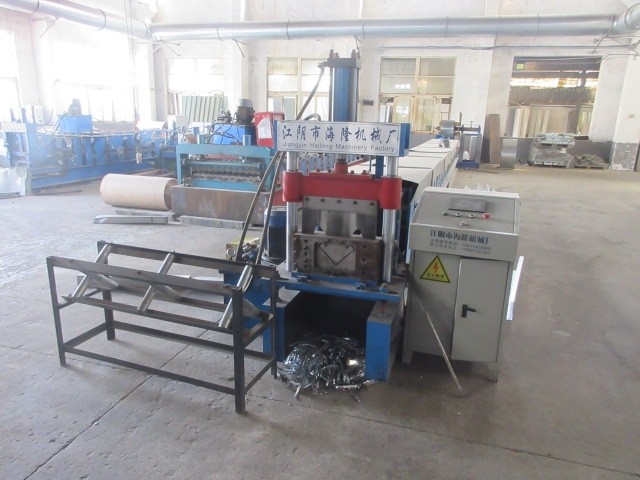
Read through our technical explanations regarding steel frame properties, customization, logistics, and on-site assembly processes.
Explore our highly customizable commercial structures, modular containment units, and high-performance villas designed for the international market.
 Umo House