Engineered specifically for Northern Europe's building regulations, offering high snow load ratings and low U-value insulation systems.
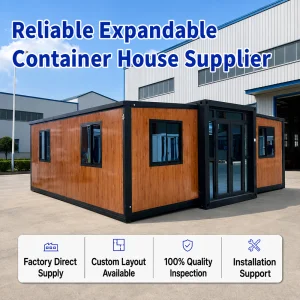
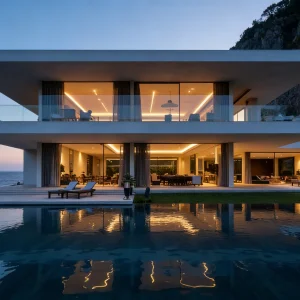
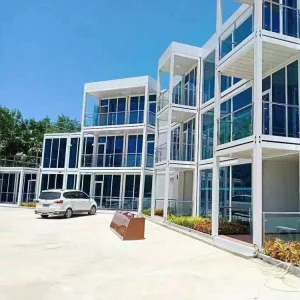
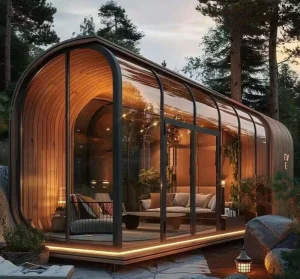
Finland is at the global forefront of sustainable building technologies. With strict carbon-neutral targets set for 2035, the construction sector is undergoing a rapid transition from traditional concrete cast-in-situ methods to industrial prefabrication. Offsite manufacturing using galvanized structural steel guarantees precision engineering, reduces onsite waste by up to 70%, and dramatically accelerates project schedules, enabling developers to build even during the frozen winter months.
However, importing and deploying modular steel structures in Finland demands adherence to some of the strictest building regulations in the world. Structural performance must meet Eurocode 3 standards (EN 1993) for steel structural integrity, alongside extreme thermal envelope guidelines dictated by the Finnish Ministry of the Environment (Ympäristöministeriö). Structural frames must withstand snow loads exceeding 2.0 to 2.5 kN/m² in northern regions and resist high wind loads along the long coastlines of Helsinki, Turku, and Oulu.
The global modular construction market is projected to reach USD 140 billion by 2030, driven by acute housing deficits, labor shortages, and ESG mandates globally. Steel-framed modular buildings are dominating this segment due to their high strength-to-weight ratio, structural resilience, and 100% recyclability. Industrially designed modules are manufactured in controlled factory settings, eliminating weather disruption risk and optimizing materials efficiency. As developers seek rapid, scalable, and bankable structural methods, China-based factory hubs have emerged as the primary engines of quality-driven high-capacity supply.
Combining high-capacity Chinese manufacturing efficiency with stringent Northern European architectural quality standards.
Our Foshan factory leverages advanced robotic laser cutting, automatic roll-forming, and welding to secure tolerances under 1.0mm, ensuring trouble-free site installation in Finland.
We integrate structural cold-bridge breaks, high-density mineral wool, polyurethane core sandwich panels, and triple-glazed Low-E argon-filled windows to keep cold air out.
Engineered for ocean logistics, modules are flat-packed or pre-assembled in standard high-cube shipping containers, departing from Shenzhen/Nansha ports directly to Helsinki or Kotka.
| Specification Parameter | Finnish Standard Requirements | Foshan Umo House Specifications | SEO / Structural Advantage |
|---|---|---|---|
| Steel Grade & Core Frame | Eurocode 3 (EN 1993) Compliance | Q355B / S350GD+Z structural steel | High load-bearing capability under extreme snow. |
| Corrosion Protection | Class C3/C4 Environmental Resistance | Hot-dip galvanized (Min. 275g/m² Zinc Coating) | Corrosion resistance against salt wind and sub-zero humidity. |
| Wall Insulation (U-Value) | ≤ 0.17 W/m²K (Residential limit) | 150mm PU/Rockwool core sandwich panels + thermal break (0.15 W/m²K) | Exceeds national energy-saving standards; lowers heating costs. |
| Window Glazing | Triple-pane insulating units | Low-E coated, argon gas-filled triple glazed, aluminum frames | Minimized thermal loss and exterior decibel reduction. |
| Production Turnaround | 12 - 18 weeks (Onsite dependent) | 4 - 6 weeks factory production | Over 60% faster deployment, minimizing site labor cost. |
Adapting modular technology to specific Finnish regional and industrial needs.
For regions like Rovaniemi or Levi, our panoramic modular cabins and space capsules offer high-strength insulated frames and floor-to-ceiling double/triple glass curves to maximize the viewing experience of the Aurora Borealis.
Meeting municipal housing needs in urban centers such as Helsinki, Espoo, and Tampere. Stackable and multi-story light steel residential systems enable dense and cost-effective layout configurations with excellent acoustics.
Ideal for the forestry, mining, and maritime logistics centers in Kemi and Oulu. Our flat-pack container offices offer instant deployment, easy relocating flexibility, and superior workspace insulation.
Purchasing modular housing across borders requires rigid oversight. Global developers and B2B buyers frequently face problems such as mismatched electrical/plumbing standards, inadequate structural load calculation, and shipping damages. Foshan Umo House solves these issues by enforcing deep engineering compliance. We construct our systems to utilize local certifications (such as FI certification pathways and CE certification) and match CE-approved components for all electrical assemblies, internal distribution boxes, socket designs, and piping. By using advanced BIM-driven model checks before fabricators execute cutting plans, our structures fit together seamlessly on the field.
Explore our diverse range of light gauge steel structural systems and volumetric modular buildings.
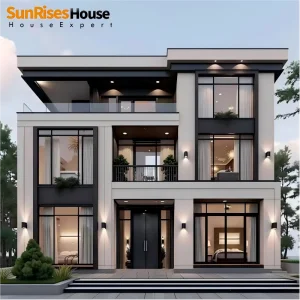
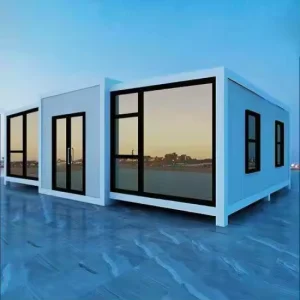
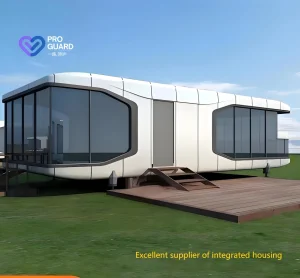
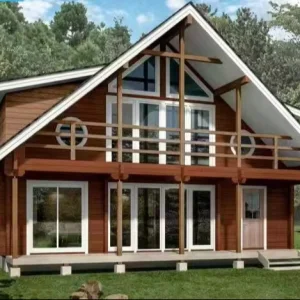
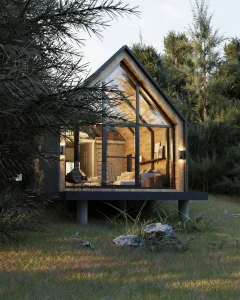
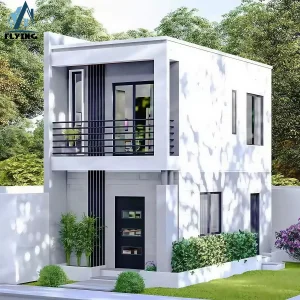
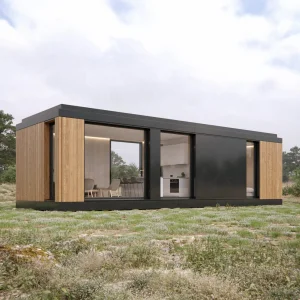
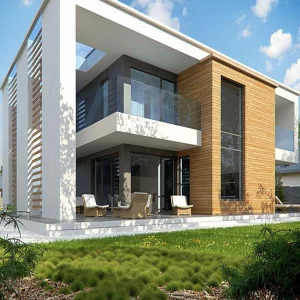
Take a virtual tour through our Chinese manufacturing clusters featuring advanced structural tooling.
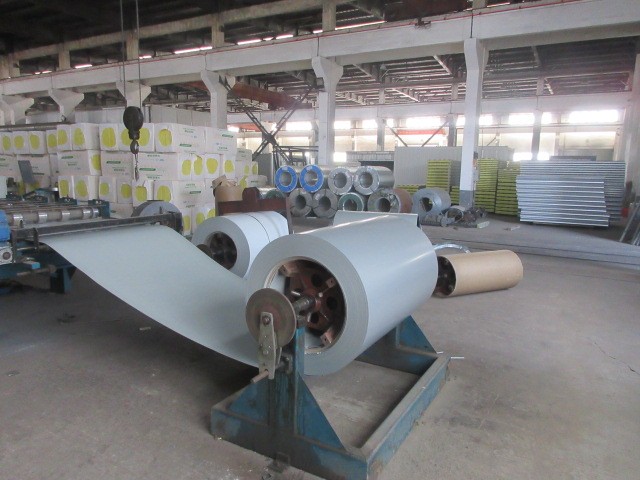
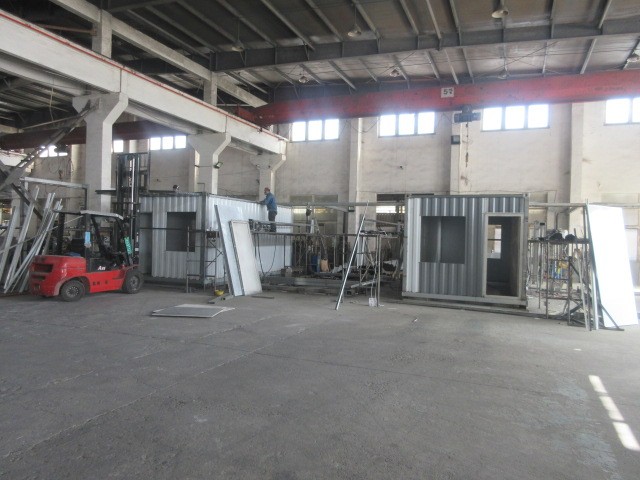
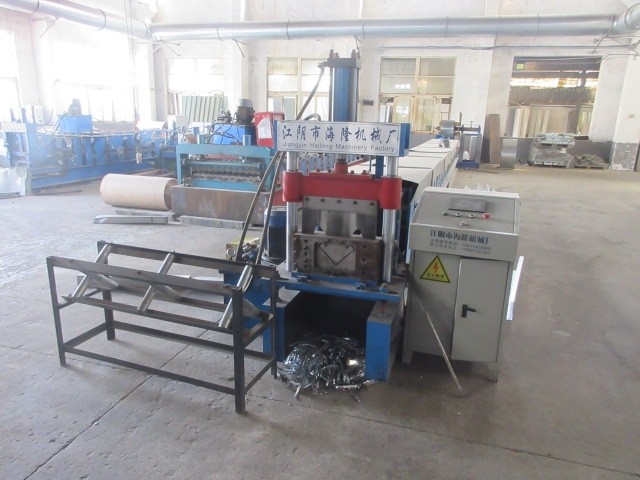
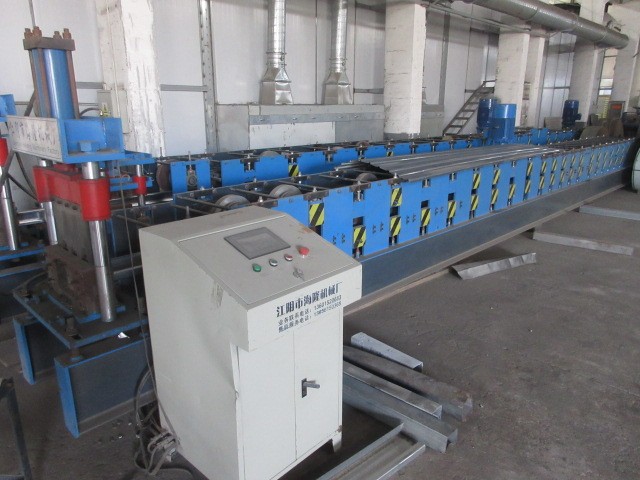
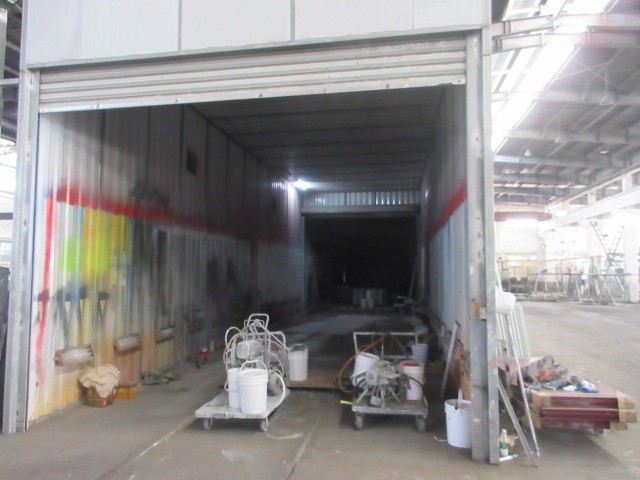
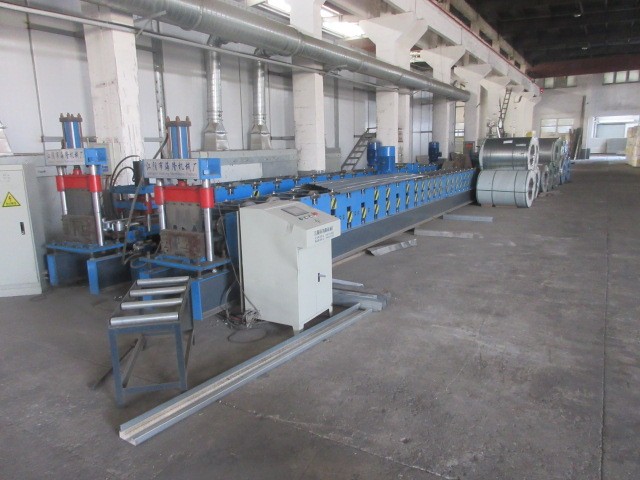
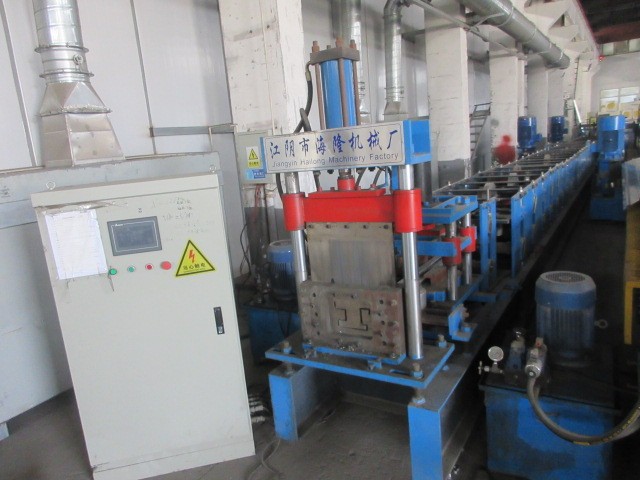
At Foshan Umo House Co., Ltd., we combine robust structural design and supply chain optimization to deliver superior modular projects. Every structure we produce undergoes precise stress modeling in structural analysis programs. This verifies performance limits against wind pressure, vertical floor loads, and heavy snow shear before assembly starts.
Our raw structural profiles are procured from premier Chinese state-owned steel conglomerates. Frame elements are cold-formed or hot-rolled to specified dimensions and receive rich galvanization treatment, preventing structural wear under prolonged dampness. Our factory-level quality checks ensure squareness tolerances, welding density (complying with EN ISO 3834 requirements), and moisture-barrier assembly execution are properly evaluated before the structures are packed for transport.
Find technical and logistical details regarding importing and assembling modular steel houses in Finland.
Yes. We custom-engineer structural and insulation schemes to meet strict Finnish national requirements. We implement structural frame layouts that comply with EN 1993 (Eurocode 3) specifications, integrate low thermal transmittance envelope options (U-values of ≤ 0.17 W/m²K for outer walls), and provide certified structural designs matching Lapland/Arctic snow loading variables (up to 2.5 kN/m²).
Depending on the layout type (flat-pack container modules or volumetric architectural systems), Umo House handles safe container loading configurations at our Foshan facility. Components are securely wrapped, structurally braced, and flat-packed into standard 40-foot High Cube (40HC) containers. Vessels ship from Southern China maritime terminals (Shenzhen/Nansha) to the Port of Helsinki (Vuosaari) or Port of Kotka. Typical transit times range from 35 to 45 days.
Our structures require basic site foundations, such as strip, block, or concrete slab configurations. Every building package includes detailed architectural blueprints, 3D structure mapping, step-by-step guides, and electrical and plumbing schematics. A crew of 3 to 4 local installers can assemble standard flat-pack frames within days, requiring no specialized, heavy-duty site machinery.
We break structural thermal bridges using non-conductive barrier strips between the steel framing and outer claddings. For wall, floor, and roof layers, we apply high-density fireproof Mineral Rockwool (up to 150mm thickness) or high-grade polyurethane core sandwich panel boards (PIR/PUR). We match these configurations with multi-chamber, thermal-break aluminum windows and Low-E double/triple glazing packages to prevent heat loss.
Yes. Our in-house engineering team provides complete OEM/ODM design services. We integrate architectural layouts, structural load calculations, insulation packages, roof systems, wall panels, and interior finishing requirements. We collaborate closely with developers from CAD layouts up to Tekla 3D model exports to ensure absolute accuracy before beginning production.
Ready to discuss your modular construction project in Finland?
Send Inquiry Now Umo House