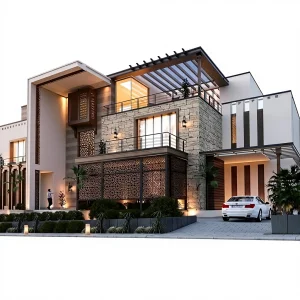
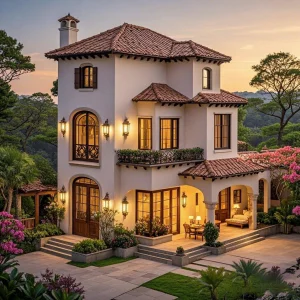
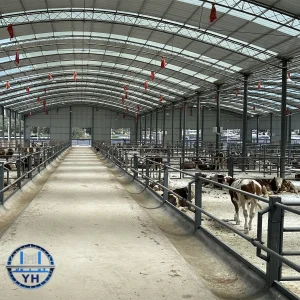
Pre-engineered structural systems custom-configured for heavy snow loads, rapid installation, and maximum thermal boundary retention in Norwegian territories.
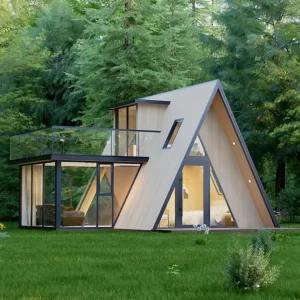
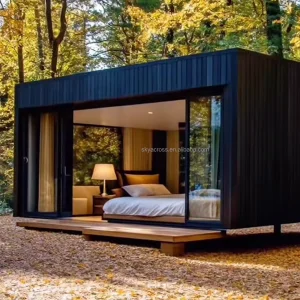
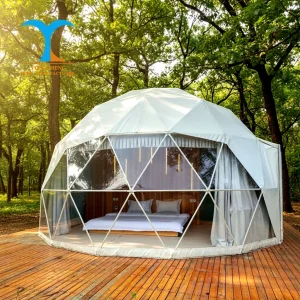
Understanding the strict microclimatic, regulatory, and industrial dynamics governing the Norwegian steel structure farmhouse market.
The agricultural landscape of Norway is undergoing a structural transition. Framed by mountain ranges, deep fjords, and harsh sub-polar environments, Norway presents some of the most rigorous operational challenges for farming, livestock husbandry, and rural accommodations globally. From the southern agricultural hubs in Rogaland and Østlandet to the northern reaches of Troms and Finnmark, construction in Norway requires architectural resilience that traditional timber frames struggle to sustain cost-effectively over long life cycles.
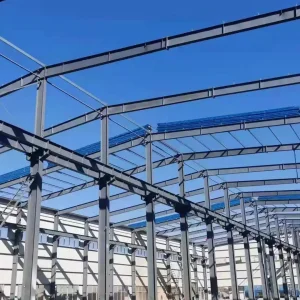
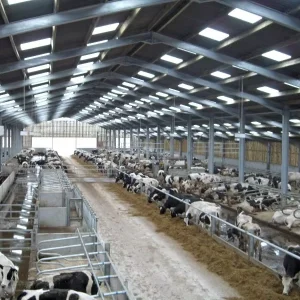
Historically, Norway's rural sectors relied on local timber. However, modern commercial farm operators, agritourism entrepreneurs, and industrial storage managers are turning to high-tensile structural steel (Q355B and Q460 equivalent grades) to realize column-free clear spans, rapid assembly times, and pest-free, fire-resistant envelopes. Prefabricated steel farmhouses engineered by Foshan Umo House Co., Ltd. offer the ideal balance between low lifecycle maintenance, modular expandability, and strict adherence to European structural design codes (Eurocode 3).
A deep dive into our manufacturing methodologies, metallurgy, and architectural physics designed for the sub-Arctic environment.
For buildings situated near Norway's extensive coastline, atmospheric salinity accelerated by high humidity accelerates the degradation of low-grade metals. Foshan Umo House utilizes premium hot-dip galvanized steel framing conforming to EN ISO 1461. The steel members receive a minimum zinc coating thickness of 275 g/m² (Z275), or alternatively, zinc-aluminum-magnesium coatings for superior self-healing edge protection against abrasion and scratch-induced rust. Major structural columns and beams are fabricated using Q355B low-alloy high-strength structural steel, matching Eurocode 3 standards for reliable yield strength under stress.
Under Norway’s TEK17 building standards, controlling thermal bridging is critical to preventing condensation and indoor mold growth. Our sandwich panel options utilize density-optimized rockwool or polyisocyanurate (PIR) cores with tongue-and-groove joints to ensure absolute airtightness. We incorporate dual-side vapor barriers to stop warm, humid indoor air from permeating the insulation envelope and condensing when it meets the sub-zero exterior steel skin. Additionally, all door and window assemblies supplied with our steel structures feature thermal breaks and triple-glazed Argon-filled low-E glass to minimize energy loss.
Every farmhouse project is subjected to rigorous Finite Element Analysis (FEA) using advanced software to simulate localized Norwegian climatic loads. We calculate windward and leeward pressures, snow drift accumulation patterns on pitched roofs (ranging from 15° to 45°), and seismic performance. Bolt-connected node systems are designed to distribute mechanical stresses smoothly, facilitating an erection process that requires zero on-site welding—critical for maintaining the integrity of the factory-applied anti-corrosive coatings.
How Foshan Umo House leverages the world's most robust industrial cluster to deliver cost-effective steel housing directly to Norway.
Foshan Umo House Co., Ltd. operates from the heart of China's primary industrial fabrication hub—Foshan, Guangdong. This geographic localization gives us unmatched access to high-grade raw materials, advanced cold-forming mills, automated welding robotics, and global shipping ports. We manage the entire manufacturing cycle, eliminating intermediary markups and passing the cost savings directly to Norwegian contractors, project developers, and agricultural cooperatives.
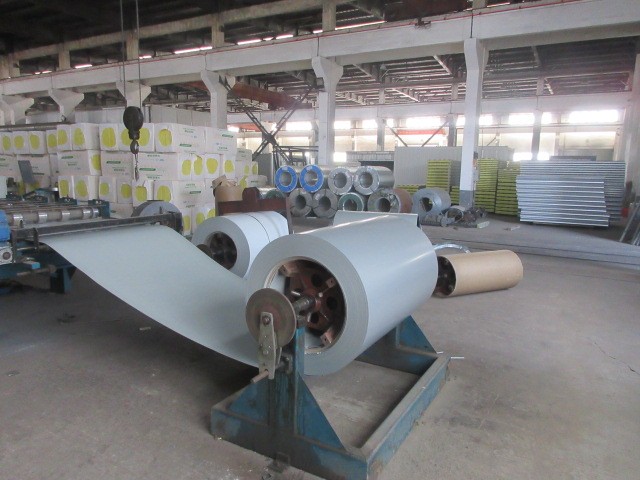
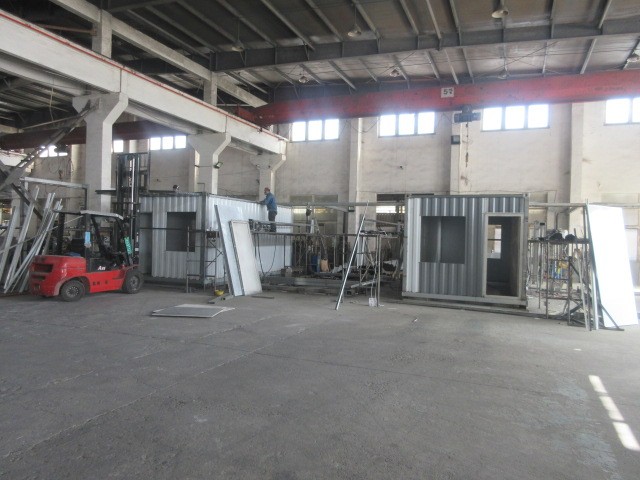
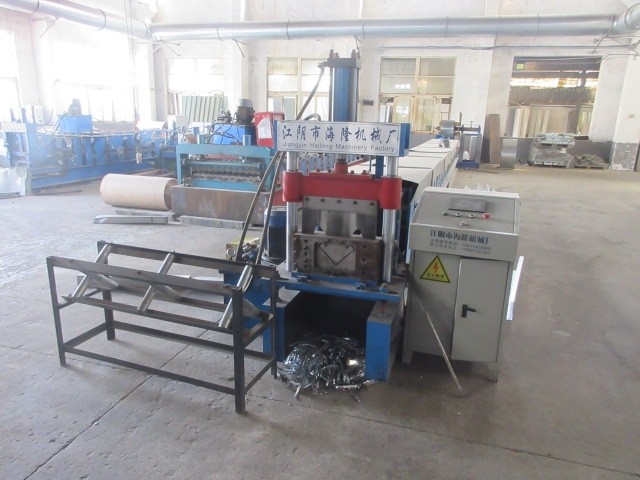
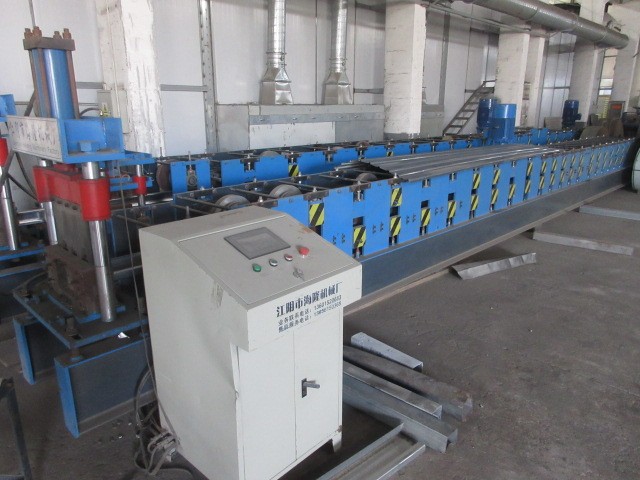
Our logistical pipeline is built for efficiency and safety. Structural steel columns and trusses are pre-punched, numbered, and flat-packed into heavy-duty shipping containers to prevent shifting during maritime transit. Our factory is located near major container terminals like Shenzhen (Yantian/Shekou) and Guangzhou (Nansha). We coordinate regular, reliable freight routes to major Norwegian ports including Oslo, Bergen, Trondheim, and Stavanger. Working in tandem with experienced local customs brokers, we ensure smooth import clearance (handling customs documentation and VAT processing) to keep projects moving on schedule.
From initial architectural drawings to site delivery, we offer full design flexibility and technical assurance.
Every farm, tourist cabin, and commercial warehouse requires a tailored design. At Foshan Umo House, our in-house engineering team provides end-to-end OEM and ODM support. We translate your rough concepts, regional zoning requirements, and terrain topographies into workable CAD models and detailed structural calculations. Our drawings are prepared in format structures that local civil engineers in Norway can easily review, submit for municipal building permits (byggekort), and approve.
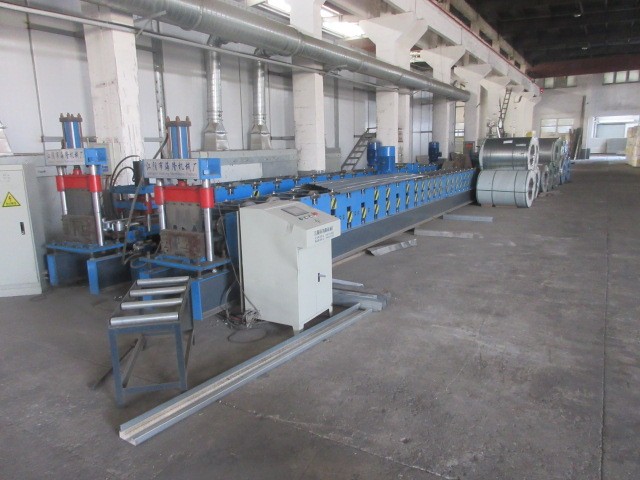
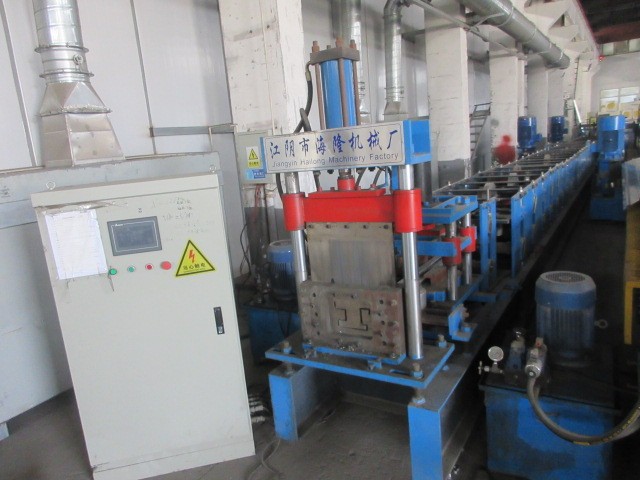
ISO 9001 Certified
Quality Management System Checked
We supply more than just structural steel frames. We deliver complete, integrated building packages, including:
• Internal partition walls (light steel stud framing or gypsum boards)
• Electrical wiring, conduits, and pre-engineered plumbing channels conforming to NEK 400 (Norwegian Electrical Standards)
• Multi-material cladding options (natural wood siding composite look, corrugated steel, cement fiberboard)
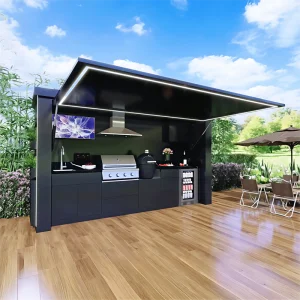
• Prefabricated modular kitchens, sanitary units, and flooring materials
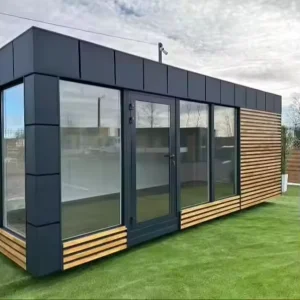
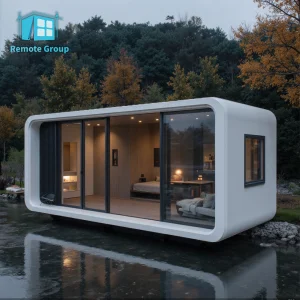
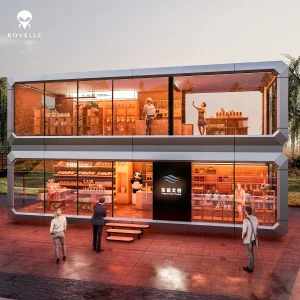
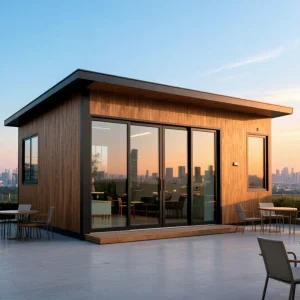
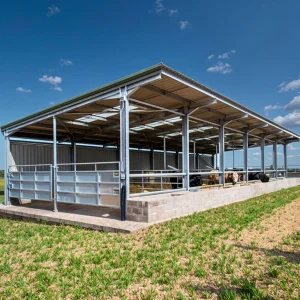
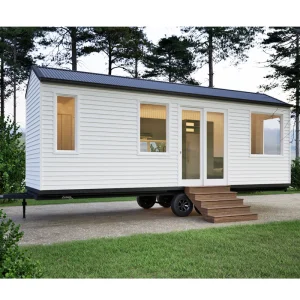
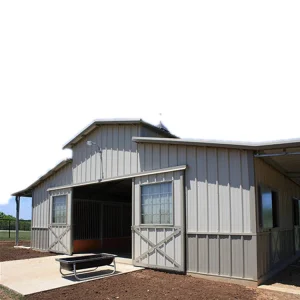
Explore our extensive range of prefabricated, modular, and portable structures. Standard configurations can be adapted to meet regional wind, snow, and thermal performance requirements.
Comprehensive answers regarding construction regulations, delivery logistics, thermal insulation, and engineering safety standards.
 Umo House