Pre-engineered structural designs optimized for immediate installation, energy efficiency, and clinical compliance in Belgium
An Analysis of Structural Demands, Regulatory Frameworks, and Strategic Sourcing
The healthcare infrastructure in Belgium is experiencing a significant transition period. Existing public and private clinical institutions in centers like Brussels, Antwerp, Ghent, and Liège are facing aging facilities coupled with strict mandates to modernize. There is an increasing demand for specialized outpatient centers, emergency care wings, and rapid-response clinics.
Standard brick-and-mortar development approaches struggle to align with Belgian national budgets due to prolonged project delivery timelines and inflated local construction labor costs. As a result, EPC contractors and hospital boards (such as those funded via VIPA in Flanders or Walloon regional budgets) are actively shifting toward prefabricated structural steel solutions. Modular and off-site steel fabrication allows hospitals to expand vertically or horizontally with minimal operational disruption to acute patient care.
Designing steel hospital buildings destined for the Belgian market requires strict adherence to European standards (Eurocodes) alongside specific Belgian National Annexes (NBN EN). Load-bearing structural steel components must strictly satisfy Eurocode 3 (Design of steel structures) and Eurocode 4 (Design of composite steel and concrete structures).
Additionally, fire prevention regulations in Belgium (Royal Decree on Fire Safety in Buildings) mandate rigid compliance profiles. Healthcare facilities require structural steel frameworks with fire resistance ratings up to R60, R90, or R120, depending on height classes and compartment divisions. This requires the precision application of intumescent coatings, high-density rockwool paneling, and certified fire-retardant cladding. Seismic considerations under Eurocode 8 are similarly integrated for projects deployed in geological fault zones around Liège and the Ardennes.
All modular installations must satisfy the Belgian EPB (Energieprestatie en Binnenklimaat) requirements. Thermal transmittances (U-values) for external walls are engineered below 0.24 W/m²K using advanced Polyisocyanurate (PIR) and Rockwool sandwich panels. Structural calculations must account for local wind profiles and Eurocode snow load requirements (up to 0.8 kN/m² in Ardennes plateau regions).
A breakdown of our manufacturing techniques and structural system integration
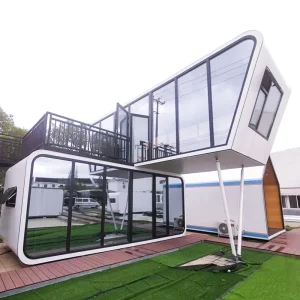
Our manufacturing processes cater to two primary architectural approaches: Volumetric Modular Construction (VMC) and Light/Heavy Steel Hybrid structures. VMC is highly suited for isolated diagnostic clinics, ward modules, and patient bedrooms.
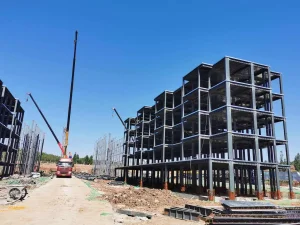
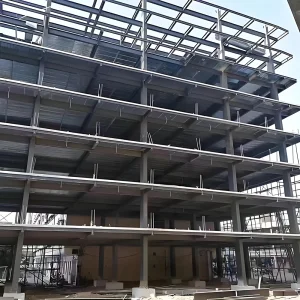
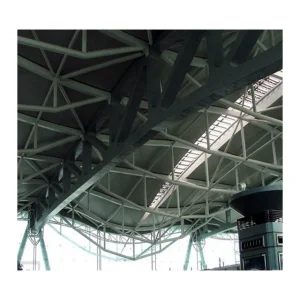
For large-span medical spaces such as operating theaters, trauma reception areas, and imaging suites, we construct heavy H-beam columns combined with structural pipe trusses. This creates large column-free layouts that give healthcare operators the flexibility to modify internal layouts as medical technology evolves.
Hospital construction goes beyond the primary steel framework. Modern steel medical buildings must accommodate complex Mechanical, Electrical, and Plumbing (MEP) layouts. Our manufacturing process integrates pre-cut service penetrations and dedicated ceiling support grids for ventilation ducts, medical gas lines, and cabling pathways.
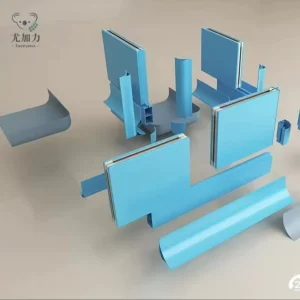
For operating rooms and isolation wards, our structures support smooth, anti-microbial wall cladding systems, heavy-duty HEPA filtration enclosures, and automated hermetic sliding doors. This guarantees cleanroom performance up to ISO Class 5 and meets strict infection control standards.
Controlling noise transmission is a critical factor for patient well-being, as outlined in Belgian standard NBN S 01-400-2 for acoustics in residential and healthcare buildings. Steel frames, while structurally sound, require proper detailing to prevent flanking transmission.
We utilize high-density acoustic insulation inside floor decks and wall cavities, combined with elastomeric thermal-acoustic isolator pads between structural interfaces. This achieves sound insulation indices (Rw) exceeding 55dB. Vibration damping systems are integrated into structural floors to support sensitive medical equipment, such as MRI scanners and CT imaging machines.
Aligning with the EU Green Deal, Circular Construction, and Decarbonization Targets
As European Union member states accelerate towards net-zero carbon emissions, Belgium's construction sector is transitioning to circular practices. Our steel structures are designed with Design for Deconstruction (DfD) principles. This ensures that at the end of the building's operational lifecycle, components can be disassembled, sorted, and recycled or repurposed, minimizing raw material consumption.
Furthermore, our production line uses structural steel with verified recycled content, supported by Environmental Product Declarations (EPD) that contribute to BREEAM, LEED, and Level(s) certifications. By optimizing structural dimensions through Finite Element Analysis (FEA), we reduce material use while maintaining load-bearing capacity. This provides a balance between structural strength and carbon footprint reduction.
All architectural and MEP requirements are mapped in a shared Building Information Modeling (BIM) model. This step resolves potential clashes before fabrication, reducing field modifications and keeping structural tolerances under 2mm.
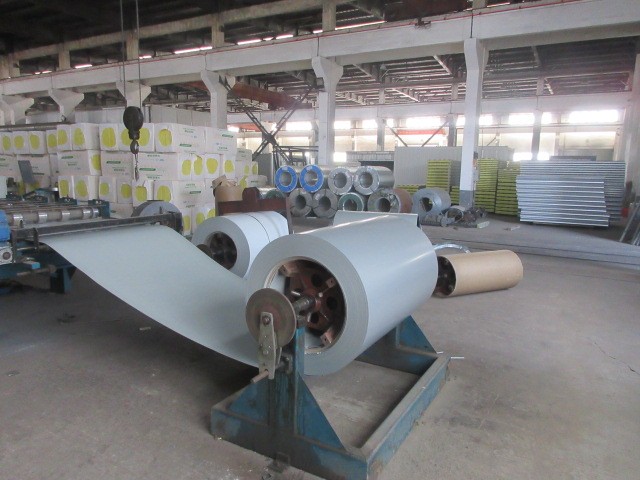
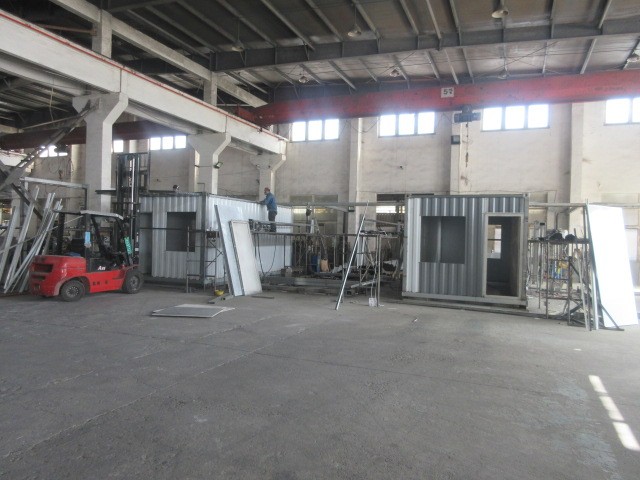
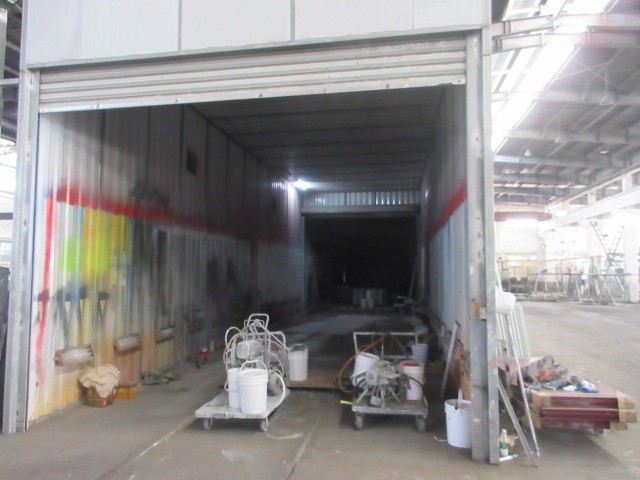
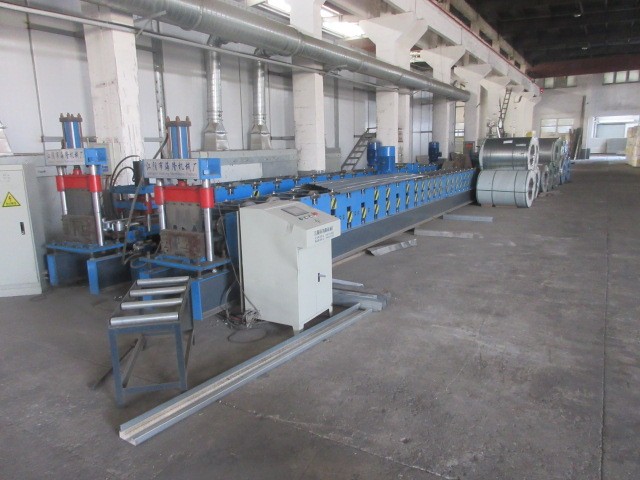
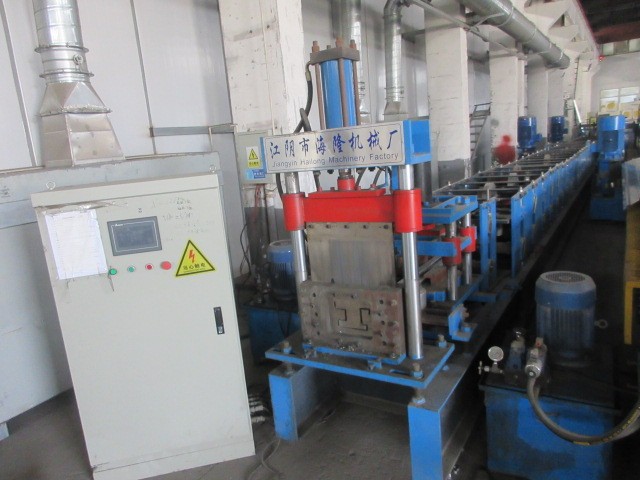
Components are fabricated in our ISO-certified facility. Exposed structural elements undergo hot-dip galvanization (Z275 coating mass or higher) or receive epoxy coatings to provide anti-corrosion protection against humid climates.
Global Manufacturer of Premium Structural Steel Buildings & Modular Housing Systems
Foshan Umo House Co., Ltd. is a professional manufacturer specializing in steel structure houses, prefabricated steel buildings, modular housing systems, and customized construction solutions in China. With extensive industry experience and advanced manufacturing capabilities, we provide durable, efficient, and sustainable building solutions for residential, commercial, industrial, and institutional projects worldwide.
Our comprehensive product portfolio includes steel structure houses, prefabricated homes, modular buildings, steel frame villas, portable houses, expandable homes, labor camps, site offices, warehouses, workshops, commercial buildings, schools, hospitals, dormitories, agricultural buildings, and customized steel construction projects. Every solution is engineered to deliver rapid installation, superior structural performance, cost efficiency, and long service life.
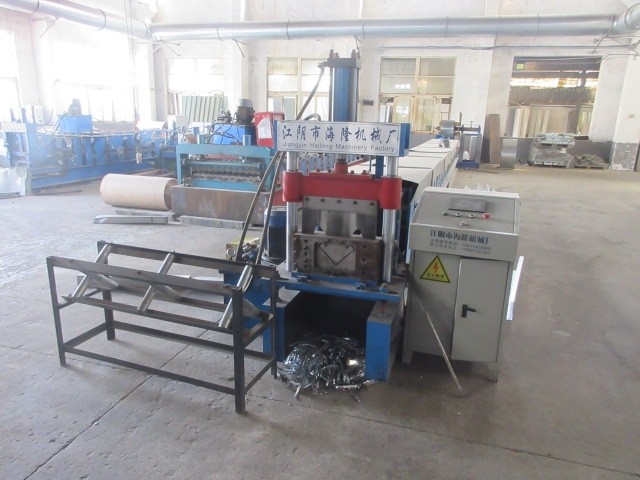
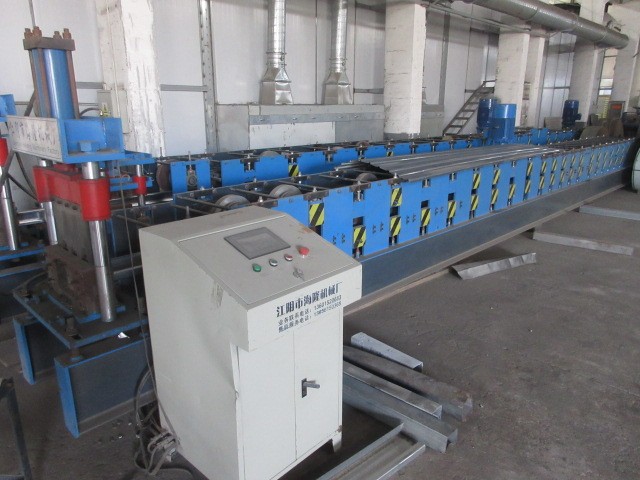
At Umo House, we utilize advanced production equipment and precision manufacturing technologies to ensure every component meets strict international quality standards. Our experienced engineering team provides complete OEM and ODM services, supporting customized architectural design, structural calculations, insulation systems, roofing, wall panels, electrical layouts, plumbing, interior finishing, and project-specific requirements.
Built with premium galvanized steel structures and high-performance building materials, our products offer excellent resistance to corrosion, earthquakes, strong winds, and harsh weather conditions. They also provide outstanding thermal insulation, energy efficiency, and low maintenance, making them suitable for both temporary and permanent construction applications.
Our steel structure solutions are widely used in residential communities, commercial complexes, industrial facilities, logistics centers, mining camps, construction sites, tourism resorts, educational institutions, healthcare projects, government infrastructure, and emergency relief programs. We continuously invest in research, product innovation, and manufacturing optimization to meet the evolving needs of global customers.
Today, Foshan Umo House exports its products to Europe, North America, South America, Southeast Asia, the Middle East, Africa, and Oceania, building long-term partnerships with contractors, developers, distributors, and engineering companies around the world.
As a trusted steel structure house manufacturer in China, Foshan Umo House is committed to delivering premium-quality products, competitive pricing, flexible customization, reliable project support, and on-time delivery. We strive to provide innovative modular construction solutions that create lasting value for customers across the global market.
How we ensure safe transit, customs compliance, and streamlined site delivery
Structural steel units and modular wall systems are packaged to withstand maritime environments. Long elements such as columns, trusses, and H-beams are packed in bundle assemblies with heavy-duty slings, while wall systems and precise MEP modules are shipped in 40ft High Cube (HQ) or Open Top containers.
We manage routes from Foshan Port (Guangdong) directly to primary European container terminals, including the Port of Antwerp-Bruges and the Port of Zeebrugge. Typical maritime transit times range between 32 to 38 days. Full bill of lading (B/L), CE certifications, and complete customs clearance documentation are coordinated to support entry processes.
When components arrive at the construction site, they are laid out in a pre-arranged sequence according to the project's BIM roadmap. All structural parts are labeled, matching the assembly schematics provided by our engineering office.
We supply step-by-step installation guides and online supervisor support. We also work directly with local Belgian contractors and certified structural engineers who manage the final safety sign-offs and connections to local utility grids.
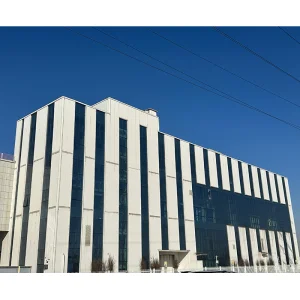
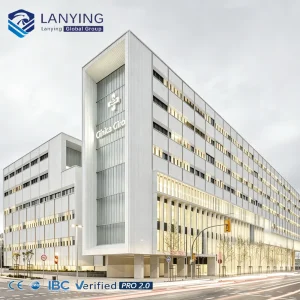
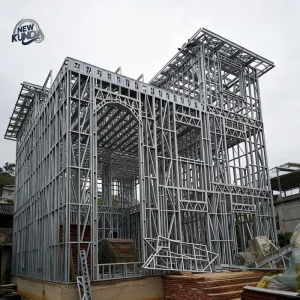
Select prefabricated structures designed for rapid clinical deployment, wards, and administrative wings
Key technical and logistics inquiries regarding steel hospital buildings for Belgium
Our engineering division uses software suites such as Tekla Structures and SAP2000. These generate structural analyses that comply with Eurocode 3 (Steel Design), Eurocode 4 (Composite Steel-Concrete Design), and Eurocode 8 (Seismic Loadings). Calculations are submitted in a comprehensive PDF calculation book to support your local Belgian engineering checks and permit applications.
We use fire-rated rockwool panels with Class A1 or A2 non-combustible certifications (tested according to EN 13501-1). Structural steel frames can be treated with off-site factory-applied intumescent coatings, or designed to receive fire-rated gypsum board drylining on-site, satisfying R60, R90, and R120 fire resistance mandates.
All structural elements are loaded and secured inside sea containers or flat-rack configurations at our plant in Foshan. We coordinate maritime logistics through shipping alliances, providing CIF or DDU terms directly to the Port of Antwerp-Bruges or the Port of Zeebrugge, managing customs clearances and packing lists.
Yes. We offer OEM and ODM capabilities. We integrate ceiling framing designed to support specialized HEPA/ULPA filtration setups, automated hermetic sliding doors, wall interfaces for medical gases, and cleanroom wall panels that conform to ISO cleanroom protocols.
We use high-density polyurethane (PU), polyisocyanurate (PIR), or structural mineral wool sandwich panels with thickness options ranging from 100mm to 200mm. These configurations achieve thermal transmittances (U-value) down to 0.18 W/m²K, which meets or exceeds the energy performance requirements (EPB) mandated by Flemish and Walloon regional regulations.
Get in touch with our engineering team for detailed structural assessments, pricing estimates, and assistance with compliance for your project in Belgium.
 Umo House