Premium pre-engineered structural packages designed for fast deployment, high load limits, and long-term durability in tropical environments.
A comprehensive analysis of construction methodologies, economic triggers, and design compliance in Southeast Asia's growing education sector.
Vietnam is experiencing unprecedented industrialization and urbanization. To sustain this economic trajectory, the Ministry of Education and Training (MOET) has set strict directives to modernize local school networks, moving away from low-efficiency concrete facilities. High-density zones like the Red River Delta and Ho Chi Minh City metropolitan areas require rapid building techniques to create space for thousands of new students every term.
Traditional masonry projects often face delays due to local weather dependency, sand shortages, and volatile labor costs. In contrast, pre-engineered steel buildings (PEB) have emerged as the standard infrastructure solution. PEBs allow schools to be designed, fabricated, and fully erected within tight windows, ensuring safe, modern campuses ready before the seasonal opening bells.
Educational infrastructure requires premium load-bearing parameters, fire containment, and structural flexibility. Pre-engineered steel buildings provide clear-span spaces up to 60 meters without internal columns, ideal for school auditoriums, gymnasiums, and large collaborative classrooms.
Procuring raw steel elements directly within Vietnam can incur high premiums due to local capacity bottlenecks and high energy rates. By partnering with Foshan Umo House Co., Ltd. in China's primary steel fabrication hub, builders access advanced manufacturing ecosystems that deliver cost advantages and strict quality assurance.
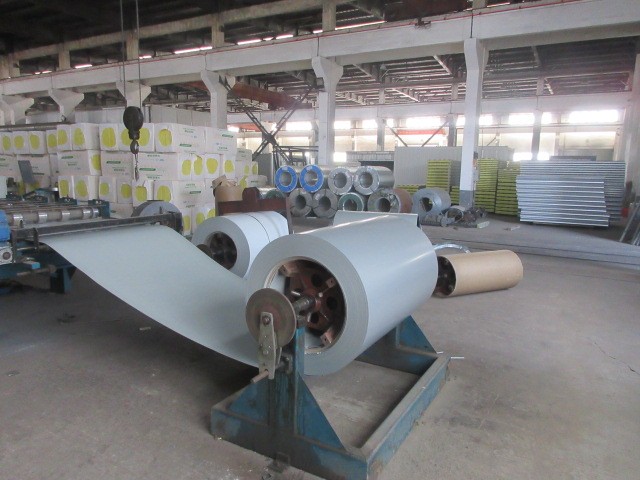
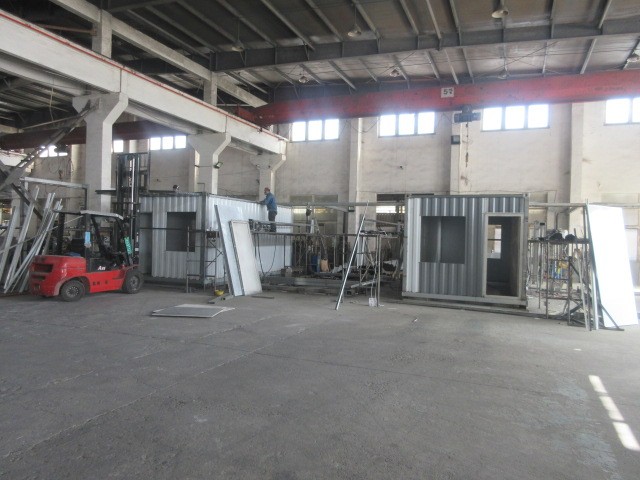
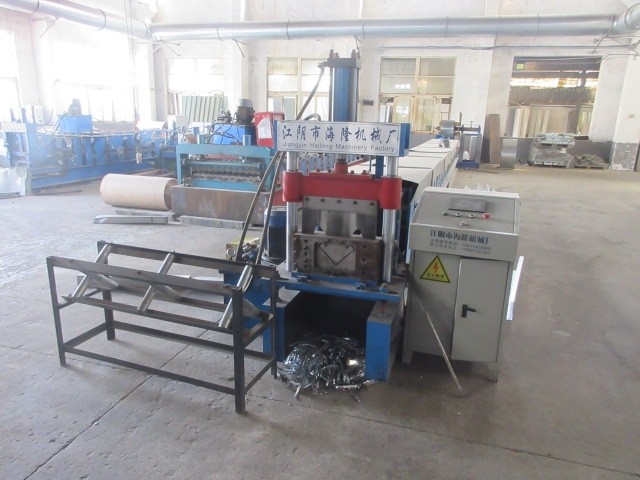
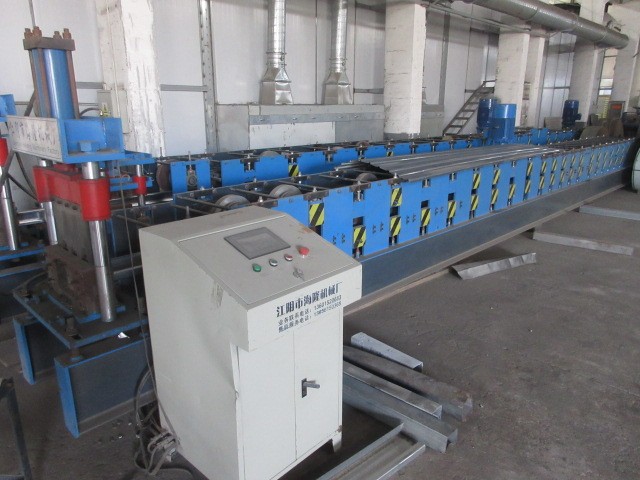
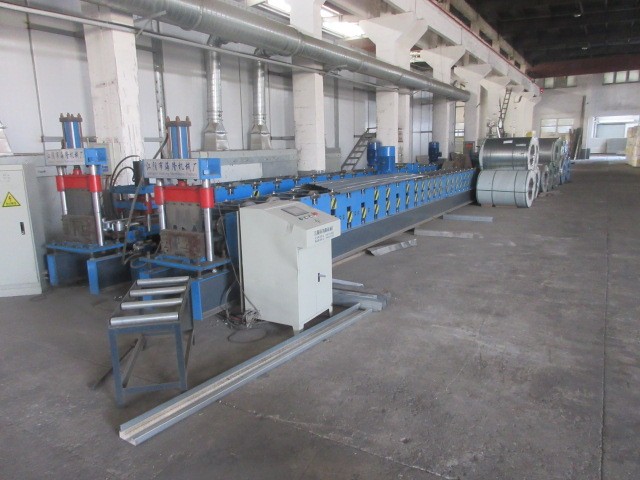
We utilize automated CNC cutting and robotic submerged arc welding machines. This guarantees precise dimensional tolerance (+/- 1mm) which is critical for rapid onsite assembly in Vietnam.
Foshan's proximity to major maritime hubs like Guangzhou and Shenzhen ports enables cost-effective shipping lines directly to Haiphong, Da Nang, and Ho Chi Minh City (Cat Lai) ports.
Our structural design packages comply with both Chinese GB standards and Vietnam's domestic TCVN guidelines, as well as AISC/Eurocode design criteria for structural stability.
Foshan Umo House develops customized prefabricated components tailored to specific geographical challenges across Vietnam:
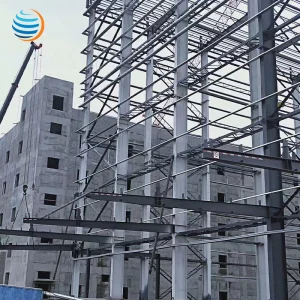
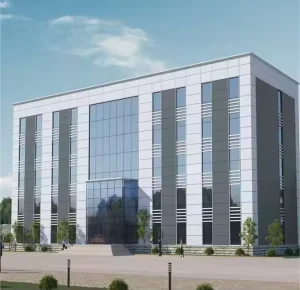
In municipal zones like Hanoi, Da Nang, and HCMC, land footprint is limited. Our high-rise prefabricated frames (up to 10 stories) accommodate thousands of students. Utilising H-beams (Q355B or ASTM A572 Grade 50) and lightweight composite deck slabs, we maximize vertical space while maintaining robust safety ratings.
Central Vietnam provinces (Quang Tri, Thua Thien Hue, Quang Nam) regularly face seasonal flooding. Light-gauge modular classrooms engineered by Umo House can be raised on galvanized steel stilts to bypass surface runoff. They can also be disassembled and relocated when necessary.
Transporting heavy concrete blocks to northwest mountain regions (such as Lao Cai and Ha Giang) is expensive and labor-intensive. Light steel frame modular solutions can be packed flat, transported on light utility vehicles, and manually assembled using local workforces, bypassing the need for heavy crane machinery.
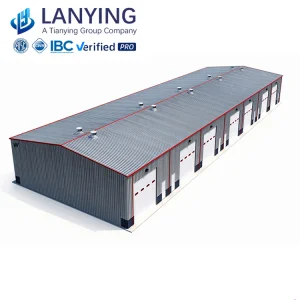
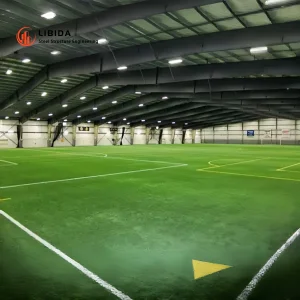
We provide large-span steel designs for sports gymnasiums, school cafeterias, and auditorium stages. Pre-insulated roofing elements with anti-condensation treatments protect expensive educational equipment and computing suites from high humidity levels.
Years Design Lifespan
Galvanized Frame Material
Faster Erection Speed
Fire Protection Ratings
Large-scale construction plans matching high load requirements, heavy foot traffic, and structural robustness.
A trusted manufacturing partner for modern institutional, commercial, and residential projects worldwide.
Foshan Umo House Co., Ltd. is a professional manufacturer specializing in steel structure houses, prefabricated steel buildings, modular housing systems, and customized construction solutions in China. With extensive industry experience and advanced manufacturing capabilities, we provide durable, efficient, and sustainable building solutions for residential, commercial, industrial, and institutional projects worldwide.
Our comprehensive product portfolio includes steel structure houses, prefabricated homes, modular buildings, steel frame villas, portable houses, expandable homes, labor camps, site offices, warehouses, workshops, commercial buildings, schools, hospitals, dormitories, agricultural buildings, and customized steel construction projects. Every solution is engineered to deliver rapid installation, superior structural performance, cost efficiency, and long service life.
At Umo House, we utilize advanced production equipment and precision manufacturing technologies to ensure every component meets strict international quality standards. Our experienced engineering team provides complete OEM and ODM services, supporting customized architectural design, structural calculations, insulation systems, roofing, wall panels, electrical layouts, plumbing, interior finishing, and project-specific requirements.
Built with premium galvanized steel structures and high-performance building materials, our products offer excellent resistance to corrosion, earthquakes, strong winds, and harsh weather conditions. They also provide outstanding thermal insulation, energy efficiency, and low maintenance, making them suitable for both temporary and permanent construction applications.
Our steel structure solutions are widely used in residential communities, commercial complexes, industrial facilities, logistics centers, mining camps, construction sites, tourism resorts, educational institutions, healthcare projects, government infrastructure, and emergency relief programs. We continuously invest in research, product innovation, and manufacturing optimization to meet the evolving needs of global customers.
Today, Foshan Umo House exports its products to Europe, North America, South America, Southeast Asia, the Middle East, Africa, and Oceania, building long-term partnerships with contractors, developers, distributors, and engineering companies around the world.
Essential guidance on importing structural steel, local safety compliance, and construction methodologies in Vietnam.
Yes, all structural calculations and loading tolerances are tailored to meet Vietnamese building standard codes, including TCVN 5575:2012 (Design of Steel Structures) and TCVN 2737 (Loads and Actions). We provide detailed CAD drawings and load calculations signed by our senior engineers to support local permitting processes.
We apply high-performance protection systems to our steel. All main structural framing members are hot-dip galvanized with a minimum zinc coating thickness of 275 g/m² (or coated with marine-grade epoxy primer). This ensures exceptional corrosion resistance, even when exposed to high-humidity salt spray environments.
We provide multiple high-efficiency sandwich panels. The recommended option for tropical school campuses in Vietnam is our 75mm or 100mm Polyurethane (PU) panel, or our high-density Rockwool panel. These solutions feature low thermal conductivity (R-values up to 4.2), keeping classrooms cool, reducing air conditioning load, and providing excellent fire ratings (Class A/B1).
Manufacturing usually takes 20 to 30 days depending on the structural complexity of the design. Once loaded into sea containers (OT or HQ), shipping from Shenzhen or Nansha port to Haiphong port takes 3 to 5 days, and to Cat Lai port (HCMC) takes 5 to 7 days. This results in a fast delivery cycle compared to traditional domestic supply chains.
We offer two installation solutions: we can provide a complete step-by-step 3D assembly video along with detailed construction drawings, or we can deploy site supervisors and engineers to your Vietnam location to coordinate and guide local construction teams.
Our main primary framing structures are engineered for a service lifespan of over 50 years. Secondary elements, cladding, and sandwich panels have a lifespan of 15 to 25 years and can be replaced or updated without affecting the core structural integrity of the campus.
Modular units designed for specialized school dormitories, administrative zones, and temporary learning centers.
 Umo House