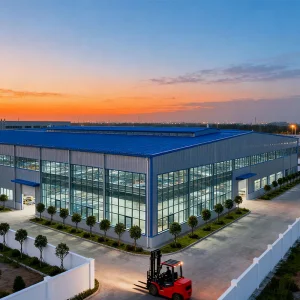
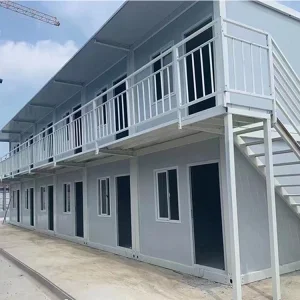
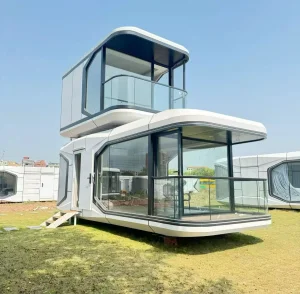
The structural paradigms of global architecture are undergoing an irreversible shift. Industrialized construction—specifically off-site prefabricated modular technology—has evolved from a cost-efficiency alternative into a regulatory and physical necessity. Traditional on-site masonry and casting face unsustainable headwinds: persistent skilled labor deficits, safety concerns, and stringent national mandates to minimize scope-1 carbon emissions during construction. Prefabricated modular homes present a streamlined solution, shifting 85% of standard builders' operations from volatile weather-prone sites into climate-controlled manufacturing ecosystems.
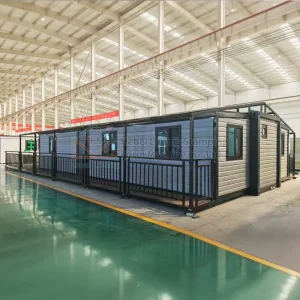
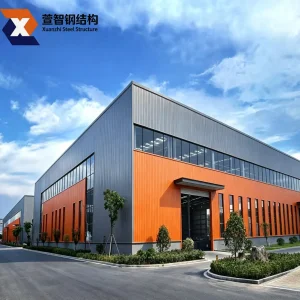
In this evolving space, Foshan Umo House Co., Ltd. operates at the intersection of metallurgy, architectural design, and industrial scale. As a trusted manufacturer of modular housing systems, we supply EPC contractors, real estate developers, and municipal planners with steel frame villa structures, heavy-gauge warehouse units, clinical emergency centers, and tourist resorts. By integrating modern software calculations with automated assembly systems, we design and produce modular spaces that meet both local and international building codes.
Compliance with international building standards is essential for risk mitigation. The CE Marking (European Conformity) on Umo House modular systems confirms that our products meet European safety, health, and environmental standards. Under structural execution standards (specifically EN 1090-1 and EN 1090-2), every load-bearing steel frame component is traceable, weld-tested, and certified for load resistance. For international developers, this certification ensures smoother permit approvals, predictable structural performance, and lower corporate liability.
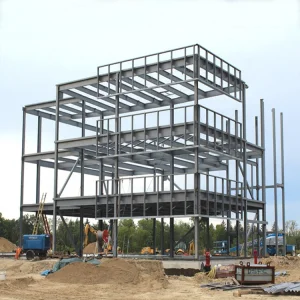
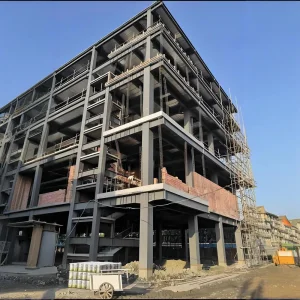
Engineered to support heavy floor loading configurations. Structural steel frames (typically Q355B or high-tensile Q235B) undergo finite element analysis (FEA) to withstand high wind velocity zones and seismic actions (up to Grade 8 intensity).
Incorporating mineral rockwool, polyurethane sandwich panels, and double-glazed aluminum systems. We achieve low thermal transmittance (U-values below 0.24 W/m²K) to meet modern energy efficiency standards.
Components undergo hot-dip galvanization with a zinc coating thickness exceeding 275g/m² (up to 450g/m² for coastal configurations). This protects the primary structure from rust, rot, and pest damage.
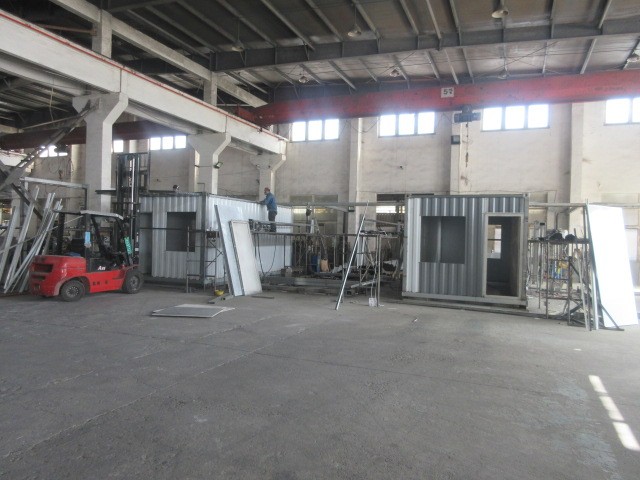
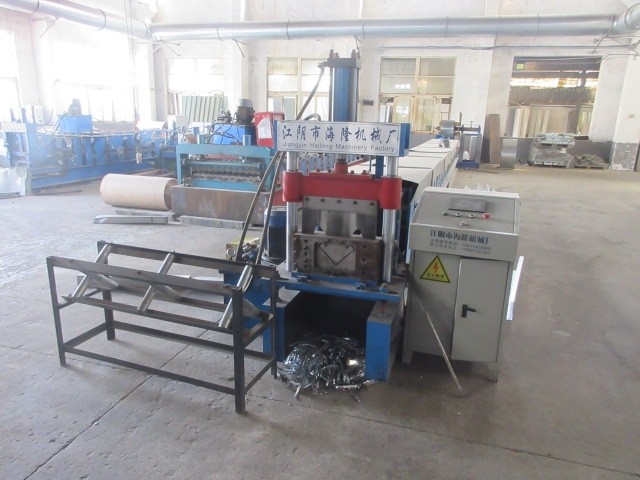
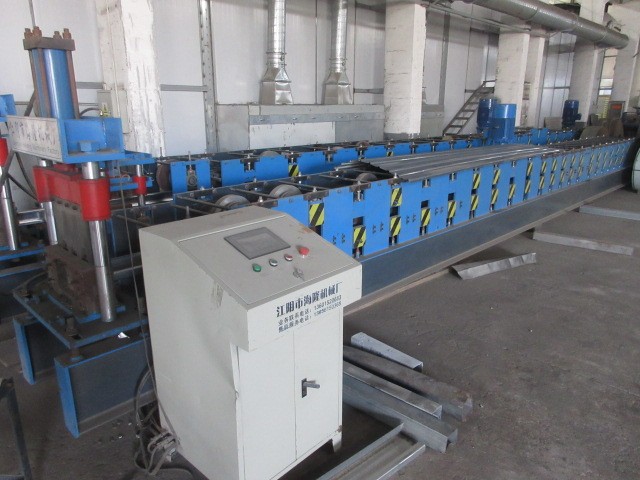
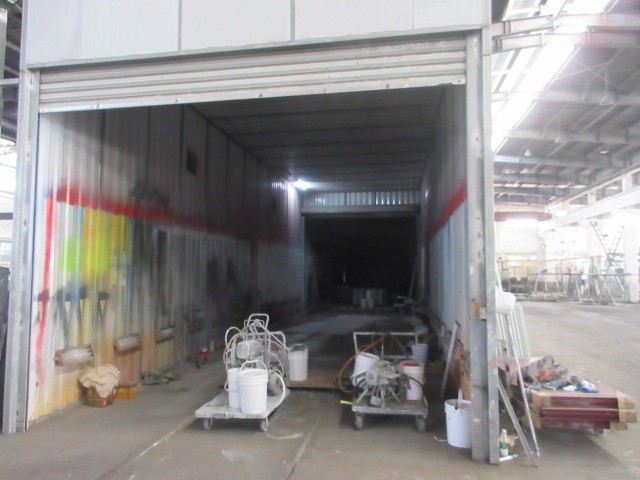
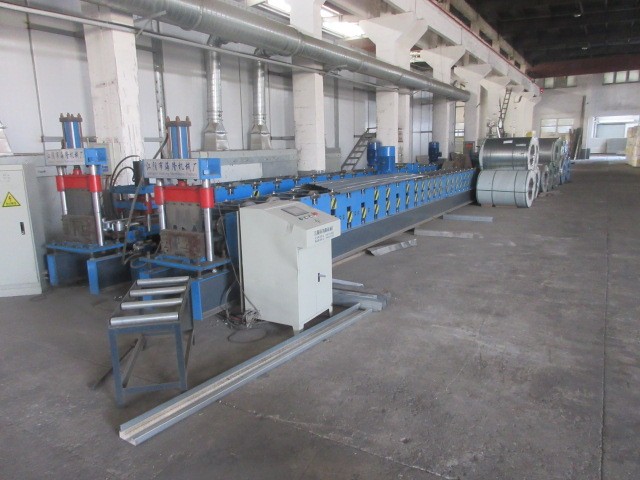
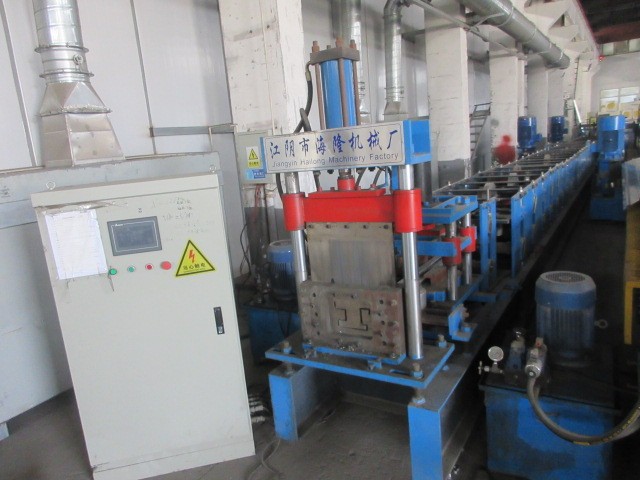
Foshan Umo House Co., Ltd. leverages the robust raw material networks, metallurgical ecosystems, and specialized deep-water ports of Guangdong Province. By integrating precision automated manufacturing, we reduce manual processing errors to practically zero. Our CNC fiber lasers, heavy-duty profiling systems, and automated welding lines ensure that structural tolerances remain within +/- 1mm, which is essential for seamless on-site alignment.
This precision is matched by supply chain resilience. Through direct partnerships with major steel mills, we secure consistent grades of primary structural steel, insulating cores, and architectural hardware. This direct access buffers international projects from price fluctuations and supply disruptions, ensuring reliable production scheduling and on-time shipments.
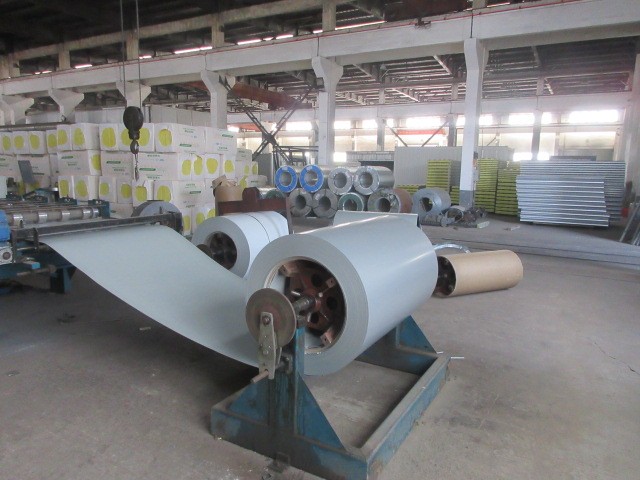
Procuring structural components internationally requires careful risk management. B2B buyers must navigate challenges such as shipping delays, import tariffs, and compliance gaps. Foshan Umo House addresses these concerns through structured end-to-end support:
| Procurement Phase | Traditional Risks | Umo House Mitigation Protocols |
|---|---|---|
| 1. Design & Calculations | Permit rejection due to lack of certified structural calculations. | Full CAD/BIM drawing package, structural calculations, and CE certified steel grades. |
| 2. Quality Inspection | Material defects discovered on-site, halting construction. | Multi-stage QA, ultrasonic weld testing, dimension checks, and trial pre-assemblies at the factory. |
| 3. Shipping & Logistics | Excessive ocean freight costs and transit damage. | Flat-pack optimize or rigid container dimensioning to fit 40ft HQ shipping lines securely. |
| 4. Site Assembly | Delays due to missing parts or unclear manuals. | Clearly labeled components, pre-drilled connecting holes, and complete 3D videos/manuals. |
Our modular systems are engineered for diverse architectural, climatic, and zoning environments worldwide. By adjusting wall configurations and insulation materials, we customize units for specific conditions:
Engineered for hot, remote regions such as Western Australia and Latin America. Built with durable sandwich panels and robust HVAC integrations to provide comfortable living quarters and site offices.
Designed for rapid assembly during medical emergencies. Medical staff dormitories, clinical bays, and isolation wards can be shipped, erected, and connected to local utility networks in days.
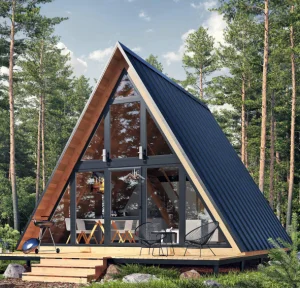
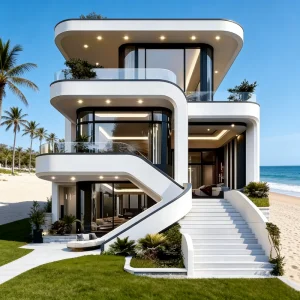
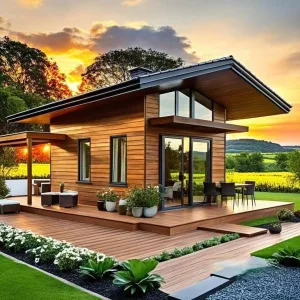
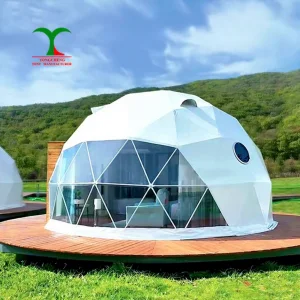
A-Frame cabins, glass-walled luxury villas, and geodesic dome tents designed to minimize site impact. These structures integrate naturally into eco-resorts, coastal parks, and wilderness retreats.
 Umo House