Explore our CE-marked core products engineered for rapid deployment, structural integrity, and low maintenance overheads.
Modern commercial and industrial design demands structurally sound engineering coupled with simplified field execution protocols. At Foshan Umo House Co., Ltd., we define structural durability not merely by initial mechanical property envelopes but through the entire life-cycle profile of pre-engineered steel buildings (PEBs). As an authoritative supplier and exporter of CE-certified steel structural systems, our structural envelope designs mitigate risk through proactive preventative maintenance engineering.
Our maintenance strategy starts at the architectural concept level, deploying premium hot-dip galvanized steel framing and protective alloy coatings. We calculate the degradation curves of components exposed to various environmental categories (C1 to C5 under ISO 12944). Over years of operational load, buildings face stress distribution challenges, local buckling risks, joint fatigue, and moisture intrusion. Through structural monitoring methodologies and prescriptive maintenance guides, we help global clients realize cost-saving maintenance processes that prevent structural failure and guarantee design service lives exceeding 50 years.
Our factory controls ensure alignment with the European Union's Construction Products Regulation (CPR) and execution specifications EN 1090-2. This alignment provides a direct path to satisfying local building code inspectors and insurance underwriters globally. We offer complete OEM and ODM services to support projects through customized architectural design, structural calculations, and project-specific insulation designs.
A premier global manufacturing center for high-performance prefabricated structural assemblies
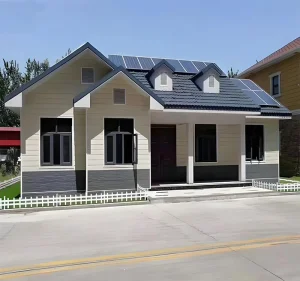
Foshan Umo House Co., Ltd. is a professional manufacturer specializing in steel structure houses, prefabricated steel buildings, modular housing systems, and customized construction solutions in China. With extensive industry experience and advanced manufacturing capabilities, we provide durable, efficient, and sustainable building solutions for residential, commercial, industrial, and institutional projects worldwide.
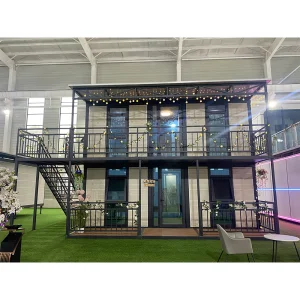
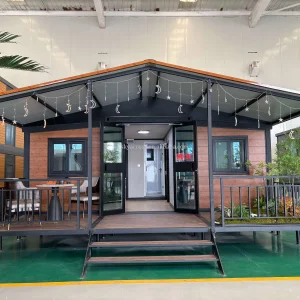
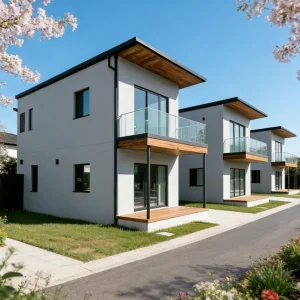
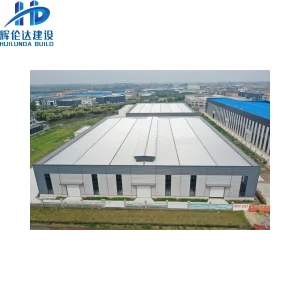
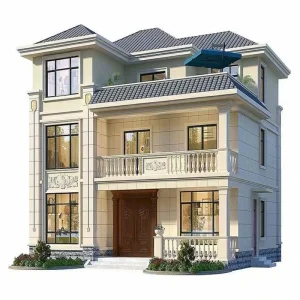
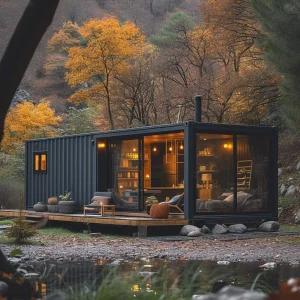
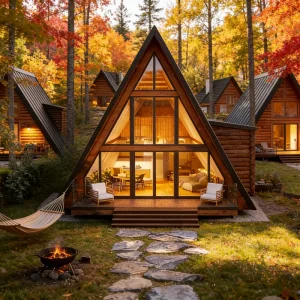
Our comprehensive product portfolio includes steel structure houses, prefabricated homes, modular buildings, steel frame villas, portable houses, expandable homes, labor camps, site offices, warehouses, workshops, commercial buildings, schools, hospitals, dormitories, agricultural buildings, and customized steel construction projects. Every solution is engineered to deliver rapid installation, superior structural performance, cost efficiency, and long service life.
At Umo House, we utilize advanced production equipment and precision manufacturing technologies to ensure every component meets strict international quality standards. Our experienced engineering team provides complete OEM and ODM services, supporting customized architectural design, structural calculations, insulation systems, roofing, wall panels, electrical layouts, plumbing, interior finishing, and project-specific requirements.
Built with premium galvanized steel structures and high-performance building materials, our products offer excellent resistance to corrosion, earthquakes, strong winds, and harsh weather conditions. They also provide outstanding thermal insulation, energy efficiency, and low maintenance, making them suitable for both temporary and permanent construction applications.
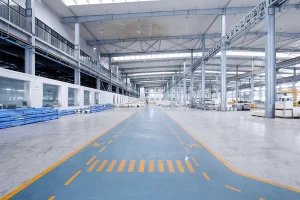
Our steel structure solutions are widely used in residential communities, commercial complexes, industrial facilities, logistics centers, mining camps, construction sites, tourism resorts, educational institutions, healthcare projects, government infrastructure, and emergency relief programs. We continuously invest in research, product innovation, and manufacturing optimization to meet the evolving needs of global customers.
Today, Foshan Umo House exports its products to Europe, North America, South America, Southeast Asia, the Middle East, Africa, and Oceania, building long-term partnerships with contractors, developers, distributors, and engineering companies around the world.
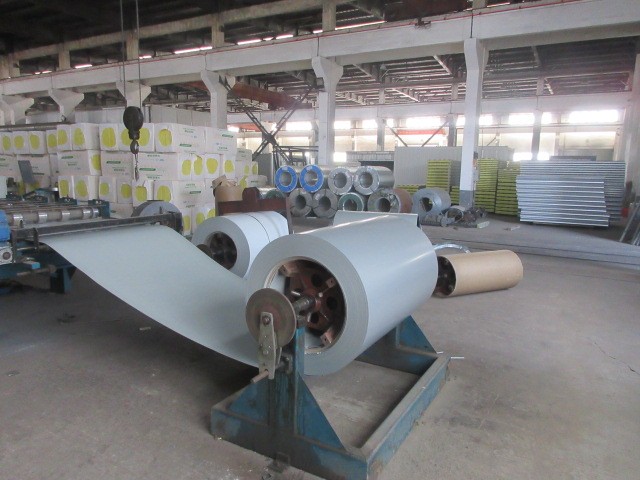
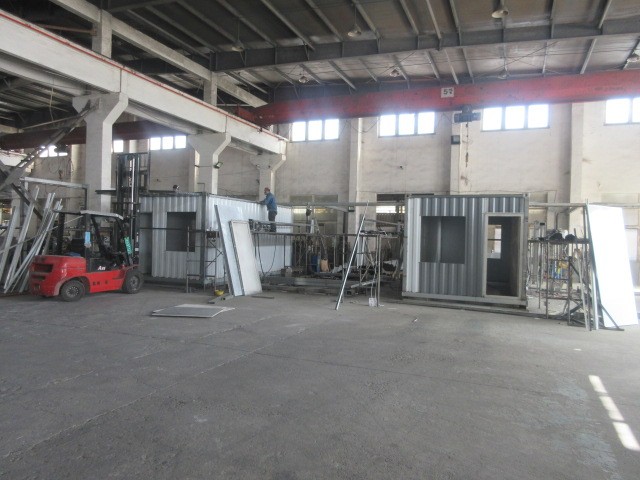
How Umo House guarantees alignment with strict European and international structural codes
CE marking for structural steel components requires compliance with EN 1090. We implement strict Factory Production Control (FPC) procedures covering raw material traceabilities, welder qualification certifications (ISO 9606-1), and non-destructive welding inspections. Our processes support Execution Classes up to EXC3, guaranteeing safety in public and industrial structures.
Every building manufactured by Umo House is engineered in compliance with Eurocode 3 (EN 1993) criteria. This includes calculations for limits state design (ULS and SLS), structural stability against local buckling, lateral-torsional buckling, and seismic performance metrics for locations prone to ground movements.
We supply complete engineering drawings and calculations to streamline regulatory approvals in destination markets. Whether satisfying the ICC-ES standards of North America, the AS/NZS codes of Oceania, or local European standards, we assist engineering partners in validating compliance metrics.
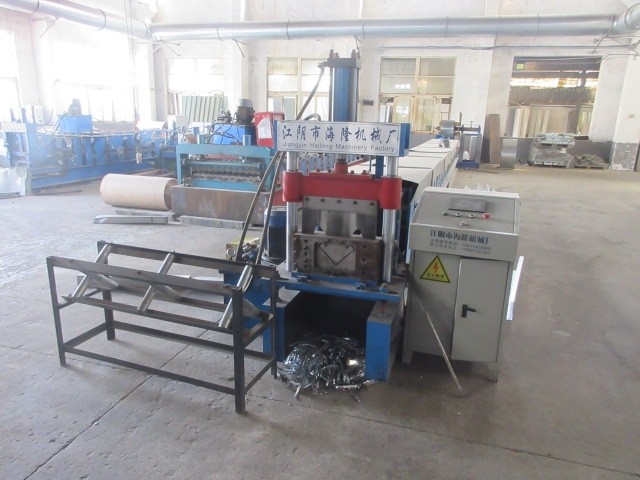
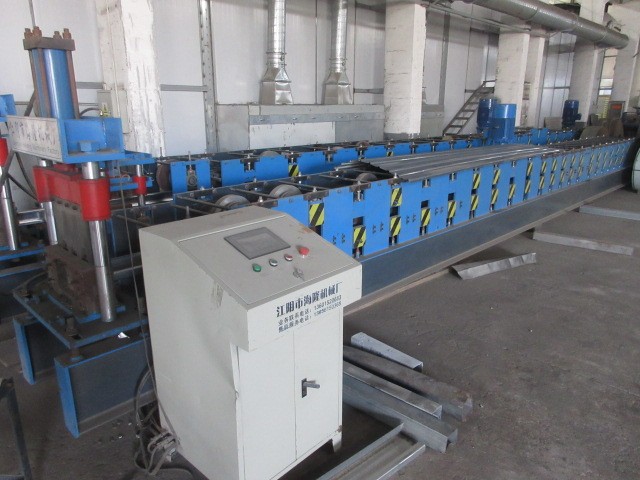
Design Life (Years)
CE Certification Class
Max Corrosion Protection Rating
Recyclable Structural Steel
Leveraging proximity, material density, and automated manufacturing
Foshan is a globally recognized manufacturing base for steel fabrication, metals processing, and hardware accessories. Operating from this ecosystem allows Umo House to offer distinct supply chain advantages:
For global procurement managers, Umo House streamlines international shipping logistics. Our modular components and prefabricated kits are packed into flat-packs or high-cube container configurations. This packing method optimizes shipping volumes, lowers freight costs, and minimizes handling damage during transport. Every container is packed with systematic load charts, color-coded member labeling, and high-resolution CAD layout blueprints, facilitating straightforward site erection by local contractors.
Adapting steel building design to strict zoning laws and geographic stresses
Projects constructed in marine zones face constant exposure to chloride ions. Umo House utilizes high-micron hot-dip galvanizing (up to 85 microns, conforming to ISO 1461) and specialized polyurethane topcoats to resist atmospheric corrosion and preserve the structural substrate.
Steel features inherently high ductility compared to traditional masonry. We design steel frames using moment-resisting connection details and cross-bracing structural systems that absorb and dissipate energy during seismic events, protecting occupants and structural integrity.
Cold-formed steel structures require thermal-bridging mitigation. We integrate continuous external insulation panels, double-skin insulated wall cladding systems (such as PIR/Rockwool sandwich panels), and thermal break gaskets to maintain energy efficiency and prevent interstitial condensation.
A professional maintenance framework for PEB and modular steel buildings
Maintenance programs require systematic inspections. High-tensile bolted joints (specifically structural column-to-beam splices and rafter connections) must undergo periodic torque audits. Over time, vibration, wind loading, and thermal expansion cycles can affect pre-tension values, requiring re-torqueing in accordance with structural design values.
Inspect the integrity of structural welds. Look for visual signs of fatigue cracking, paint peeling, or localized surface rust. If corrosion is detected, the surface should be prepared using wire brushes or abrasive blasting to ISO 8501-1 St 3/Sa 2.5 standards, followed by a primer coat of zinc-rich epoxy paint.
Accumulated organic debris in gutters can lead to standing water, accelerating galvanic corrosion at cladding edges. Ensure all gutters are cleaned semi-annually and verify that all downspouts operate correctly. Replace aging or dried-out EPDM sealing washers under self-tapping fasteners to prevent water ingress into wall framing spaces.
The table below provides reference metrics for managing localized corrosion based on environmental severity:
| Corrosivity Category | Recommended Coating System | Inspection Frequency |
|---|---|---|
| C1 - C2 (Low Impact) | Standard Alkyd or Acrylic Paint (80-120 μm) | Every 5 Years |
| C3 (Medium Industrial) | Epoxy Mastic/Polyurethane System (160-200 μm) | Every 2-3 Years |
| C4 - C5 (High Marine) | Zinc-rich Primer + Epoxy + Polyurethane (>240 μm) | Annually |
Expert technical answers addressing steel structural integrity, certification, and maintenance
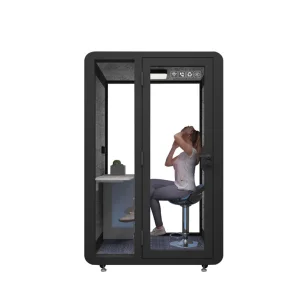
Exquisite high-precision structural configurations and customized lightweight steel frames
 Umo House