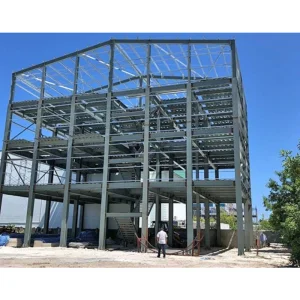
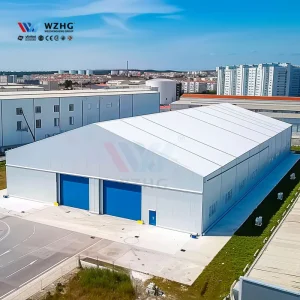
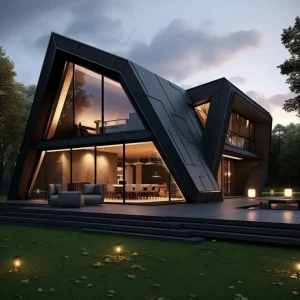
Browse our high-performance structural configurations engineered to deliver rapid erection, low lifecycle costs, and localized building code compliance.
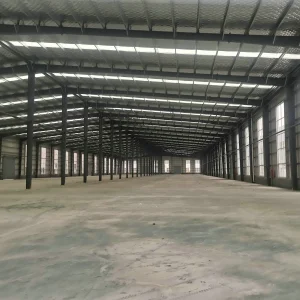
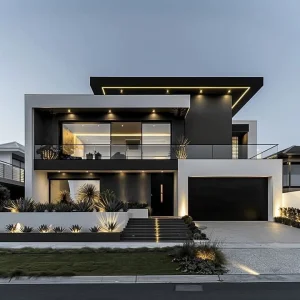
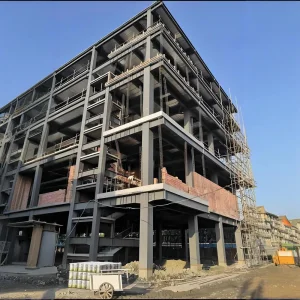
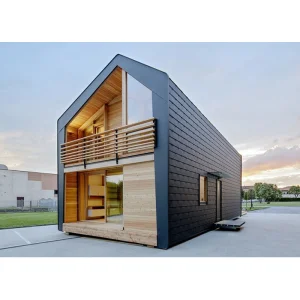
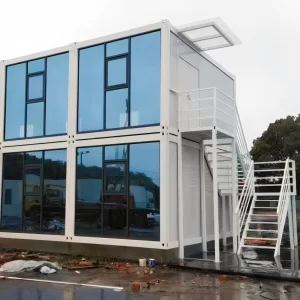
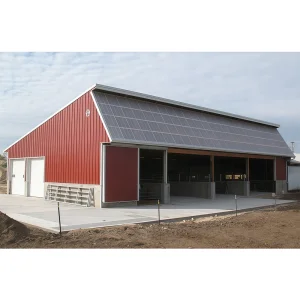
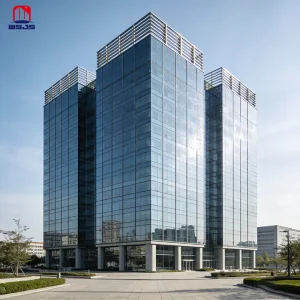
Foshan Umo House Co., Ltd. is a pioneering manufacturer specializing in high-engineered steel structure houses, prefabricated steel buildings, modular housing systems, and complex commercial construction designs. With deep-rooted industry expertise and modern manufacturing hubs in Southern China, we support global contractors, developers, and public sector clients with structural systems optimized for durability, thermal performance, and quick deployment.
Our engineering capabilities cover a diverse product spectrum, spanning prefabricated commercial office complexes, portal frame warehouses, modular schools, institutional clinics, and heavy-duty structural frames. Utilizing hot-dip galvanized cold-formed steel and premium structural members, we construct infrastructures resilient to extreme geographic exposures, including wind loading up to Category 5 hurricanes and high seismic hazard zones.
Leveraging advanced metallurgical clusters and digital design tools (BIM) to streamline material allocation and precision engineering.
Automated laser cutting and CNC profiling machines guarantee structural tolerance limits below 0.5mm, ensuring seamless modular assembly on site without local modification.
We utilize primary Chinese steel mills for Q355B and Q235 structural steel grade members. Rigorous mill test certification is provided for every structural profile exported.
Based in Foshan, China's industrial manufacturing heartland, we optimize logistics routes, component aggregation, packaging density, and maritime transport routes.
By applying Building Information Modeling (BIM) workflows, Foshan Umo House integrates initial design phases with robotic manufacturing. This eliminates spatial interference between structural elements, HVAC ducts, plumbing systems, and electrical conduits. Consequently, our clients experience an average construction cycle reduction of 40% compared to traditional reinforced concrete architectures.
The evolution of modular structures: balancing load capacities, environmental footprints, and building lifecycle energy costs.
Developing building-integrated photovoltaic roofing assemblies capable of generating local power reserves, transforming commercial structures into net-positive energy offices.
Upgrading sandwich wall envelope systems to high-density polyisocyanurate (PIR) cores, providing superior R-values, sound attenuation, and Class A fire performance ratings.
Transitioning raw material sourcing to electric arc furnace (EAF) steel, reducing the embedded carbon footprint of our buildings by up to 50% for modern ESG projects.
Integrating structural monitoring sensors in primary portal frame intersections, providing structural loading diagnostics via visual digital twin software dashboards.
A technical analysis comparison between traditional cast-in-place concrete structures and Umo House prefabricated steel solutions.
| Performance / Resource Metric | Cast-In-Place Concrete | Umo House Engineered Steel | Strategic Advantage |
|---|---|---|---|
| Structural Weight to Strength | High dead-load ratio, requires deep foundation piles. | Outstanding strength-to-weight, minimal foundation profiles. | Reduces substructure excavation costs by 30-50%. |
| Erection Timeline (5,000 sqm) | 9 - 12 Months (dependent on weather / curing). | 3 - 4 Months (offsite fabrication & rapid assembly). | Accelerates capital turn-around and tenancy occupancy. |
| Thermal Transmittance (U-Value) | Poor inherent rating, requires post-applied insulation. | 0.24 W/m²K achievable with PIR sandwich cladding panels. | Reduces HVAC cooling/heating utility consumption. |
| Seismic Performance | Brittle structural response, prone to shear failures. | Ductile structural frame, high seismic energy dissipation. | Certified compliance with zone 4 seismic design criteria. |
| Recyclability & Demolition | Low salvage value, concrete debris landfill destination. | Over 90% structural steel reclamation capacity. | Supports circular economy models and BREEAM/LEED points. |
We design tailored engineering configurations optimized for specific sector deployments, operational conditions, and regulatory environments.
Designed with large-span portal frames and open-floor plans to maximize spatial flexibility. Pre-engineered column grids enable partition alterations without compromising structural integrity.
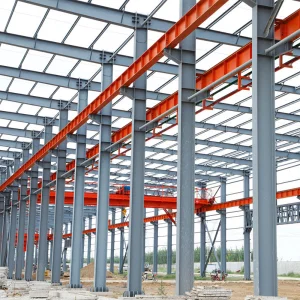
High-clearance portal frame envelopes equipped to host internal overhead traveling cranes. Built using heavy-duty Q355B galvanized structural columns designed for intensive usage.
Sanitary-grade, highly insulated modular clinics and emergency hospital annexes built for rapid deployment. Fully compliant with international medical containment specifications.
A primary hurdle in international procurement of steel frame complexes is satisfying local jurisdictional compliance. At Umo House, our structural calculations conform with standard structural codes including the International Building Code (IBC), Eurocode 3 (Steel Construction Design), and AS/NZS 1170 wind and seismic load standards.
To secure a 50+ year service lifetime in aggressive marine and high-humidity environments, we employ advanced surface treatment technologies. All heavy columns and light-gauge steel members are processed with Hot-Dip Galvanizing (Z275 coating density) or specialized polyurethane paint systems to withstand C4 and C5 high-corrosive atmospheres.
Our engineers work directly with your project architects, converting structural schematic designs into detailed TEKLA files, delivering peace of mind, fast local permit approvals, and flawless field fitments.
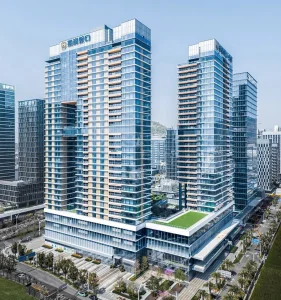
Inspect our factory floor, raw components, advanced roll-forming machinery, and commercial buildings assembled worldwide.
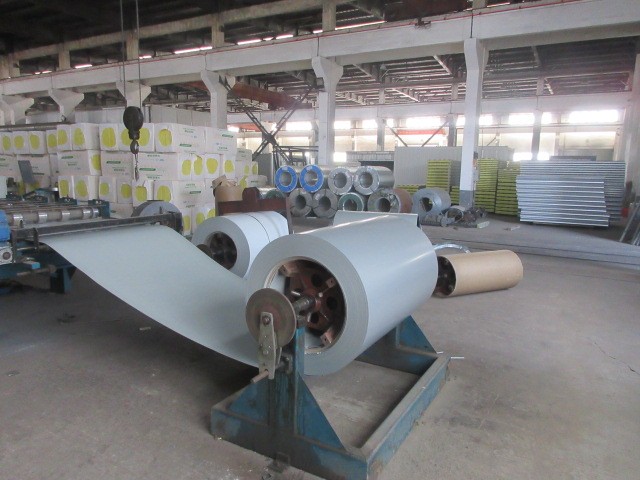
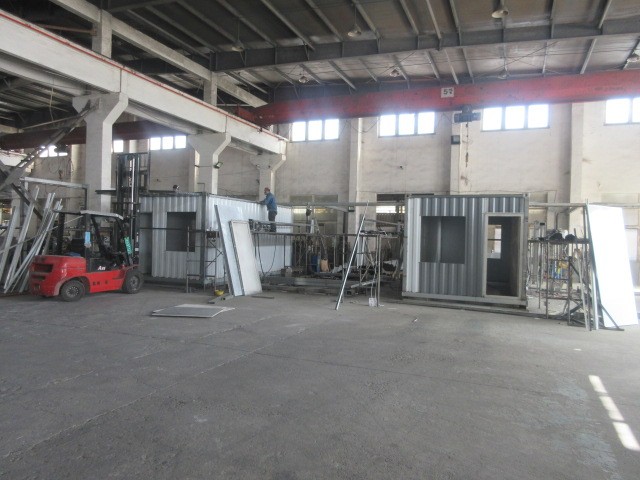
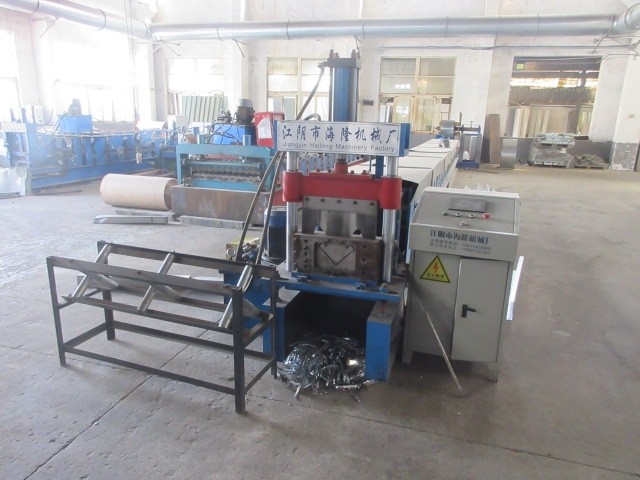
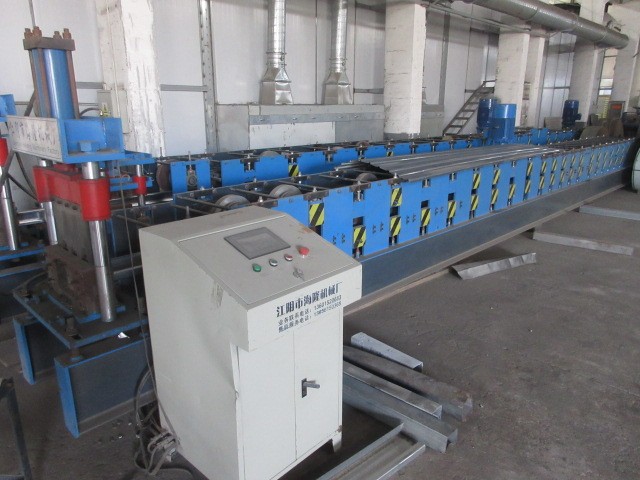
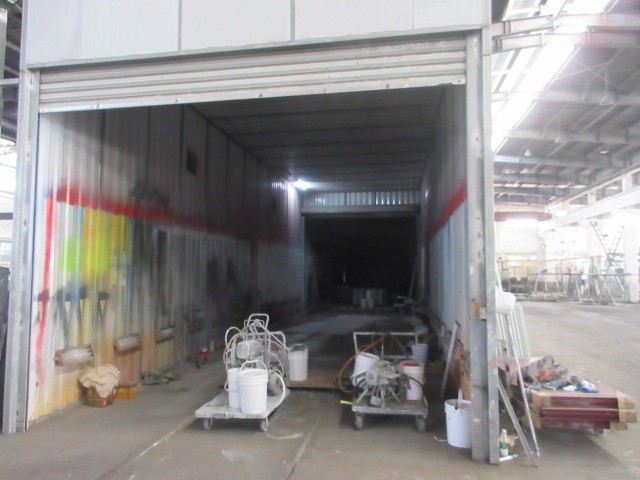
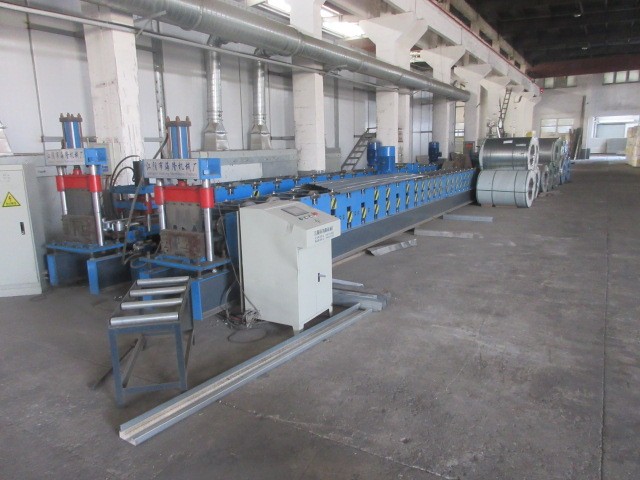
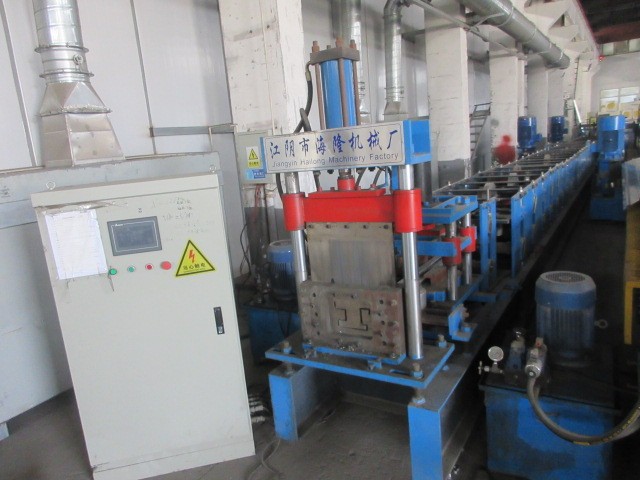
All structures custom engineered to specifications.
Detailed answers to standard structural questions related to prefabricated steel office design and logistics.
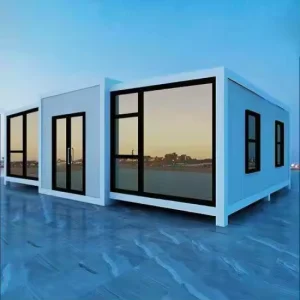
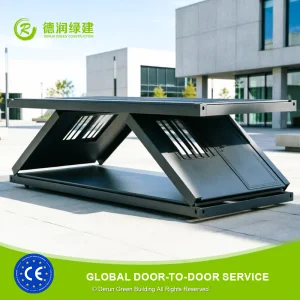
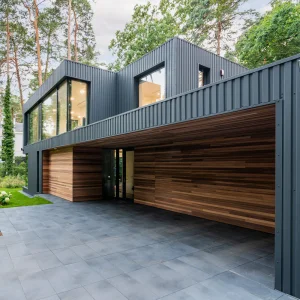
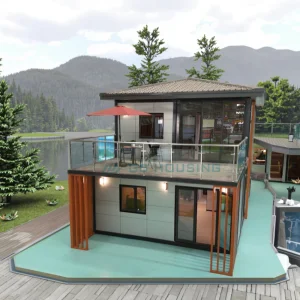
High-capacity portal warehouses, modular construction offices, foldable accommodation systems, and luxury villas.
 Umo House