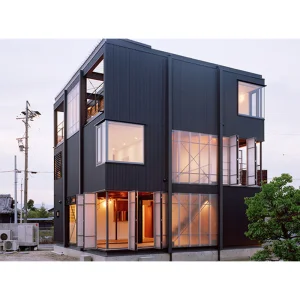
Architectural design in the 21st century demands an unprecedented fusion of aesthetic flexibility, load-bearing performance, and rapid construction capabilities. As traditional concrete methods struggle under the weight of strict carbon emission controls and skyrocketing labor costs, pre-engineered and prefabricated architectural steel solutions have emerged as the cornerstone of global sustainable infrastructure.
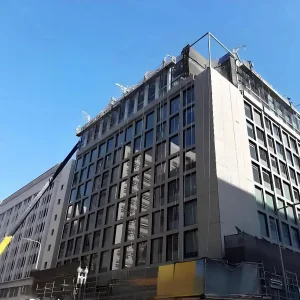
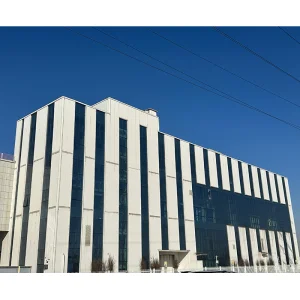
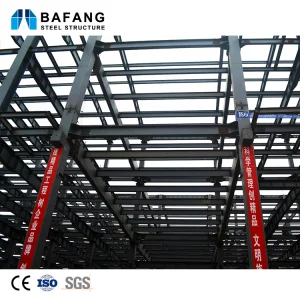
From high-rise commercial complexes to highly specialized multi-story industrial spaces, structural steel offers an unmatched strength-to-weight ratio. This capability allows engineers to design wider spans, clear open layouts, and striking geometric profiles that would be structurally unfeasible with masonry or concrete. In addition, the integration of advanced metallurgy prevents common structural failure points, ensuring long-term resilience under severe dynamic loads.
Ductile steel frames absorb seismic energy effectively, making them the preferred framework for high-risk earthquake zones globally.
Steel supports circular economies. Virtually all architectural steel components can be dismantled, recycled, and repurposed without loss of performance.
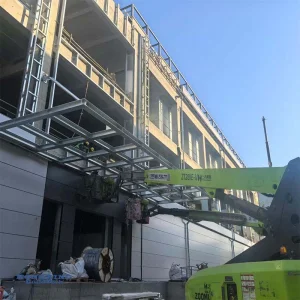
The global construction landscape is experiencing a massive transition toward off-site prefabrication. In regions like North America, Europe, and the Middle East, municipal regulations and developer requirements are driving demand for prefabricated building systems. Prefabrication shortens site assembly times by up to 50%, minimizes local traffic and noise pollution, and decreases material waste to under 2%.
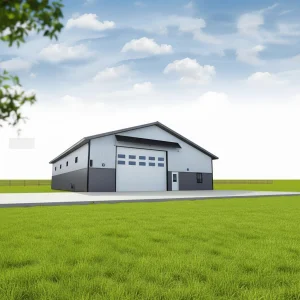
Industrial operations rely heavily on pre-engineered steel buildings (PEBs) to construct logistics warehouses, heavy production workshops, and assembly facilities. These structures are optimized to integrate massive overhead cranes, large-span clear heights, and precise HVAC and electrical infrastructure. By utilizing customized steel framing, global developers optimize logistics networks, keeping capital expenditures (CAPEX) predictable and timelines secure.
As a leading name in China's steel structure manufacturing industry, Foshan Umo House Co., Ltd. specializes in steel structure houses, prefabricated steel buildings, modular housing systems, and customized construction solutions. With deep engineering expertise and advanced fabrication facilities, we serve residential, commercial, industrial, and institutional sectors globally.
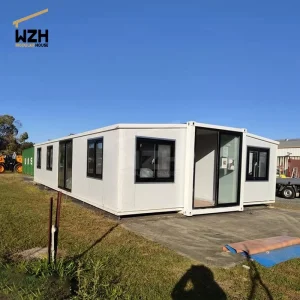
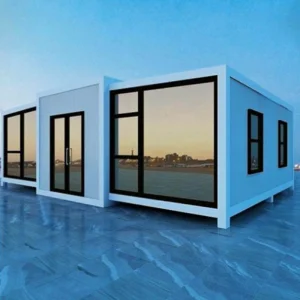
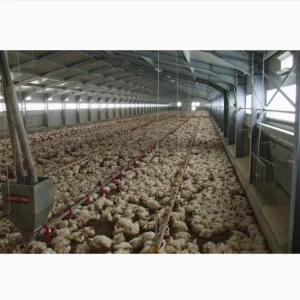
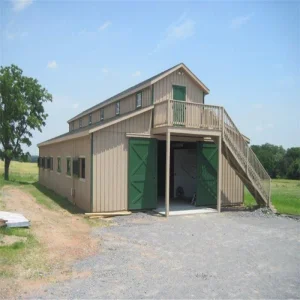
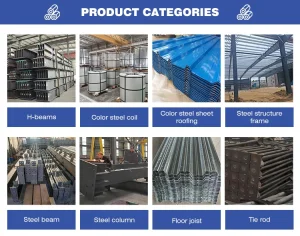
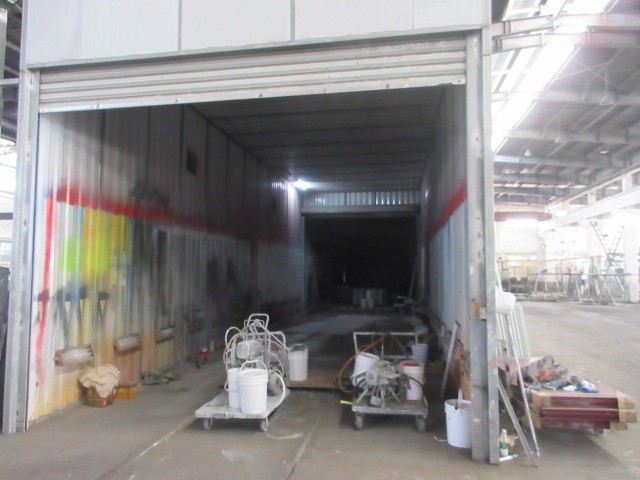
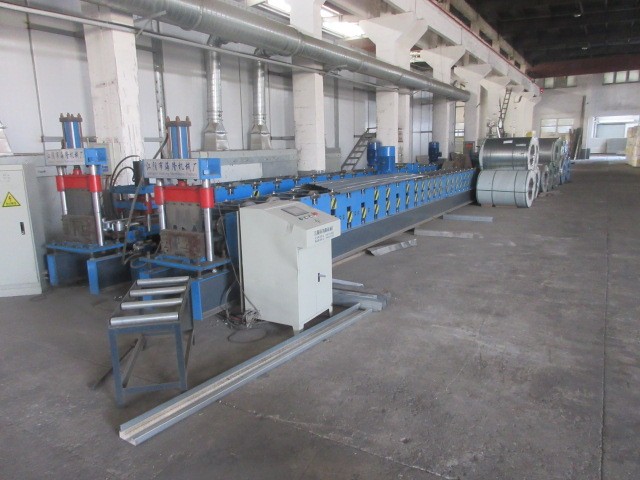
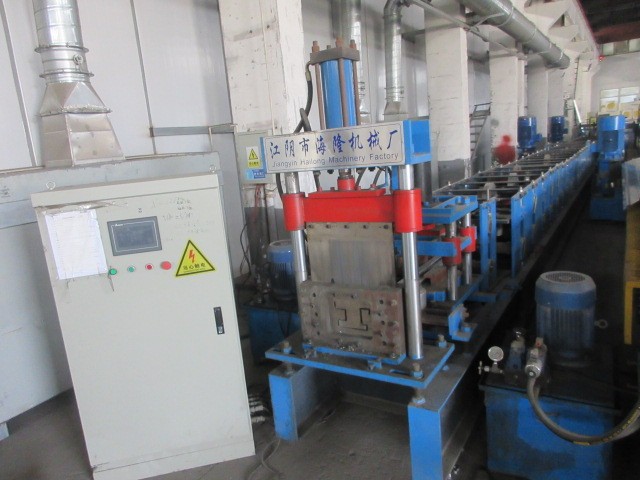
Our expansive production catalog spans from heavy industrial steel workshops and prefabricated logistics warehouses to modular classrooms, multi-story apartments, expandable container homes, and agricultural structures. By managing every stage—from structural calculation and raw material selection to fabrication, galvanization, and pre-assembly testing—we guarantee that every component leaving our facility adheres strictly to global quality benchmarks.
We provide full-scope OEM and ODM services. Our experienced engineering teams help clients specify structural loads, select appropriate insulation (polyurethane, rockwool, or EPS), design integrated electrical and plumbing runs, and determine suitable anti-corrosion wall and roof claddings to match local climates.
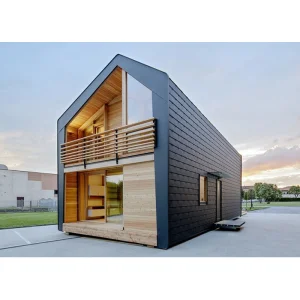
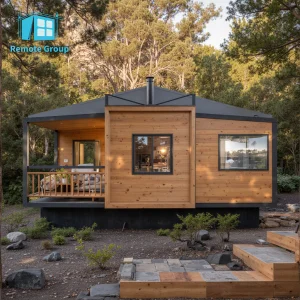
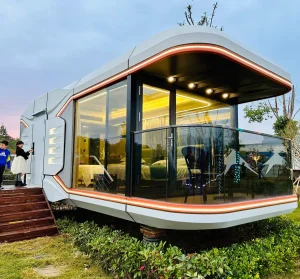
Multi-story light steel frame villas and expandable modern residences configured with thermal breaks, sound insulation, and contemporary architectural finishes.
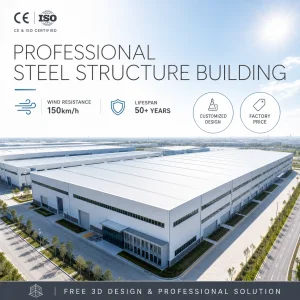
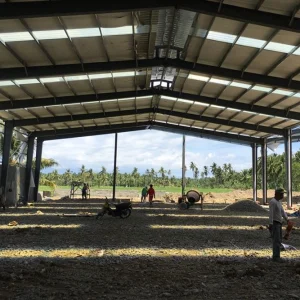
Heavy-duty, wide-span pre-engineered steel workshops engineered to support heavy bridge cranes, high machinery loads, and harsh chemical environments.
Rapidly deployable modular classrooms, temporary field hospitals, and administrative centers providing comfortable, clean, and structurally sound environments.
Our commitment to engineering excellence drives our R&D roadmap, focusing on:
The future of architecture centers on intelligence and zero-carbon footprints. At Foshan Umo House, we are designing structural steel systems that adapt to smart grids and green energy inputs. By integrating thin-film solar roof cells and rain-harvesting channels directly into our pre-engineered packages, we help project owners achieve net-zero certifications.
Simultaneously, our structural framing is designed to minimize the cost of future extensions. By standardizing connections, buildings can expand horizontally or vertically as operational requirements change, making the structure a flexible asset.
A primary challenge for international developers importing steel structures is aligning components with local building codes. Foshan Umo House solves this by designing structures to comply with international standards. We perform structural calculations based on specific regional wind speeds, snow loads, and seismic requirements.
Compliance with American standards for structural steel fabrication, welding, and load factors.
Structural design compliance for European member states, including thermal and fire-safety codes.
Design integration for Australia & New Zealand, meeting stringent wind-drift and corrosion guidelines.
Adherence to Chinese national manufacturing standards, ensuring reliable structural steel sourcing.
 Umo House