Explore our specialized components and heavy-duty steel frame structures engineered to meet rigorous healthcare and commercial construction standards.
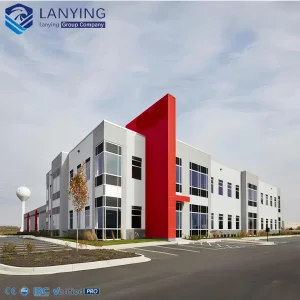
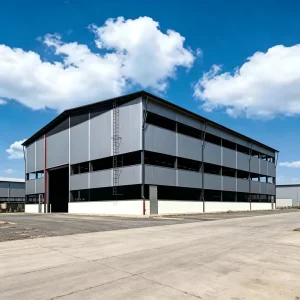
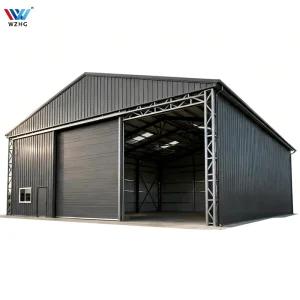
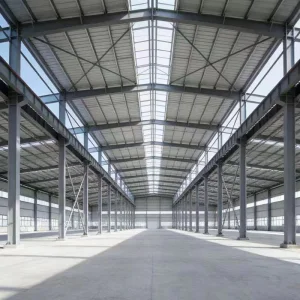
Modern clinical architecture demands unprecedented agility, structural integrity, and bio-safety control. As global demand for rapid-response clinical centers, diagnostic labs, and standard inpatient facilities rises, conventional construction techniques fall short due to lengthy build-times, intensive site labor, and variable quality control. Foshan Umo House Co., Ltd. stands at the forefront of this industrial paradigm shift, operating as a professional manufacturer specializing in steel structure houses, prefabricated steel buildings, modular housing systems, and customized construction solutions in China.
With extensive industry experience and advanced manufacturing capabilities, we provide durable, efficient, and sustainable building solutions for residential, commercial, industrial, and institutional projects worldwide. Our structural steel systems engineered for clinical environments feature state-of-the-art seismic resilience, high-performance thermal insulation envelopes, and micro-environment integration capability. By executing precision fabrication off-site, we reduce local development footprints and compress completion cycles by up to 50% compared to cast-in-place concrete structures.
Structural Steel Grade
Seismic Force Resistance
Construction Schedule Compression
Cleanroom Standards Integration
Building high-integrity clinical space requires strict engineering constraints. Below is the technical roadmap deployed by Umo House engineers to realize institutional-grade, multi-story steel hospital designs.
Every column, portal frame, and truss assembly undergoes thorough simulation. We model critical environmental loads—including wind loads exceeding 250 km/h and seismic accelerations up to Peak Ground Acceleration (PGA) parameters corresponding to Magnitude 8-9 events—using ASTM/Eurocode structural standards.
Components are manufactured under controlled factory environments. Our structural framing uses structural hot-dip galvanized H-sections and rectangular hollow sections (RHS). Heavy-gauge profiles are processed using automated multi-axis plasma cutting, sub-arc robotic welding systems, and finished with high-durability anti-corrosion marine epoxy coatings or heavy zinc galvanizing (up to 80 microns) to prevent chemical degradation in coastal environments.
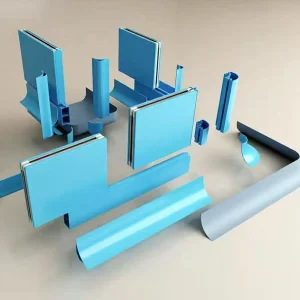
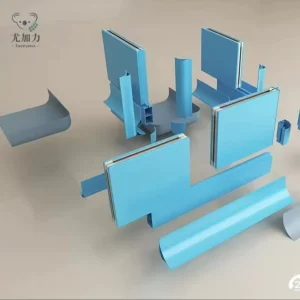
Walls are lined with high-density polyurethane (PU) or rockwool sandwich panels. These panels offer excellent fire-resistance ratings (up to 4 hours Class A) and low thermal transmittance (U-values below 0.22 W/m²K). Integrated vertical chases are built directly into the modular sections to streamline electrical grids, clinical gas lines, water supplies, and HVAC conduits during final field assembly.
For specialized sections like Operating Theatres, IVF Laboratories, and Isolation Wards, we integrate modular cleanroom shells. The walls feature anti-static, anti-bacterial coated panel skins, flush-mount double-glazed vision windows, and direct routing interfaces to connect laminar flow HEPA air-handling units capable of maintaining positive or negative pressure environments.
Discover how our engineered prefabricated steel infrastructure systems adapt to localized climate zones, spatial configurations, and clinical requirements across various international territories.
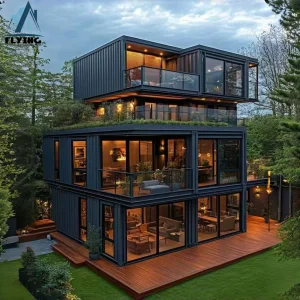
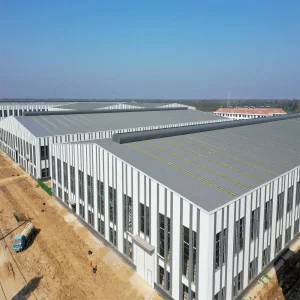
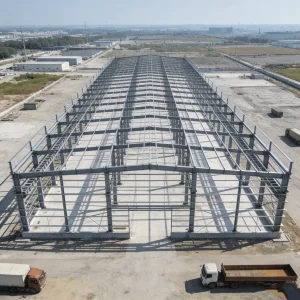
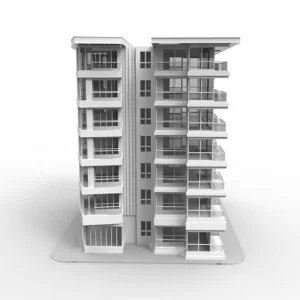
Utilizing high-strength H-beam skeleton frames, we construct multi-floor diagnostic wings and outpatient departments directly adjacent to operating hospitals. This system minimizes local environmental footprint, controls site dust, and significantly limits noise pollution during construction.
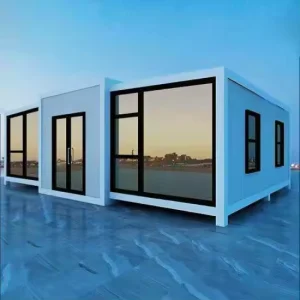
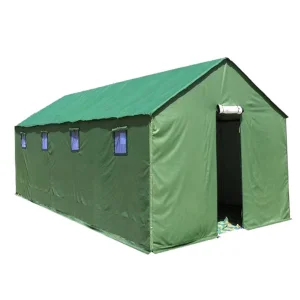
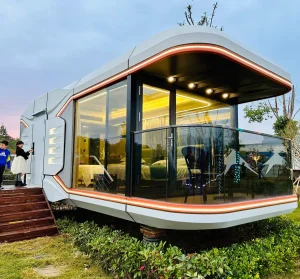
For areas affected by natural disasters or outbreaks, our pre-engineered light gauge frames and expandable modular structures enable fast deployment. These units can be shipped flat-packed in standard ISO containers and set up within days, establishing fully functioning field clinics, triage wards, and sterile environments.
Specially customized for island states, Caribbean, and Southeast Asian regions. Every frame component is treated with hot-dip galvanization and Marine C5-M rated paint finishes to resist intense saline corrosion, while sandwich panels are engineered to withstand tropical cyclones and high thermal exposure.
Sourcing hospital-grade steel structures directly from China via Umo House offers significant advantages in lead times, quality control, and economic efficiency. Our factory is located in Foshan, Guangdong Province—the epicenter of advanced building material and metal manufacturing in China. This location gives us direct access to primary steel processing, automated robotic manufacturing lines, and deepwater container terminals in Shenzhen and Guangzhou.
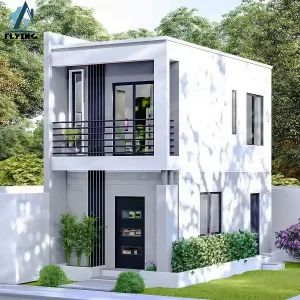
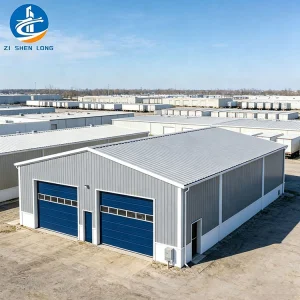
Our complete product portfolio includes steel structure houses, prefabricated homes, modular buildings, steel frame villas, portable houses, expandable homes, labor camps, site offices, warehouses, workshops, commercial buildings, schools, hospitals, dormitories, agricultural buildings, and customized steel construction projects. Every solution is engineered to deliver rapid installation, superior structural performance, cost efficiency, and long service life. By managing the supply chain from raw material procurement to precision fabrication, we insulate projects from localized inflation and volatile material costs.
At Umo House, we utilize advanced production equipment and precision manufacturing technologies to ensure every component meets strict international quality standards. Our experienced engineering team provides complete OEM and ODM services, supporting customized architectural design, structural calculations, insulation systems, roofing, wall panels, electrical layouts, plumbing, interior finishing, and project-specific requirements. Built with premium galvanized steel structures and high-performance building materials, our products offer excellent resistance to corrosion, earthquakes, strong winds, and harsh weather conditions. They also provide outstanding thermal insulation, energy efficiency, and low maintenance, making them suitable for both temporary and permanent construction applications.
A key challenge when importing prefabricated healthcare structures is meeting local building regulations. Umo House addresses this through rigorous compliance validation prior to shipment. Our structural engineering designs can be aligned with diverse regulatory standards, including:
Compliance with AISC (American Institute of Steel Construction), ASTM material testing standards, and IBC (International Building Code).
Adherence to Eurocode 3 (EN 1993) for structural steel design and EN 13501 for fire safety classification.
Adhering to BS 5950 structural code and HTM (Health Technical Memoranda) standards for clinical layout environments.
Ensuring compliance with AS/NZS 1170 for structural design actions and AS 4100 for steel structures.
Beyond structural calculations, we provide containerized logistics packaging. Structural steel beams are bundled, padded, and secured with heavy-duty tension straps to prevent movement during transport. High-grade cleanroom panels and fragile modular bathroom pods are shipped in specialized open-top or high-cube dry containers. All shipments include a detailed assembly blueprint package, clear component labeling, and a digital walkthrough guide. For complex clinical developments, we can dispatch remote support teams or on-site engineering supervisors to manage the assembly process and ensure correct system installation.
An inside look at our manufacturing facilities, specialized precision fabrication lines, and completed prefabricated modular modules.
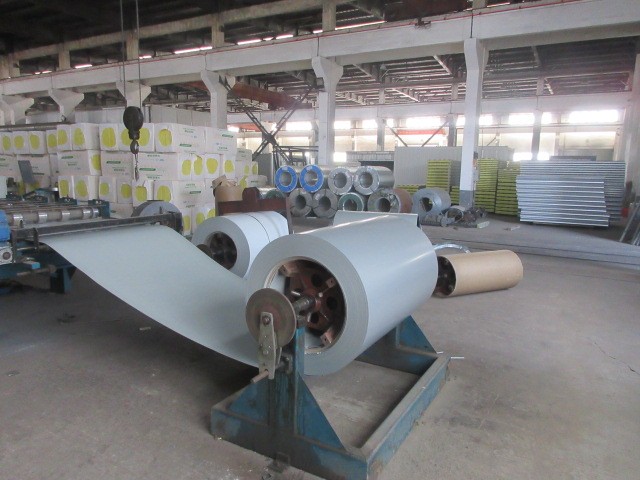
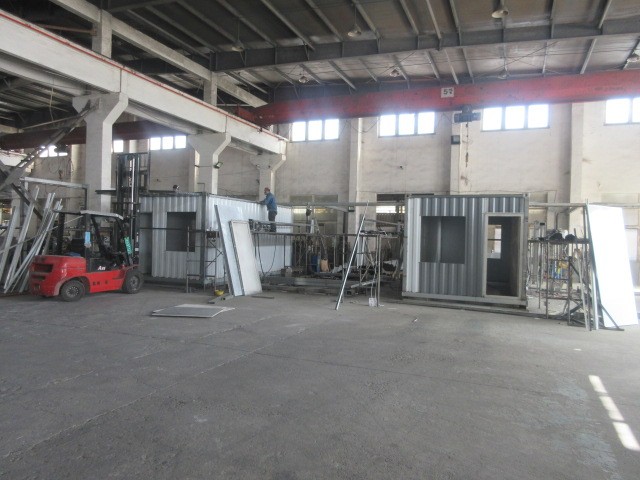
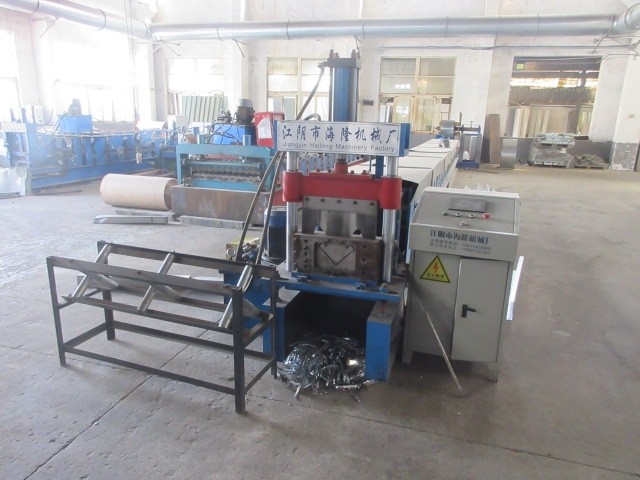
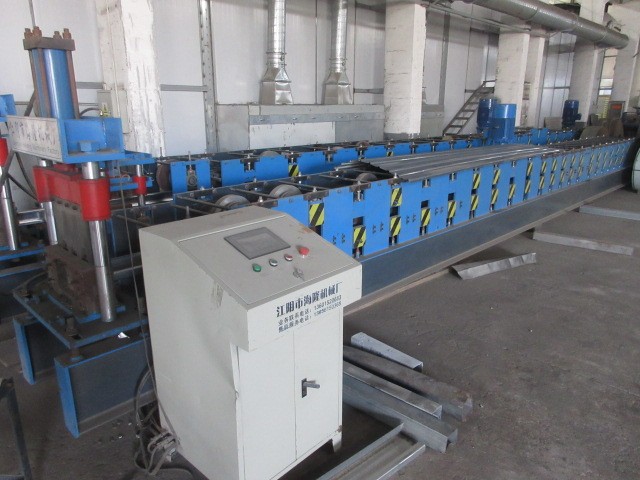
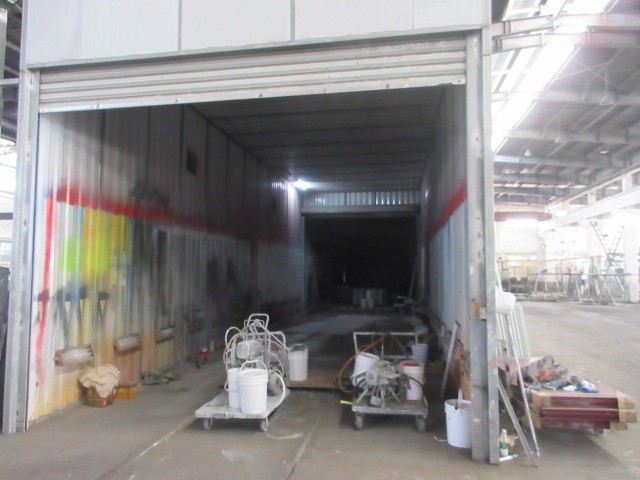
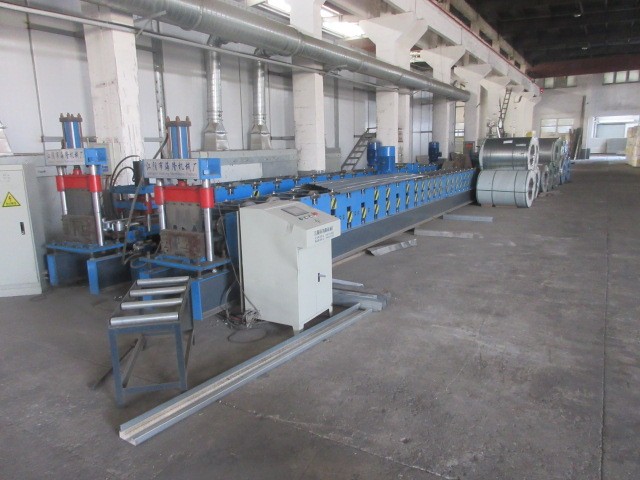
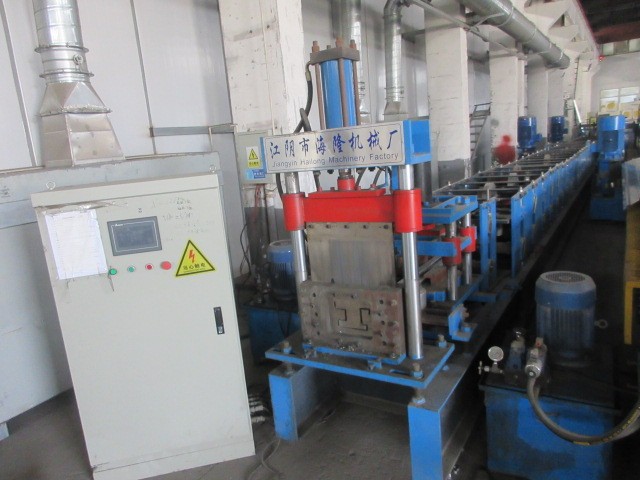
Our steel structure solutions are widely used in residential communities, commercial complexes, industrial facilities, logistics centers, mining camps, construction sites, tourism resorts, educational institutions, healthcare projects, government infrastructure, and emergency relief programs. We continuously invest in research, product innovation, and manufacturing optimization to meet the evolving needs of global customers.
Today, Foshan Umo House exports its products to Europe, North America, South America, Southeast Asia, the Middle East, Africa, and Oceania, building long-term partnerships with contractors, developers, distributors, and engineering companies around the world. As a trusted steel structure house manufacturer in China, Foshan Umo House is committed to delivering premium-quality products, competitive pricing, flexible customization, reliable project support, and on-time delivery. We strive to provide innovative modular construction solutions that create lasting value for customers across the global market.
Find direct answers to the most common questions regarding engineering, logistics, customization, and safety compliance.
High-durability structures engineered for international logistics centers, healthcare projects, commercial offices, and modern housing.
 Umo House