In modern industrial and commercial infrastructure, structural integrity serves as the dividing line between multi-decade resilience and catastrophic failure. Structural integrity refers to the ability of a steel framework to carry its design loads—including wind, seismic activity, thermal changes, and live operational weight—without experiencing structural collapse, fatigue cracking, or progressive failure. As the global construction sector transitions to rapid assembly, modular architectures, and taller, wider-span spaces, demand for highly engineered structural steel has escalated.
Globally, procurement managers face strict regulatory landscapes (such as the American AISC standards, European EN 1090-2, and Australian AS/NZS 4100). The challenge lies in source validation. B2B buyers must trace structural steel components down to the raw material mill certificate, verify weld penetration metrics, and ensure that rust prevention coatings (such as hot-dip galvanization or epoxy painting) align with local atmospheric corrosivity indexes (ISO 12944).
Compliance is non-negotiable. Modern structures must fulfill load resistance factor designs (LRFD) in strict accordance with the IBC (International Building Code), ensuring wind load thresholds exceeding 150 mph and high-level seismic zone qualifications.
Utilizing high-tensile structural grades like Q355B (GB) / S355JR (EN) / A572 Gr. 50 (ASTM) ensures optimal weight-to-strength ratios, reducing foundational overheads while accelerating crane installation timelines.
Protecting steel frameworks through advanced surface preparation (Sa 2.5 blast cleaning) followed by dual-layer zinc-rich primers or full-dip galvanizing guarantees lifespan indexes surpassing 50 years with minimal maintenance.
China's position as a dominant provider of structural steel is built on comprehensive vertical integration. Leading factories, such as those situated in the industrial hubs of Foshan, Guangdong, combine steel smelting, rolling, secondary processing (welding, cutting, drilling, and assembly), and final finishing within tight geographical clusters. This ecosystem delivers structural components at a level of speed and efficiency that is difficult to replicate elsewhere.
Through the integration of heavy CNC machinery, automated sub-arc welding (SAW) platforms, and robotic profiling systems, Chinese suppliers minimize structural variations down to sub-millimeter tolerances. By utilizing optimized nesting algorithms and high-speed multi-axis drilling lines, factories reduce structural fabrication waste, allowing them to pass material-saving cost efficiencies directly to global buyers.
| Performance Indicator | Chinese Integrated Mills (e.g., Foshan Hubs) | Western Fragmented Fab-Shops | Industrial Value Difference |
|---|---|---|---|
| Fabrication Tolerance | ±0.5mm (Fully CNC Automated Profiling) | ±1.5mm to ±3.0mm (Semi-manual execution) | Eliminates on-site modification costs; guarantees seamless crane assembly. |
| Lead Times (5,000t Projects) | 35 to 45 Days (Direct billet access) | 90 to 120 Days (Sub-sourced steel plate delays) | Saves developers thousands in carrying costs and early-lease potential. |
| Welding Quality Inspection | 100% NDT (Ultrasonic / Magnetic Particle) | Random sampling or third-party paid audits | Ensures reliable load-bearing capability and absolute structural safety. |
| Galvanization Quality | Integrated deep-kettle hot-dip (ASTM A123) | Subcontracted transit to regional galvanizers | Consistent micron thickness and superior bond adhesion against marine rust. |
Exporting Nations & Regions
Premium Steel Grade Standard
Ultra-Precise CNC Machining Tolerance
Standard Shot Blasting Cleanliness
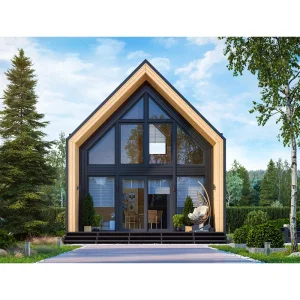
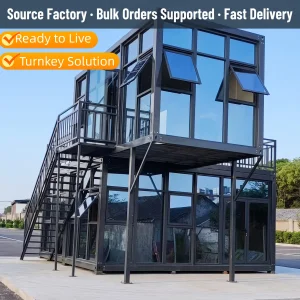
Foshan Umo House Co., Ltd. is a professional manufacturer specializing in steel structure houses, prefabricated steel buildings, modular housing systems, and customized construction solutions in China. With extensive industry experience and advanced manufacturing capabilities, we provide durable, efficient, and sustainable building solutions for residential, commercial, industrial, and institutional projects worldwide.
Our comprehensive product portfolio includes steel structure houses, prefabricated homes, modular buildings, steel frame villas, portable houses, expandable homes, labor camps, site offices, warehouses, workshops, commercial buildings, schools, hospitals, dormitories, agricultural buildings, and customized steel construction projects. Every solution is engineered to deliver rapid installation, superior structural performance, cost efficiency, and long service life.
At Umo House, we utilize advanced production equipment and precision manufacturing technologies to ensure every component meets strict international quality standards. Our experienced engineering team provides complete OEM and ODM services, supporting customized architectural design, structural calculations, insulation systems, roofing, wall panels, electrical layouts, plumbing, interior finishing, and project-specific requirements.
Built with premium galvanized steel structures and high-performance building materials, our products offer excellent resistance to corrosion, earthquakes, strong winds, and harsh weather conditions. They also provide outstanding thermal insulation, energy efficiency, and low maintenance, making them suitable for both temporary and permanent construction applications.
Our steel structure solutions are widely used in residential communities, commercial complexes, industrial facilities, logistics centers, mining camps, construction sites, tourism resorts, educational institutions, healthcare projects, government infrastructure, and emergency relief programs. We continuously invest in research, product innovation, and manufacturing optimization to meet the evolving needs of global customers.
Today, Foshan Umo House exports its products to Europe, North America, South America, Southeast Asia, the Middle East, Africa, and Oceania, building long-term partnerships with contractors, developers, distributors, and engineering companies around the world.
As a trusted steel structure house manufacturer in China, Foshan Umo House is committed to delivering premium-quality products, competitive pricing, flexible customization, reliable project support, and on-time delivery. We strive to provide innovative modular construction solutions that create lasting value for customers across the global market.
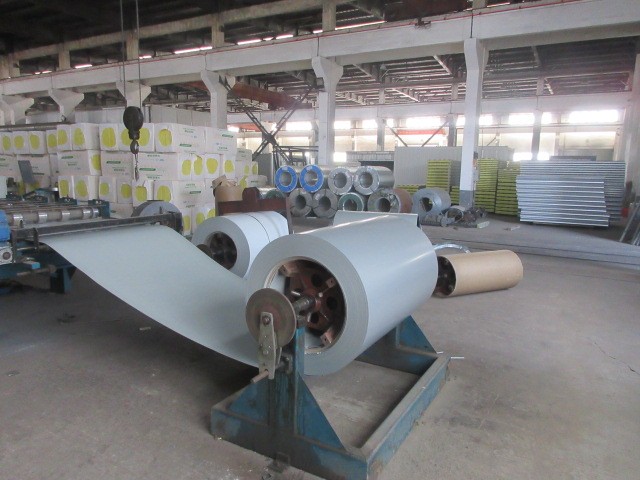
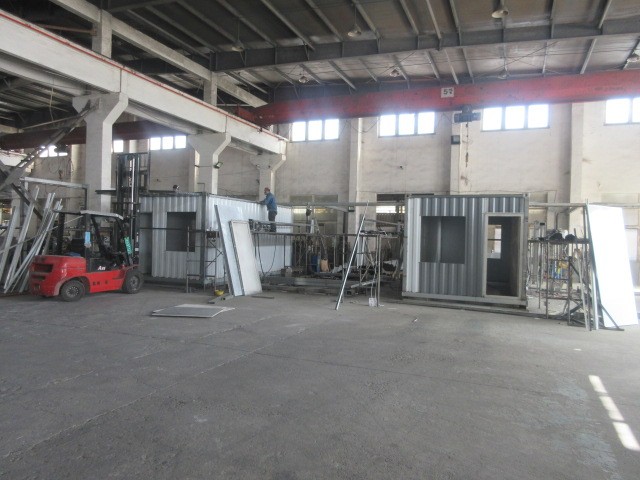
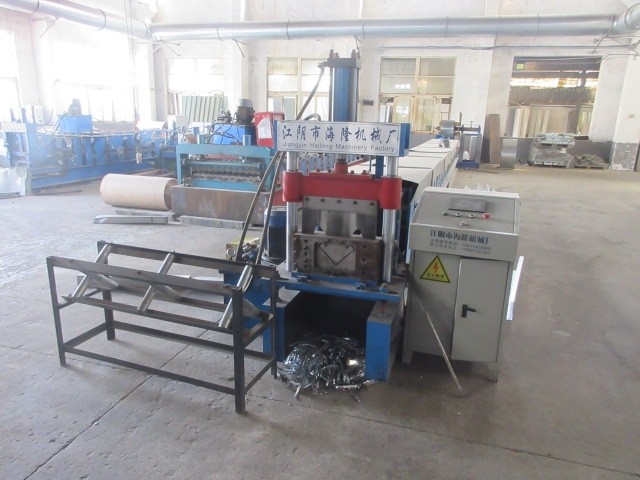
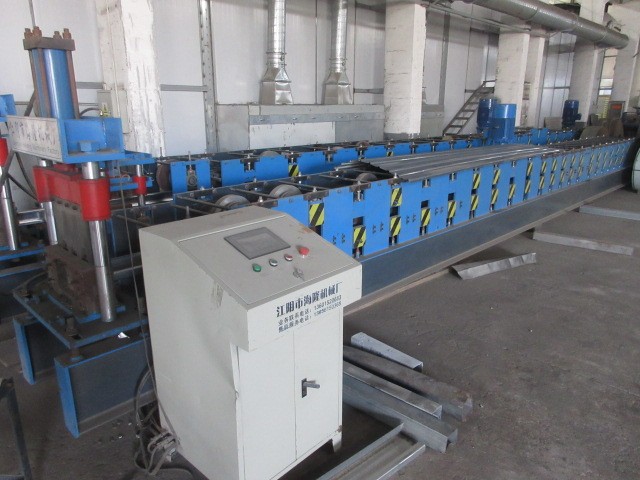
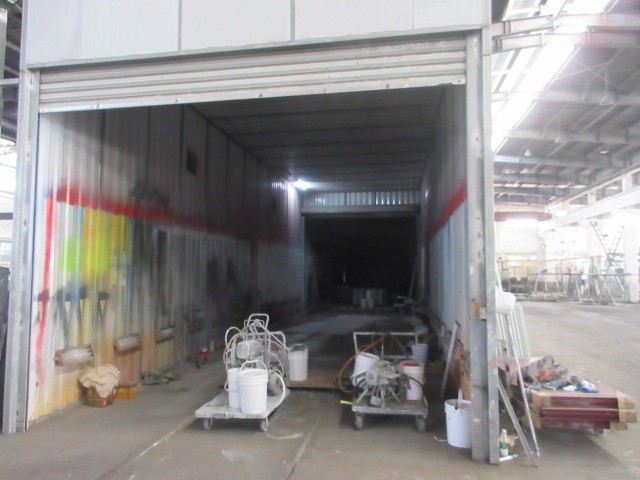
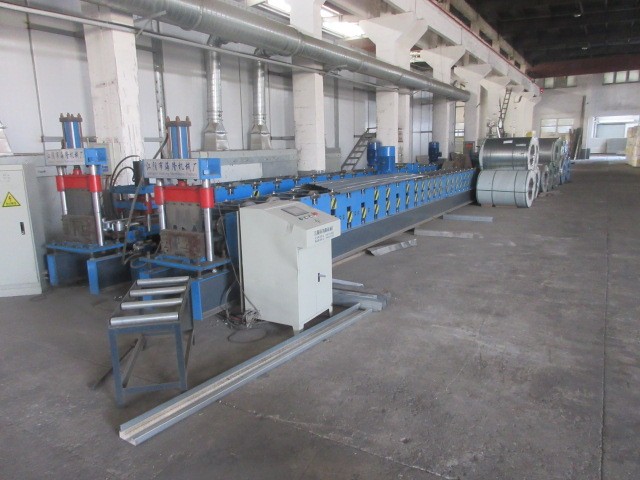
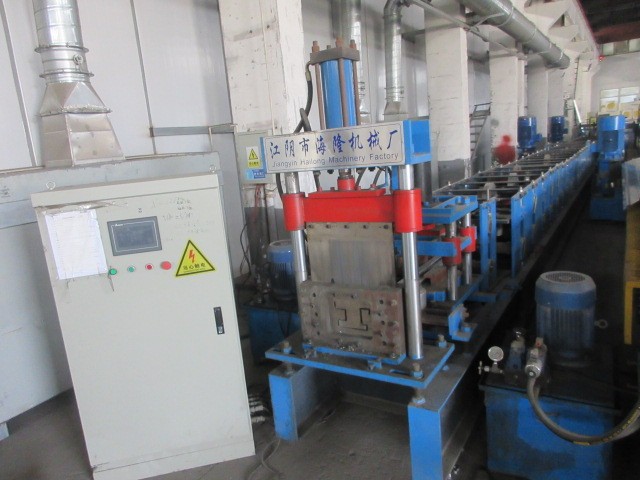
Modern steel design varies significantly by application and environment. Different structures require specific engineering focus to maintain their structural integrity:
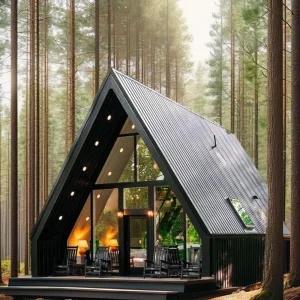
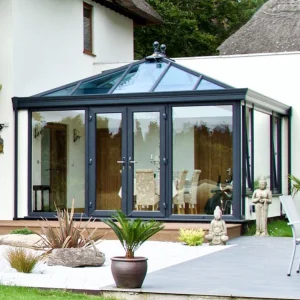
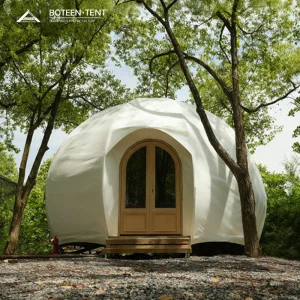
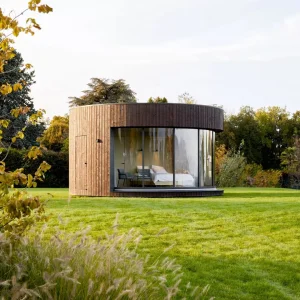
For coastal resorts and modular villas, high relative humidity and salt-laden air demand dynamic hot-dip galvanization with a minimum zinc coating thickness of 85 microns (610 g/m²). In regions prone to typhoons and hurricanes, we utilize structural calculation programs (such as TEKLA and SAP2000) to ensure the frame, foundation bolts, and purlin systems can withstand wind loads up to 250 km/h without structural deformation.
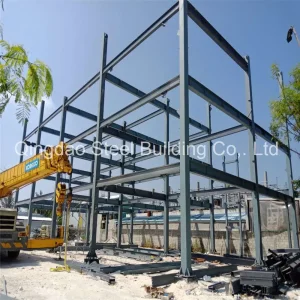
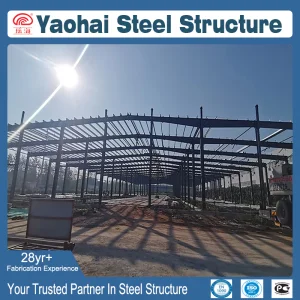
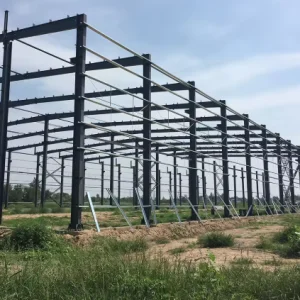
Heavy workshops and distribution centers require large clear spans with overhead cranes. We design built-up H-beams using structural grades such as Q355B to sustain high static and dynamic stress. Multi-tier frameworks incorporate specialized horizontal and vertical portal bracing, preventing progressive collapse under eccentric crane loading profiles.
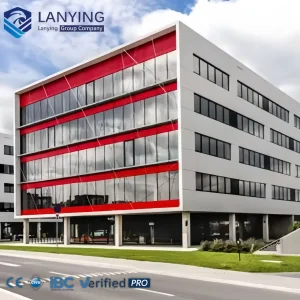
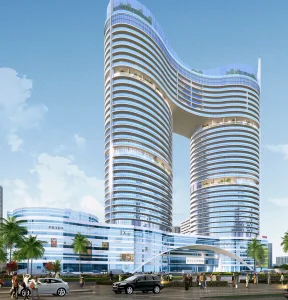
Multi-floor apartments and steel framing offices are engineered with high ductility in mind. By sizing structural joints to accommodate plastic hinge formations under extreme cyclic loading, the steel building absorbs earthquake energy, preventing brittle failures and protecting lives.
For international builders and purchasing organizations, sourcing structural steel components globally requires a systematic quality control strategy. Procurement teams must move past simple price-per-ton metrics to evaluate total lifecycle costs and compliance risk. An effective quality assurance framework consists of four primary stages:
Require structural manufacturers to supply mill test certificates (MTC) conforming to EN 10204 Type 3.1 or equivalent. Each beam, column, and plate should feature steel heat numbers stamped onto the metal to trace chemical compositions (carbon equivalents, manganese, phosphorus, sulfur) and mechanical properties (yield and tensile strength, impact energy testing at 0°C or -20°C).
Welded connections carry critical loads within structural frames. Ensure the factory operates under qualified Welding Procedure Specifications (WPS) and employs welders certified to ISO 9606 or AWS D1.1. Request non-destructive testing (NDT) records, including Ultrasonic Testing (UT) for full penetration butt welds and Magnetic Particle Testing (MT) or Dye Penetrant Testing (PT) for fillet welds.
One of the most effective ways to prevent on-site delays is to mandate a pre-shipment trial assembly at the factory. Selected frames and modular connection points are test-assembled on the shop floor to verify that column-to-beam connection clearances, bolt hole alignments, and dimensional tolerances are within spec before packing.
The structural steel sector is adopting digital integration and green technologies to improve efficiency and reduce environmental impact. Key developments include:
BIM-to-Machine Workflows: The integration of Building Information Modeling (BIM) software directly with CNC fabrication equipment is now standard. Tekla structures files (.nc1 format) are exported directly to automated fabrication lines, eliminating human translation errors during detail drawing phases and accelerating production timelines.
Green Prefabrication: High-integrity steel is inherently recyclable. Modern projects calculate the embodied carbon footprint of structures, utilizing electric arc furnace (EAF) steel and optimizing structural framing configurations to reduce total material volume. Modular buildings and pre-engineered warehouses shorten on-site construction schedules, reducing neighborhood disturbance and construction waste.
 Umo House