Explore our leading residential and industrial modular systems designed for rapid deployment, architectural flexibility, and long-term structural security.
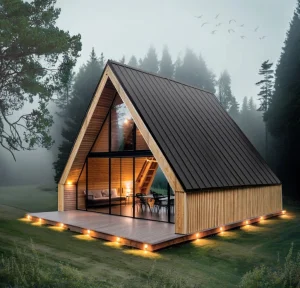
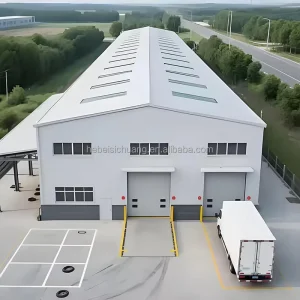
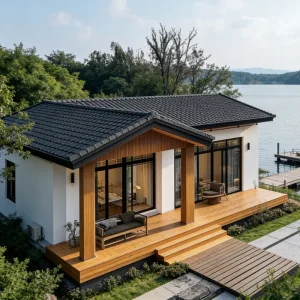
In an era marked by rapid urbanization, fluctuating material supply chains, and demanding climate resilience directives, traditional construction methods like reinforced concrete and standard wood stick framing are revealing acute systemic bottlenecks. As modern architectural demands dictate tighter tolerances, faster deployment turnarounds, and minimal environmental footprints, cold-formed steel (CFS) and structural hot-rolled steel frame assemblies have emerged as the foundational cornerstone for high-performance residential construction.
From custom light gauge steel villas to multi-story commercial spaces, industrial steel frame components leverage a high strength-to-weight ratio to unlock architectural design frontiers. By moving construction processes off-site into modular, factory-controlled workflows, developers mitigate volatile environmental conditions, solve severe local labor shortages, and guarantee consistency of physical performance. Foshan Umo House Co., Ltd. is positioned at the intersection of this industrial transformation, serving as a master factory partner offering comprehensive OEM and ODM capabilities to developers, civil engineering contractors, and modular housing suppliers worldwide.
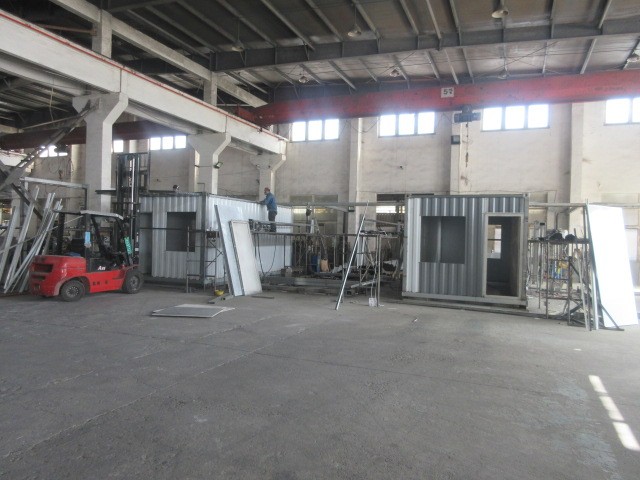
Foshan Umo House operates state-of-the-art fabrication lines specialized in delivering building solutions optimized for load-bearing requirements, spatial volume, and geographic compliance.
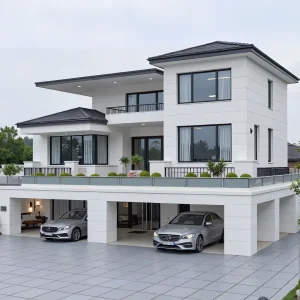
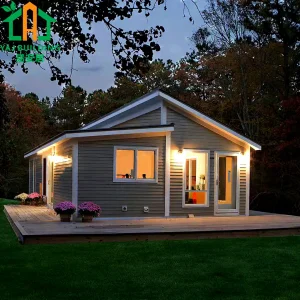
Specially engineered for low-rise and medium-rise residential villas. LGS systems use cold-formed C-sections and U-tracks to create ultra-lightweight structural frames. Features exceptional structural efficiency and zero susceptibility to mold, termites, and dry rot.
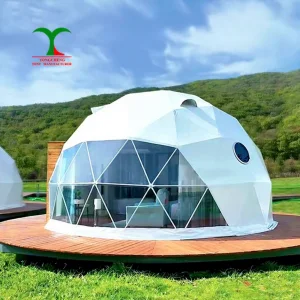
Our flatpack, expandable, and geodesic modular products are fully finished at the factory with integrated electrical wiring, plumbing, and thermal floorings. Designed for eco-tourism resorts, site field offices, mining bases, and disaster relief housing.
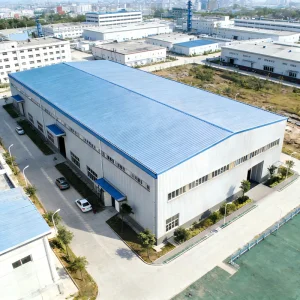
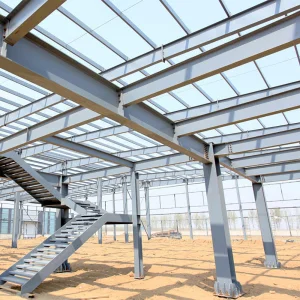
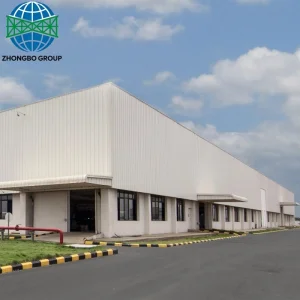
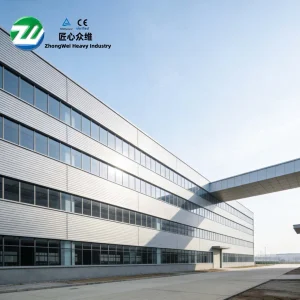
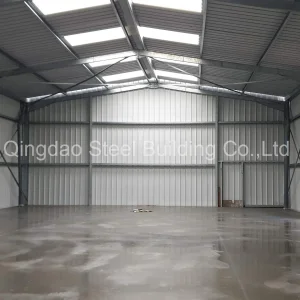
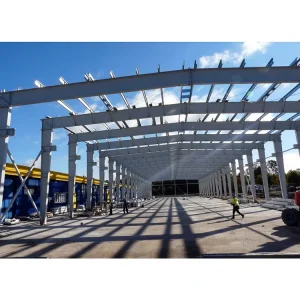
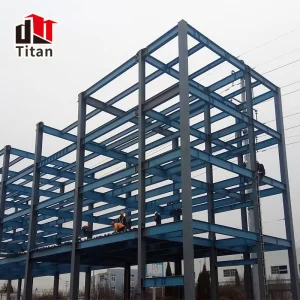
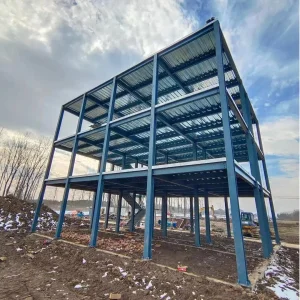
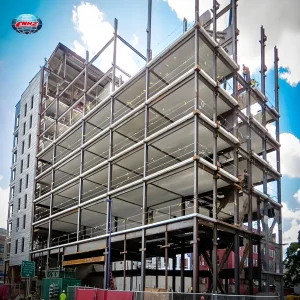
Engineered portal frames, heavy trusses, and multi-story structural layouts using Q355B high-tensile hot-rolled profiles. These systems accommodate massive clear spans for large industrial workshops, high-load agricultural storage facilities, and high-rise commercial structures.
Delivering high-performance residential steel housing demands structural engineering rigor. Every component produced in our Foshan facility undergo stress calculations, shear resistance simulations, and material verification. The following matrix illustrates the standard mechanical threshold profiles of our residential solutions:
| System Classification | Standard Yield Strength | Standard Corrosion Finish | Typical Wall & Roof Options | Performance Thresholds |
|---|---|---|---|---|
| Light Gauge Steel Villa Frame | G550 / Q350 Steel (High-Tensile Cold Formed) | Hot-Dip Galvanized Z275 / AZ150 | Glass Wool / Rockwool + ALC panels + Cladding | Seismic Zone 8 | Wind Load ≤ 0.85 KN/m² |
| Heavy Portal Structural Frames | Q355B / ASTM A572 Grade 50 | Anti-corrosive Epoxy primer + polyurethane topcoat | PU Sandwich Panels / Fiber-glass insulated metal panels | Clear span up to 45m | Floor load capacity up to 3.5t/m² |
| Modular Expandable Units | Q235B Profiled Steel Frame | Electro-galvanized framing + powder coatings | Integrated EPS / PU Sandwich panel walls + PVC Flooring | Relocation Cycles > 30 times | Quick Assembly < 2 hrs/unit |
A frequent reservation regarding steel framing centers on thermal bridging. At Foshan Umo House, we eliminate cold bridging paths through advanced structural layering. By placing continuous exterior insulation board layers (such as extruded polystyrene or autoclaved lightweight aerated concrete (ALC) panels) over the cold-formed framing, we establish high system R-values (thermal resistance). This reduces HVAC system energy consumption by up to 35% compared to traditional concrete construction, easily aligning with modern zero-energy building goals.
International developers face challenges when buying steel structures overseas, including local zoning laws, customs requirements, and complex logistics. As an experienced exporter, Foshan Umo House provides end-to-end OEM and ODM services that streamline global delivery pipelines.
Every market has unique building regulations. We translate architectural drawings into precise structural models that comply with relevant global building codes:
Our factory operations are optimized for export. Structural items are nested, bundled, labeled, and loaded in order of field installation. Each structural steel column, truss, and purlin carries an alphanumeric tracking ID mapped directly to our assembly manuals and detailed 3D installation videos. This clear layout reduces construction delays, helping developers control labor costs on site.
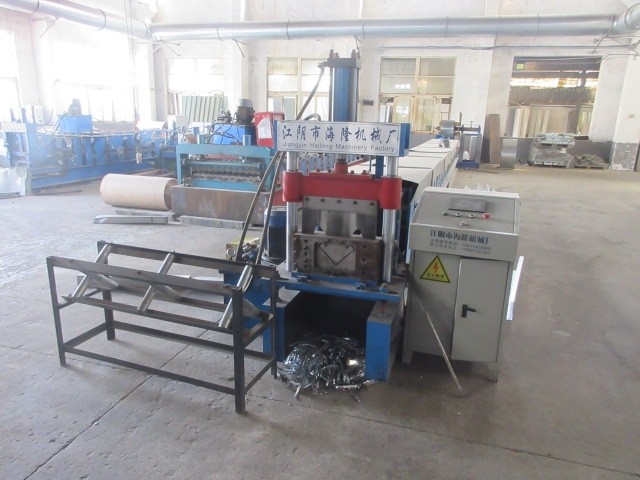
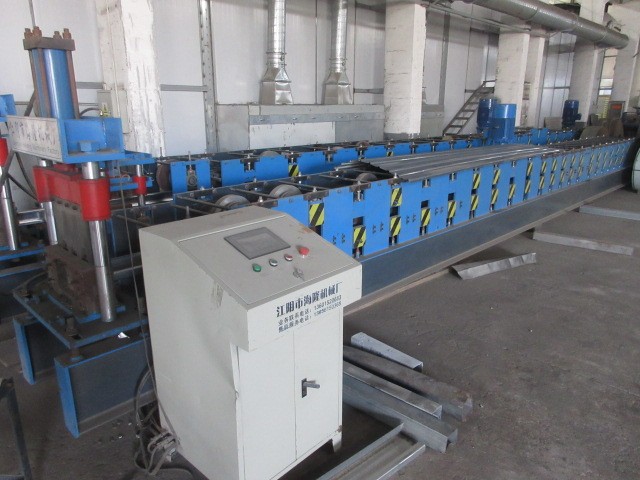
The next decade of residential steel construction belongs to smart modular integration and sustainable life cycle engineering. Future-proofing projects require designing for versatility, component recycling, and low operational carbon footprints. Our engineering division actively invests in next-generation structural composite panels, vacuum-insulated structural cores, and automated roll-forming technologies to push the limits of speed and safety in prefab systems.
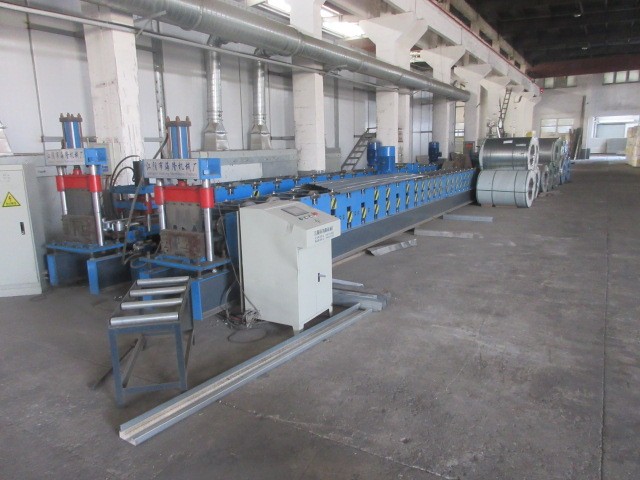
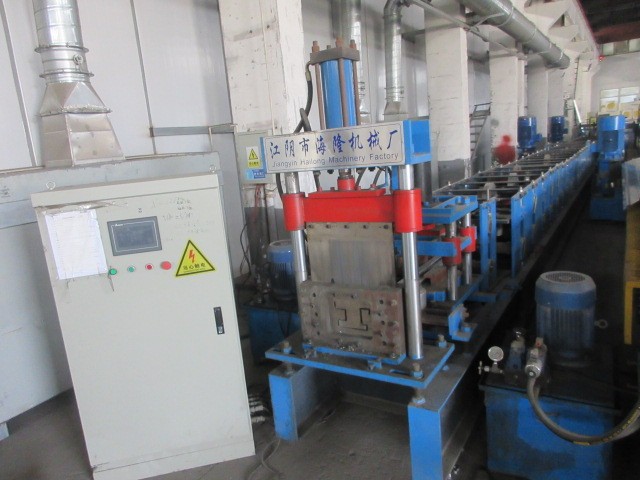
By connecting building information model (BIM) data directly to roll-forming equipment, we ensure high quality control with zero dimensional offsets, speeding up modular assembly.
Using 100% recyclable structural steel framing lowers carbon emissions throughout the building's lifecycle, supporting modern ESG construction standards.
Pre-configured conduit paths inside studs speed up plumbing and electrical installations, reducing interior finishing times.
Our bolt-together connections allow easy expansion, layout changes, or clean disassembly and reuse elsewhere.
Foshan Umo House Co., Ltd. is a professional manufacturer specializing in steel structure houses, prefabricated steel buildings, modular housing systems, and customized construction solutions in China. With extensive industry experience and advanced manufacturing capabilities, we provide durable, efficient, and sustainable building solutions for residential, commercial, industrial, and institutional projects worldwide.
Our comprehensive product portfolio includes steel structure houses, prefabricated homes, modular buildings, steel frame villas, portable houses, expandable homes, labor camps, site offices, warehouses, workshops, commercial buildings, schools, hospitals, dormitories, agricultural buildings, and customized steel construction projects. Every solution is engineered to deliver rapid installation, superior structural performance, cost efficiency, and long service life.
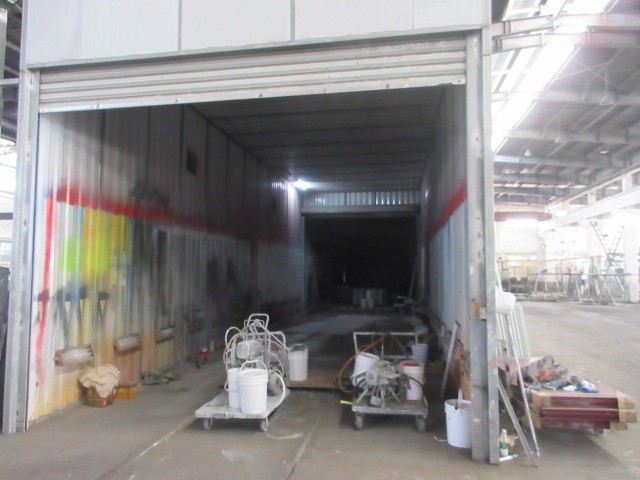
At Umo House, we utilize advanced production equipment and precision manufacturing technologies to ensure every component meets strict international quality standards. Our experienced engineering team provides complete OEM and ODM services, supporting customized architectural design, structural calculations, insulation systems, roofing, wall panels, electrical layouts, plumbing, interior finishing, and project-specific requirements.
Built with premium galvanized steel structures and high-performance building materials, our products offer excellent resistance to corrosion, earthquakes, strong winds, and harsh weather conditions. They also provide outstanding thermal insulation, energy efficiency, and low maintenance, making them suitable for both temporary and permanent construction applications.
Our steel structure solutions are widely used in residential communities, commercial complexes, industrial facilities, logistics centers, mining camps, construction sites, tourism resorts, educational institutions, healthcare projects, government infrastructure, and emergency relief programs. We continuously invest in research, product innovation, and manufacturing optimization to meet the evolving needs of global customers.
Today, Foshan Umo House exports its products to Europe, North America, South America, Southeast Asia, the Middle East, Africa, and Oceania, building long-term partnerships with contractors, developers, distributors, and engineering companies around the world.
As a trusted steel structure house manufacturer in China, Foshan Umo House is committed to delivering premium-quality products, competitive pricing, flexible customization, reliable project support, and on-time delivery. We strive to provide innovative modular construction solutions that create lasting value for customers across the global market.
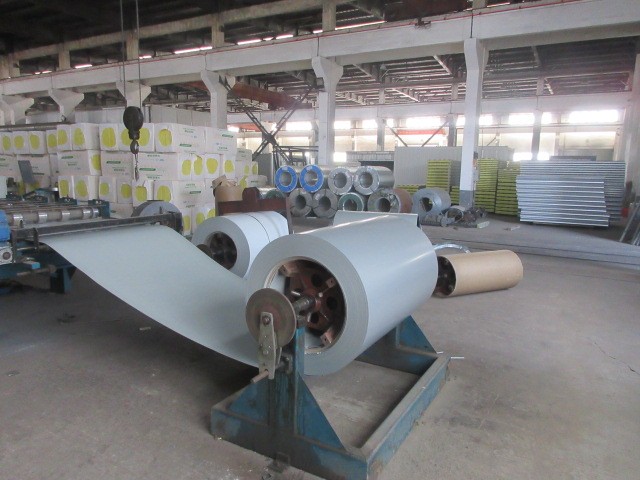
Get answers to common technical, commercial, and operational questions about our pre-engineered steel framing structures and modular systems.
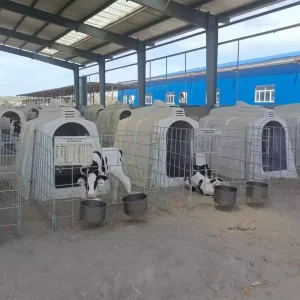
Browse the remainder of our engineered product catalog, featuring heavy-duty manufacturing workshops, livestock housing, and multi-story structural kits.
 Umo House