In the contemporary landscape of structural engineering, the term "Dynamic Steel Structures" represents a monumental paradigm shift. No longer are buildings viewed as static, inert monoliths designed solely to withstand dead loads under ideal conditions. Today’s industrial, commercial, and residential infrastructure demands structural frameworks capable of adapting to, absorbing, and neutralizing complex dynamic forces—including severe seismic activity, high-velocity wind loads, and thermal expansions.
Dynamic steel structures leverage advanced structural mechanics, utilizing high-tensile strength alloys, precision-engineered geometric configurations, and modular assembly methodologies. By optimizing the distribution of bending moments and shear stresses, these systems offer unprecedented flexibility, rapid speed of assembly, and a vastly reduced carbon footprint. From high-capacity industrial logistics warehouses to complex multi-story office buildings, the application of dynamic steel fabrication is setting new standards for global infrastructure projects.
"Structural efficiency is no longer defined by how much steel we put into a building, but by how intelligently that steel is configured to interact with dynamic environmental forces."
The global demand for dynamic steel structures is experiencing exponential growth, driven by compounding global economic and environmental factors. Rapid urbanization in developing regions, coupled with the critical need to replace aging, energy-inefficient concrete structures in developed nations, has positioned prefabricated structural steel as the material of choice.
In Europe and North America, developers are heavily constrained by strict environmental building codes, carbon neutral mandates, and rising on-site labor costs. This has created a massive surge in demand for prefabricated modular systems and CWB-certified light steel frameworks. Meanwhile, in seismic regions like Oceania and Latin America, developers look for structures that can dynamically flex rather than break under lateral loads. The integration of high-grade hot-dip galvanized steel framing ensures that these projects meet local compliance requirements while mitigating the long-term financial risks associated with corrosion and structural failure.
China has long held the mantle of the world’s leading steel producer, but the transformation from a bulk commodity supplier to a precision engineering powerhouse is the country's most significant recent achievement. Modern Chinese factories combine advanced CAD/BIM modeling systems with automated robotic welding, CNC metal forming, and high-capacity hot-dip galvanizing lines. This technological integration allows for rapid prototyping, tighter tolerances, and massive cost savings compared to traditional domestic fabrication in Western markets.
At the forefront of this industrial transformation is Foshan Umo House Co., Ltd., a professional manufacturer specializing in steel structure houses, prefabricated steel buildings, modular housing systems, and customized construction solutions in China. With extensive industry experience and advanced manufacturing capabilities, Umo House provides durable, efficient, and sustainable building solutions for residential, commercial, industrial, and institutional projects worldwide.
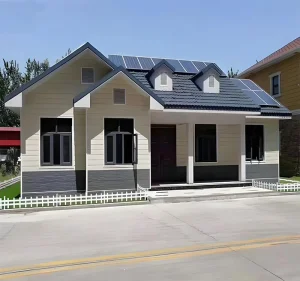
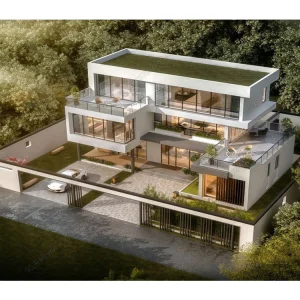
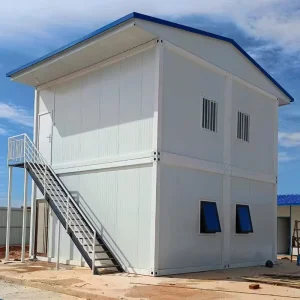
The company's comprehensive product portfolio spans steel structure houses, prefabricated homes, modular buildings, steel frame villas, portable houses, expandable homes, labor camps, site offices, warehouses, workshops, commercial buildings, schools, hospitals, dormitories, agricultural buildings, and customized steel construction projects. Every solution is engineered to deliver rapid installation, superior structural performance, cost efficiency, and long service life.
Utilizing state-of-the-art production machinery to achieve millimeter-level tolerances, reducing structural misalignments during site assembly.
Engineering components to meet CWB, Eurocode, AISC, and New Zealand building standards, ensuring seamless structural certification.
Supporting extensive OEM and ODM workflows, from initial architectural visualization to structural calculation and interior finishes.
Built with premium galvanized steel structures and high-performance building materials, Umo House products offer excellent resistance to corrosion, earthquakes, strong winds, and harsh weather conditions. They also provide outstanding thermal insulation, energy efficiency, and low maintenance, making them suitable for both temporary and permanent construction applications.
When procurement directors and structural engineers evaluate dynamic steel structures manufacturers, several critical parameters must be satisfied to ensure project viability, safety, and economic return:
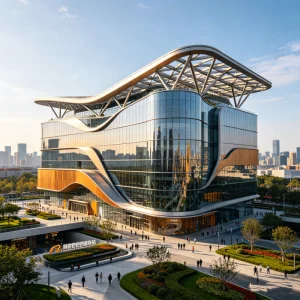
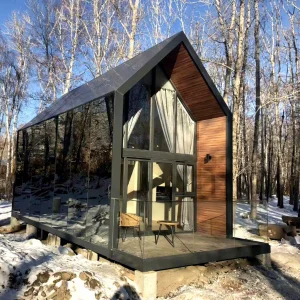
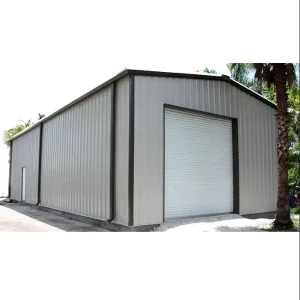
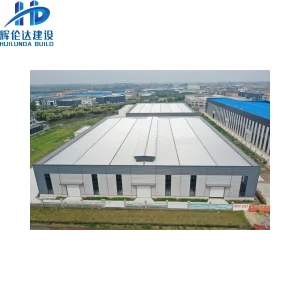
The dynamic capabilities of engineered steel are realized across diverse micro-environments and local structural applications:
In countries situated along the Ring of Fire (e.g., Japan, New Zealand, and western South America), modular dynamic framing acts as an energy dissipation mechanism. Flexible moment-resisting frames (MRFs) absorb horizontal ground acceleration, preventing brittle fractures associated with traditional concrete.
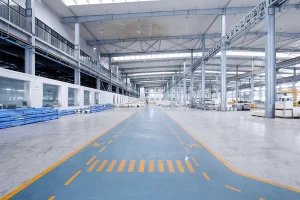
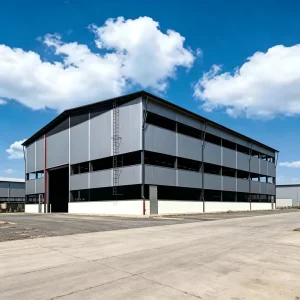
Logistics facilities in coastal regions require clear-span structural setups with superior wind resistance. Hot-dip galvanized structural frames prevent corrosion from salt-laden atmospheres while enabling expansive column-free layouts for heavy machinery and high-density racking.
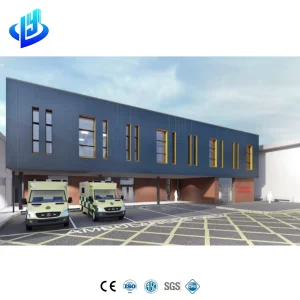
For city-center multi-story office buildings and hospitals, prefabricated steel structures reduce local traffic disruption. Components are delivered just-in-time and dry-assembled rapidly, dramatically minimizing site footprint, noise pollution, and community impact.
The steel construction industry is undergoing structural digitalization and sustainability audits. The integration of Building Information Modeling (BIM) enables fabricators to create high-fidelity digital twins of structural projects. This allows real-time clash detection, stress simulation under dynamic loading, and highly accurate material takeoffs.
Simultaneously, the global push toward carbon neutrality is forcing factories to adopt green fabrication technologies. The utilization of electric arc furnaces (EAF) powered by renewable energy, low-VOC fire-retardant coatings, and structural recycling programs are becoming standard practice among elite tier-1 manufacturers. The resulting buildings are not only structurally sound but also score significantly higher on LEED and ESG verification models.
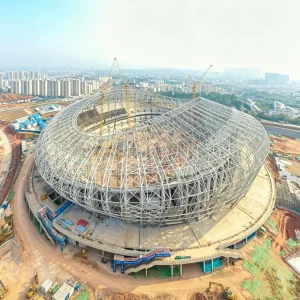
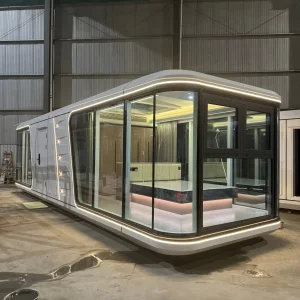
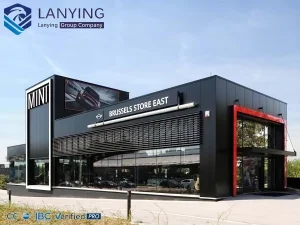
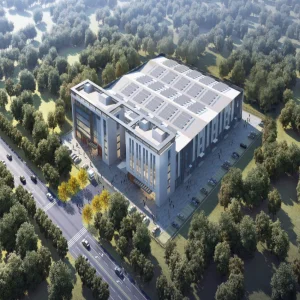
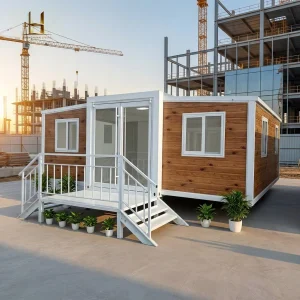
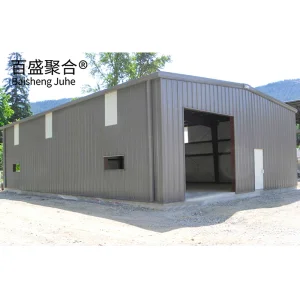
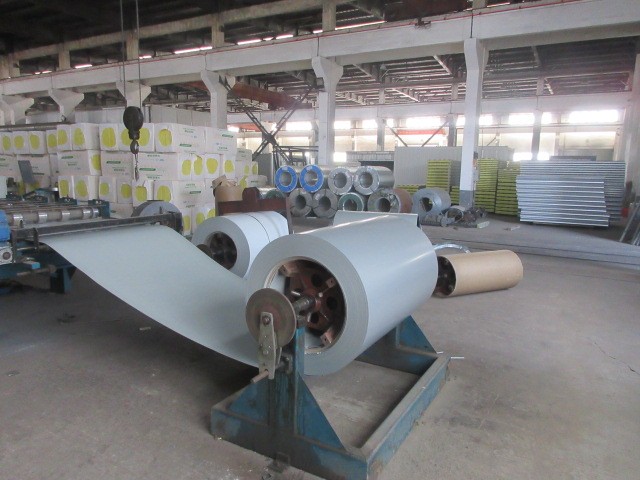
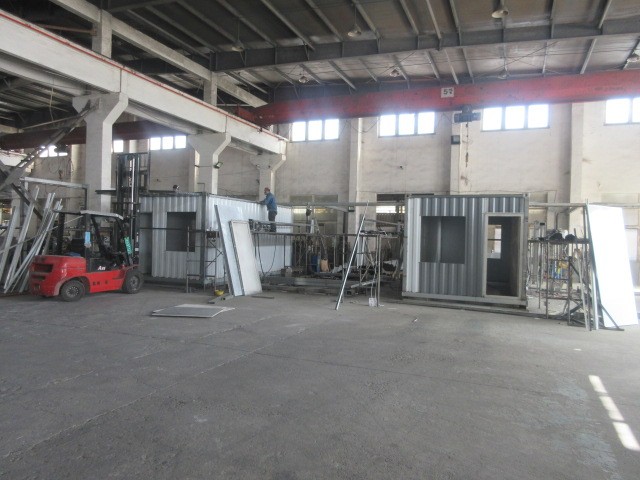
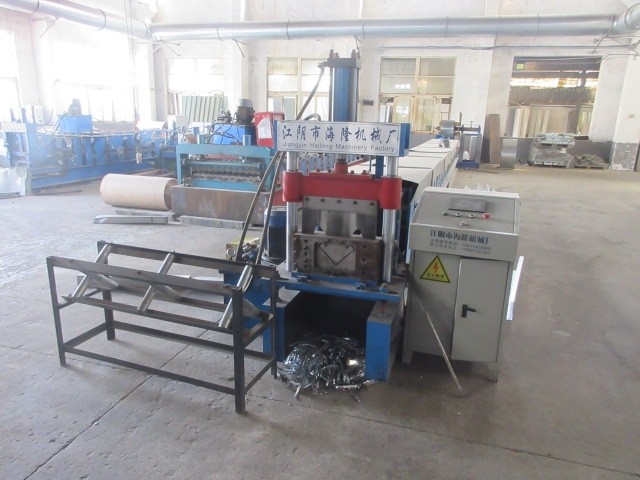
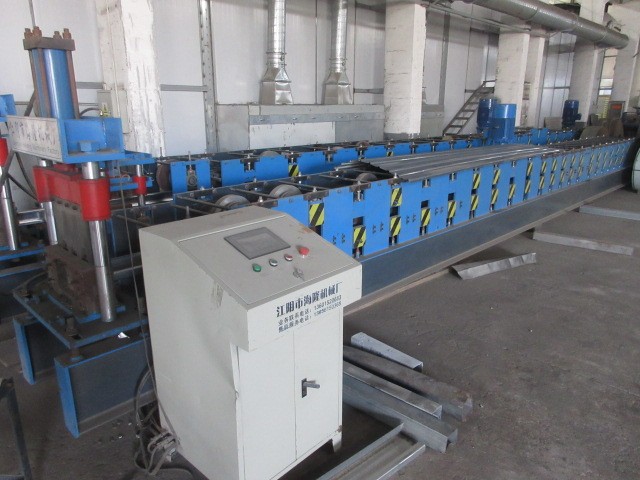
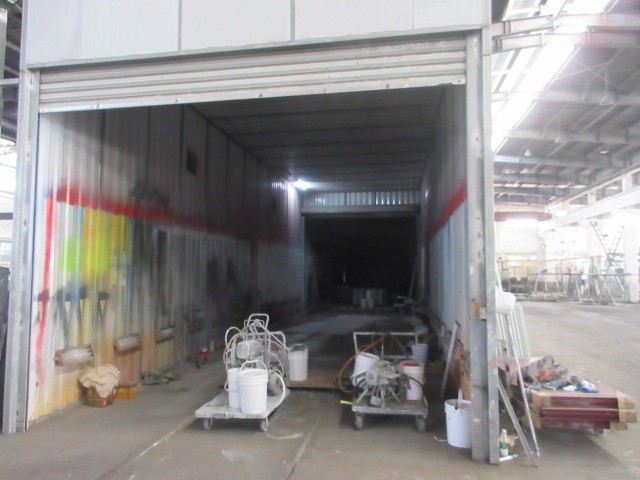
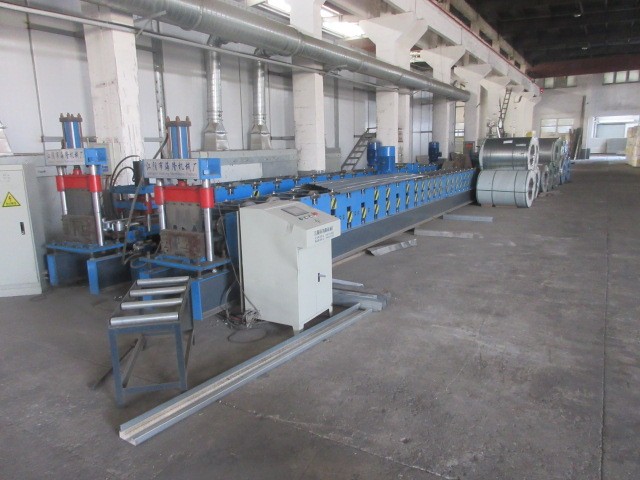
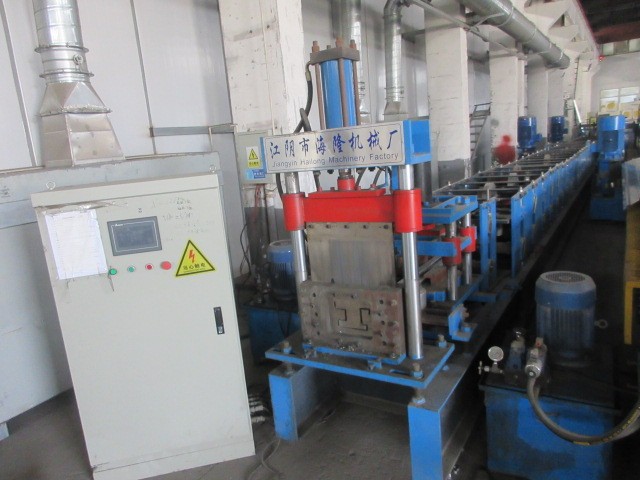
Below are visual references of dynamic structural components, modular assembly processes, and completed prefabricated buildings fabricated in our state-of-the-art Chinese factory. These represent real-world installations deployed across international borders.
Dynamic steel structures offer a significantly higher strength-to-weight ratio compared to concrete. Concrete is brittle and prone to catastrophic failure under shear stress induced by earthquakes. Dynamic steel frames are engineered with high ductility, allowing the structure to deform elastically, dissipate energy through specialized connection systems, and remain structurally intact, ensuring the safety of occupants.
We utilize advanced industrial corrosion mitigation methods. The primary option is hot-dip galvanization (HDG) in accordance with ISO 1461, which provides a thick zinc barrier layer that self-heals minor abrasions. Additionally, we provide multi-layer epoxy primer coatings and polyurethane topcoats for structures operating in severe chemical or marine environments, ensuring a design life of over 50 years.
All steel members are systematically coded, bundled, and containerized at our Foshan facility to optimize spatial occupancy in shipping containers. Along with the structural delivery, we provide detailed 3D installation drawings, construction blueprints, and virtual engineering support. The bolt-together design eliminates the need for intensive field welding, enabling local construction teams to execute safe, rapid assembly.
Yes. Our structures are custom-designed using specific international standards (including CWB, AISC, Eurocode, and AS/NZS codes). Our engineering department works closely with client-appointed third-party structural certifiers to perform independent peer reviews on calculation packages, verifying that local wind loads, snow loads, and seismic ratings are fully satisfied.
Typical production lead times range from 30 to 45 days after design finalization and structural calculations are approved. Highly complex projects involving multi-story structures or custom heavy-gauge steel profiles may require additional time. Logistics transit depends on the destination port, generally taking between 15 to 40 days.
 Umo House