Explore our top-tier selection of durable, energy-efficient, and wind-resistant pre-engineered steel buildings designed for agricultural, commercial, and industrial use.
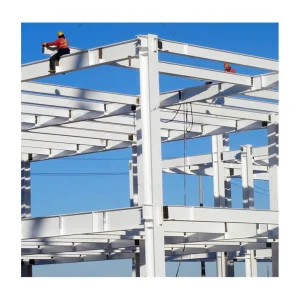
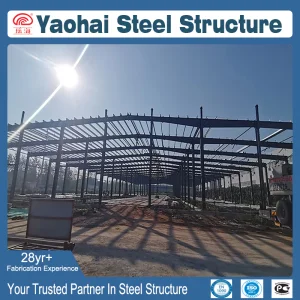
The global steel barn and agricultural construction sector is undergoing a massive shift towards Pre-Engineered Metal Buildings (PEMB). Driven by modern agricultural scale, logistics demands, and extreme weather resilience, structural steel has quickly replaced traditional timber frames as the default choice. Industrialized farming requires large, unobstructed spans to house advanced machinery, automate poultry or dairy processing, and secure massive feedstocks.
From an engineering perspective, modern hot-rolled or cold-formed steel frames offer unmatched strength-to-weight ratios. This structural efficiency allows for wide, column-free interiors, which are essential for maneuvering modern heavy equipment. Furthermore, industrial-grade steel barns are highly resistant to pests, decay, and moisture, eliminating the structural risks commonly associated with wood rot and termite damage.
Globally, exporters and manufacturers are adapting to strict building codes. This requires utilizing advanced computer-aided engineering (BIM) to optimize steel layouts. As a result, projects benefit from reduced site preparation times, minimal raw material waste, and predictable, long-term performance under heavy environmental loads.
Modern metal barns are no longer just basic storage sheds. Today, they are sophisticated, custom-engineered structures designed to solve complex industrial, agricultural, and logistics challenges.
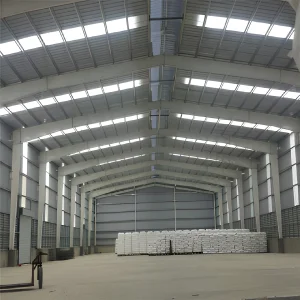
Engineered up to 60 meters wide without internal columns. This provides 100% usable interior space, making it ideal for massive aircraft hangars, machinery storage, and indoor equestrian arenas.
Custom-engineered to withstand localized environmental challenges. This includes calculating for high-velocity hurricane zones (up to 250 km/h) and heavy snow loads in sub-arctic regions.
Equipped with hot-dip galvanized steel framing and multi-layered paint finishes. These coatings resist ammonia corrosion in livestock facilities, as well as marine-grade rust in coastal environments.
High-Strength Steel Grade
Design Life expectancy
Wind Resistance Rating
Recyclable Materials
For global buyers, purchasing steel structures from international suppliers requires careful attention to regulatory compliance. Aligning fabrication with local building codes is essential for smooth permitting and long-term structural safety.
Exported steel structures bound for the United States and Canada must meet the American Institute of Steel Construction (AISC) standards and the International Building Code (IBC). In these regions, calculations must account for seismic design categories (A through F) and wind-borne debris protection. Selecting a supplier that uses ASTM-certified materials ensures your building will pass local inspections and stand up to regional weather events.
Projects in the EU and UK must align with Eurocode 3 (EN 1993) for structural steel design. This requires strict attention to detail in weld sizing, plate thickness tolerances, and CE/UKCA marking certification. Ensuring these certifications are in place guarantees that the steel can be legally erected on-site, giving project managers and developers peace of mind during installation.
The Australian and New Zealand building codes demand high wind-loading capabilities due to frequent cyclonic activity. Structural designs must comply with AS/NZS 1170, which outlines strict requirements for structural joints, high-tensile connection bolts, and corrosion-resistant coatings. These protective measures are essential for withstanding the region's intense UV exposure and highly corrosive marine air.
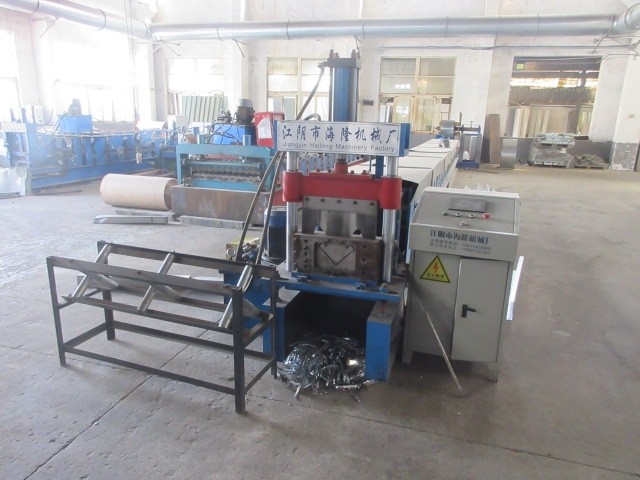
Thanks to their adaptable modular design and durable construction, steel barns are used across a wide variety of industries worldwide.
Designed for automated dairy, poultry, and swine farming, these barns feature integrated climate control, waste management channels, and insulated sandwich panel walls to protect livestock health.
Engineered for high-volume commercial storage and distribution hubs, these structures support heavy overhead cranes, multi-tier racking systems, and large loading docks for efficient operations.
Combining aesthetic appeal with structural performance, these clear-span buildings are used for equestrian centers, sports arenas, and light-gauge steel luxury villas for tourist resorts.
The steel fabrication industry is evolving rapidly, driven by digital design tools, robotics, and a growing focus on environmental sustainability.
Integrating artificial intelligence with Building Information Modeling (BIM) to reduce raw material waste, speed up design phases, and optimize structural loading profiles.
Transitioning to low-carbon, hydrogen-produced steel and using 100% recyclable components to meet strict global environmental standards and building regulations.
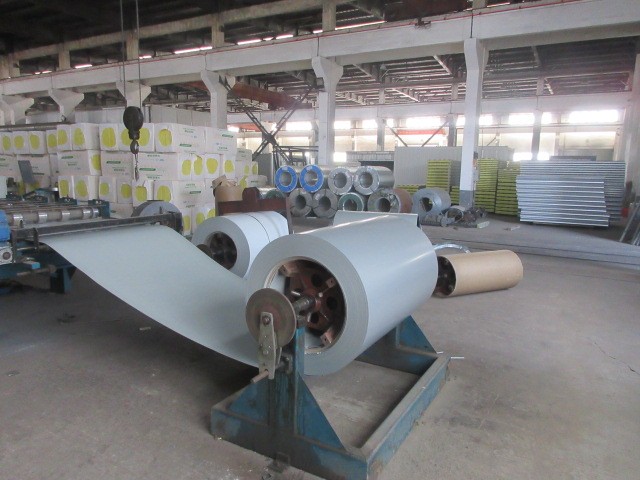
Utilizing fully automated welding and CNC cutting lines to ensure millimeter-level precision across every structural beam, column, and connection plate.
Pre-installing IoT sensors and automated building management systems directly into the wall panels during production to easily monitor structural health, temperature, and humidity.
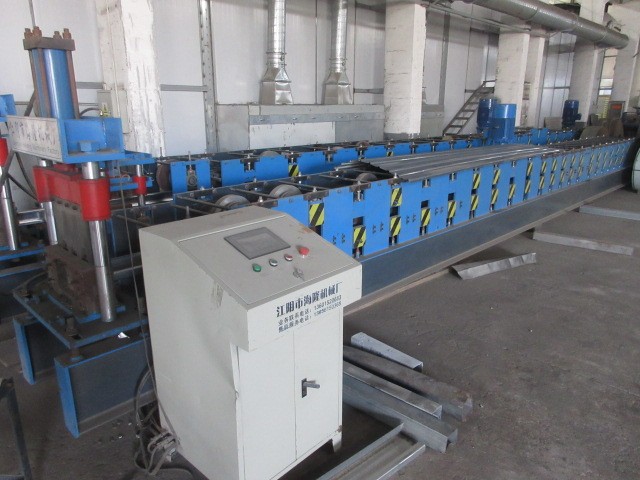
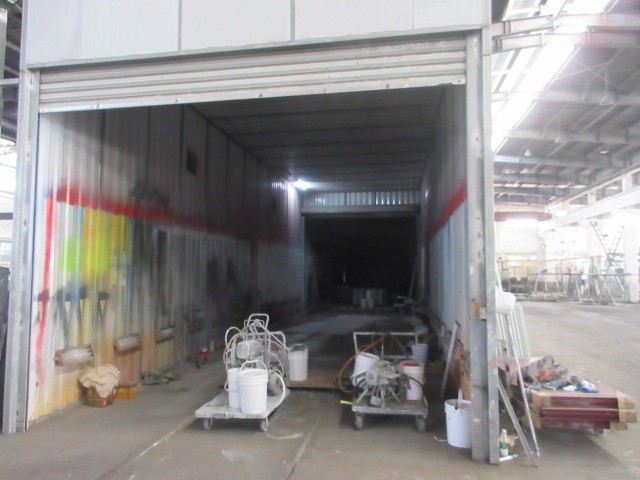
Foshan Umo House Co., Ltd. is a professional manufacturer specializing in steel structure houses, prefabricated steel buildings, modular housing systems, and customized construction solutions in China. With extensive industry experience and advanced manufacturing capabilities, we provide durable, efficient, and sustainable building solutions for residential, commercial, industrial, and institutional projects worldwide.
Our comprehensive product portfolio includes steel structure houses, prefabricated homes, modular buildings, steel frame villas, portable houses, expandable homes, labor camps, site offices, warehouses, workshops, commercial buildings, schools, hospitals, dormitories, agricultural buildings, and customized steel construction projects. Every solution is engineered to deliver rapid installation, superior structural performance, cost efficiency, and long service life.
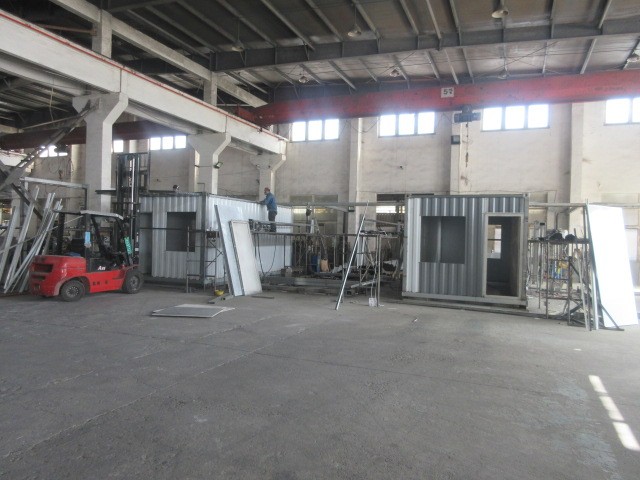
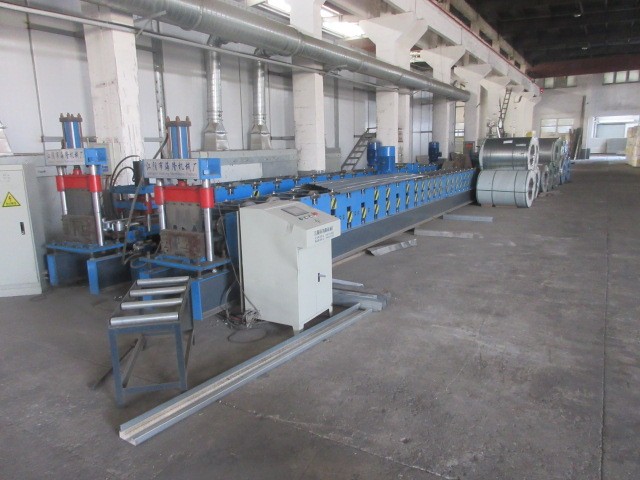
At Umo House, we utilize advanced production equipment and precision manufacturing technologies to ensure every component meets strict international quality standards. Our experienced engineering team provides complete OEM and ODM services, supporting customized architectural design, structural calculations, insulation systems, roofing, wall panels, electrical layouts, plumbing, interior finishing, and project-specific requirements.
Built with premium galvanized steel structures and high-performance building materials, our products offer excellent resistance to corrosion, earthquakes, strong winds, and harsh weather conditions. They also provide outstanding thermal insulation, energy efficiency, and low maintenance, making them suitable for both temporary and permanent construction applications.
Our steel structure solutions are widely used in residential communities, commercial complexes, industrial facilities, logistics centers, mining camps, construction sites, tourism resorts, educational institutions, healthcare projects, government infrastructure, and emergency relief programs. We continuously invest in research, product innovation, and manufacturing optimization to meet the evolving needs of global customers.
Today, Foshan Umo House exports its products to Europe, North America, South America, Southeast Asia, the Middle East, Africa, and Oceania, building long-term partnerships with contractors, developers, distributors, and engineering companies around the world.
As a trusted steel structure house manufacturer in China, Foshan Umo House is committed to delivering premium-quality products, competitive pricing, flexible customization, reliable project support, and on-time delivery. We strive to provide innovative modular construction solutions that create lasting value for customers across the global market.
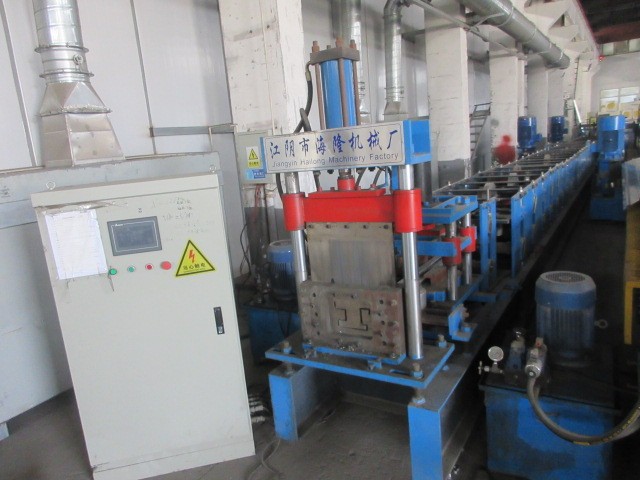
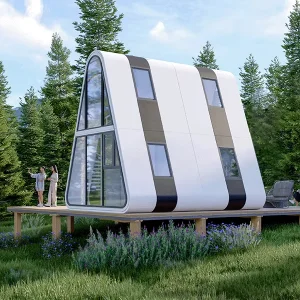
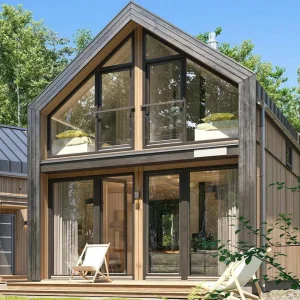
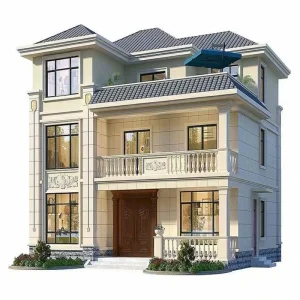
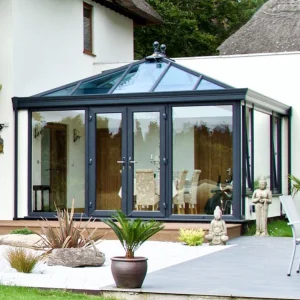
Browse our collection of structural villas, modular homes, glass rooms, and heavy-duty steel warehouses designed to meet diverse architectural and commercial needs.
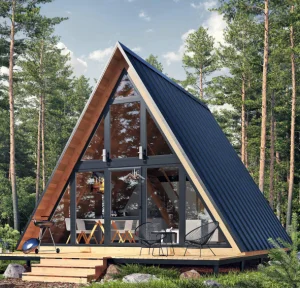
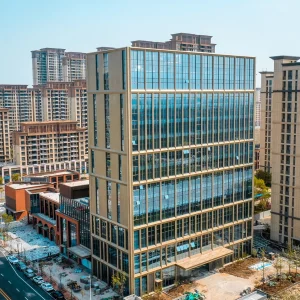
Get answers to the most common questions about selecting, importing, erecting, and maintaining pre-engineered steel barns and modular structures.
Steel barns offer larger clear spans, superior fire resistance, and require minimal long-term maintenance. Unlike wood, steel does not rot, warp, or attract termites, making it a much more durable and cost-effective option over time.
Every building is designed using advanced structural modeling tools like Tekla and SAP2000. Calculations are tailored to the buyer's local building codes (such as AISC, Eurocode, or AS/NZS), taking into account local wind speeds, snow loads, and seismic activity.
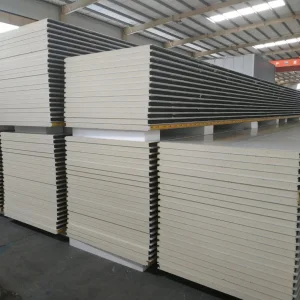
We offer a range of insulation solutions, including Polyurethane (PU), Glasswool, and Rockwool sandwich panels. For livestock applications, PU sandwich panels are highly recommended for their excellent thermal performance and moisture resistance.
All structural steel components are either hot-dip galvanized or treated with high-durability epoxy primers and polyurethane topcoats. These coatings protect the steel from corrosive environments, such as ammonia gases found in poultry and dairy farming.
Once the design is finalized, manufacturing typically takes 30 to 45 days. Components are carefully packed into shipping containers (such as 40ft OT or HQ containers) and shipped to ports worldwide, including regions across Europe, North America, the Middle East, and Oceania.
 Umo House