Engineered for speed, durability, and strict international structural standards
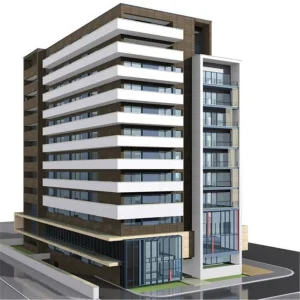
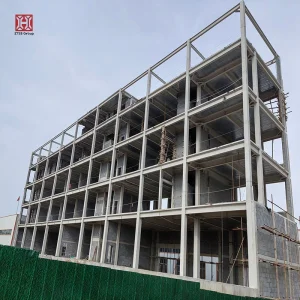
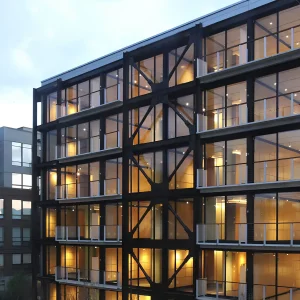
In the current macroeconomic environment, industrial and commercial real estate developers face a structural choice: demolish and build anew, or renovate and retrofit. According to recent infrastructure studies, steel building renovation offers up to a 60% reduction in carbon footprint and a 40% reduction in capital expenditure compared to greenfield developments. The reuse of structural steel frames combined with high-efficiency modern cladding systems has emerged as the premier strategy for institutional real estate managers aiming for ESG compliance and rapid asset revitalization.
SEO Insight & Information Gain: While standard articles focus purely on minor building updates, true E-E-A-T requires evaluating the lifecycle carbon assessment (LCA) of structural steel frame reuse. Utilizing high-durability hot-dip galvanized members (such as Q355B or Q235B) can extend a structure’s operational lifespan by 50+ years.
Globally, three major trends drive the demand for structural steel renovations:
B2B buyers, EPC contractors, and development organizations look beyond price per ton. They prioritize factories that offer complete, end-to-end engineered solutions. A reliable steel renovation exporter must handle precise measurements (often captured via 3D laser scanning or LiDAR on-site), structural analysis under specialized loading conditions, and smooth modular integration.
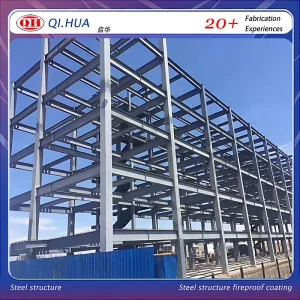
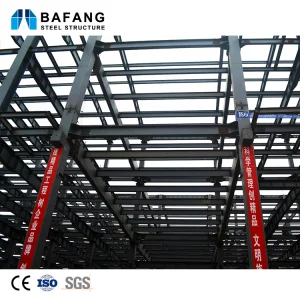
Verification of existing foundations and frame capabilities using advanced Finite Element Analysis (FEA) and Tekla Structures BIM models.
Replacing deteriorated wall panels with high-durability sandwich panels designed for thermal insulation and fire safety.
Upgrades verifying structures conform to international codes (AISC, Eurocode, GB, AS/NZS) for seismic, snow, and wind load demands.
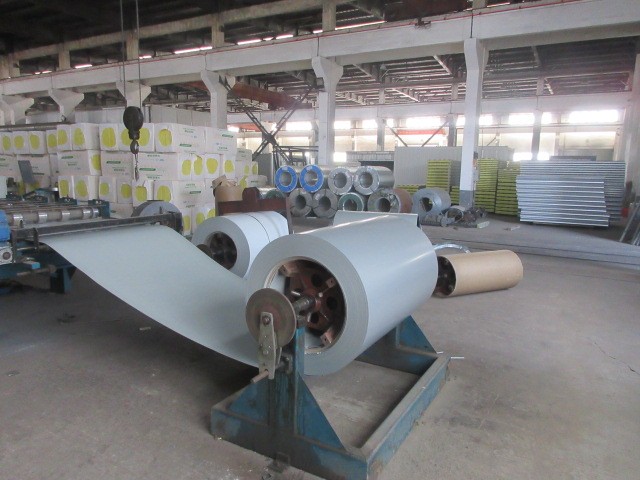
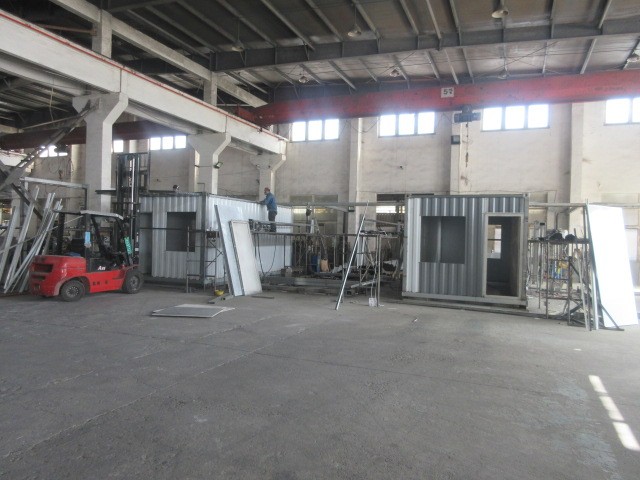
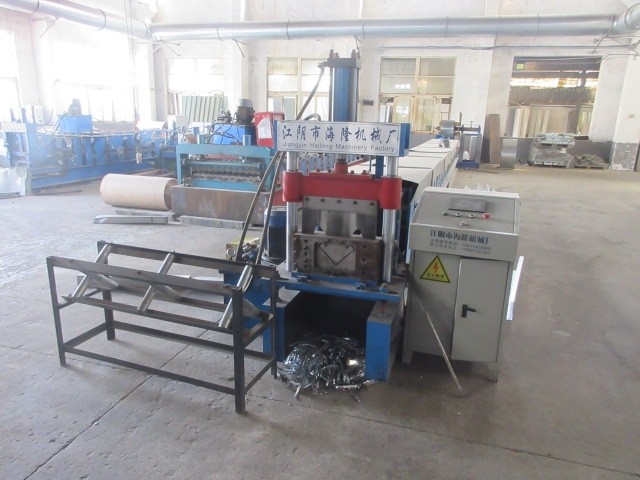
In the global market, China-based steel fabrication facilities have transitioned from simple component manufacturers to highly digitalized smart factories. These "Factory 4.0" setups combine automation, advanced robotics, and deep supply chain integration to resolve issues with lead times and design tolerances.
With automated robotic welding systems, CNC plasma cutting tables, and integrated BIM modeling software, manufacturers like Foshan Umo House Co., Ltd. ensure that prefabricated elements are produced to exact sub-millimeter tolerances. This precision is critical for renovation projects where new steel members must fit onto existing columns and foundations on site without requiring costly field cutting or welding modifications.
For procurement officers, choosing a supplier requires evaluating key technical criteria:
Foshan Umo House Co., Ltd. is a professional manufacturer specializing in steel structure houses, prefabricated steel buildings, modular housing systems, and customized construction solutions in China. With extensive industry experience and advanced manufacturing capabilities, we provide durable, efficient, and sustainable building solutions for residential, commercial, industrial, and institutional projects worldwide.
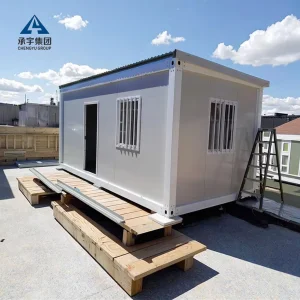
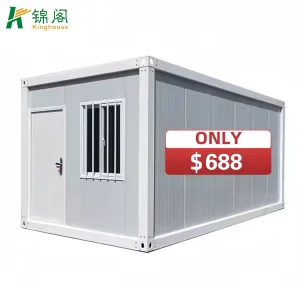
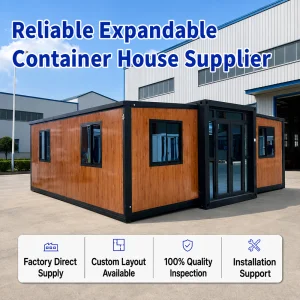
Our comprehensive product portfolio includes steel structure houses, prefabricated homes, modular buildings, steel frame villas, portable houses, expandable homes, labor camps, site offices, warehouses, workshops, commercial buildings, schools, hospitals, dormitories, agricultural buildings, and customized steel construction projects. Every solution is engineered to deliver rapid installation, superior structural performance, cost efficiency, and long service life.
At Umo House, we utilize advanced production equipment and precision manufacturing technologies to ensure every component meets strict international quality standards. Our experienced engineering team provides complete OEM and ODM services, supporting customized architectural design, structural calculations, insulation systems, roofing, wall panels, electrical layouts, plumbing, interior finishing, and project-specific requirements.
Built with premium galvanized steel structures and high-performance building materials, our products offer excellent resistance to corrosion, earthquakes, strong winds, and harsh weather conditions. They also provide outstanding thermal insulation, energy efficiency, and low maintenance, making them suitable for both temporary and permanent construction applications.
Our steel structure solutions are widely used in residential communities, commercial complexes, industrial facilities, logistics centers, mining camps, construction sites, tourism resorts, educational institutions, healthcare projects, government infrastructure, and emergency relief programs. We continuously invest in research, product innovation, and manufacturing optimization to meet the evolving needs of global customers.
Today, Foshan Umo House exports its products to Europe, North America, South America, Southeast Asia, the Middle East, Africa, and Oceania, building long-term partnerships with contractors, developers, distributors, and engineering companies around the world.
As a trusted steel structure house manufacturer in China, Foshan Umo House is committed to delivering premium-quality products, competitive pricing, flexible customization, reliable project support, and on-time delivery. We strive to provide innovative modular construction solutions that create lasting value for customers across the global market.
Steel building renovations require careful adaptation to regional weather profiles, zoning laws, and local seismic parameters. Standardized modular systems must be configured to meet site-specific environment challenges:
In regions such as the US Midwest or Northern Canada, renovations must account for heavy snow accumulation and extreme wind gusts. Structural steel framing calculations require the use of high-strength structural profiles like Q355B hot-dip galvanized steel to prevent structural fatigue or collapse under extreme roof loading conditions.
European retrofitting focuses heavily on lowering thermal transfer coefficient values (U-values). Standard renovations replace aging single-skin metal walls with advanced high-performance PU (Polyurethane) sandwich panels. These systems provide excellent thermal insulation while maintaining fire safety standards according to EN 13501-1 certification.
In coastal desert areas, high humidity, salt mist, and extreme daytime temperatures cause rapid rust formation on standard structural steel. Renovating these facilities requires hot-dip galvanization with a minimum zinc coating thickness of 85 microns, coupled with high-durability fluorocarbon (PVDF) paint systems to ensure an extended operational service life.
Critical engineering and procurement questions answered by leading structural specialists
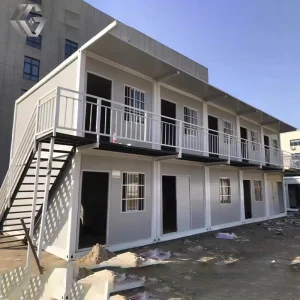
Premium prefabricated structures designed for immediate deployment and global transport
 Umo House