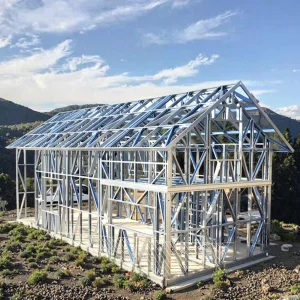
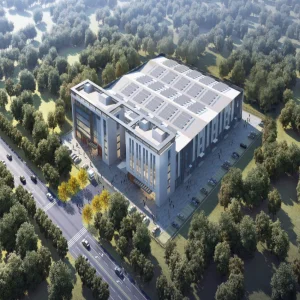
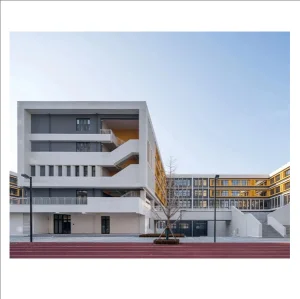
Discover our top-tier prefabricated modules, light-gauge steel frames, and portable architectural projects engineered to international standards.
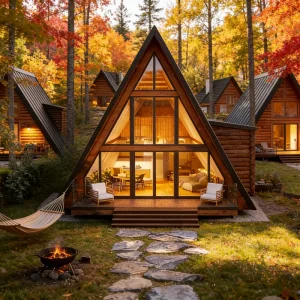
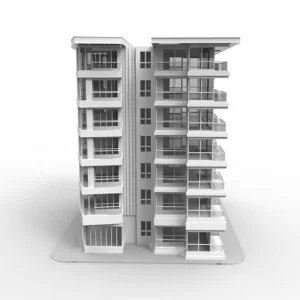
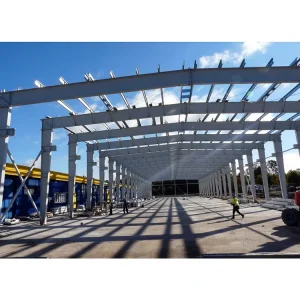
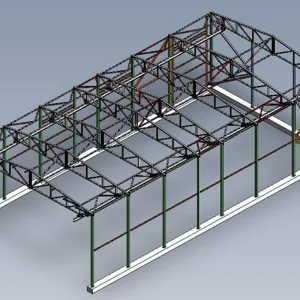
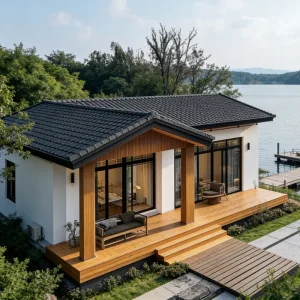
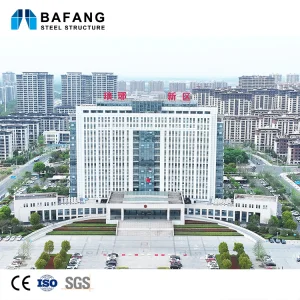
Foshan Umo House Co., Ltd. stands at the forefront of industrialized off-site construction, operating as a top trusted custom steel structure building factory and supplier in China. Leveraging state-of-the-art structural calculation tools, high-capacity automated production lines, and an integrated supply chain, we engineered solutions for the residential, commercial, industrial, and institutional sectors. Under rigorous global verification pipelines, we conceptualize and build durable, highly efficient, and resource-saving modular housing structures designed for structural permanence.
Our structural capabilities cover all manufacturing phases. We operate specialized divisions focused on hot-dip galvanized structural profiles, cold-formed light-gauge steel (LGS) systems, high-rise structural designs, and complex multi-span industrial structures. With extensive industrial experience and advanced design technology, Umo House works closely with international structural engineers, real estate developers, and municipal contractors. We ensure every panel, frame, and column meets the project-specific load capacities, seismic tolerances, and insulation profiles requested by the client.
Our capabilities encompass customized architectural design, detailed engineering modeling (BIM), structural testing, internal and external wall panelling configurations, specialized thermal barrier integrations, and built-in MEP (Mechanical, Electrical, Plumbing) system routing. Key highlights of our standard and customizable range include:
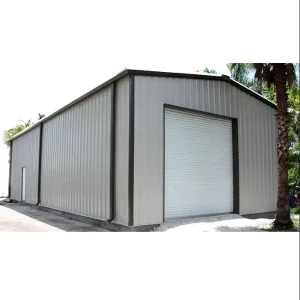
Modern developers encounter persistent obstacles: unpredictable field labor prices, restrictive environmental regulations on traditional building methods, and shorter development schedules. Umo House addresses these challenges by moving construction off-site. Our prefabricated custom steel structure buildings optimize site work to a fraction of the traditional timeline. The portal frames, primary H-beams, secondary C/Z purlins, and wall framing are manufactured in our ISO-certified facilities and shipped directly to the building site. This prevents weather-related delays, minimizes on-site material waste, and reduces local environmental impact, facilitating compliance with green building standards (such as LEED or BREEAM).
Managing international logistics for structural steel demands precision and strategic planning. Global purchasing departments require absolute certainty regarding material tracking, anti-rust protective coatings, and structural integrity. At Umo House, we run a reliable logistics system. Every export order is packed and secured using custom steel pallets or specialized open-top/high-cube containers. This process protects structural members from salt spray and structural damage during ocean transit.
We provide full structural steel trace sheets, mill test reports (MTRs), and compliance certificates for global import clearings. Furthermore, our customized structural packages include easy-to-follow, color-coded assembly drawings and comprehensive 3D step-by-step layout guides. For large-scale projects, we also provide remote video engineering support or dispatch experienced construction supervisors to the job site to guide local assembly crews.
A major concern for international building developers is whether Chinese manufactured steel structures will pass strict local building inspections. To resolve this, Foshan Umo House constructs all products in alignment with prevailing international codes:
By engineering to these high standards, our structures can withstand major wind loads (up to Category 5 hurricanes/typhoons), heavy snow loads, and active seismic movements (up to Grade 8/Zone 4 seismic criteria).
Our manufacturing utilizes high-strength hot-dip galvanized steel framing and premium G550 LGS studs. This substrate is highly resistant to structural oxidation, rot, and termite infestations, which frequently degrade wood-framed projects. To maximize the energy efficiency of our structures, we integrate composite wall systems. These combine fire-rated rockwool, PIR (polyisocyanurate), or PU (polyurethane) sandwich core panels with specialized moisture barrier membranes. The resulting thermal performance minimizes HVAC operating costs, making the buildings comfortable in both sub-zero Arctic and arid desert climates.
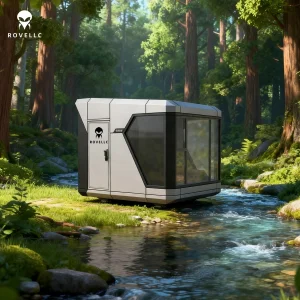
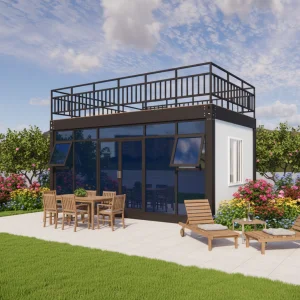
Moving forward, Umo House is integrating new technologies into our production lines. Our future technical roadmap includes implementing automated CNC manufacturing lines directly linked to BIM software (LGS 3D modeling programs). This integration reduces manufacturing tolerances to under 0.5mm, ensuring fast and hassle-free assembly on site. We are also expanding our eco-friendly designs by integrating smart-grid systems, solar PV roofing layers, and rainwater harvesting features directly into our prefabricated mobile capsule houses and resort villas.
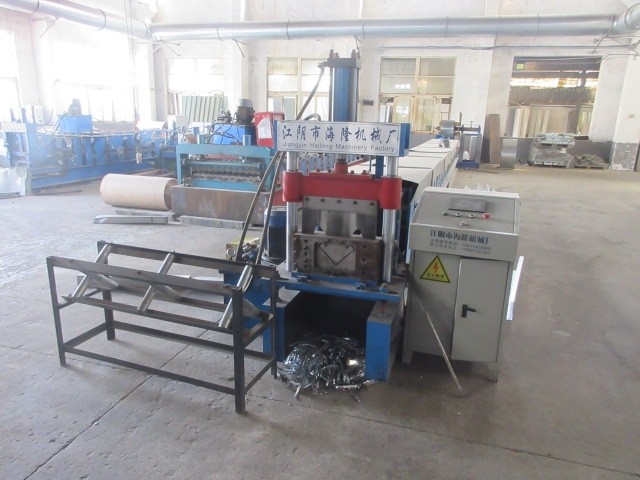
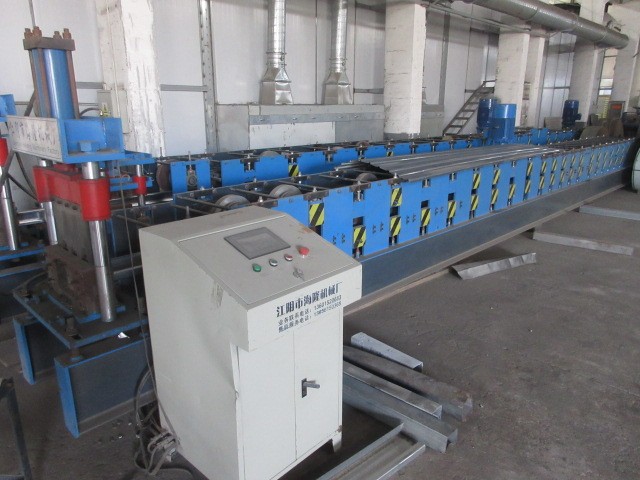
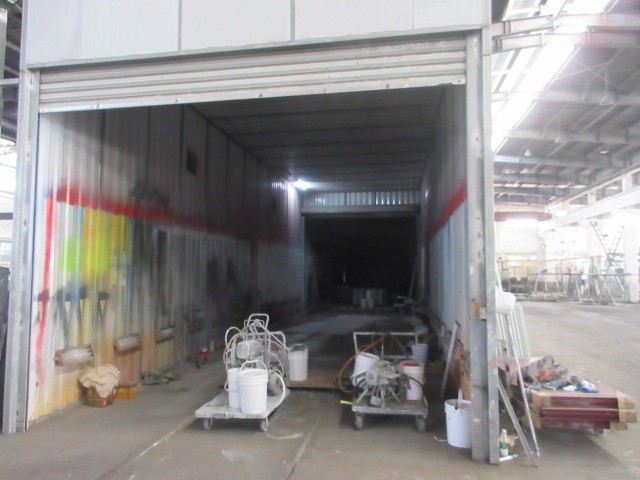
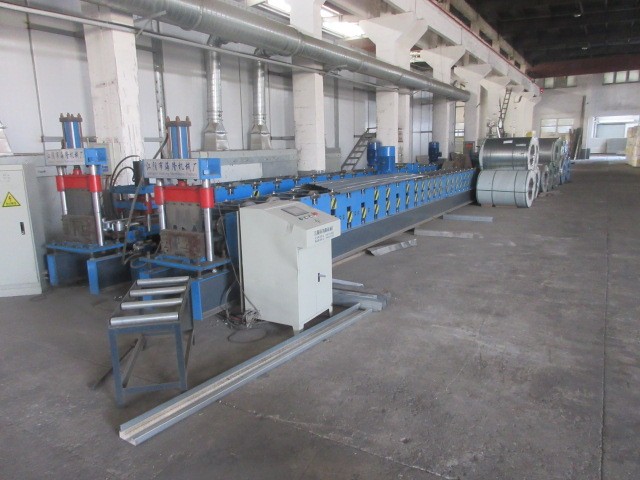
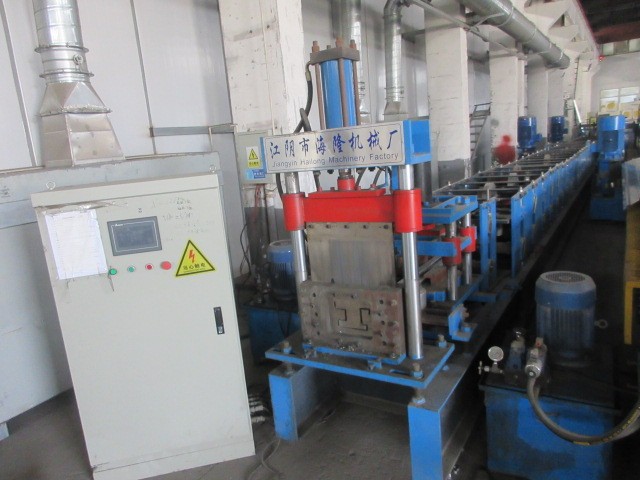
Take a look inside our manufacturing processes, showcasing structural quality control, precision welding, and component modular assembly testing.
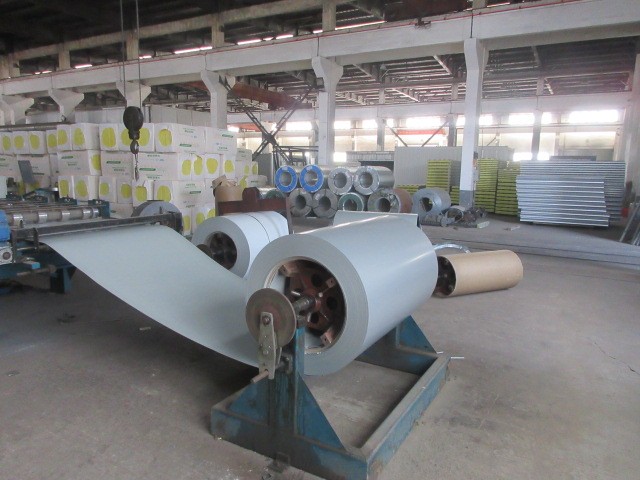
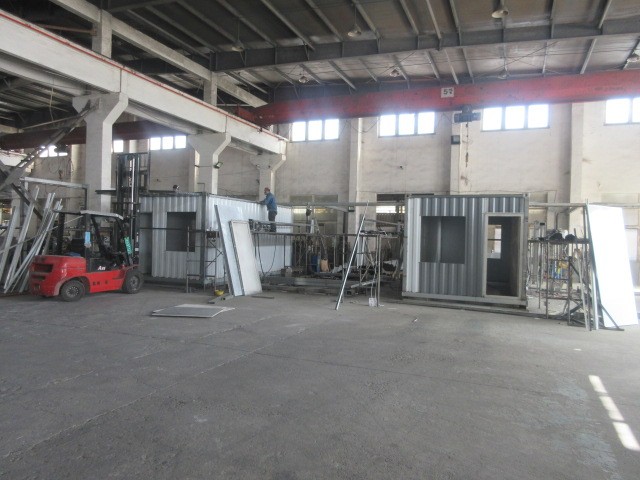
Critical engineering, commercial, and logistical questions answered by our structural design department.
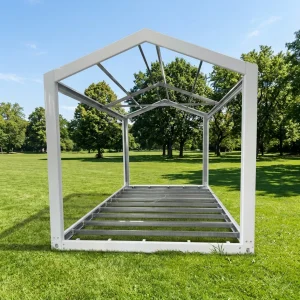
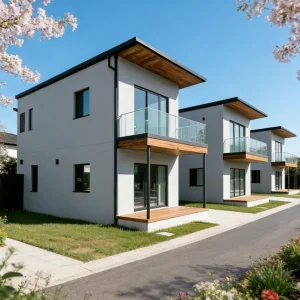
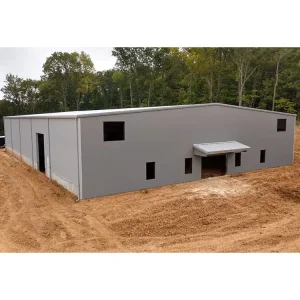
Our second selection of structural systems, specialized container frames, and heavy-duty industrial warehouses.
 Umo House