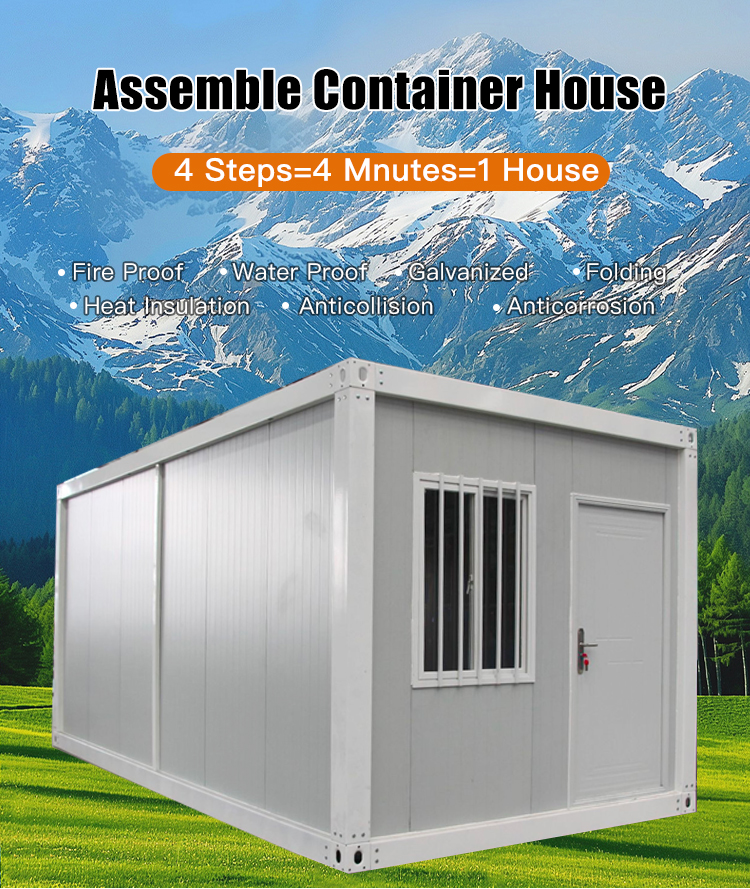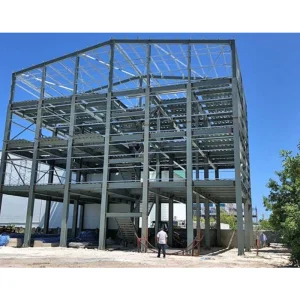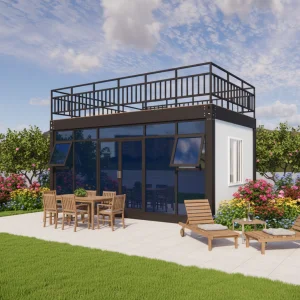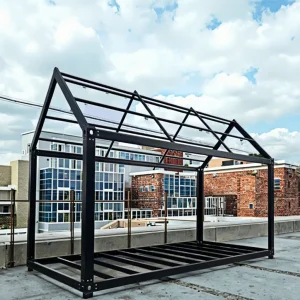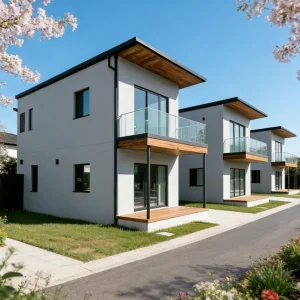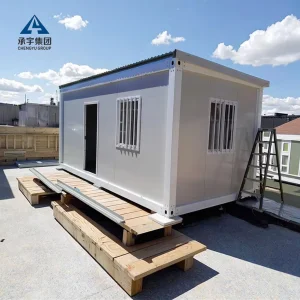
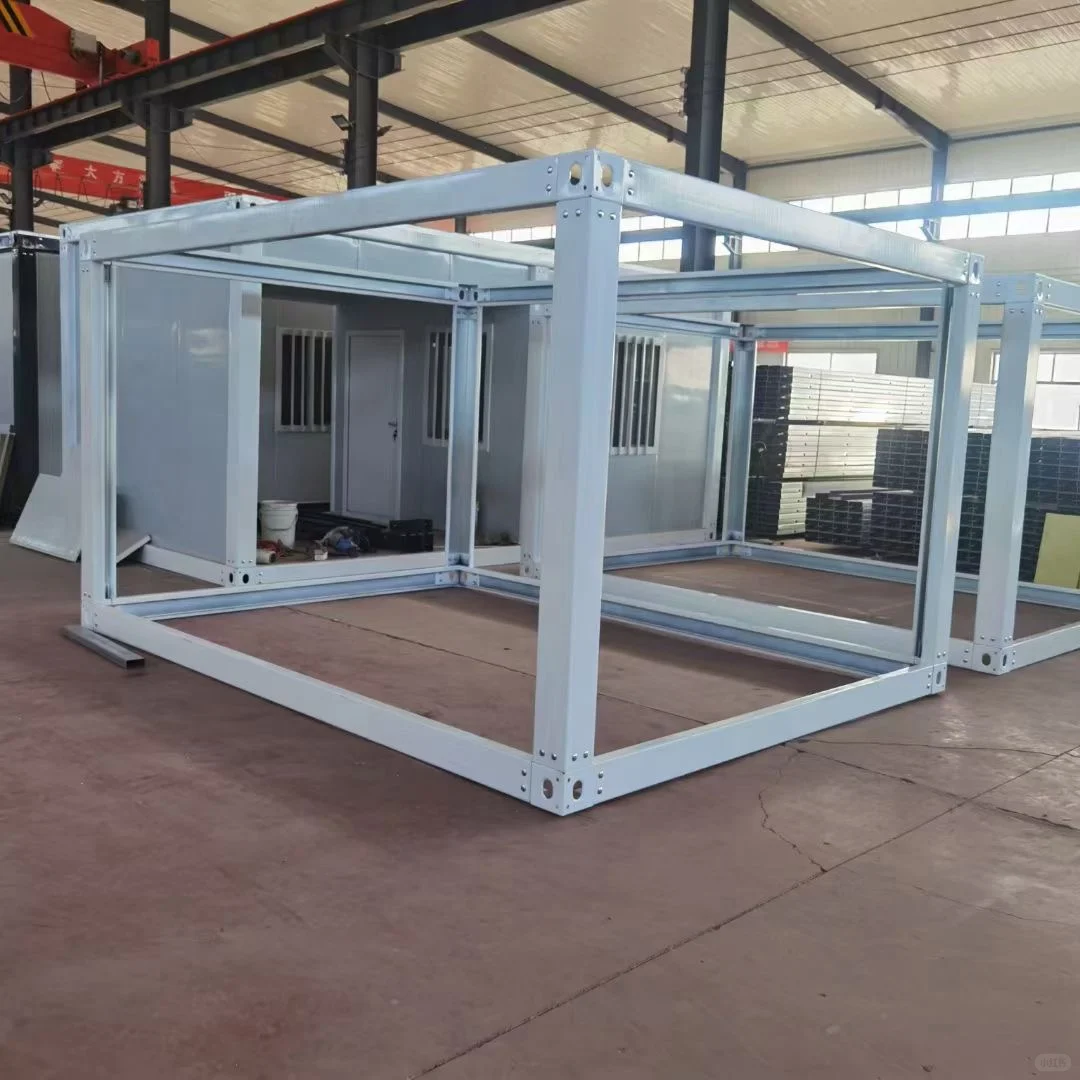
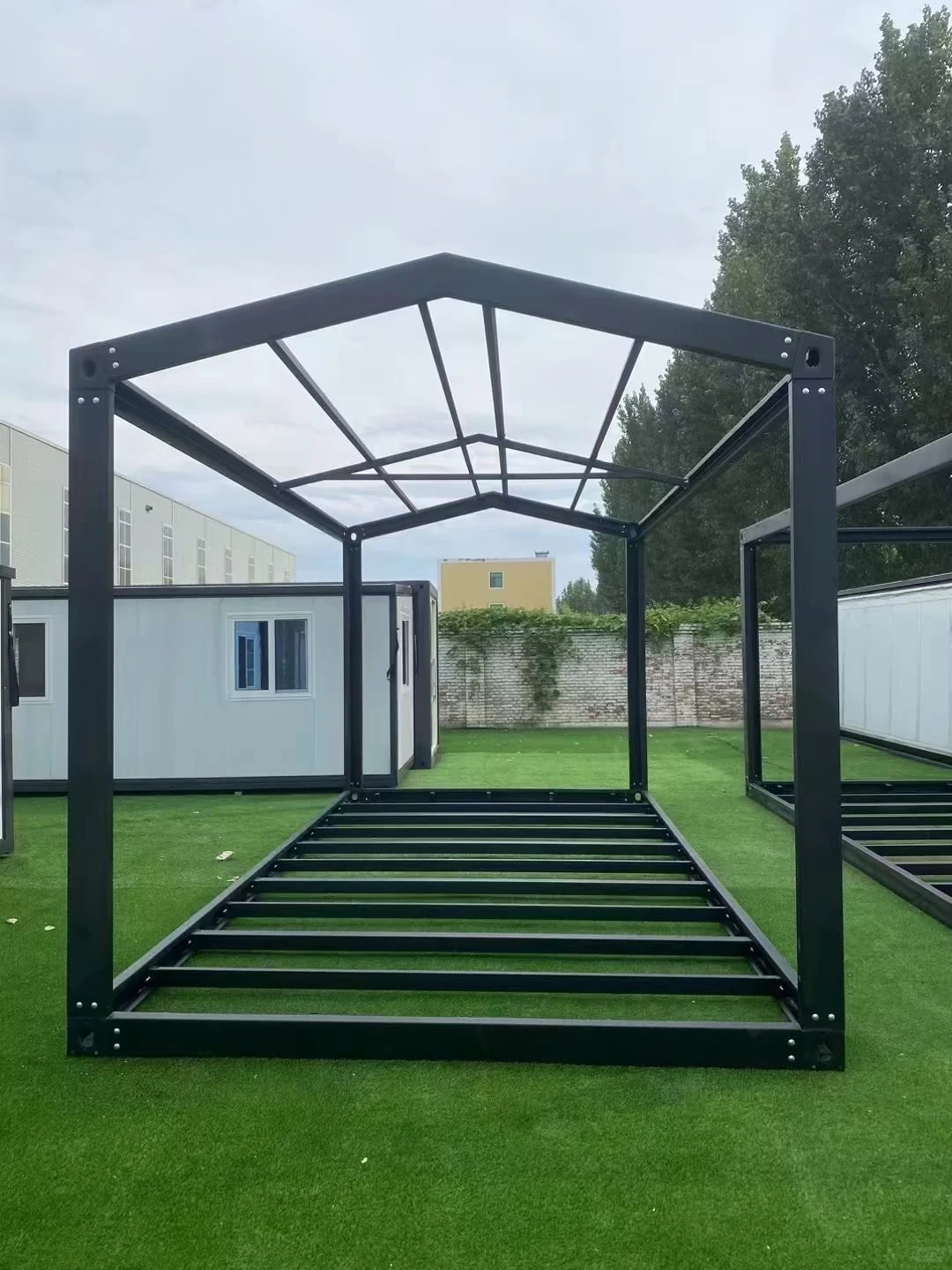
Standard Size Breathable Modern Industrial Steel Frame For Detachable Container House Exterior Park Outdoor Warehouse Use

Product Description

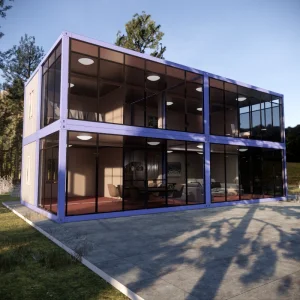
Assembled Container House
Advantage of Our Assembled Container House
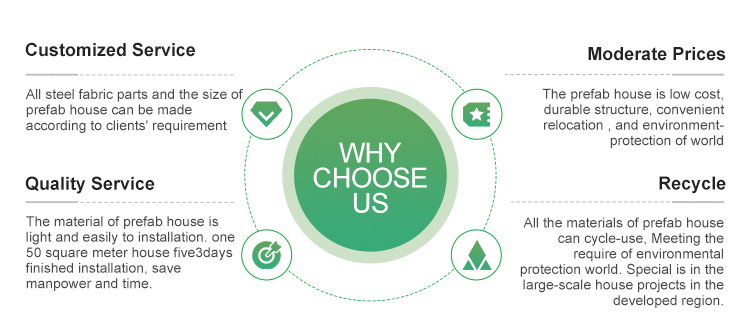
  • All steel fabric parts and the size of prefab house can be made according to clients' requirement.
  • The prefab house is low cost, durable structure, convenient relocation, and environmental protection of the world.
  • The material of prefab house is light and easily to installation. One 50 square meter house can be finished installation in 5 days, saving manpower and time.
  • All the materials of prefab house can be cycle-used, meeting the requirements of environmental protection worldwide, especially in large-scale house projects in developed regions.
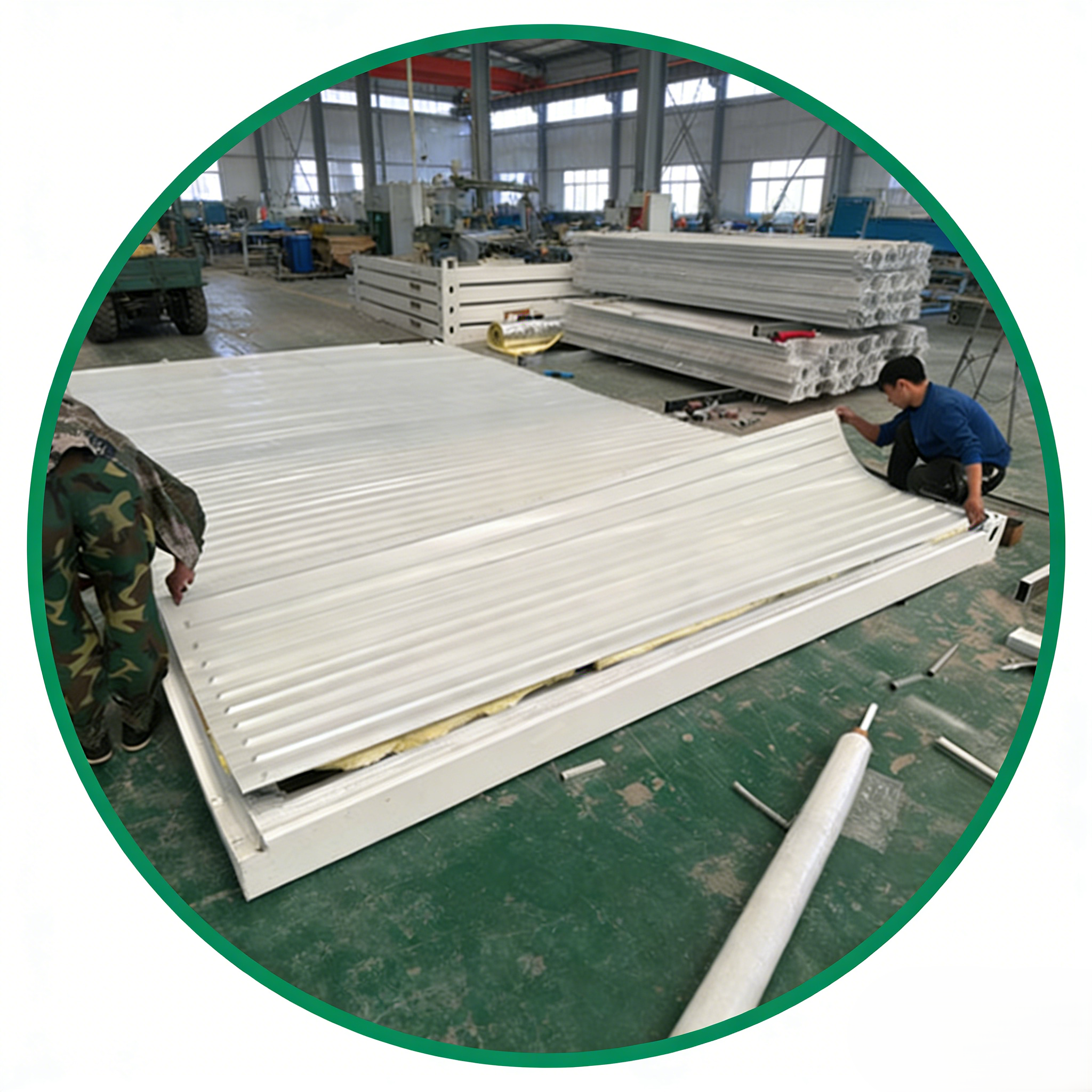
  • We use high quality galvanized sheet and foam as the materials of the wall and roof. Therefore, the house is excellent for fireproofing, waterproofing, etc.
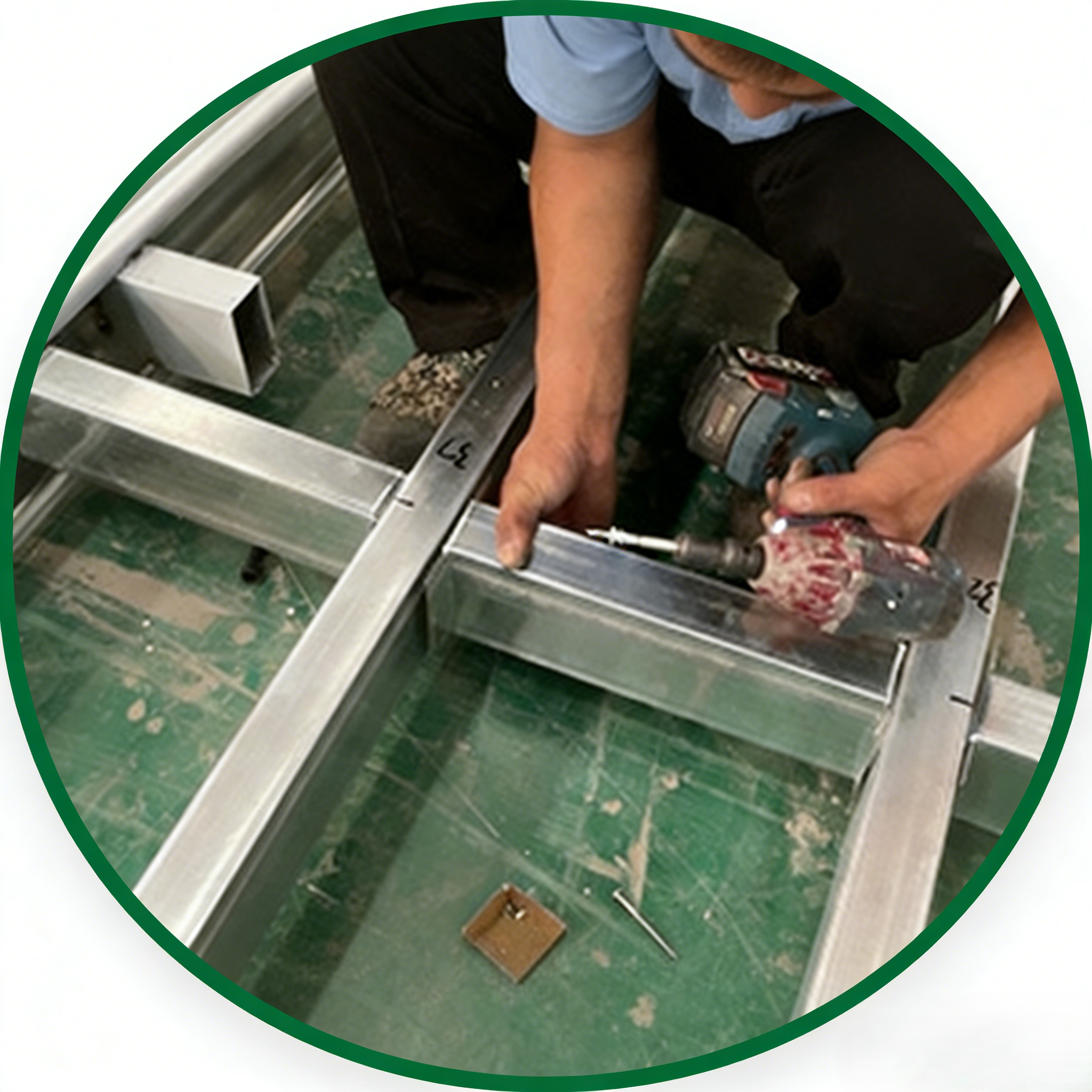
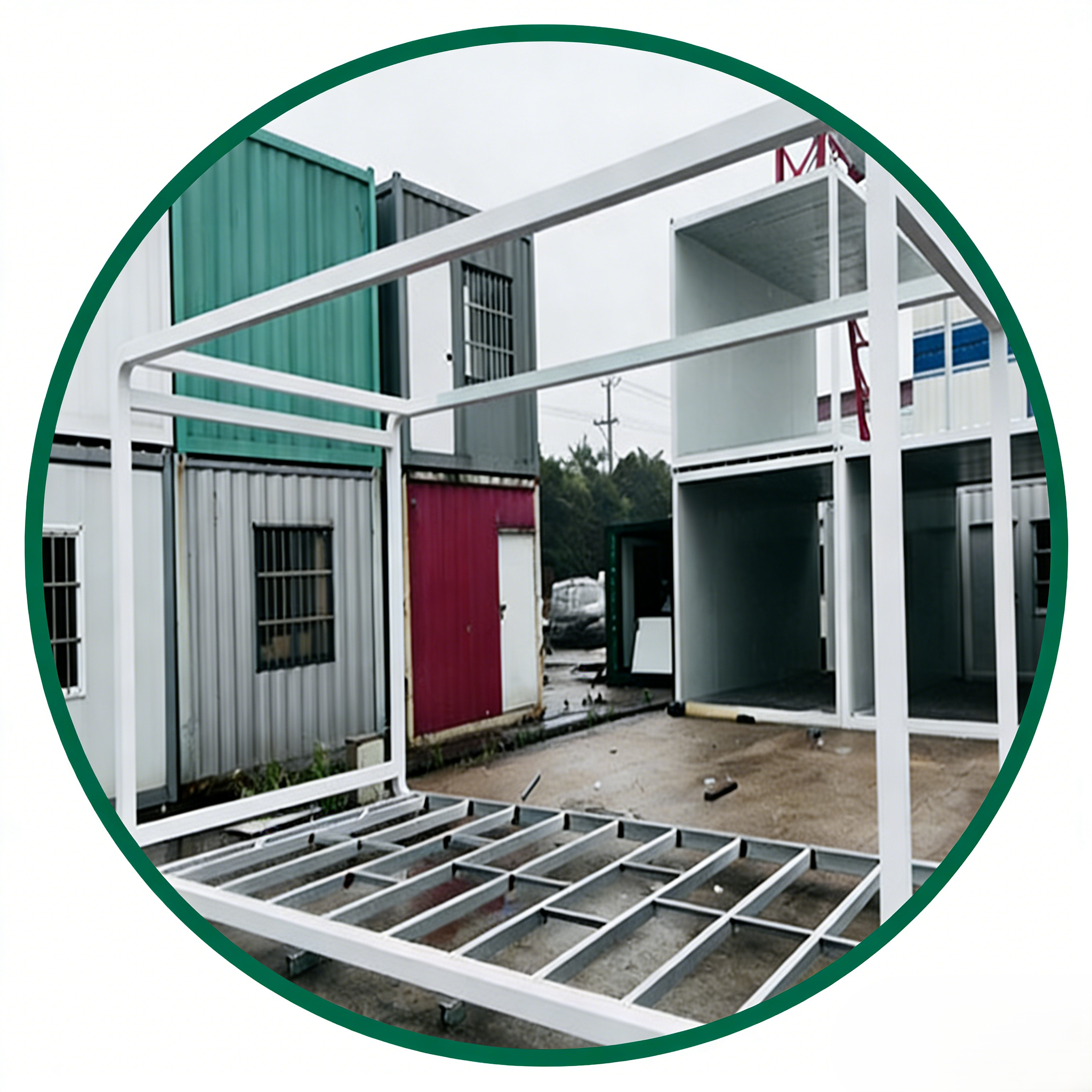
  • Support frame system of steel prefab house utilizes Q235B standard steel structural, square tube steel, etc.
Product Details
Protected wall aesthetics
The wall is protected and decorated to achieve superior aesthetics, durability, and functionality.
Heat preservation and insulation
Heat preservation and insulation, convenient installation, earthquake-resistant, waterproof and moisture-proof.
Anti-corrosion performance
Excellent anti-corrosion performance, high strength, and reliable welding performance.
Double-layer hollow design
Double-layer hollow design, good sealing performance, heat insulation, sound insulation, noise reduction, and safety performance.

Note: All our products can be customized. If you need better configuration, or other special requirements, please consult our staff.
Steel Specifications
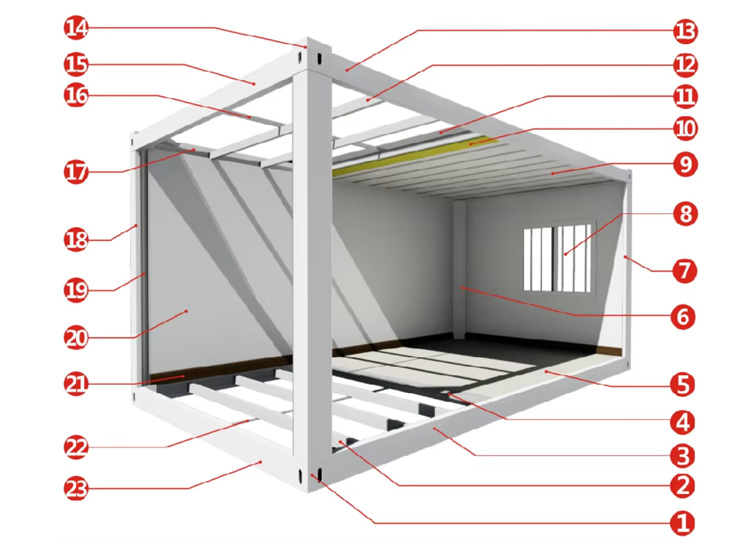
Q235B Steel frame details

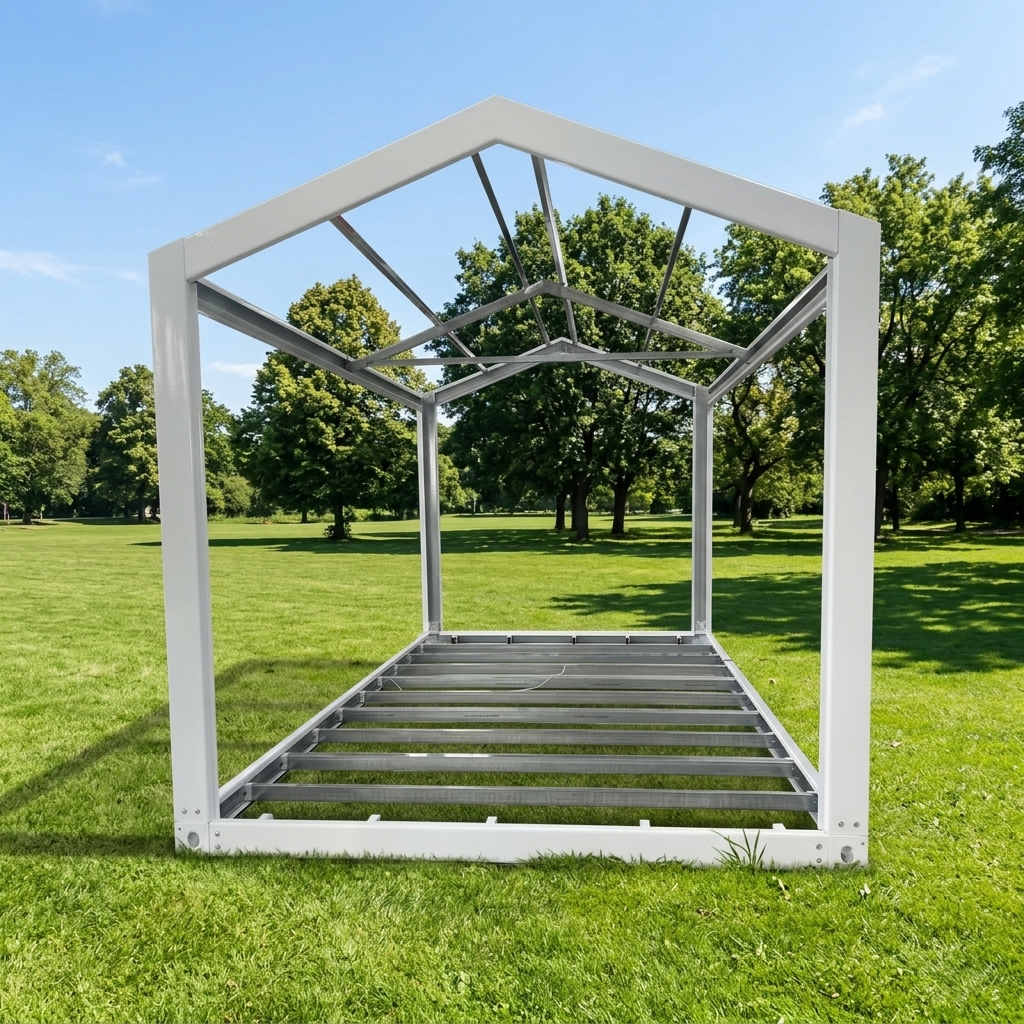
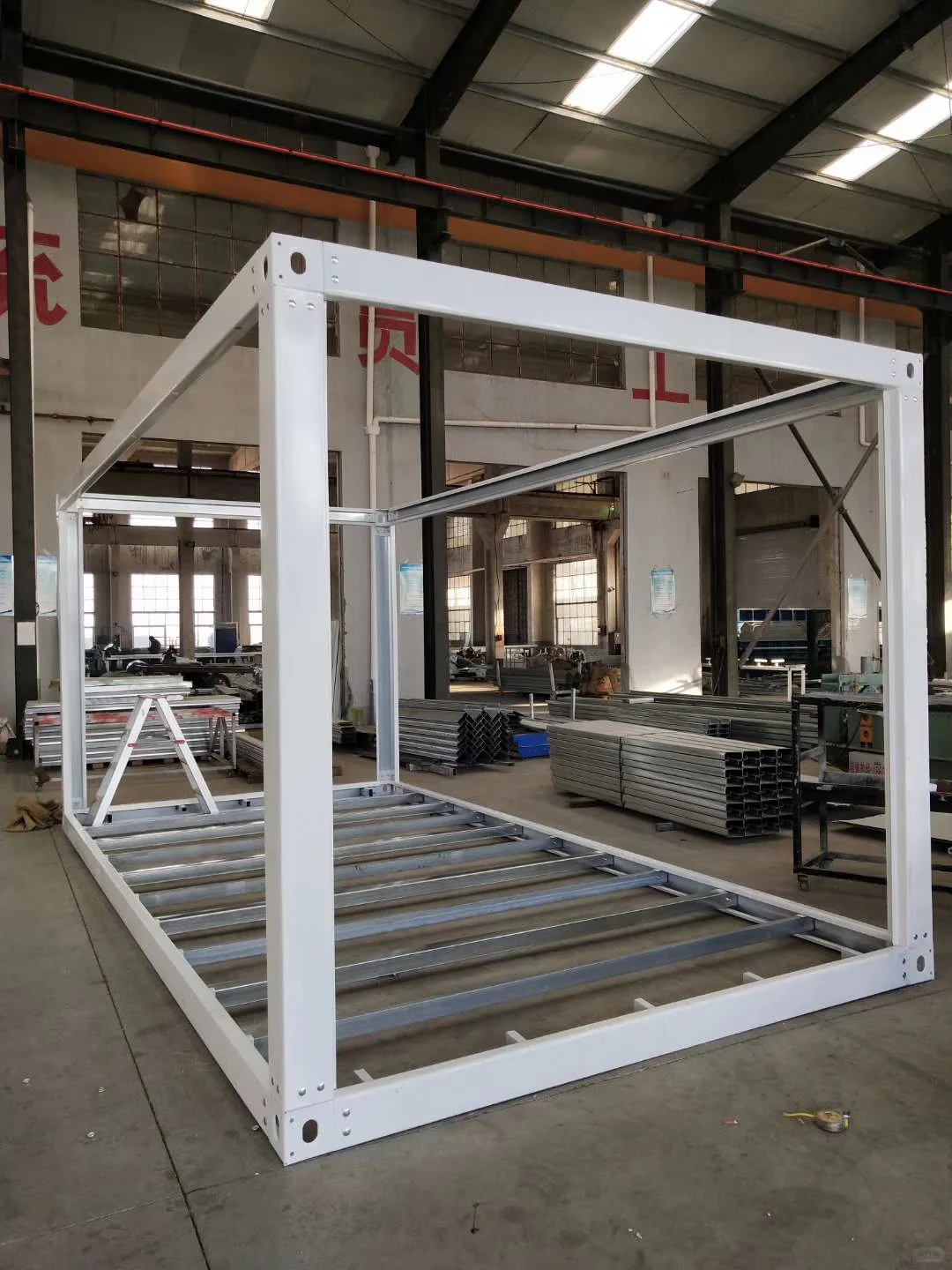
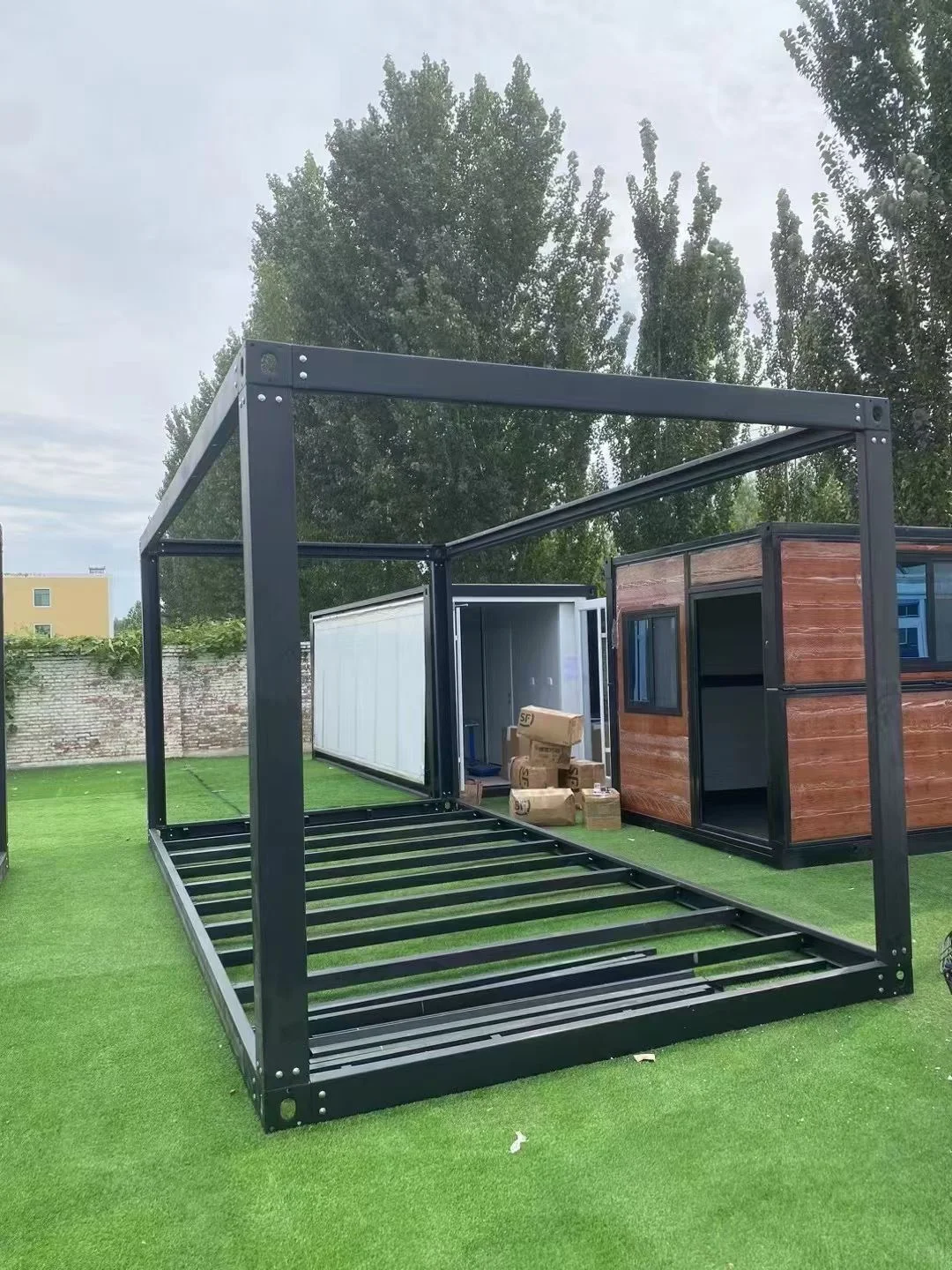
Steel: Q235B Stainless Steel, 2.3mm. Q235B has specific elongation, strength, good toughness and castability. It is easy to punch and weld, and is widely used in the manufacture of general mechanical parts. It is mainly used for welded structural parts with high quality requirements in construction and bridge engineering.

1. Bottom frame corners 2. Bottom frame secondary beam (12*2.0 C-shaped steel) 3. Bottom frame long side beam (5635mm)
4. Cement fiber board (18mm) 5. 2mm PVC Carpet 6. Column cover (2600mm)
7. Column (2535mm) 8. UPVC windows + anti-theft net 9. Ceiling color steel plate
10. Glass wool insulation layer 11. Roofing color steel plate (0.45mm) 12. Top frame secondary beam
13. Top frame long side beam (5635mm) 14. Top frame corners 15. Top frame short side beam (2690mm)
16. Top frame secondary beams 17. Top frame long side beam (5635mm) 18. Column (2535mm)
19. 50mm diameter drain pipe 20. Rock wool sandwich panel (75mm) 21. Skirting lines
22. Bottom tie beam square tube 23. Bottom frame short side beam (2690mm)
What's Included
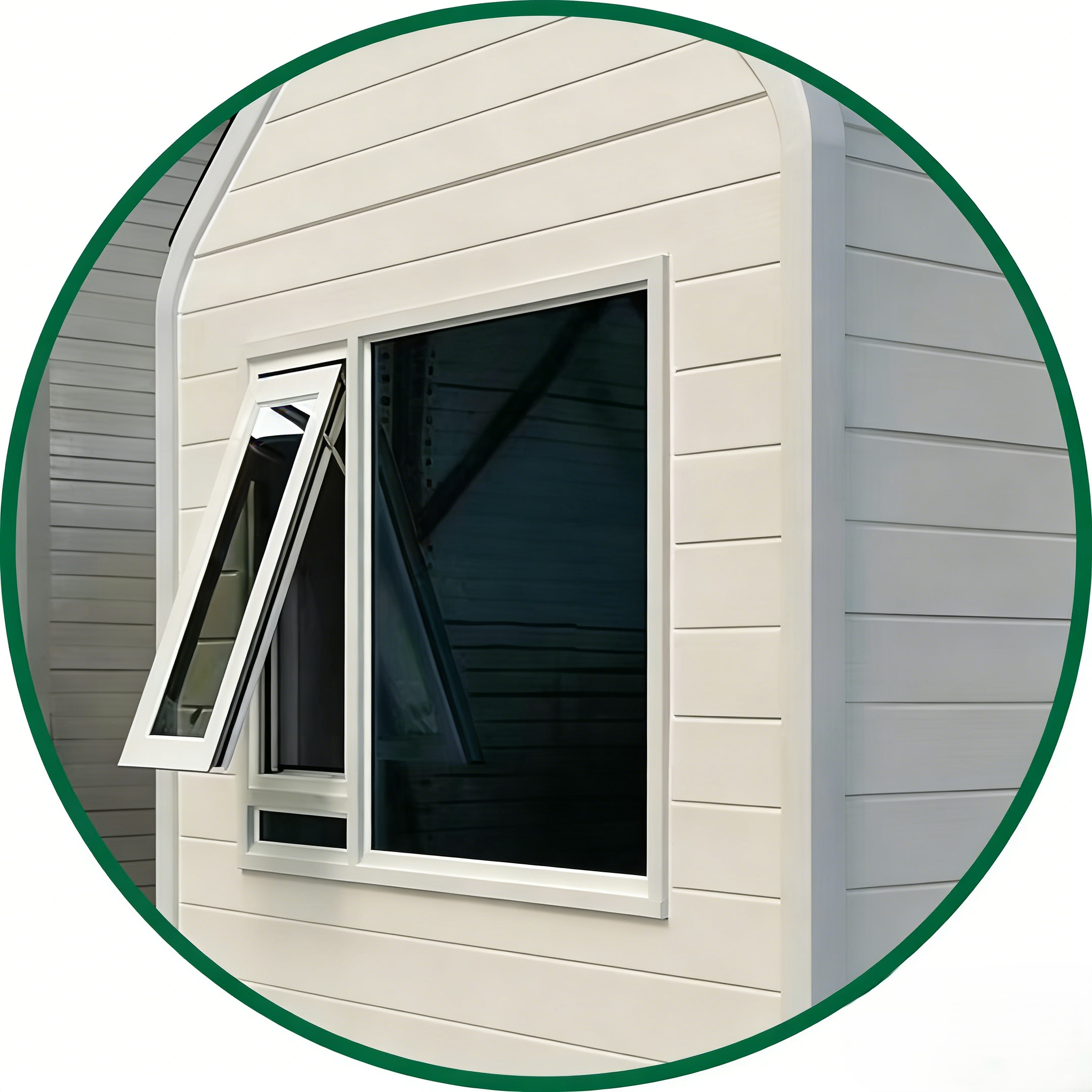
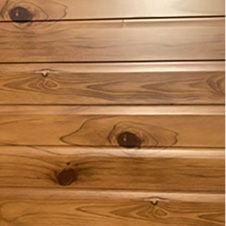
Cladding Timber Style
Cladding (Optional) Timber Style
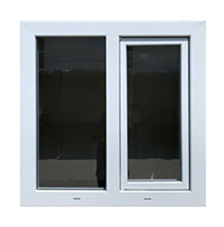
Window PVC Screen
Window Double Glazed PVC with Screen
Vinyl Flooring
Flooring - Vinyl flooring
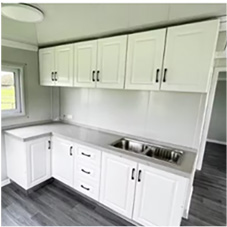
Kitchen cabinet
Kitchen cabinet (can be customized)
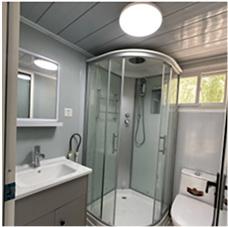
Bathroom configuration
Bathroom (shower, mirror, toilet, washbasin)
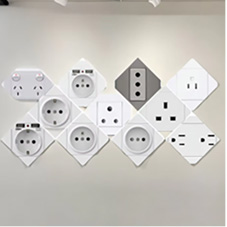
Power Outlets
Power Outlets (US, CE, 3C, UK, AUS, etc.)
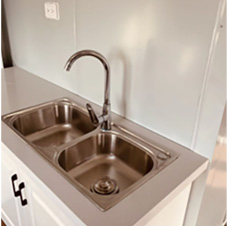
Stainless Steel Sink
Interior arrangement layout
Container units alignment
About Us
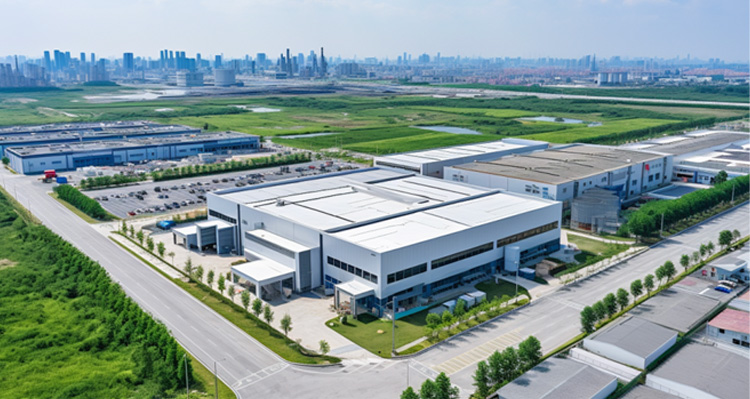
Factory facilities

We specialize in developing and manufacturing all sorts of prefabricated modular houses which are used for construction site dormitory, hotel, shop, office, carport, portable toilet and living house. Welcome friends from all walks of life to visit, guidance and business negotiation.
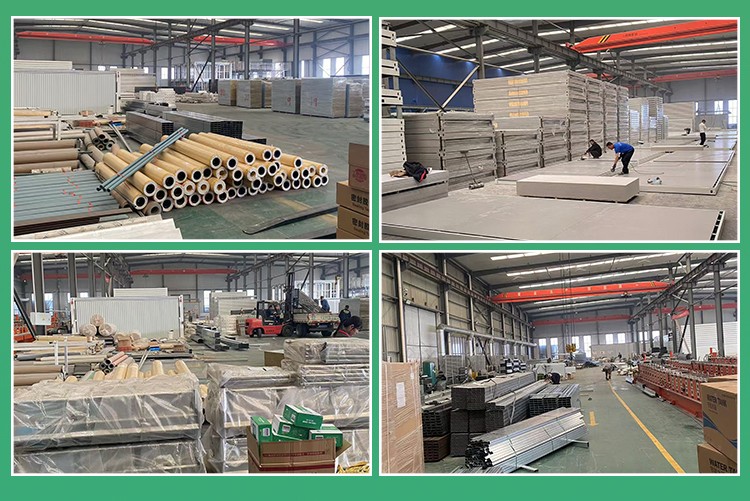
Manufacturing workshop overview
Certificate
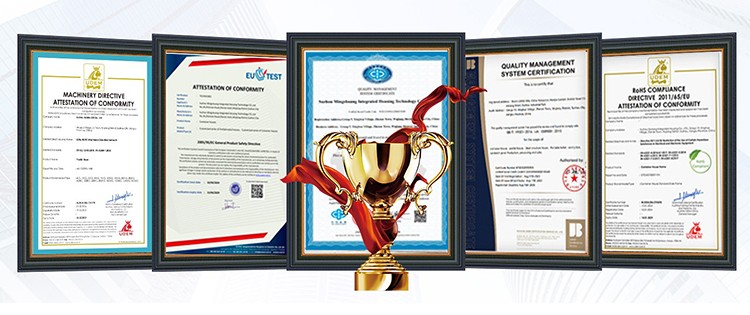
Product quality certification certificate
Packing and Transportation
Packing and transportation logistics process
Frequently Asked Questions
What are the common specifications and load-bearing capacities of modular homes?
The standard domestic dimensions for modular homes are 6 meters in length, 3 meters in width, and 2.9 meters in height. For export, the common dimensions are 6 meters in length, 2.4 meters in width, and 2.9 meters in height. Our products include various functional modules (e.g., shower, restroom, meeting room modules), which can be freely combined to meet the majority of client application needs. Additionally, we offer customization in size, appearance, and functionality.
What is the lifespan of modular homes?
The lifespan varies by product type:
Prefabricated homes: Typically used for accommodation, offices, and storage, lasting 5-20 years.
Container homes: Typical lifespan is 8-15 years depending on the environment, while specially designed units can last up to 25 years.
Light steel villas: Semi-permanent structures that can last up to 50 years with professional treatment.
What is the wind resistance rating of modular homes?
Our standard design meets basic load parameters with a wind pressure tolerance of 0.45KN/㎡, equivalent to level 10 winds. For harsh environments, we offer reinforced structures utilizing larger structural beams, columns, additional reinforcement parts, or anti-wind cables to ensure high safety standards.
What is the earthquake and fire resistance performance of modular homes?
Our modular housing products can withstand an earthquake intensity of 8 degrees (approx. 6.4 magnitude). Structurally, they utilize A-grade fireproof materials that comply with safety regulations, and our enclosure systems have successfully obtained certification for a one-hour fire resistance test.
How is the waterproof and leak-proof performance of modular homes?
Our products feature structural waterproofing patents and leak-proofing techniques. For container homes, we utilize a four-corner centralized drainage system. Through spray testing, the drainage system can handle a rainfall rate of 16mm/min. For high rainfall regions, we recommend adding an optional double-sloped roof to assist drainage and reduce rain noise.
Are modular homes environmental friendly and recyclable?
Yes, our container homes and prefabricated housing series can be reused multiple times with a recycling rate of over 95%. The prefabricated nature reduces construction waste, and they produce up to 70% fewer carbon emissions compared to permanent brick-and-mortar buildings of the same size.

Related Products