Explore our core pre-engineered structures designed for commercial, industrial, and residential deployment.
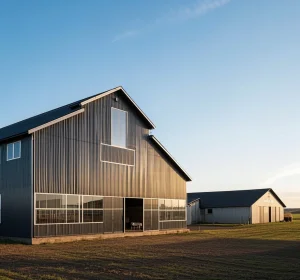
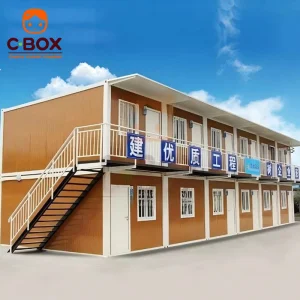
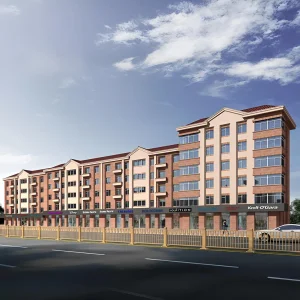
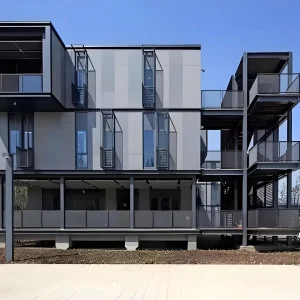
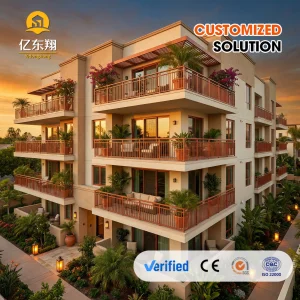
In the rapidly changing landscape of international civil and commercial engineering, Foshan Umo House Co., Ltd. stands as a premier manufacturer specializing in flexible steel housing, light-gauge steel structure houses, structural steel frame buildings, and advanced modular housing systems. Located in Foshan, China's central manufacturing node for premium building materials, our facilities integrate advanced metallurgy, automated cold-forming engineering, and state-of-the-art software systems to produce structures engineered to survive harsh climates and demanding operational parameters.
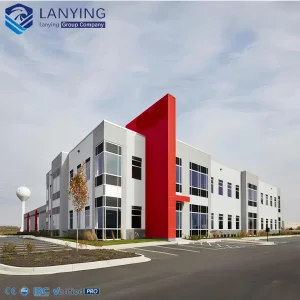
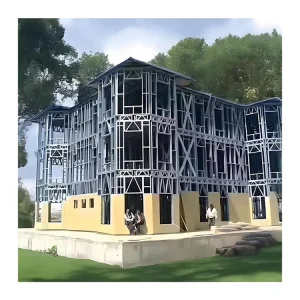
Our comprehensive product portfolio includes light steel frame villas, industrial warehouses, commercial multi-storey complexes, institutional school and hospital structures, modular tourist cabins, agricultural facilities, and relief accommodations. Built with premium galvanized steel frames (primarily Q355B and S355JR hot-dip galvanized structural profiles), our buildings deliver high seismic resistance, wind resilience, thermal performance, and durability.
By leveraging computerized BIM (Building Information Modeling) design-to-production pipelines, we execute structural optimization analysis. This process reduces steel consumption and shortens assembly workflows, providing measurable cost advantages for contractors, real estate developers, and state infrastructure agencies globally.
Modern prefabricated steel frame systems are no longer limited to temporary construction offices or utility sheds. Today, they serve as the structural backbone for permanent, highly engineered assets across five key global industry sectors:
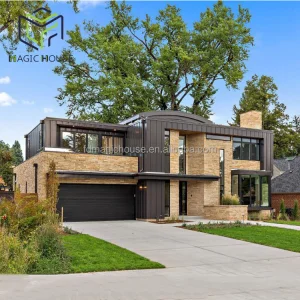
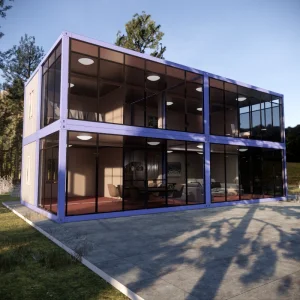
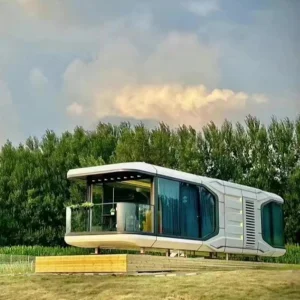
Our residential light steel villas, tourist cabins, and modular apartment complexes feature cold-formed steel framing (LGSF) designed to meet American and European building codes. These structures offer up to 9% additional net usable floor space compared to brick-and-mortar homes, thanks to thinner, high-strength structural wall panels.
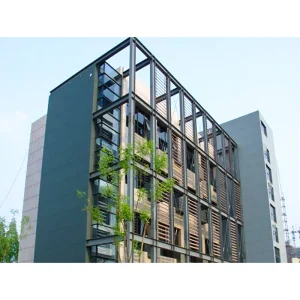
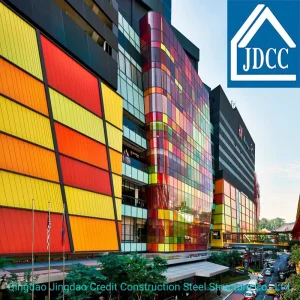
For modular school complexes, administrative structures, municipal offices, and multi-storey prefabricated healthcare clinics, we design using structural portal frames and composite steel decking. This setup minimizes site traffic and disruption during construction, enabling clean and quiet installations in dense urban settings.
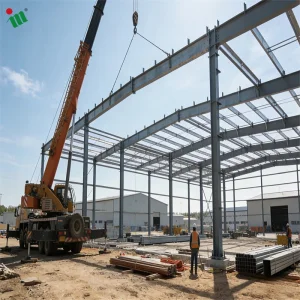
For spans exceeding 30 meters without intermediate columns, we utilize clear-span, hot-rolled H-sections (typically structural steel grade Q355B or higher). These structures support heavy industrial overhead crane loads (5T to 50T capacity) and tolerate internal thermal stresses common in manufacturing facilities.
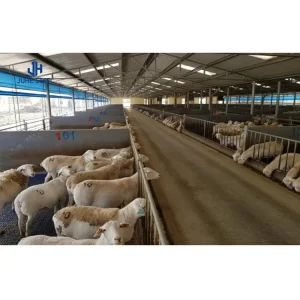
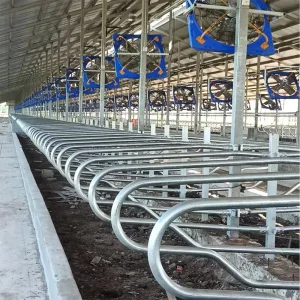
Our structures protect livestock investment assets. In hot and humid regions, steel housing for sheep, goats, poultry, and dairy cows requires specific corrosion control. We apply thick epoxy coats (minimum DFT 120μm) or utilize hot-dip galvanized C/Z purlins to withstand organic ammonia vapors and moisture.
Foshan Umo House operates an optimized manufacturing facility designed to eliminate tolerances that compromise field erection times. Our factory integrates advanced automated cold-forming lines, automated plasma cutting grids, multi-angle robotic welding equipment, and structural alignment jigs. This setup delivers high consistency across production runs.
The global pre-engineered steel housing sector is evolving toward carbon reduction, structural intelligence, and integrated building enclosures. Umo House's R&D roadmap focuses on:
We are reducing the embedded carbon footprint of our structures by sourcing raw steel coils processed with hydrogen-reduction techniques rather than traditional coal-based blast furnaces. This approach aligns with global LEED and BREEAM certification standards.
By using multi-layer exterior wall assemblies (combining PIR insulation board, mineral wool batts, breathing membranes, and fiber-cement cladding), our structures achieve thermal transmittance values (U-value) below 0.15 W/(m²K), matching rigorous Nordic energy conservation standards.
We are integrating low-voltage smart home sensors, recessed LED tracks, and environmental management controls directly into modular steel wall frames at the factory level. This reduces post-delivery electrical installation times.
A key challenge for international builders sourcing prefabricated components is local structural approval. Umo House addresses this concern by aligning all calculations with international codes. We submit structural calculation packages validated by licensed Professional Engineers (PE).
Our engineering team uses software packages like SAP2000, ETABS, and Vertex BD to perform finite element analysis (FEA) and structural load simulations. This ensures our designs can withstand wind speeds up to 250 km/h (equivalent to Category 5 hurricanes) and high-magnitude seismic forces (Zone 8 equivalent acceleration).
Here are detailed answers to the structural, logistical, and commercial questions asked by international project engineers:
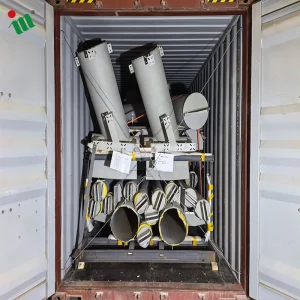
Review our manufacturing processes, including steel member preparation, test assembly of structural components, and high-volume roll-forming production line outputs.
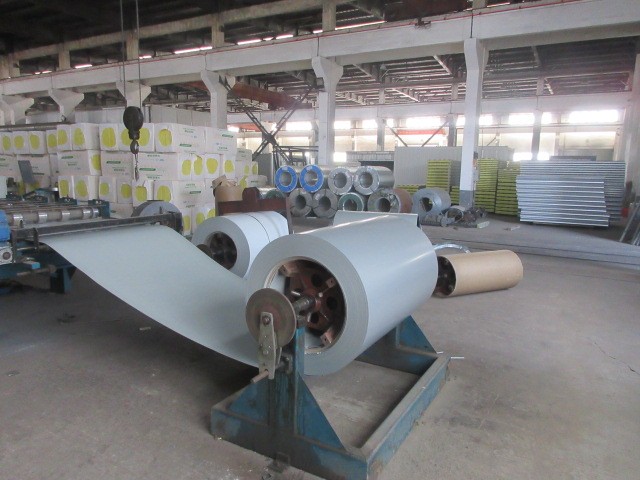
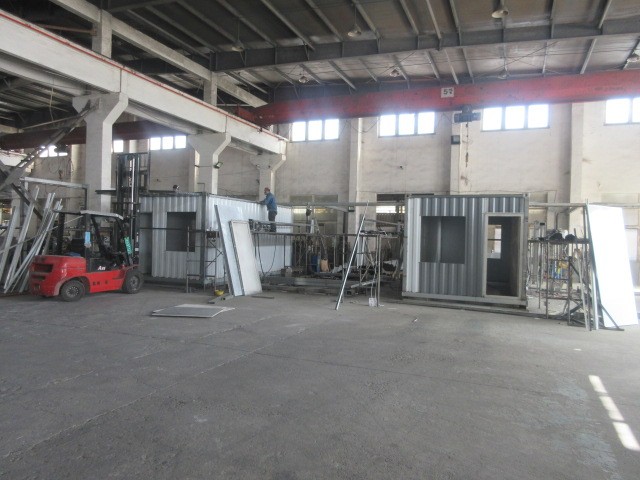
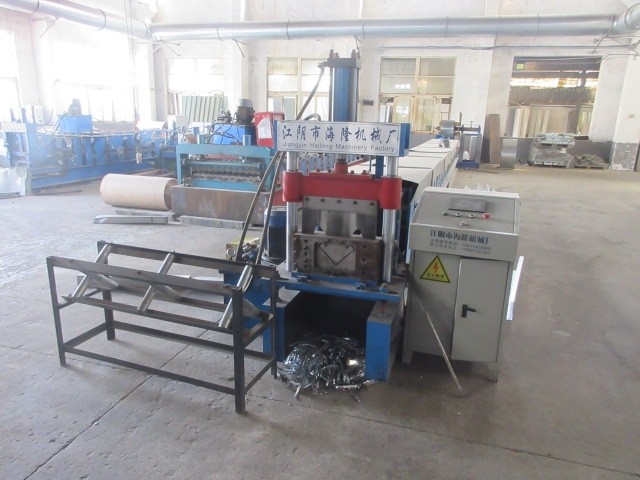
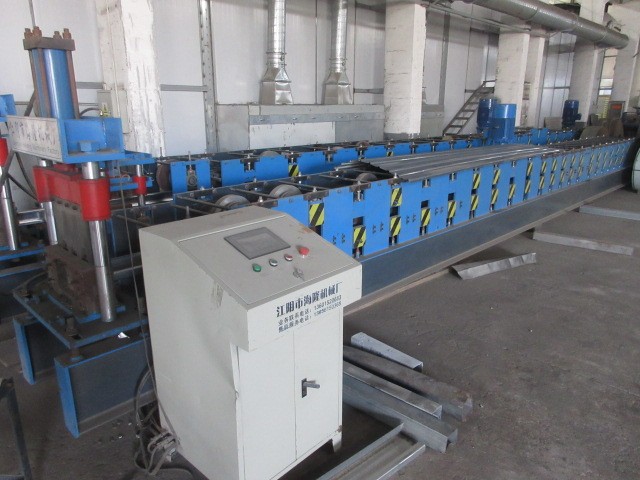
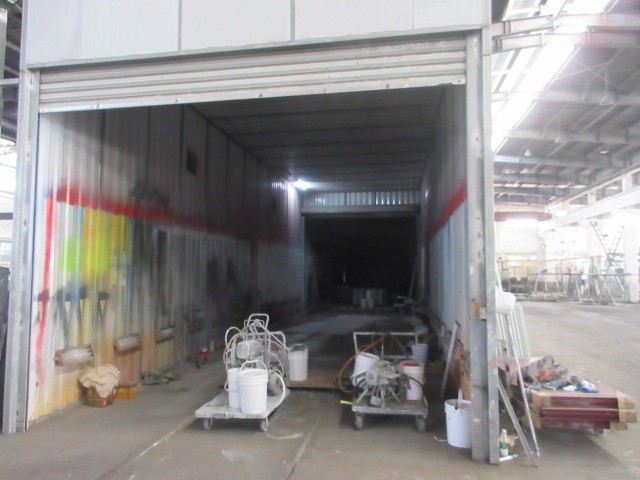
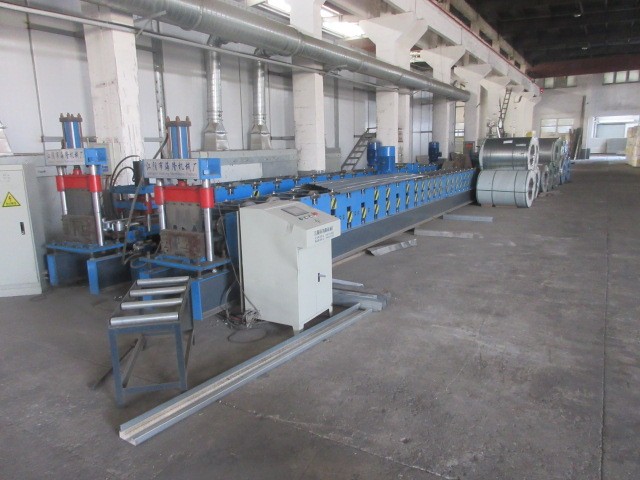
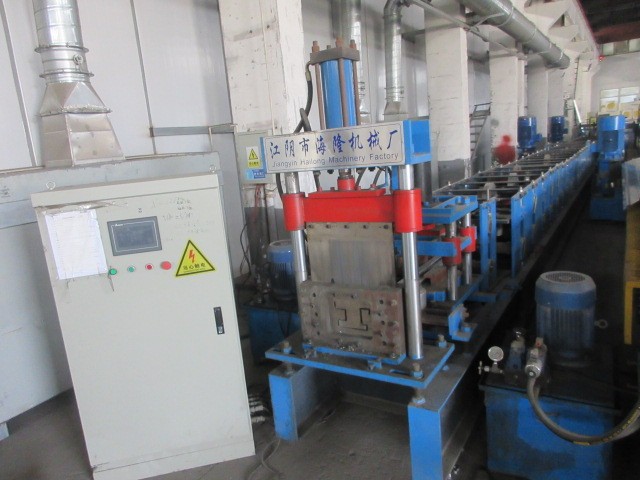
Explore our heavy portal frames, apartment building kits, and custom steel structures built to last.
 Umo House