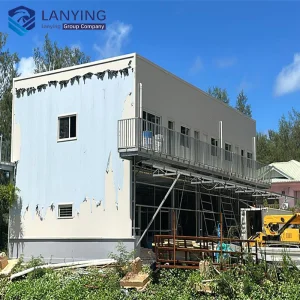
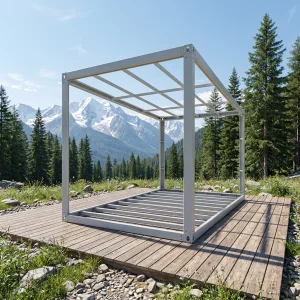
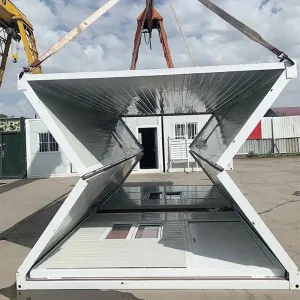
Rapid-installation structural solutions engineered to exceed expectations in heavy commercial, industrial, and institutional applications.
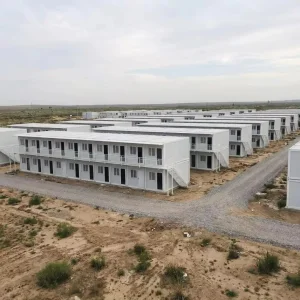
The Kingdom of Thailand has rapidly emerged as a primary manufacturing and logistical powerhouse in Southeast Asia. Driven heavily by the government’s Eastern Economic Corridor (EEC) initiative, provinces like Rayong, Chonburi, and Chachoengsao have experienced an influx of international capital. Automotive factories, smart electronics manufacturing plants, and green energy giants are setting up massive operations. This concentration of heavy industry triggers an urgent, large-scale demand for high-density, safety-compliant worker accommodation and field offices.
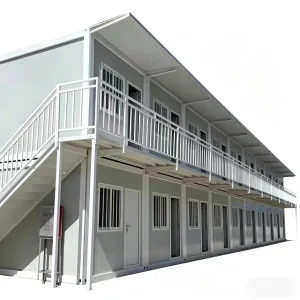
Traditionally, construction in Thailand relied heavily on cast-in-place concrete structures. However, these methods fail to meet the tight timelines required by foreign investors. Steel dormitory buildings have filled this critical gap. Offering build speeds up to 50% faster than traditional concrete, steel dormitories enable enterprises to establish operational workforce camps quickly. Moreover, modern developers prioritize structures that meet local building safety codes, such as those set by the Department of Public Works and Town & Country Planning (DPT), demanding wind-load tolerance, seismic flexibility, and strict fire safety standards.
SEO Insight / Information Gain: Steel structures built for the Thailand market must be hot-dip galvanized or coated with high-performance epoxy primers to withstand the coastal corrosion, intense monsoons, and high humidity levels characteristic of provinces like Chonburi and Rayong.
On a global scale, the construction industry is undergoing a structural transition toward Off-site Modular Construction (OSC). Escalating labor costs, fluctuating raw material pricing, and strict environmental regulations have forced developers to seek alternatives to onsite-intensive builds. Prefabricated steel dormitory buildings represent the cutting edge of this movement.
Major multinational corporations and EPC (Engineering, Procurement, and Construction) contractors now specify modular metal buildings for staff housing, student dormitories, and mining camps. By shifting up to 90% of the building processes—such as framing, insulation installation, and utility routing—from the field to a controlled factory environment, companies reduce onsite waste by nearly 70% and avoid project delays caused by bad weather.
China remains the global nucleus for steel structural prefabrication, and the city of Foshan in Guangdong Province is widely recognized as a hub for advanced building materials and modular housing systems. Foshan Umo House Co., Ltd. capitalizes on this localized industrial ecosystem to manufacture high-tolerance, structural steel components.
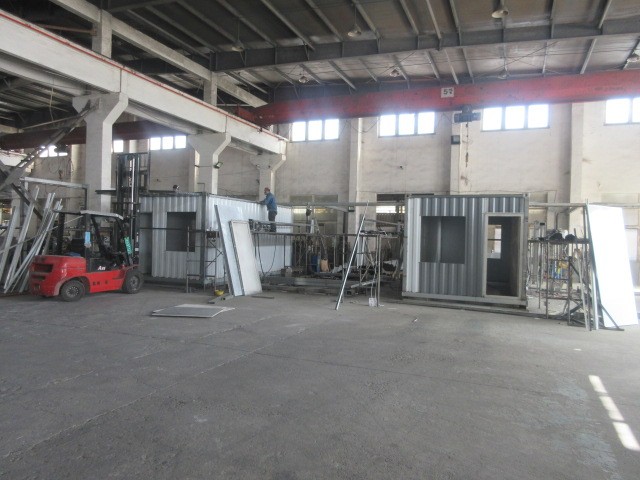
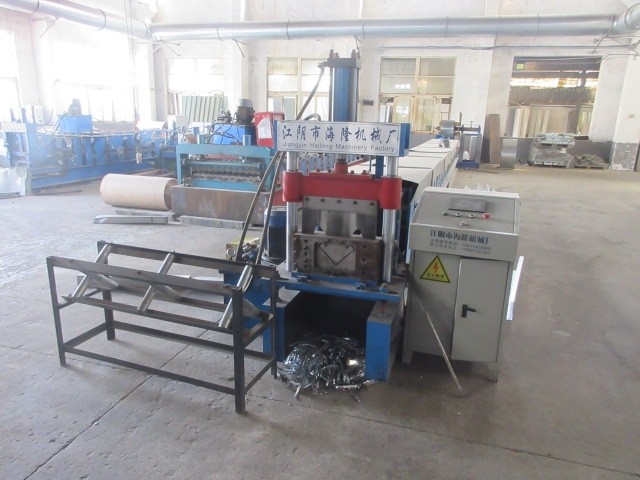
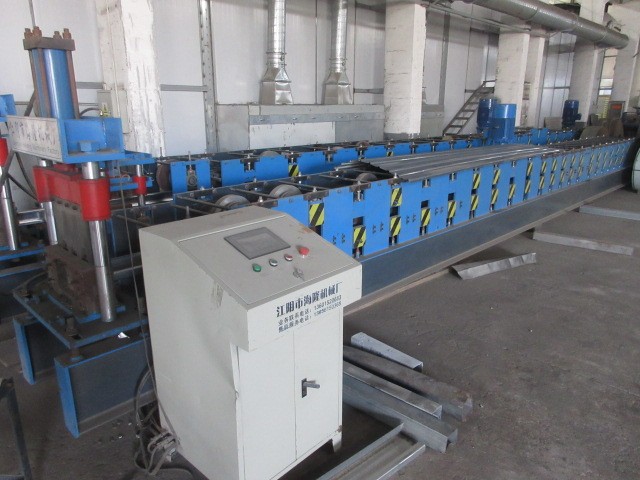
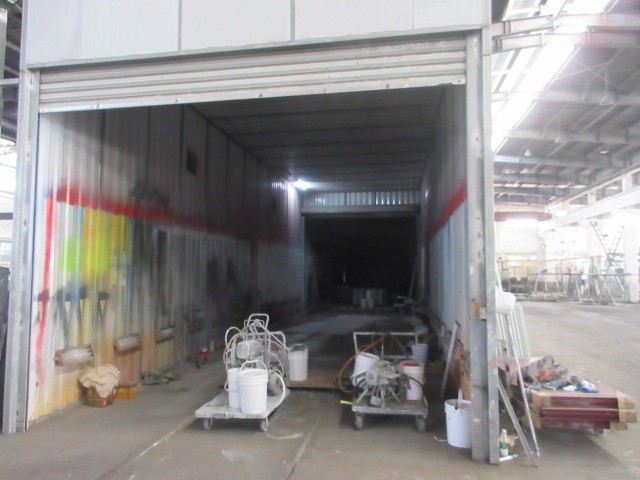
Our factory combines automated CNC cutting machines, high-frequency structural welding stations, and specialized anti-corrosion treatment lines. This guarantees that structural components meet international standards such as ASTM (American Society for Testing and Materials) and BS EN (European Standards). The Chinese manufacturing advantage translates to:
Components are manufactured to sub-millimeter tolerances, preventing fitment issues during onsite assembly.
Direct supply contracts with major steel mills allow us to maintain competitive pricing, even for custom designs.
From primary steel frames to doors, windows, sanitary ware, and electrical components, we deliver complete turn-key kits.
Hot-dip galvanization with a minimum zinc coating weight of 275g/m² ensures durability in harsh coastal climates.
Industrial-grade prefabricated dormitory buildings require specific technical considerations to remain safe and durable over decades of service. Here is a technical breakdown of our steel dormitory options:
| Structural Element | Technical Details | Standard Compliance |
|---|---|---|
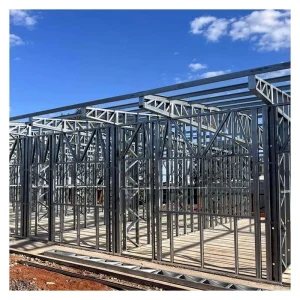
| Primary Steel Frame | Q355B / Q235B structural steel, hot-rolled H-beam, square tube sections | GB/T 1591, ASTM A572 |
| Anti-Corrosion Coat | Hot-dip galvanized, epoxy rich zinc-primer painting (80-120 microns) | ISO 1461, ISO 12944 |
| Wall Insulation Panels | Rockwool, polyurethane (PU), or fireproof EPS sandwich panels (50mm–150mm thickness) | Class A Fire Rating (EN 13501-1) |
| Roof System | Corrugated galvanized steel sheets with integrated glass wool insulation and vapor barrier | ASTM A653, JIS G3302 |
| Seismic Resistance | Engineered to handle seismic accelerations up to Zone 7 (0.15g) | ASCE 7, Thai Building Code (DPT) |
| Wind Load Design | Rated to withstand winds up to 120–150 km/h (custom designs up to 200 km/h available) | BS 6399, Thai DPT Codes |
The versatility of prefabricated steel structures makes them suitable for a wide range of applications across Thailand's commercial, industrial, and tourism landscapes:
Procuring prefabricated steel structures across international borders requires a reliable logistical framework. Foshan Umo House Co., Ltd. manages the supply chain from design to delivery:
All steel beams, columns, purlins, panels, and accessories are packaged, marked, and loaded into 40ft HQ shipping containers. This systematic packing minimizes transit damage and reduces shipping costs. We provide comprehensive architectural blueprints, 3D structural model diagrams, and step-by-step installation manuals. For large-scale projects in Southeast Asia and globally, we can dispatch project engineers to supervise the assembly process, train local construction crews, and ensure compliance with design specifications.
Answers to common structural engineering, procurement, and shipping questions for international buyers.
Foshan Umo House Co., Ltd. is a professional manufacturer specializing in steel structure houses, prefabricated steel buildings, modular housing systems, and customized construction solutions in China. With extensive industry experience and advanced manufacturing capabilities, we provide durable, efficient, and sustainable building solutions for residential, commercial, industrial, and institutional projects worldwide.
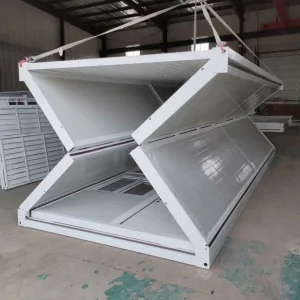
Our comprehensive product portfolio includes steel structure houses, prefabricated homes, modular buildings, steel frame villas, portable houses, expandable homes, labor camps, site offices, warehouses, workshops, commercial buildings, schools, hospitals, dormitories, agricultural buildings, and customized steel construction projects. Every solution is engineered to deliver rapid installation, superior structural performance, cost efficiency, and long service life.
At Umo House, we utilize advanced production equipment and precision manufacturing technologies to ensure every component meets strict international quality standards. Our experienced engineering team provides complete OEM and ODM services, supporting customized architectural design, structural calculations, insulation systems, roofing, wall panels, electrical layouts, plumbing, interior finishing, and project-specific requirements.
Built with premium galvanized steel structures and high-performance building materials, our products offer excellent resistance to corrosion, earthquakes, strong winds, and harsh weather conditions. They also provide outstanding thermal insulation, energy efficiency, and low maintenance, making them suitable for both temporary and permanent construction applications.
Our steel structure solutions are widely used in residential communities, commercial complexes, industrial facilities, logistics centers, mining camps, construction sites, tourism resorts, educational institutions, healthcare projects, government infrastructure, and emergency relief programs. We continuously invest in research, product innovation, and manufacturing optimization to meet the evolving needs of global customers.
Today, Foshan Umo House exports its products to Europe, North America, South America, Southeast Asia, the Middle East, Africa, and Oceania, building long-term partnerships with contractors, developers, distributors, and engineering companies around the world.
As a trusted steel structure house manufacturer in China, Foshan Umo House is committed to delivering premium-quality products, competitive pricing, flexible customization, reliable project support, and on-time delivery. We strive to provide innovative modular construction solutions that create lasting value for customers across the global market.
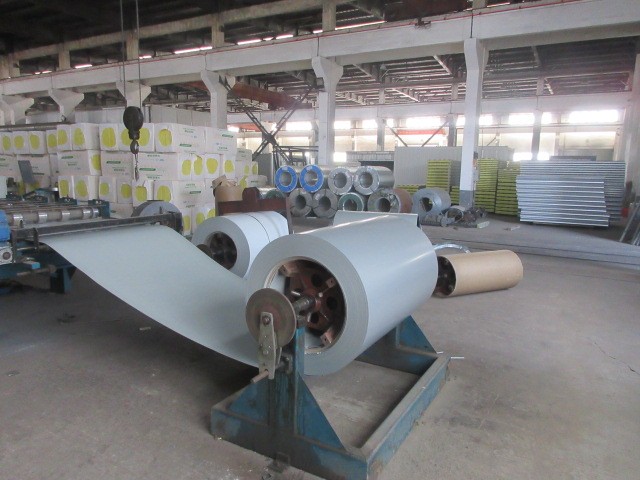
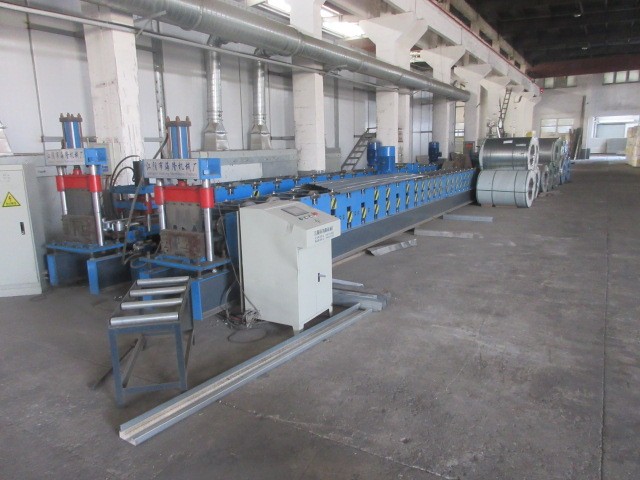
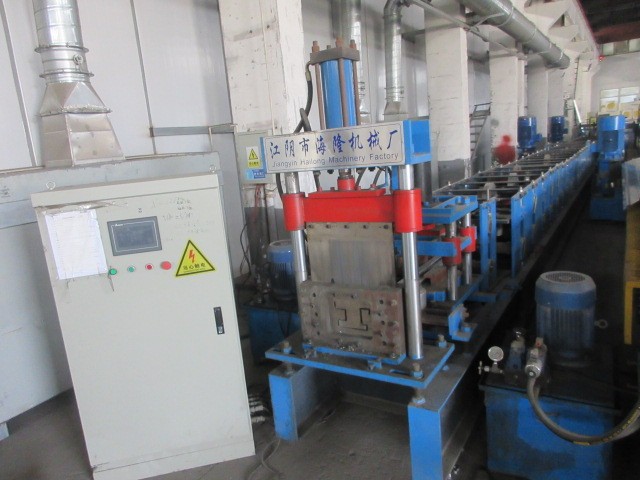
Explore our full line of prefabricated buildings, storage units, capsule suites, and high-performance structural systems.
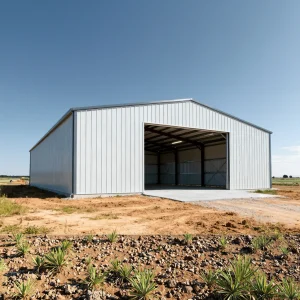

Connect with our engineering specialists in China. Get optimized layout designs, wind and seismic structural calculations, and a comprehensive price estimate tailored to your local site parameters.
Send Inquiry Now Umo House