Fast-assembly modular steel villas and structure frames customized to comply with Spanish Technical Building Code (CTE) directives.
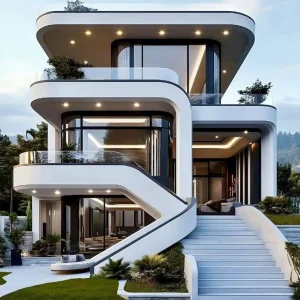
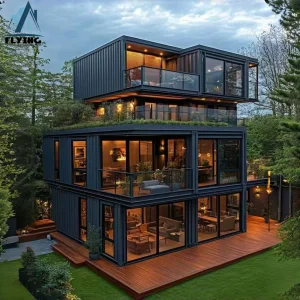
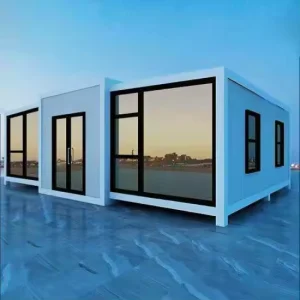
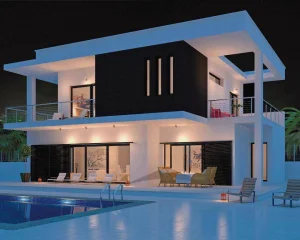
How Light Gauge Steel (LGS) and heavy modular steel frames are replacing traditional brick-and-mortar methodologies in modern metropolitan development.
Across the globe, the construction industry is witnessing a structural transition. Developers, architects, and governmental authorities are actively moving away from carbon-intensive wet construction (concrete and clay masonry) toward Off-Site Construction (OSC). At the absolute center of this technological paradigm shift is the development of Light Gauge Steel (LGS) structures, which offer a highly competitive structural-strength-to-weight ratio, complete recyclability, and unprecedented speed of implementation. By transitioning fabrication processes from the unpredictable outdoors of a standard construction yard into a state-of-the-art manufacturing floor, precision structural elements can be created down to tolerances of fractions of a millimeter.
In highly regulated metropolitan centers such as London, Paris, Munich, and Barcelona, modular steel frames represent a decisive answer to labor shortages, soaring material costs, and stringent municipal carbon reduction policies. Structural systems using cold-formed zinc-coated steel coils are impervious to typical organic degradation vectors, moisture damage, and insect infestations. According to recent life-cycle assessments (LCA), cold-formed steel-frame assemblies reduce the total embodied carbon of building systems by up to 35% compared to reinforced concrete baselines. Furthermore, the light footprint of steel framing reduces the depth and volume of concrete foundation requirements, drastically minimizing soil disruption and ecological load.
Demystifying structural, environmental, and thermal requirements in the Barcelona Metropolitan Area.
Designing and erecting steel structures within the Barcelona municipal boundary demands absolute alignment with Spain’s Código Técnico de la Edificación (CTE), alongside Catalan-specific urbanistic parameters and zoning codes (such as the Plan General Metropolitano). In particular, the CTE DB-HE (Energy Conservation) and the CTE DB-SE (Structural Safety) define structural dimensions, thermal resistance layers, and load configurations. Barcelona’s climate (Climate Zone C2 according to CTE classification) dictates that building envelopes must display excellent thermal insulation to mitigate solar radiation in summer and ocean moisture during winter, avoiding interstitial condensation.
For projects along the Catalan coast, from the sandy shores of Castelldefels to the elevated terrains of Sitges or the rocky topography of Costa Brava, structures must be designed to withstand high relative humidity and salt-laden air. This requires steel materials processed with heavy-duty zinc coatings (such as Z275 or Galfan alloy protections), which prevent localized electrochemical corrosion. Furthermore, seismic activity, though moderate in Catalonia, must be integrated into structural calculations under Spain’s NCSE-02 guidelines. Light gauge steel structures are highly advantageous here: their low building mass significantly decreases seismic lateral shear forces, rendering them inherently safer and structurally sound.
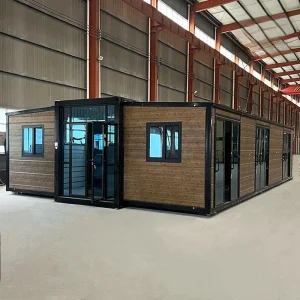
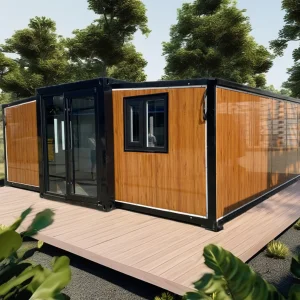
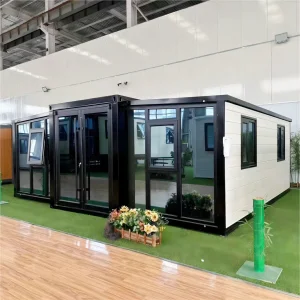
High-performance building physics matching Eurocode 3 standards and advanced thermal transmittance requirements.
Every component is produced from hot-dip galvanized structural steel coil with Z275 (275g/m² zinc thickness) or AZ150 zinc-aluminum coating, guaranteeing zero structural decay over a 100+ year design life span.
Engineered according to Eurocode 3 (Steel design) and Eurocode 8 (Seismic design). Frame profile thicknesses range from 0.8mm to 2.0mm high-tensile strength structural steel (S350GD+Z).
Multi-layered external wall cladding utilizing mineral rockwool and PIR (Polyisocyanurate) insulation panels to eliminate thermal bridging, meeting strict Passivhaus standard criteria.
A persistent misconception in structural design is that steel frame systems create massive thermal leaks. However, modern off-site manufacturing bypasses this by utilizing continuous exterior insulation systems (EIFS). In a typical Barcelona light gauge steel wall assembly, a 150mm LGS stud framework filled with high-density rockwool is wrapped externally in a continuous layer of PIR thermal barrier (usually 50mm to 80mm). This structural layer successfully moves the dew point out of the steel cavity, preventing moisture condensation and dry rot while establishing a wall U-value lower than 0.18 W/m²K, which outperforms standard double-layer brick assemblies by over 300%.
Customized configuration configurations mapping to actual physical sites in the Barcelona region.
In Barcelona's historic Eixample district, adding vertical floors (known locally as Remuntes) to existing buildings is popular. Light gauge steel's lightweight properties make it possible to perform vertical additions without compromising or overloading historical structural foundations.
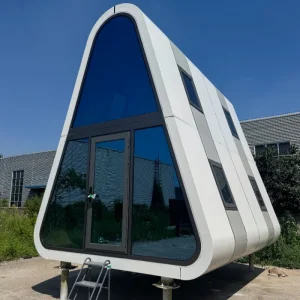
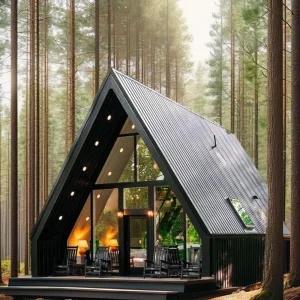
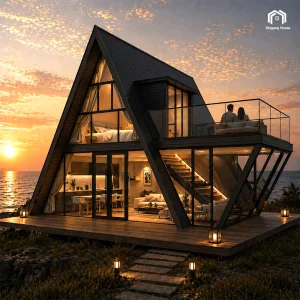
For eco-resorts and glamping sites across Costa Brava, Girona, and the coastal ranges of Tarragona, modular cabins (A-frame/space capsules) are supplied as pre-tested structures. Minimizing ground preparation protects local Mediterranean pine forests.
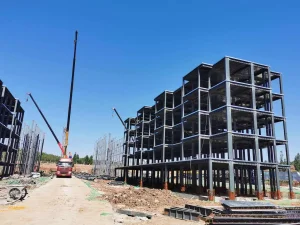
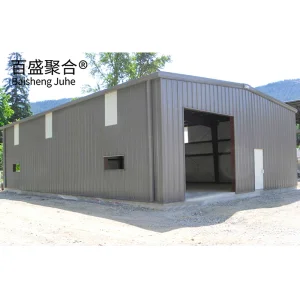
Within high-capacity logistics districts, including the Zona Franca and locations near El Prat International Airport, heavy structural frame profiles are used to quickly construct high-performance warehouse sheds and clinical containment facilities.
Pioneering prefabricated engineering solutions exported directly from our global manufacturing center to Spain.
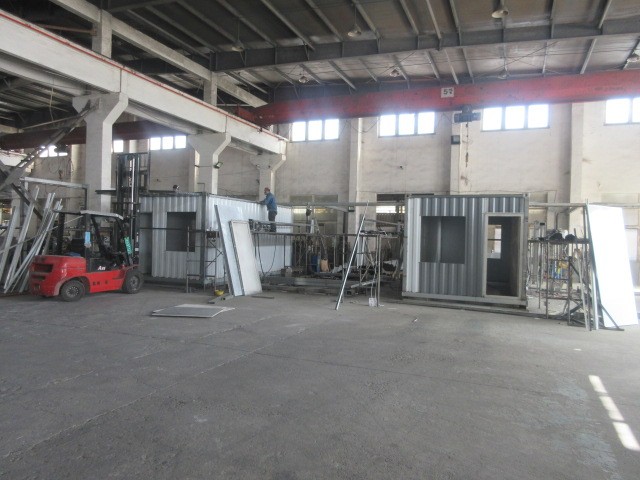
Foshan Umo House Co., Ltd. is a professional manufacturer specializing in steel structure houses, prefabricated steel buildings, modular housing systems, and customized construction solutions in China. With extensive industry experience and advanced manufacturing capabilities, we provide durable, efficient, and sustainable building solutions for residential, commercial, industrial, and institutional projects worldwide.
Our comprehensive product portfolio includes steel structure houses, prefabricated homes, modular buildings, steel frame villas, portable houses, expandable homes, labor camps, site offices, warehouses, workshops, commercial buildings, schools, hospitals, dormitories, agricultural buildings, and customized steel construction projects. Every solution is engineered to deliver rapid installation, superior structural performance, cost efficiency, and long service life.
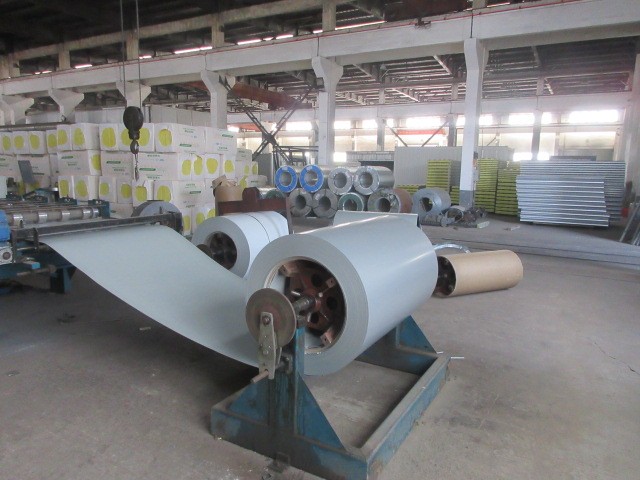
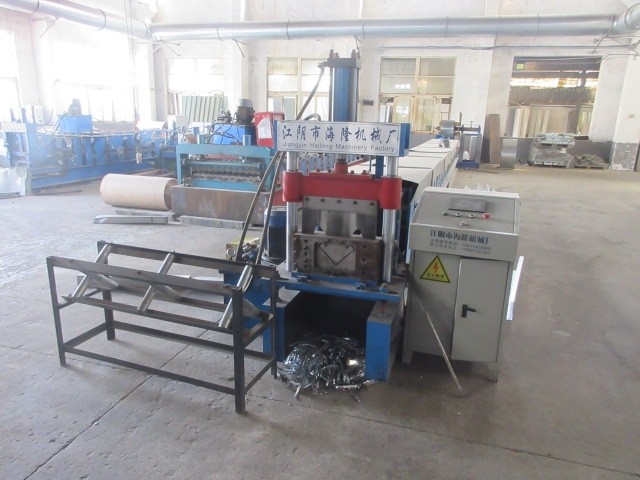
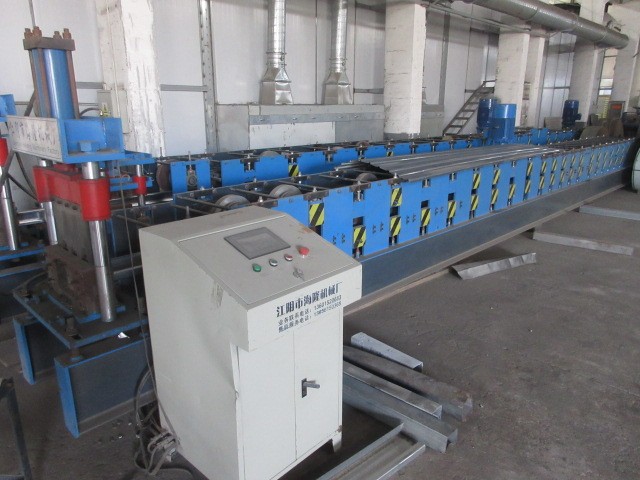
At Umo House, we utilize advanced production equipment and precision manufacturing technologies to ensure every component meets strict international quality standards. Our experienced engineering team provides complete OEM and ODM services, supporting customized architectural design, structural calculations, insulation systems, roofing, wall panels, electrical layouts, plumbing, interior finishing, and project-specific requirements.
Built with premium galvanized steel structures and high-performance building materials, our products offer excellent resistance to corrosion, earthquakes, strong winds, and harsh weather conditions. They also provide outstanding thermal insulation, energy efficiency, and low maintenance, making them suitable for both temporary and permanent construction applications.
Our steel structure solutions are widely used in residential communities, commercial complexes, industrial facilities, logistics centers, mining camps, construction sites, tourism resorts, educational institutions, healthcare projects, government infrastructure, and emergency relief programs. We continuously invest in research, product innovation, and manufacturing optimization to meet the evolving needs of global customers.
Today, Foshan Umo House exports its products to Europe, North America, South America, Southeast Asia, the Middle East, Africa, and Oceania, building long-term partnerships with contractors, developers, distributors, and engineering companies around the world.
As a trusted steel structure house manufacturer in China, Foshan Umo House is committed to delivering premium-quality products, competitive pricing, flexible customization, reliable project support, and on-time delivery. We strive to provide innovative modular construction solutions that create lasting value for customers across the global market.
Adapting next-generation structural design principles to support Spain's Net-Zero emission targets.
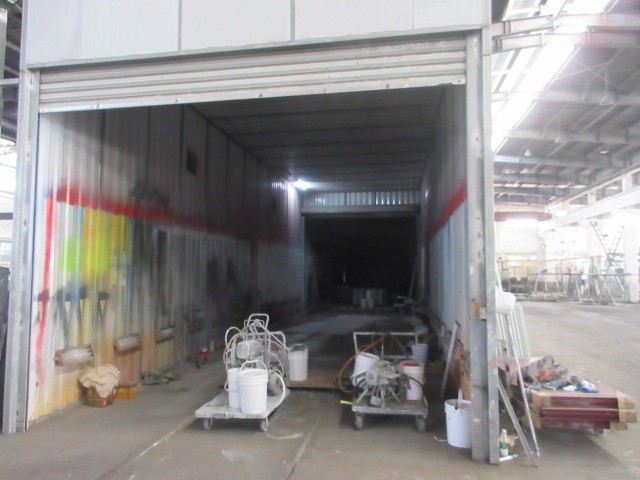
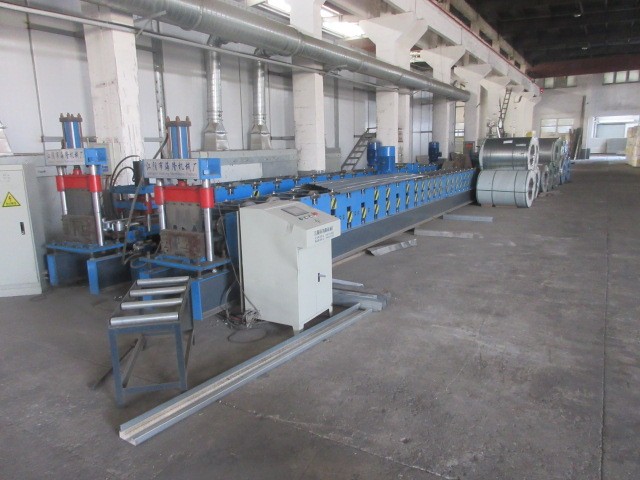
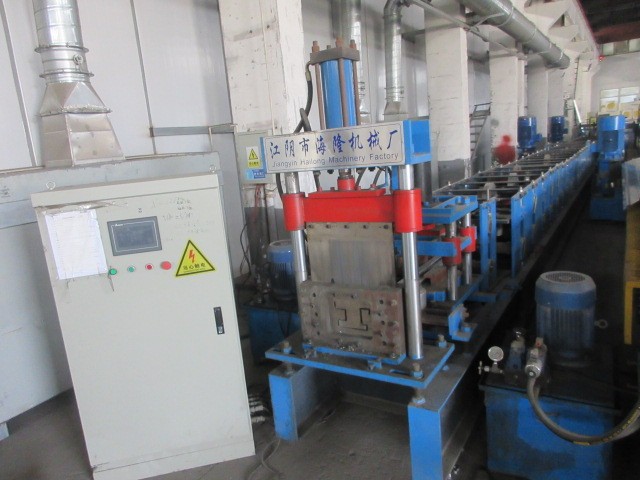
The convergence of Building Information Modeling (BIM) and artificial intelligence represents the frontier of modern steel construction. Umo House's technology roadmap outlines the automation of structural detailing. By directly linking structural BIM models to rolling mills, we eliminate manual design translation errors. This precise digital manufacturing loop ensures that every punch, service hole, and fixing lip is engineered to support fast, manual assembly on-site in Barcelona without field modifications.
Furthermore, as circular economy principles become legal requirements across Europe, our structural steel products guarantee high material recovery values. In contrast to concrete buildings, which are demolished into low-value aggregate waste, a steel frame house can be disassembled at the end of its life cycle. Every steel component can be fully recycled back into premium steel structural profiles, supporting EU green building taxonomy requirements.
Pre-engineered structures built to meet European safety, mechanical, and insulation requirements.
Ensuring reliable transit, custom clearance, and structural certification for Catalan developments.
Importing prefabricated structures to Barcelona is managed using streamlined logistic controls. To guarantee efficient transport, all structural members are packaged as flat-packs or pre-assembled modules designed to fit within standard 40-foot High Cube (HQ) ocean containers. Shipments route directly from our factories to the Port of Barcelona. This proximity to major logistical corridors enables prompt transit and delivery to job sites throughout Catalonia, minimizing overall transportation costs.
To support structural compliance and local approvals, Umo House works alongside regional engineering consultancies in Spain. Every structural frame shipment includes detailed BIM models, structural calculation records, material certificates, and assembly guides. This comprehensive documentation supports independent technical inspection (*Organismo de Control Técnico - OCT*) validation, helping developers secure necessary project financing and decennial structural damage insurance (*Seguro Decenal*) required by Spanish construction regulations.
Important regulatory, structural, and financial considerations for modern steel frame construction in Spain.
Get in touch with Umo House's design and engineering division to review your project blueprints, obtain structural assessments, and request customized manufacturing quotes.
 Umo House