 Umo House

Engineered off-site structures built for rapid deployment and certified seismic performance in compliance with New Zealand Building Codes.
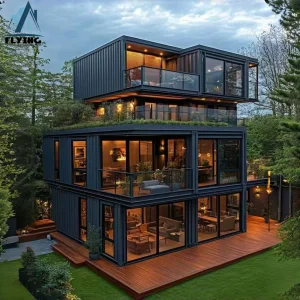
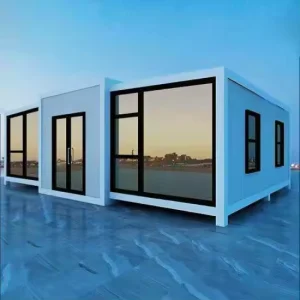
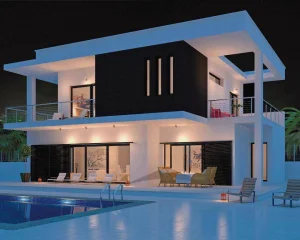
The New Zealand construction sector is undergoing a profound paradigm shift. Traditional timber framing methods, which have historically dominated residential builds, are facing persistent challenges due to material supply volatility, escalating labor costs, and increasingly stringent structural requirements. As the country navigates high seismic activity zones and diverse coastal environments, light-gauge steel (LGS) and cold-formed structural steel framing have emerged as the premier alternative for modern developers and builders.
At Foshan Umo House Co., Ltd., we recognize the specific engineering challenges presented by the local New Zealand regulatory framework. Steel frame housing provides an unparalleled strength-to-weight ratio, which directly translates to superior energy dissipation during seismic events. This structural capacity is paramount under NZS 3604, the standard regulating light-framed buildings. By replacing conventional materials with engineered steel members, developers can achieve straighter lines, eliminate post-construction warping, and significantly reduce assembly times on-site.
Our prefabricated structural frames are engineered to withstand extreme environmental forces. Every structural design undergo strict finite element analysis to ensure compliance with AS/NZS 1170 structural design actions, providing high-load capacity suited for Auckland's wind zones and Wellington's high-seismicity profiles.
Thermal efficiency is a critical determinant of compliance for all new residential projects in New Zealand, following the recent updates to the Clause H1 (Energy Efficiency) provisions of the New Zealand Building Code (NZBC). Traditional steel construction was historically scrutinized for thermal bridging. Today, our engineering team eliminates this concern by integrating high-performance continuous external insulation systems alongside structural thermal breaks.
By utilizing a complete building envelope solution—incorporating rigid PIR (Polyisocyanurate) insulation boards, advanced thermal breaks, and high-R-value glasswool batts within the stud cavity—Umo House structures comfortably exceed the revised R-value thresholds for all New Zealand climate zones (Zones 1 through 6). This advanced thermal profiling ensures that developers can import high-performance, energy-efficient building packages that significantly lower the carbon footprint of the finished dwelling.
Furthermore, the durability of steel framing is unmatched in damp climates. Unlike timber, light steel frame structures do not absorb moisture, preventing rot, mold growth, and structural sag. This guarantees a healthier indoor environment, aligning perfectly with New Zealand's "Healthy Homes" initiatives.
How our engineering and fabrication workflows align with New Zealand building regulations and importing requirements.
All structural designs are fully calculated and detailed according to the NASH (National Association of Steel Framed Housing) standards, ensuring rapid local council approvals (Consent processes).
We work collaboratively with chartered professional engineers (CPEng) in New Zealand to review shop drawings, facilitating the issuance of Producer Statements (PS1) for structural frames.
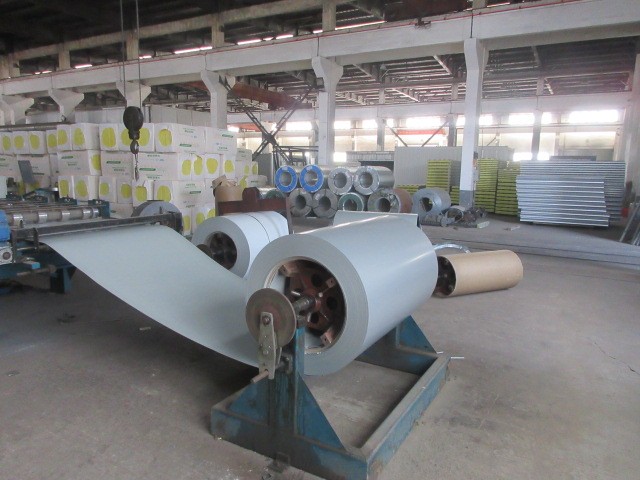
We source hot-dip galvanized steel coils with Z275/AZ150 coatings, offering outstanding performance against galvanic corrosion, specifically matching NZ's harsh salt-heavy coastal zones.
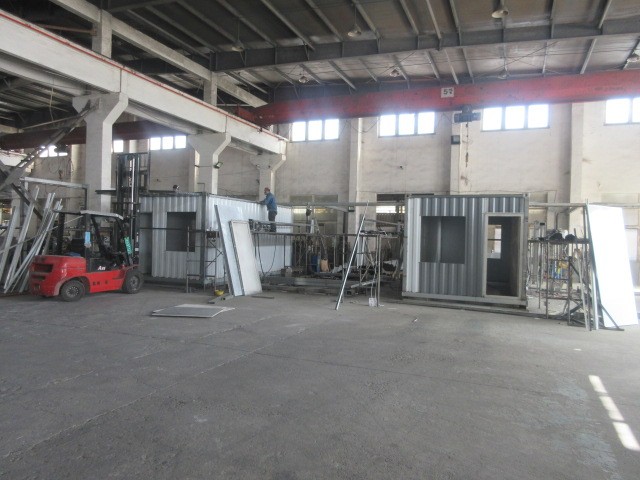
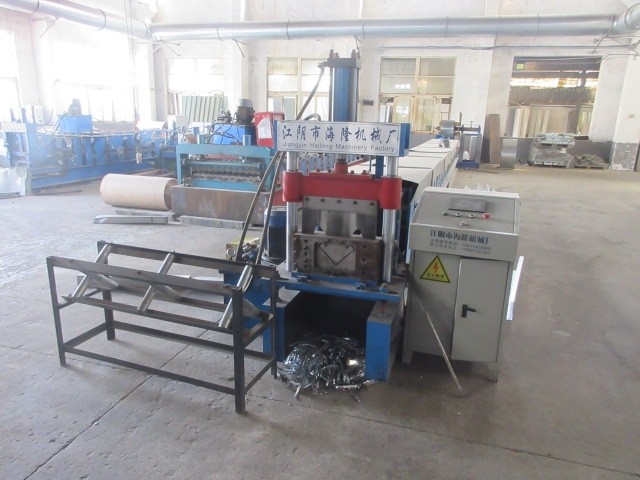
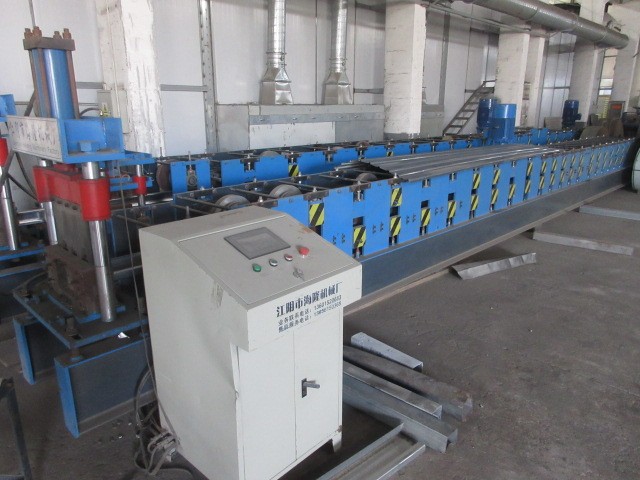
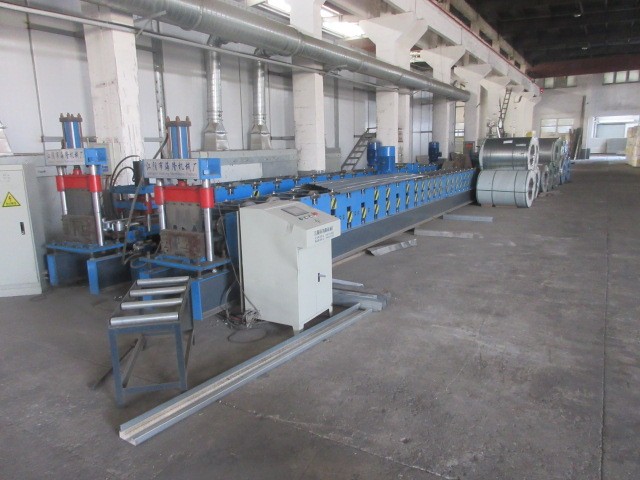
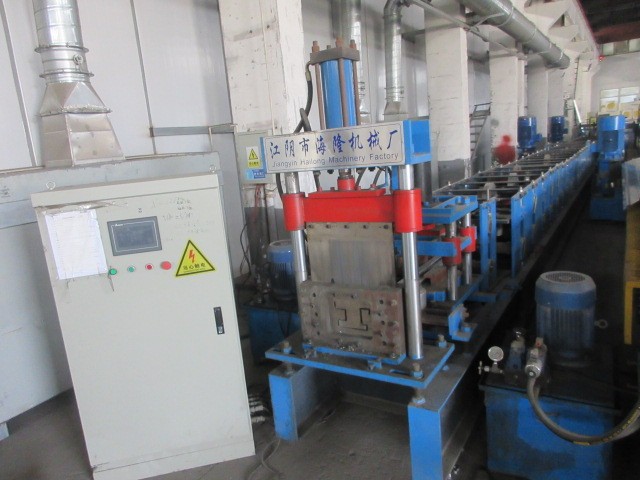
Why do leading New Zealand developers choose Foshan Umo House as their offshore manufacturing partner? The answer lies in our advanced manufacturing ecosystem. Operating from Foshan, China's premier industrial hub for metallurgy and prefabricated components, we leverage unmatched supply chain integration. We utilize state-of-the-art CNC CAD/CAM software (such as Vertex BD and FrameCAD) to translate architectural concepts directly into production-line commands.
This integration guarantees sub-millimeter precision on all light steel profiles. Every stud, track, and truss is pre-punched for service ducts, pre-dimpled for seamless structural fastening, and custom-labeled for intuitive site assembly. Such precision reduces on-site erection errors to near zero, offsetting the domestic labor shortages that frequently bottleneck New Zealand building schedules.
Furthermore, our high-volume output capacity allows us to offer substantial economies of scale. Whether you require a single bespoke architectural villa or hundreds of modular units for a subdivision in Christchurch, our factories can scale production lines rapidly, meeting demanding project timelines that local timber mills struggle to match.
At Foshan Umo House, our service extends far beyond supply of steel frames. We provide integrated structural packages that encompass all critical phases of the building envelope:
By delivering a standardized, pre-engineered structural package, we empower local builders in New Zealand to transition from slow on-site framing to rapid assembly.
Tailored structural configurations designed for distinct geographical and commercial landscapes across the country.
Ideal for Auckland and Wellington infill developments. Our light-gauge steel frames enable multi-storey terraced townhomes that optimize tight building footprints while adhering to sound insulation and fire separation rules.
Custom designs for holiday homes (baches) in Coromandel or Marlborough. High structural wind load calculations combined with robust AZ150 zinc-aluminum coating prevent corrosion in coastal air zones.
Specially engineered structural frames designed to bear heavy alpine snow loads and withstand severe seismic activity in Queenstown, Wanaka, and the wider Southern Alps region.
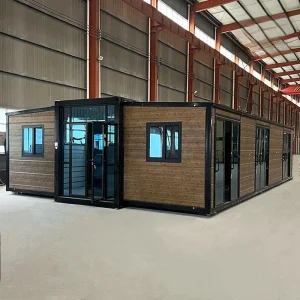
Explore our export-ready architectural configurations. Every unit can be structurally modified to meet your specific regional engineering load requirements.
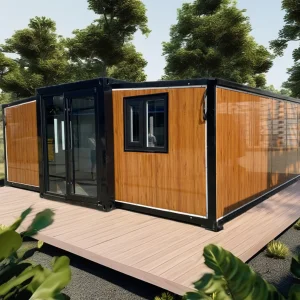
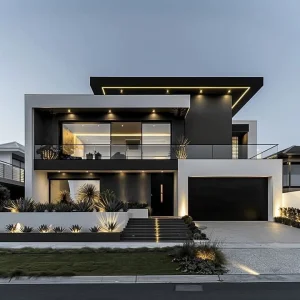
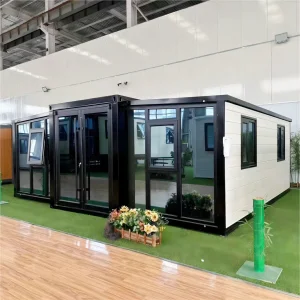
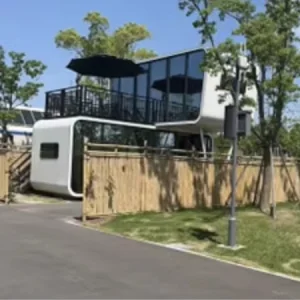
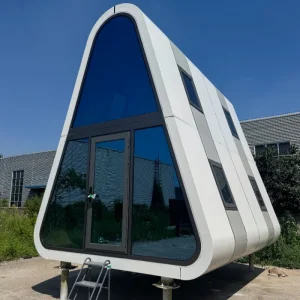
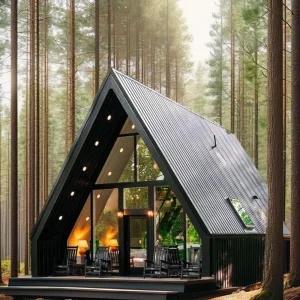
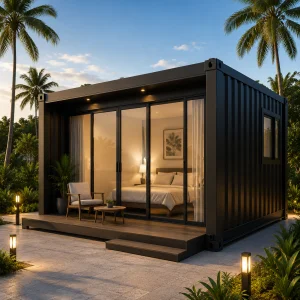
Importing prefabricated building components from China requires strict coordination and supply chain visibility. At Umo House, we run a transparent, standardized commercial workflow to assure seamless integration with local development processes:
New Zealand local councils require comprehensive material traceability before signing off on a Building Consent. Our materials are fully documented, specifying tensile strength, zinc coating thickness, and country of origin.
We supply test certificates for the raw steel coils, confirming compliance with regional standards such as AS/NZS 1397. This level of documentation speeds up Council sign-offs and builds trust with developers who rely on our structural systems for high-visibility commercial and residential projects.
By choosing a supplier with strict quality management protocols, developers can confidently address structural inspections, showing compliance with all design specifications.
Key technical insights on regulatory compliance, logistics, and steel construction methods for the New Zealand market.
Partner with Foshan Umo House to access precision-engineered, code-compliant steel frame housing systems. Get in touch with our engineering team today for custom pricing and technical support.
Send Inquiry Now